Let's be honest. Most of us don't start with perfect garden soil. It's either hard-packed clay that turns to cement in summer, sandy stuff that drains faster than you can water, or a sad mix of rocks and builder's fill. That's where raised bed gardening comes in. It's not just a trend; it's a practical solution that gives you complete control. You build a frame, fill it with the perfect soil mix, and suddenly, gardening becomes easier, more productive, and way less frustrating. I switched to raised beds over a decade ago after one too many battles with my native clay, and I haven't looked back.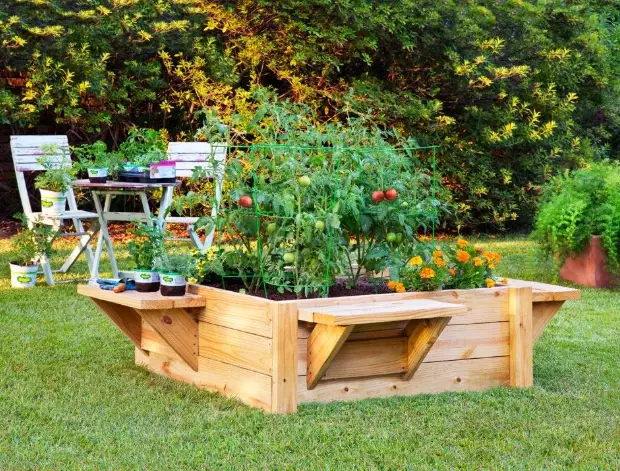
What You'll Learn
Why Choose Raised Bed Gardens?
Better drainage is the big one. In a raised bed, water flows through freely, preventing roots from sitting in soggy soil and rotting. This is a game-changer for areas with heavy rain or poor drainage.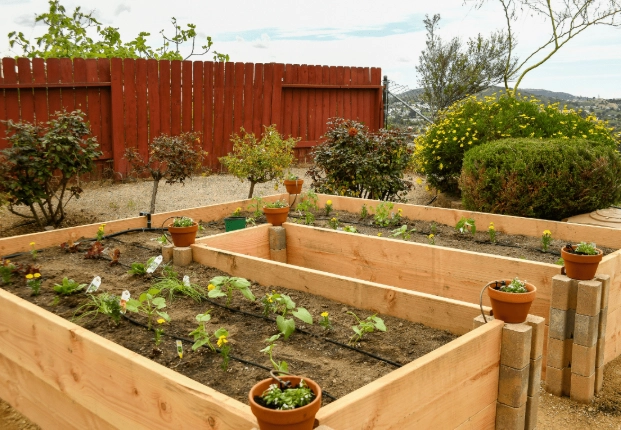
Warmer soil in spring. The soil in a raised structure warms up faster than the ground. This lets you plant cool-season crops like lettuce and peas earlier, and gives heat-lovers like tomatoes a head start.
No soil compaction. You never step in the bed, so the soil stays loose and fluffy. Roots can spread easily, water infiltrates better, and earthworms thrive.
It's just easier on your back. The elevated height means less bending and kneeling. You can build them to a height that works for you—waist-high for ultimate comfort, or a standard 10-12 inches.
Pest and weed control becomes more manageable. While not a magic forcefield, a raised bed creates a clear boundary. You can add hardware cloth underneath to deter burrowing pests like voles. Starting with fresh, weed-free soil mix means fewer weed seeds from day one.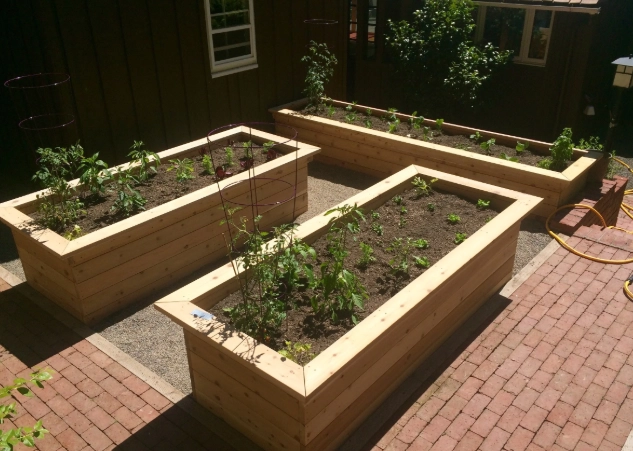
How to Build a Raised Bed: A Step-by-Step Guide
Building a basic rectangular bed is a weekend project. You don't need to be a master carpenter.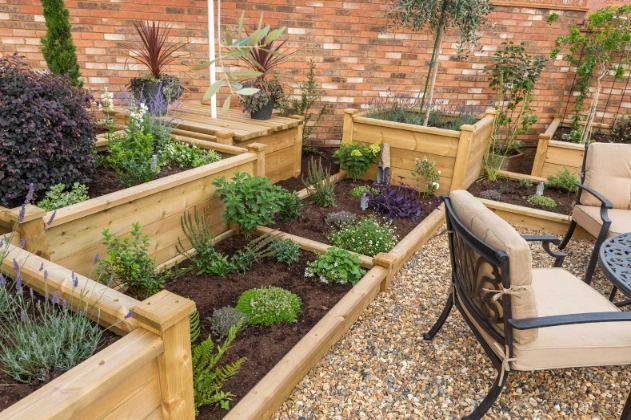
Step 1: Choose Your Location
This is more important than the build itself. Most vegetables need at least 6-8 hours of direct sun. Watch your yard for a full day. Avoid low spots where water pools. Think about access to a water source. Is it close to your tool shed or kitchen door for easy harvesting?
Step 2: Decide on Size and Shape
Keep it simple for your first one. A 4-foot width is ideal because you can easily reach the center from either side without stepping in. Length is flexible, but 8 feet is a common, manageable size. Depth? For most vegetables, 10-12 inches is sufficient. For deep-rooted crops like carrots or potatoes, go for 18-24 inches.
Step 3: Gather Materials and Build the Frame
Clear the area of grass and weeds. Level the ground as best you can. Assemble your frame on site. For a wooden bed, pre-drill holes to prevent splitting and use galvanized or stainless-steel screws or corner brackets. If you're using a kit, just follow the instructions.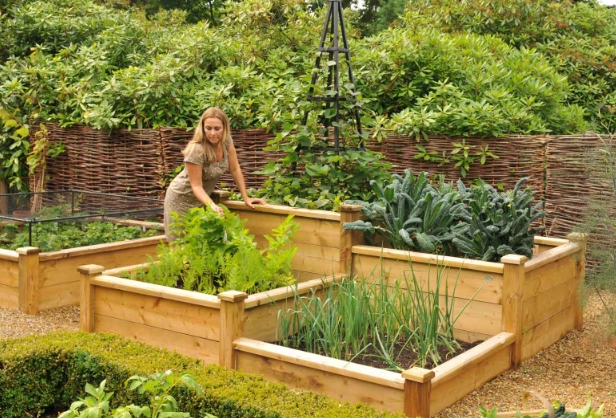
Step 4: Prepare the Base and Fill
Lay down that cardboard or landscape fabric I mentioned. Now, the fun part: filling it. Don't just buy the cheapest topsoil from the garden center. We'll talk about the perfect soil mix next.
Choosing the Right Materials for Your Raised Bed
This is where cost, longevity, and safety intersect. The most common choice is wood, but it's not the only one.
Choosing the Right Wood: A Quick Comparison
| Material | Pros | Cons | Best For |
|---|---|---|---|
| Cedar or Redwood | Naturally rot-resistant, beautiful, long-lasting (5-10+ years). | Most expensive option. | Gardeners wanting a durable, attractive, low-maintenance bed. |
| Pine or Fir (Untreated) | Inexpensive, readily available. | Will rot in 3-5 years. Needs replacement sooner. | Temporary or budget-first gardens. Line the inside with plastic to extend life. |
| Composite Lumber | Very long-lasting, no rotting, often made from recycled materials. | Can be expensive, may not have the natural look. | Low-maintenance, permanent installations. |
| Concrete Blocks or Bricks | Extremely durable, creates a thermal mass that retains heat. | Heavy to move, can alter soil pH over time (alkaline). | Permanent, structured gardens in sunny locations. |
| Galvanized Metal | Modern look, very durable, excellent drainage. | Can get very hot in full sun, potentially heating soil excessively. | Contemporary garden styles, areas with good air flow. |
A critical non-consensus point on pressure-treated wood: Modern pressure-treated lumber (post-2003) uses copper-based preservatives considered safe for gardening by agencies like the EPA. Many university extensions, like the University of Maryland Extension, state it's acceptable for vegetable gardens. However, some gardeners still prefer to avoid it for edible crops due to personal preference. If you use it, I'd recommend lining the interior with heavy-duty plastic as an extra barrier, especially for root crops. Personally? I stick with cedar for peace of mind.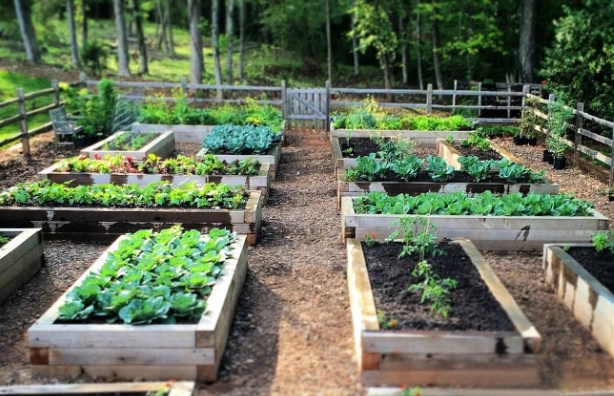
Never, ever use old railroad ties or telephone poles. They are soaked in creosote or other toxic chemicals you do not want near your food.
The Best Soil Mix for Raised Beds
This is the secret sauce. Your bed is only as good as what you put in it. Filling it with dense garden soil defeats the purpose.
The classic, recommended “Mel's Mix” from Square Foot Gardening is a great starting point: 1/3 peat moss or coconut coir, 1/3 vermiculite, and 1/3 blended compost. It's light, fertile, and has perfect drainage.
For most home gardeners, a simpler, more accessible mix works brilliantly:
- 50% High-Quality Topsoil: Don't skimp here. Get a screened topsoil, not “fill dirt.”
- 30% Compost: Use a blend of different composts if possible—mushroom, worm castings, homemade, or bagged manure compost. This is your nutrient source.
- 20% Aeration Material: This is what most people forget. Add perlite, coarse horticultural sand, or more vermiculite. This prevents compaction and keeps the soil light.
Mix it all thoroughly right in the bed with a rake or shovel. It will look fluffy and settle over time. Top it off with an inch or two of pure compost each season to replenish nutrients.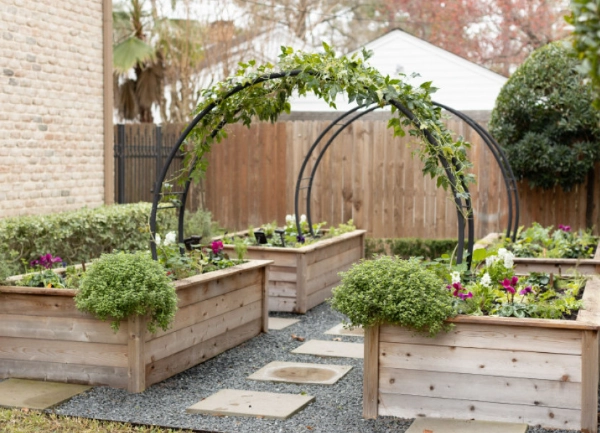
What to Plant in Your Raised Bed Garden
The world is your oyster, but some plants are particularly well-suited. The deep, loose soil is perfect for root crops. Carrots grow long and straight, beets swell beautifully, and radishes are ready in weeks.
You can plant intensively. Forget single rows with wasted space. Use techniques like square foot gardening to maximize yield. In one 4x4 foot bed, you could grow: 16 carrots, 9 bush beans, 4 lettuce plants, 1 tomato (caged), and 8 onions around the edges.
Succession planting keeps the harvest coming. After your spring peas are done, pull them and plant bush beans. After lettuce bolts, put in some Swiss chard.
Consider companion planting. Marigolds can deter nematodes. Basil near tomatoes is said to improve flavor. It's worth experimenting.
Common Raised Bed Problems and Solutions
Even the best system has hiccups.
Soil drying out too fast: This is common in hot climates. The solution is mulch. A 2-3 inch layer of straw, shredded leaves, or wood chips on the soil surface dramatically reduces evaporation. Drip irrigation or soaker hoses under the mulch are even better.
Nutrient depletion: Raised beds get a lot of work and plants suck up nutrients fast. Replenish with compost every season. You can also use an organic, balanced fertilizer mid-season for heavy feeders like tomatoes and corn.
Wood rot (for wooden beds): It will happen eventually, especially at the ground line. You can slow it by using rot-resistant wood and ensuring good drainage away from the bed's base. When a board finally gives out, it's usually just one or two, which are easy to replace.
Pests still find a way: Slugs love the moist environment. Use beer traps or iron phosphate bait. For cabbage worms, floating row covers are your best friend. A simple frame of PVC pipe and insect netting can save a crop.
Frequently Asked Questions (From Real Gardeners)
How deep should a raised bed be for tomatoes?
Can I put a raised bed on a concrete patio or driveway?
What's the cheapest way to fill a deep raised bed?
My raised bed soil seems hard and compacted after one season. What did I do wrong?
What can I grow in a raised bed that gets only 4 hours of sun?
The beauty of raised bed gardening is its adaptability. Start small, learn what works in your space, and expand from there. It turns gardening from a chore into a focused, productive, and deeply satisfying hobby. You're not just growing plants; you're crafting the perfect environment for them to thrive.
Reader Comments