You're holding a packet of carrot seeds, ready to grow something crunchy and sweet from your own garden. The big question pops up: when is the right time to plant these? If you just look for a single month, you might be setting yourself up for disappointment. The real answer to "when can you grow carrots" depends on a mix of your local weather, the soil under your feet, and even the type of carrot you chose. I've seen too many gardeners get this wrong by planting too early in cold, wet ground or too late in the summer heat. Let's get it right.
Here’s the simple truth first: for most places, you have two main planting windows—a spring planting and a late summer/early fall planting. But the devil is in the details. Your specific timing hinges on soil temperature, not just the last frost date everyone talks about.
What's Inside This Guide
Understanding What Carrots Really Need
Carrots are cool-season vegetables. They like mild temperatures for growing, but here's the nuance: they tolerate frost, especially as mature roots, but they hate germinating in cold soil. That's the first big mistake. Planting seeds when the ground is still chilly (below 45°F or 7°C) leads to slow, spotty germination or seeds that just rot.
Their ideal growing temperature range is between 60°F and 70°F (15°C - 21°C). When temperatures consistently climb above 80°F (27°C), the roots can become stunted, tough, and less sweet. That's why nailing the timing is about hitting that sweet spot of warm-enough soil for germination and cool-enough air for root development.
Finding Your Perfect Planting Time
Forget the generic "plant in spring" advice. Let's get specific based on where you garden. The USDA Plant Hardiness Zone map is a good starting point, but microclimates in your yard matter too.
Spring Planting
This is your main shot. The goal is to sow seeds 2 to 4 weeks before your last expected spring frost date. Yes, before. The seeds will bide their time until the soil warms up. If you wait until after the last frost, you're often planting into soil that's already getting too warm for optimal germination in some regions.
Fall Planting
This is a fantastic, often overlooked window. You calculate backwards. Figure out your first average fall frost date. Then, count back 10 to 12 weeks. That's when you plant. The seeds germinate in the warm late-summer soil, and the carrots mature during the crisp, cool autumn days, which makes them incredibly sweet. In mild-winter areas (Zones 8+), you can grow carrots straight through the winter.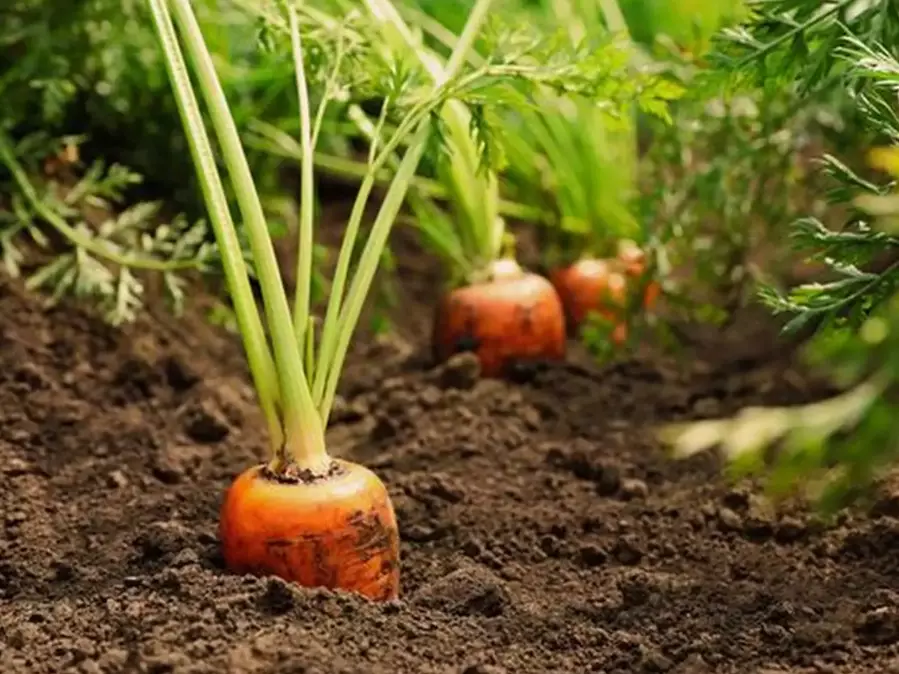
| General Climate / USDA Zone Range | Recommended Spring Planting Window | Recommended Fall Planting Window |
|---|---|---|
| Cool Northern Climates (Zones 3-5) | Late April - Late May | Mid-July - Early August |
| Temperate Climates (Zones 6-7) | Mid-March - Mid-April | Early August - Early September |
| Warm Southern Climates (Zones 8-9) | February - March | September - October |
| Very Mild/Winter Climates (Zones 10+) | Fall through Winter is primary season. Plant October - February. | Spring planting is tricky due to heat. |
The Soil Secret Most Gardeners Miss
Timing is half the battle. The other half is soil preparation, and this is where most beginners fail spectacularly. You can plant at the perfect time, but if your soil is wrong, you'll get forked, stunted, or hairy carrots.
Carrots need loose, deep, and stone-free soil. They are root crops trying to push downward. Any obstacle—a clump of clay, a pebble, a chunk of uncomposted manure—will cause the root to split or grow around it.
- Don't add fresh manure. It's too rich in nitrogen and causes hairy, forked roots. Use well-rotted compost instead.
- Dig deep. Loosen the soil at least 12 inches down. I use a garden fork to break up subsoil without turning it over completely.
- Sift it if you can. For a premium bed, sift the top 6-8 inches of soil through a mesh screen to remove stones and clods. It's extra work, but the difference in carrot quality is night and day.
How to Plant Carrots Step-by-Step
Carrot seeds are tiny. Planting them isn't like dropping a bean seed into a hole.
- Prepare the bed: Rake the loosened, sifted soil into a fine, level seedbed. Water it lightly a day before planting so it's moist but not soggy.
- Sow the seeds: Make shallow furrows about 1/4 inch deep. I space my rows about 12 inches apart. Sprinkle the seeds thinly along the furrow. They're hard to space individually, so just try your best. Some people mix seeds with fine sand to help spread them out.
- Cover and press: Cover the seeds with a light layer of fine soil, vermiculite, or sifted compost. Then, gently press down with your hand or the back of a rake. This ensures good seed-to-soil contact, which is critical for moisture uptake.
- Water gently: Use a watering can with a fine rose or a hose on a mist setting to water the area. You don't want to wash the tiny seeds away. Keep the soil consistently moist until germination, which can take 1-3 weeks.
Growing and Caring for Your Crop
Once they're up, the real work begins.
Thinning is Non-Negotiable
This is the hardest part for new gardeners. You must thin the seedlings. If you don't, you'll get a forest of spindly greens and no decent roots. When the seedlings are about 2 inches tall, thin them so they are 1 to 3 inches apart (check your seed packet for the specific variety's need). Snip the extras at soil level with scissors to avoid disturbing the roots of the keepers.
Watering and Weeding
Carrots need consistent moisture. Erratic watering causes cracking. Aim for about 1 inch of water per week. A light layer of mulch (like straw or grass clippings) after thinning helps retain moisture and suppress weeds. Weeds compete fiercely with young carrot seedlings, so stay on top of them.
Fertilizing
Go easy. Too much nitrogen gives you gorgeous tops and pathetic roots. If your soil was prepared with compost, little extra is needed. A side dressing of a low-nitrogen, potassium-rich fertilizer (like a 0-10-10) midway through the season can support root development.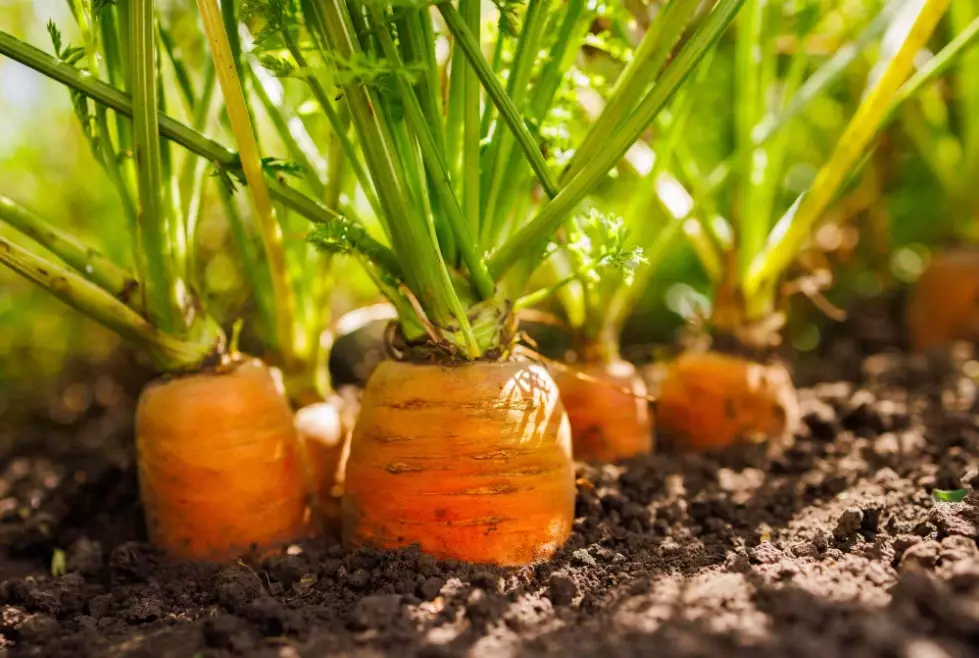
Harvesting and Storing Your Bounty
Most varieties are ready 60-80 days after planting. You can start pulling "baby" carrots whenever they look big enough to eat. For main harvest, the top of the root will often push slightly out of the soil, and you can gauge its size.
For storage, twist off the tops (the greens pull moisture from the root). Store unwashed carrots in the fridge in a perforated plastic bag for weeks. For long-term storage, they can be kept in boxes of slightly damp sand or peat moss in a cool, dark place like a root cellar.
What Are Common Carrot Growing Problems and How to Fix Them?
Let's troubleshoot. You followed the timing, but things look off.
Seeds didn't germinate? Likely soil was too cold, too wet, or it dried out after planting. Carrot seeds need constant surface moisture to germinate. A board or burlap laid over the row until sprouts appear can help, but check daily.
Twisted, forked roots? That's your soil preparation. Rocks, clumps, or heavy, compacted soil. Forked roots can also come from transplanting (don't do it) or damage from root-knot nematodes.
Green shoulders? The top of the carrot root got exposed to sunlight. Hill a little soil or mulch over any exposed roots.
Hairy roots? Too much nitrogen or water stress.
Bitter taste? Usually caused by heat stress during the final growth stage. This is why fall carrots often taste sweeter.
 The journey from seed packet to crunchy harvest is straightforward once you understand the "when" and the "how." It's not a single date. It's a combination of reading your garden's conditions, preparing the stage properly, and giving consistent care. Forget the guesswork. Use soil temperature as your guide, prepare that soil like you're fluffing a pillow, and be patient. Your reward will be far better than anything you can buy.
Reader Comments