Let's be honest. Traditional gardening can be a pain. Bad soil, weeds, and that constant backache from bending over. I struggled with it for years until I built my first raised garden bed. It wasn't fancy—just some old wood nailed together—but the difference was night and day. The plants were happier, I was happier, and my harvests exploded.v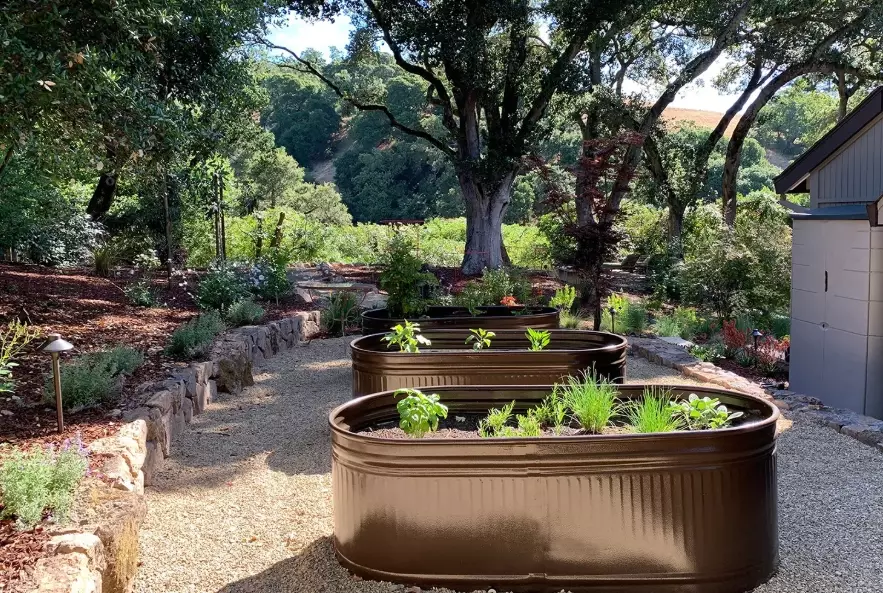
If you're looking for raised garden ideas, you're already on the right track. This isn't just about aesthetics; it's a smarter way to grow. Whether you have a tiny balcony, a sloped yard, or soil that's more clay than dirt, a raised bed can be your solution.
What You'll Find in This Guide
Why Choose Raised Bed Gardening?
Everyone talks about the benefits, but let me tell you the real-world impact I've seen. The number one advantage isn't just better drainage—it's control. You control the soil, the nutrients, and the environment. My neighbor's in-ground tomatoes always get blight from the old soil pathogens. Mine? Clean and healthy, year after year.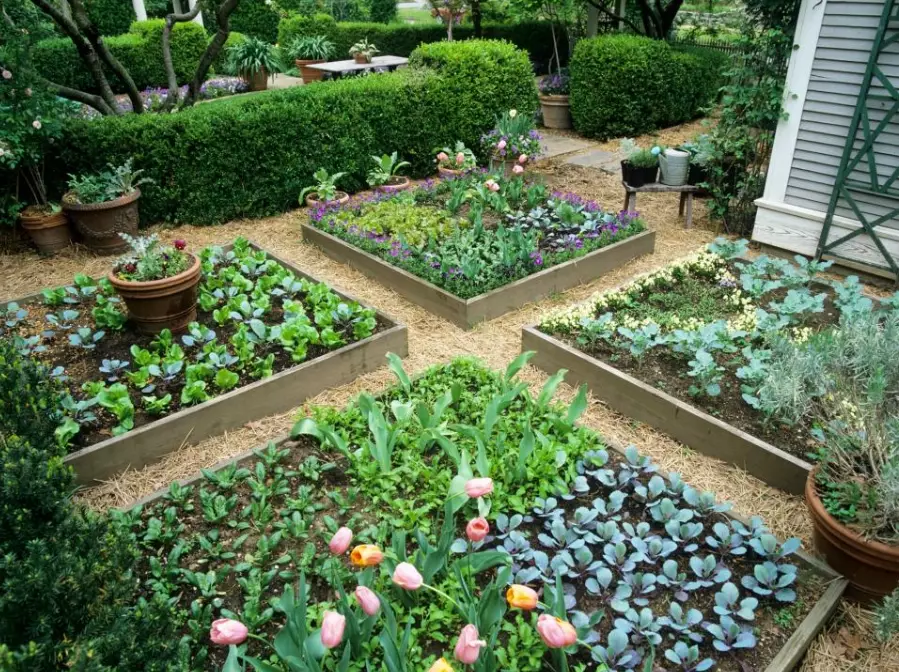
The Practical Perks: Warmer soil in spring means you can plant earlier. Fewer weeds (especially if you use a weed barrier underneath). No soil compaction from walking in the bed. And for anyone with mobility issues or a bad back, the elevated height is a game-changer. You can even build them on tabletops.
I made a mistake with my first bed, though. I built it too wide. Reaching the middle was a stretch. Now I never build any bed wider than 4 feet, and for beds against a wall or fence, I keep it under 2.5 feet. Little details like this make all the difference.
How to Build a Raised Garden Bed: A Step-by-Step Guide
You don't need to be a carpenter. My first successful bed was built with just a drill, a saw, and some determination. Let's break down the essentials.
Choosing Your Materials: The Good, The Bad, The Affordable
This is where most beginners get stuck. Pressure-treated wood? Concrete blocks? Metal?
| Material | Pros | Cons | Best For | Estimated Cost (for a 4'x8' bed) |
|---|---|---|---|---|
| Cedar or Redwood | Naturally rot-resistant, looks great, long-lasting (10-15+ years). | Expensive. Redwood can be hard to source sustainably. | Permanent, beautiful beds where budget is less concern. | $150 - $300+ |
| Pine or Fir (Untreated) | Very affordable, easy to work with. | Will rot in 3-5 years. Needs replacement. | Starter beds, temporary setups, or if you're on a tight budget. | $40 - $80 |
| Composite Lumber | Very long-lasting, no rotting, often made from recycled plastic. | Can be pricey, may not have the natural look. | Low-maintenance, modern-looking gardens. | $200 - $400 |
| Concrete Blocks or Bricks | Extremely durable, creates a thermal mass that warms soil. | Heavy to move, can alter soil pH over time (alkaline). | Hot climates, very permanent installations. | $100 - $200 |
| Corrugated Metal | Modern industrial look, very sturdy. | Can get extremely hot in full sun, potentially heating roots too much. | Partial shade areas, or where style is a top priority. | $120 - $250 |
A note on pressure-treated wood: The old stuff contained arsenic (CCA) and was a no-go for gardens. Modern pressure-treated lumber (like ACQ or MCQ) uses copper-based preservatives. The EPA and most university extensions (like the University of Minnesota Extension) state it's safe for edible gardens. The copper binds tightly to the wood fibers. But if it makes you nervous, just line the inside of the bed with heavy-duty landscape fabric as a barrier. I've done both, and my soil tests have never shown elevated copper levels.
The Simple Build Process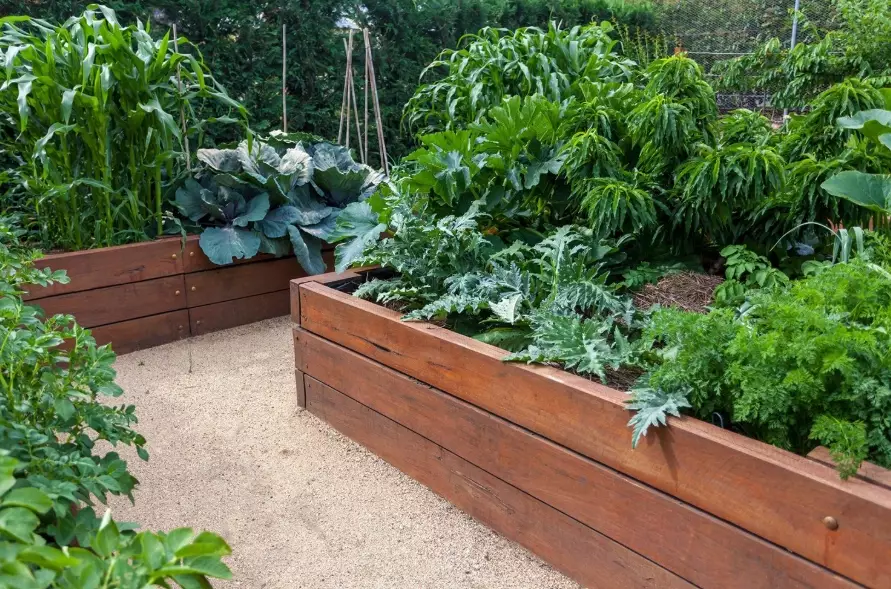
For a basic 4'x8' wooden bed, 12 inches high:
- 1. Pick Your Spot: Full sun (6-8 hours) is king for most veggies. Level ground is ideal.
- 2. Gather Tools & Materials: You'll need (3) 8-ft 2x12 boards, (1) 8-ft 2x4 for corner stakes, exterior wood screws (3.5"), a drill, a saw, a level, and a shovel.
- 3. Cut the Wood: Cut one of the 8-ft boards in half to get two 4-ft pieces. You now have two 8-ft and two 4-ft boards.
- 4. Assemble the Rectangle: Screw the ends of the 8-ft boards to the ends of the 4-ft boards to form a box. Pre-drill holes to prevent splitting.
- 5. Add Corner Stakes: Cut the 2x4 into four 18-inch stakes. Place the box in position and drive a stake into the inside corner of each corner, then screw the box sides to the stakes. This adds massive stability.
- 6. Prep the Ground: Loosen the soil underneath the bed with a fork (optional but helps drainage). Lay down cardboard or landscape fabric to smother weeds.
- 7. Fill with Soil: This is the most important step. Don't just use bagged topsoil. See the soil section below.
Creative Raised Garden Design Ideas for Every Space
Think beyond the rectangle. Your space and needs should dictate the design.
For Small Spaces & Balconies
Vertical Tiered Beds: Think of a staircase for plants. You can build shallow boxes that stack, each one set back from the one below. Perfect for herbs, lettuce, and strawberries. It creates visual depth and maximizes square footage.
Rail Planters: If you have a balcony railing, get brackets designed to hold a long, narrow planter box. Just ensure it's securely fastened—wind is your enemy up high.
For Sloped or Uneven Yards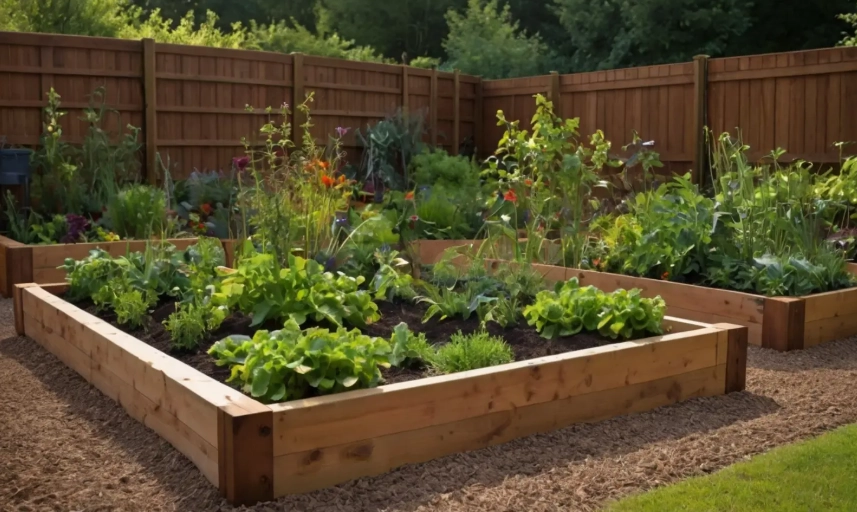
This is where raised beds shine. Instead of fighting a costly regrade, build a series of beds that follow the contour of the land. You'll create leveled terraces. Use longer stakes on the downhill side to ensure everything is level. It looks intentional and beautiful.
For Accessibility (Keyhole & Table Beds)
The Keyhole Garden design is brilliant. It's a raised bed with a U-shaped notch (the keyhole) that lets you step into the bed to reach all areas without stepping on the soil. The center often has a compost basket you feed directly, which nourishes the surrounding plants.
Tabletop Beds are exactly what they sound like—raised beds on legs, bringing the garden to waist or wheelchair height. Ensure the legs are incredibly sturdy and the bed isn't too wide. Use cross-braces. Filling it will be heavy, so build it in its final location.
The Secret Sauce: Soil Mix and Planting Strategies
Here's the expert secret most guides gloss over: Your raised bed soil is a living ecosystem, not just dirt. If you fill it with dense, cheap topsoil, you'll get poor results.
The gold standard mix, popularized by sources like the Square Foot Gardening method, is called "Mel's Mix": 1/3 blended compost, 1/3 peat moss or coco coir, 1/3 coarse vermiculite. It's light, fluffy, and retains moisture and nutrients perfectly.
For a more budget-friendly and still excellent mix, I use this recipe for my beds:
- 50% high-quality screened topsoil (not bagged "garden soil," which can be too heavy).
- 30% well-aged compost (from multiple sources—mushroom, manure, plant-based).
- 20% aeration amendment (like perlite, coarse sand, or fine bark chips).
Planting Tip: You can plant more densely in a raised bed because the soil is so rich. Use square foot gardening spacings. For example, one square foot can hold 16 carrots, 9 bush beans, or 1 tomato plant. It forces you to intercrop and rotate, which naturally reduces pests.
Keeping Your Raised Garden Thriving: Maintenance Tips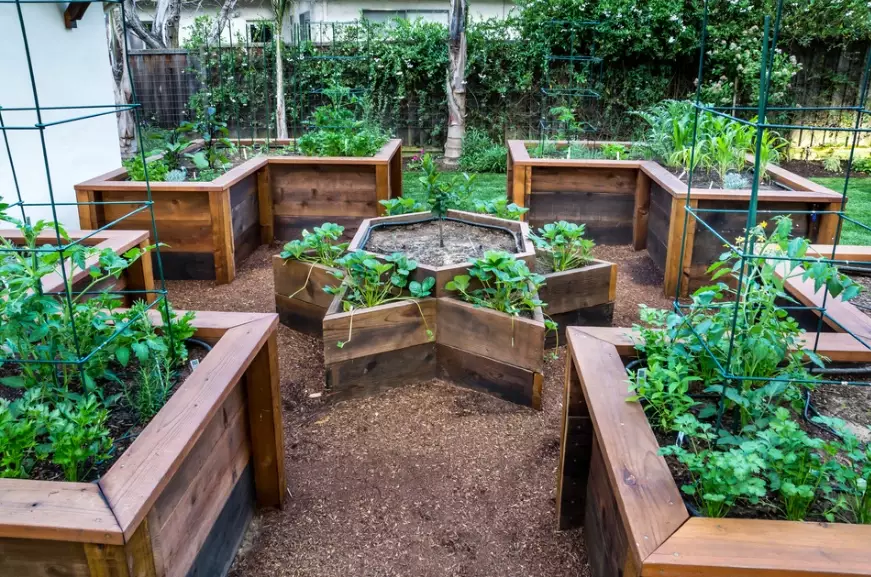
Raised beds need less work, but they're not zero-work.
- Watering: They drain fast, so they can dry out quicker than in-ground gardens in hot weather. A soaker hose or drip irrigation on a timer is the best investment you can make. Mulch the surface with straw or shredded leaves to conserve moisture.
- Feeding: The soil is contained, so nutrients get used up. Top-dress with an inch of fresh compost every spring and fall. You can also use an organic, balanced granular fertilizer mid-season for heavy feeders like tomatoes and corn.
- Winter Care: Don't leave the soil bare. Plant a cover crop like winter rye or simply cover it with a thick layer of leaves or straw. This protects the soil structure and microbiology.
Your Raised Garden Questions, Answered
 My raised bed soil seems to sink every year. Is that normal?
The best raised garden idea is the one that gets you growing. Start simple. A single 4x4 bed is a perfect canvas. You'll learn, adapt, and probably end up building more next season. The control, the harvest, the sheer enjoyment of it—that's what makes raising your garden worth it.
Reader Comments