Pruning isn't just about cutting branches—it's surgery for your plants. Get it right, and you'll see more flowers, better fruit, and stronger growth. Get it wrong, and you might set your garden back years. I learned this the hard way when I butchered a young maple tree, thinking more cuts meant more vigor. It died within months. Let's avoid that.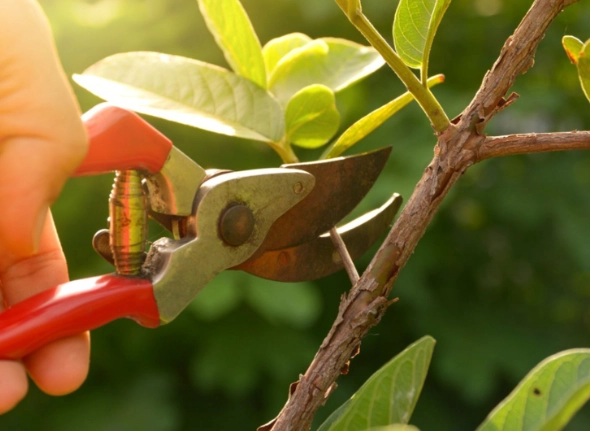
What You'll Learn
- Why Pruning Is Non-Negotiable for Plant Health
- When to Prune: Timing Secrets for Different Plants
- Pruning Tools: What to Buy and What to Skip
- Step-by-Step Pruning for Common Garden Stars
- Top Pruning Blunders and How to Fix Them
- Beyond Basics: Creative Pruning Techniques
- Your Pruning Questions Answered
Why Pruning Is Non-Negotiable for Plant Health
Think of pruning as giving your plants a focused workout. It redirects energy to where it's needed most. Without it, plants get leggy, diseased, or just plain ugly. I've seen roses choked by deadwood, producing maybe two blooms a season. After a proper prune, they exploded with color.
Pruning does three big things:
- Boosts air circulation – This reduces fungal diseases like powdery mildew. Dense foliage is a magnet for trouble.
- Encourages new growth – Strategic cuts signal the plant to push out fresh stems and flowers.
- Shapes the plant – You control the form, preventing overgrown messes that block paths or windows.
It's not optional. Even low-maintenance plants like hydrangeas need occasional trims. The Royal Horticultural Society notes that regular pruning can extend a plant's life by decades. Ignore it, and you're basically letting your garden decay slowly.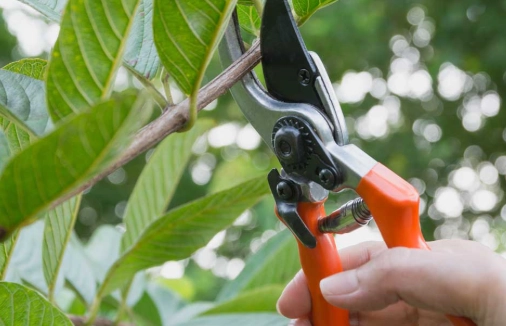
When to Prune: Timing Secrets for Different Plants
Timing is everything. Prune at the wrong time, and you'll sacrifice blooms or invite frost damage. Most beginners prune too early or too late. Here's a simple rule: prune when the plant is sleeping or just after it flowers.
Pro tip: For flowering shrubs, if it blooms in spring, prune right after flowers fade. If it blooms in summer, prune in late winter or early spring. I messed this up with a forsythia—pruned in fall and got no yellow blossoms next year.
Let's break it down by plant type:
- Deciduous trees and shrubs – Late winter to early spring, during dormancy. Sap is low, so cuts heal fast. Avoid fall pruning; it can spur new growth that winter kills.
- Evergreens – Early spring or mid-summer. Don't prune in late fall—fresh cuts might not harden off before cold hits.
- Fruit trees – Late winter for most. But for stone fruits like peaches, prune in early spring to avoid disease. I prune my apple trees in February, and the harvest doubles.
- Roses – Late winter or early spring, just as buds swell. Pruning too early can expose them to frost.
There's nuance, though. In warmer climates, you might adjust. Check local extension services for regional advice.
Pruning Tools: What to Buy and What to Skip
Good tools make pruning a joy; bad ones make it a chore. I've used cheap pruners that jammed on thin twigs. Don't waste money on gimmicks. Focus on these essentials: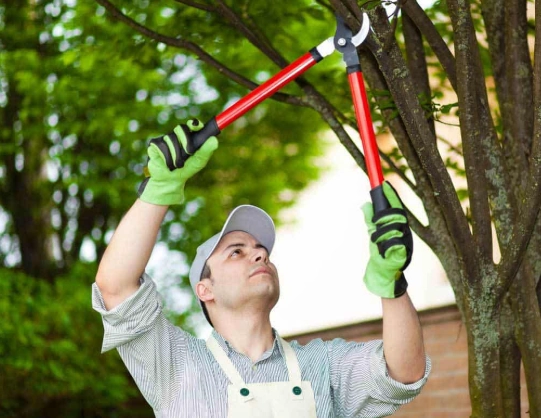
| Tool | Best Use | Price Range | Brands I Trust |
|---|---|---|---|
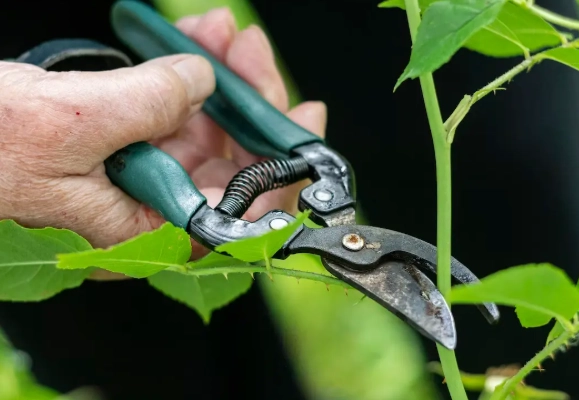
| Bypass Pruners | Precise cuts on stems up to 3/4 inch | $20-$60 | Felco, Corona |
| Anvil Pruners | Deadwood or dry branches | $15-$40 | Fiskars |
| Loppers | Branches 1-2 inches thick | $30-$80 | ARS, Tabor Tools |
| Pruning Saw | Branches over 2 inches | $25-$70 | Silky, Bahco |
| Hedge Shears | Shaping hedges or shrubs | $25-$50 | Okatsune |
Bypass pruners are your workhorse. They cut like scissors, leaving clean edges. Anvil types crush more, so use them only for dead material. Loppers give leverage—get ones with extendable handles for reach. A pruning saw is non-negotiable for thick branches; don't force loppers beyond their limit.
Maintenance matters. Clean blades with rubbing alcohol after each use to prevent disease spread. Sharpen them yearly; dull tools tear stems. I sharpen mine every spring, and cuts are smoother.
Step-by-Step Pruning for Common Garden Stars
Let's get hands-on. Pruning varies by plant, but the principles are similar: remove dead stuff, thin out crowded areas, shape gently.
How to Prune Roses for More Blooms
Roses scare people, but they're tough. Prune hybrid teas in late winter. Here's my method:
- Remove all dead or diseased canes—cut back to healthy wood, which looks green inside.
- Take out crossing branches that rub against each other. They create wounds.
- Cut remaining canes by about one-third, making cuts at a 45-degree angle just above an outward-facing bud. This encourages open growth.
- Thin the center to improve air flow.
I did this with a neglected rose bush last year. It had black spot everywhere. After pruning and cleaning up fallen leaves, it bloomed like crazy by June.
How to Prune Fruit Trees for Maximum Harvest
Fruit trees need pruning for light penetration and air circulation. For a young apple tree:
- Year one: Remove any branches growing inward or downward. Keep the central leader strong.
- Year two: Thin out competing branches, aiming for a vase-like shape.
- Ongoing: Each winter, remove about 20% of old growth to spur new fruiting wood.
Don't overdo it. Removing more than 30% at once stresses the tree. I see this often—people get scissor-happy and wonder why the tree produces tiny fruit.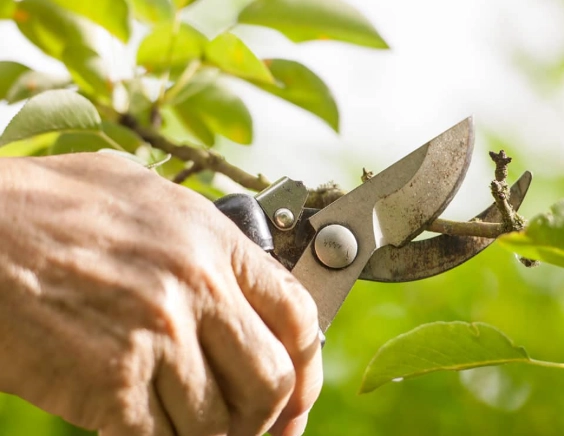
Top Pruning Blunders and How to Fix Them
We all make mistakes. Here are the big ones:
- Over-pruning – Cutting too much at once. It shocks the plant. Fix: Spread major pruning over 2-3 years. If you've already over-pruned, water well and avoid fertilizing until recovery.
- Flush cuts – Cutting branches flush to the trunk. This removes the branch collar, slowing healing. Fix: Cut just outside the collar, the swollen area where branch meets trunk.
- Topping trees – Lopping off the top to control height. It leads to weak, ugly growth. Fix: Use thinning cuts instead, removing entire branches back to a lateral.
I topped a cherry tree once, thinking it'd stay small. It sprouted water shoots that broke in the wind. Had to remove it eventually.
Beyond Basics: Creative Pruning Techniques
Once you're comfortable, try these for landscape impact:
- Pollarding – Cutting back to the same point yearly for a formal look. Works on willows or planes. It's high-maintenance but stunning.
- Espalier – Training trees flat against a wall. Great for small spaces. I've seen apple trees espaliered along fences, saving space and looking elegant.
- Rejuvenation pruning – For overgrown shrubs like lilacs. Cut one-third of oldest stems to the ground each year for three years. It seems drastic, but plants rebound with vigor.
These techniques require patience. Start with one plant as a test. My first espalier pear took five years to shape, but now it's a focal point.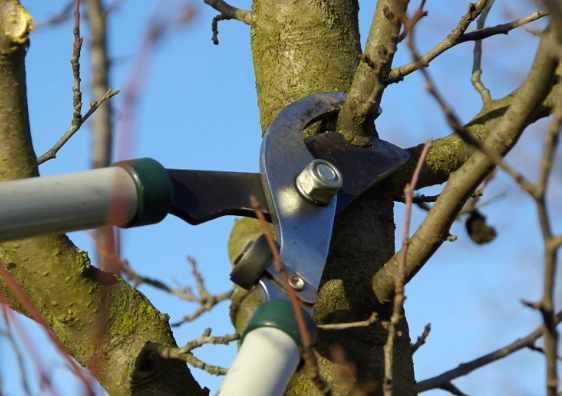
Your Pruning Questions Answered
Pruning is part art, part science. Start small, observe how plants respond, and don't fear mistakes. My first garden was a pruning disaster, but each cut taught me something. Grab those pruners and give your plants the trim they deserve—they'll thank you with growth.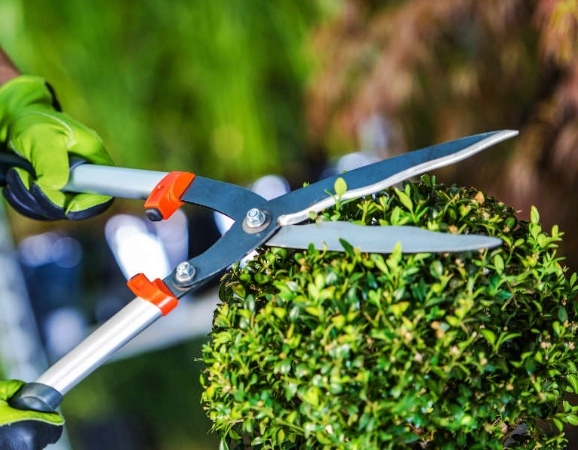
Reader Comments