Ever pulled up a carrot only to find it's forked or barely bigger than your finger? I have. My first carrot patch was a disaster—a tangle of tough, bitter roots that looked nothing like the grocery store ideal. It took me years of trial, error, and talking with old-timers at the county fair to figure it out. Growing carrots isn't hard, but it demands you get a few specific things right. Ignore the generic advice, and you'll get generic results. Follow this detailed guide, rooted in real garden experience, and you'll be pulling up sweet, crunchy, perfectly formed carrots that make store-bought taste like cardboard.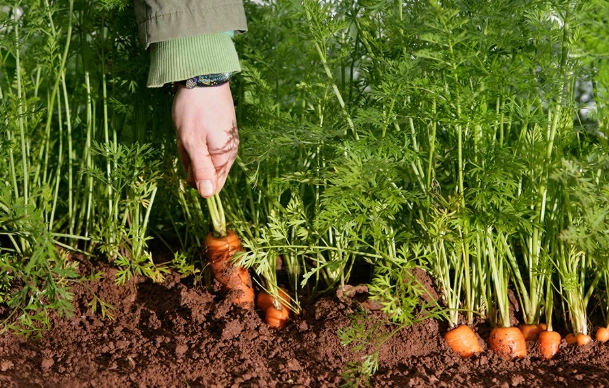
What You'll Learn
How to Prepare Your Soil for Carrot Success
Let's cut to the chase: 90% of carrot failures start with the soil. Carrots are root crops. They need to push straight down through the earth without meeting resistance. Think of it like this—you're building a highway for a taproot.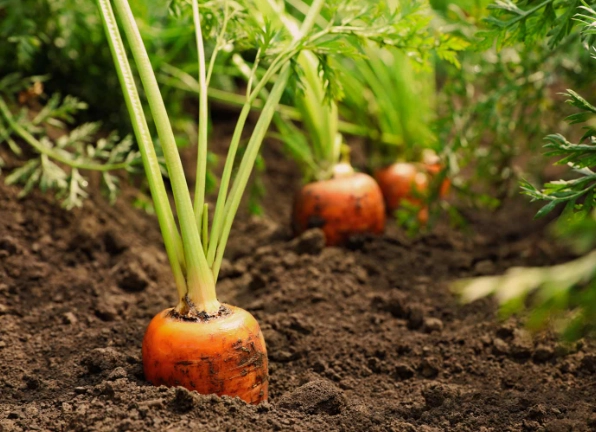
The goal is deep, loose, and stone-free. I mean really loose. If your garden soil is heavy clay or compacted, growing long, straight carrots in the ground is an uphill battle. Here's my non-negotiable process:
- Go Deep: Loosen the soil to a depth of at least 12 inches. A broadfork is my tool of choice. It aerates without turning the soil layers upside down, which can harm soil life. Don't have one? A sturdy garden fork works, but it's more work.
- Sift and Refine: This is the step most guides skip, and it's a game-changer. For my dedicated carrot bed, I remove the top 12 inches of soil and sift it through a 1/2-inch mesh screen. It removes rocks, clumps, and old roots. Yes, it's labor-intensive. I do it once a season, and the payoff is a bed of carrots so uniform they look machine-made.
- Fertilize Wisely: Carrots need nutrients, but they hate fresh manure or high-nitrogen fertilizer. These cause forking and hairy, side-rooted messes. Instead, mix in a 2-3 inch layer of well-aged compost and a light sprinkle of a low-nitrogen, phosphorus-rich organic fertilizer (look for a higher middle number, like 2-8-4) into your sifted topsoil. The University of Minnesota Extension confirms that excessive nitrogen leads to excessive top growth and poor root development.
- Check the pH: Aim for a slightly acidic to neutral pH, between 6.0 and 7.0. A simple home test kit works fine. If your soil is too acidic (common), a dusting of garden lime worked in a few weeks before planting does the trick.
Planting Mastery: From Seed to Seedling
Carrot seeds are tiny, slow to germinate, and fussy about moisture. This phase tests patience.
Timing is Everything
Carrots are a cool-season crop. You get two main planting windows:
- Early Spring: Sow seeds 2-4 weeks before your last expected frost date. The soil should be workable, not muddy.
- Late Summer: For a fall harvest (the sweetest carrots!), plant about 10-12 weeks before your first expected fall frost. This is my favorite time. Fewer pests, and the cooling temperatures make for incredible flavor.
The Sowing Technique That Actually Works
Forget scattering seeds. Here's the method that gives you a fighting chance without insane thinning later.
- Make a shallow furrow, about 1/4 inch deep, in your prepared, level soil.
- Mix the tiny carrot seeds with a handful of dry sand or used coffee grounds. This makes them easier to see and space roughly.
- Sow sparingly. Try to get seeds about 1/2 inch apart. It's okay if they're closer, but this minimizes waste.
- Cover lightly with a fine, sifted soil mix or vermiculite—just enough to block light. Don't pack it down.
- Water with a gentle mist to settle the seeds without washing them away.
Thinning: The Hard Truth
You must thin. Crowded carrots won't size up. When seedlings are about 2 inches tall, thin them to stand 1 to 3 inches apart, depending on the variety (check your seed packet). Use tiny scissors to snip the tops off unwanted seedlings at the soil line. Pulling them can disturb the roots of the keepers. It feels wasteful, but it's the only way.
Ongoing Care and the Perfect Harvest
Once past the seedling stage, carrots are relatively low-maintenance if your soil is right.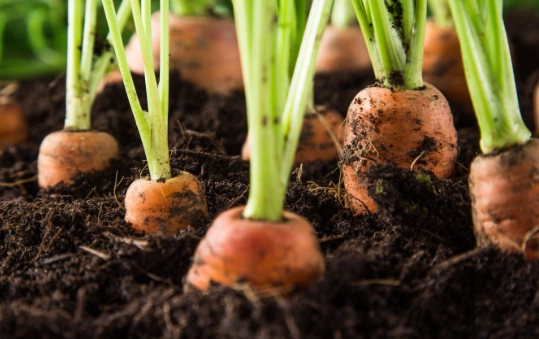
Watering and Weeding
Consistent moisture is key to steady growth and preventing roots from becoming woody or splitting. Aim for about 1 inch of water per week, deep watering to encourage deep roots. A light layer of straw or grass clipping mulch helps retain moisture and keeps weeds down. Weed carefully by hand—carrot seedlings are fragile and can't compete.
When and How to Harvest
You can start pulling "baby" carrots whenever they look big enough to eat. For full-sized carrots, check the "days to maturity" on your seed packet as a guide. The real test is the shoulder: gently brush away soil at the top of the root. If it looks about the diameter you expect, give one a pull.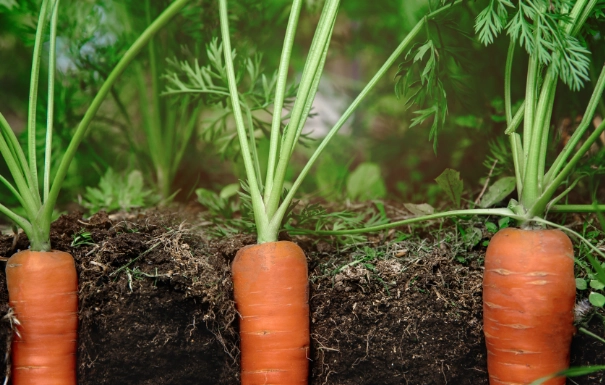
For maximum sweetness, time your harvest after a few light fall frosts. The cold triggers the plant to convert starches to sugars. You can even mulch your carrot patch heavily with a foot of straw and harvest crisp, sweet carrots straight from the garden all winter, as long as you can dig into the ground.
Troubleshooting Common Carrot Problems
Here’s a quick reference for what might go wrong and how to fix it next time.
| Problem | Likely Cause | Solution for Next Season |
|---|---|---|
| Forked/Misshapen Roots | Rocks, clumps, or heavy soil blocking growth; fresh manure. | Sift soil deeply; use only aged compost. |
| Hairy Roots (many small side roots) | Excess nitrogen; soil too rich or fertilized with fresh manure. | Use low-nitrogen fertilizer; go easy on compost. |
| Green Shoulders | Sunlight hitting the top of the root. | Keep the carrot shoulders covered with soil or mulch. |
| Poor Germination | Soil dried out during germination; planted too deep. | Use board/burlap cover; plant no deeper than 1/4". |
| Small, Stunted Roots | Crowding (not thinned); insufficient water; poor soil. | Thin aggressively; ensure consistent moisture; improve soil tilth. |
A Quick Word on Varieties
Don't just buy any carrot seed. Match the type to your soil. If you have heavy or shallow soil, choose shorter, stockier varieties like 'Paris Market' (round) or 'Chantenay'. If you've done the work to create deep, sandy loam, go for the long, elegant 'Imperator' types. My all-around, reliable favorite for flavor and adaptability is 'Scarlet Nantes'.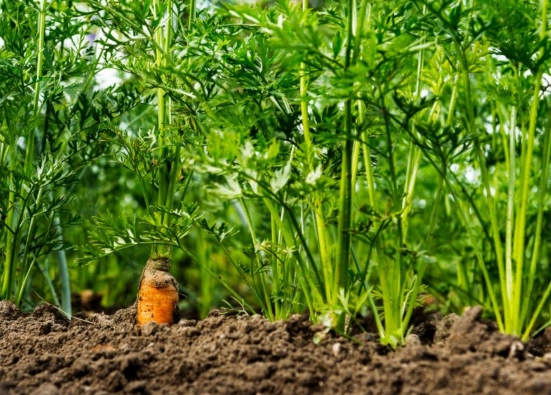
The bottom line? Growing perfect carrots is a lesson in preparation and patience. Focus your energy on creating that perfect, deep, crumbly seedbed. Nail the seeding and thinning. The rest—the satisfying pull from the earth, the crisp snap, the explosive sweetness—is your reward. It’s worth every bit of effort.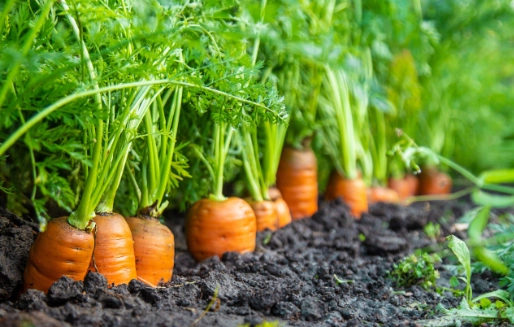
Reader Comments