Carrots grow best in loose, well-draining soil and cool weather—think early spring or fall. Get the location and timing right, and you'll harvest sweet, straight roots every time. Miss it, and you end up with forked, bitter carrots. I've seen both sides, so let's dive into the specifics.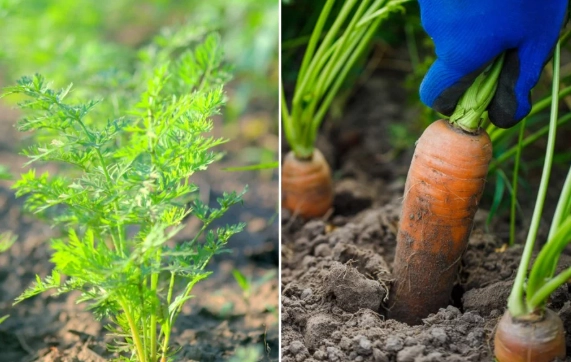
What You'll Find in This Guide
Picking the Perfect Spot for Carrots
Location isn't just about geography; it's about soil, sun, and microclimates. Carrots are picky. I learned this the hard way when I planted them in a shady corner of my backyard—they grew, but barely. Here's what works.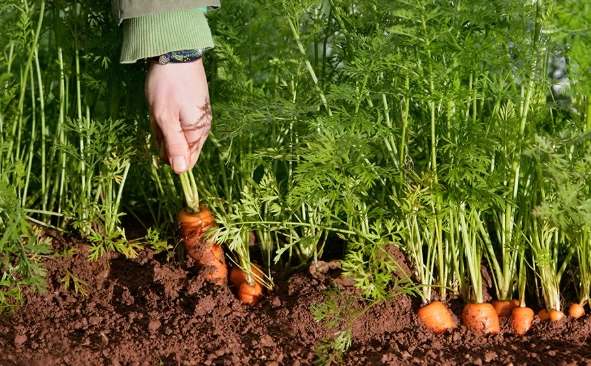
Soil Type and Preparation: The Foundation
Carrots need loose soil. Not kinda loose, but fluffy down to 12 inches. If your soil is heavy clay or rocky, forget it unless you amend it. Sandy loam is the gold standard. According to the USDA's soil surveys, sandy loam provides the ideal balance of drainage and moisture retention.
How to check your soil? Grab a handful, squeeze it. If it forms a tight ball, it's too clayey. If it falls apart easily, it might be too sandy. Aim for something in between. I mix in compost and coarse sand—about 2 inches of each worked into the top layer. Raised beds are a lifesaver here; fill them with a mix of topsoil, compost, and sand.
Sunlight and Climate: More Than Just Warmth
Carrots love full sun—at least 6 hours a day. In hot climates, afternoon shade can prevent bolting (when plants flower prematurely). Temperature matters too. Carrots germinate best when soil temps are between 45°F and 85°F. If it's too hot, seeds won't sprout; too cold, they rot.
I live in a zone 7 area, and I've found that planting in early spring, as soon as the soil can be worked, gives the best results. Microclimates matter: south-facing slopes warm up faster, good for early planting. North-facing spots stay cooler, better for fall crops.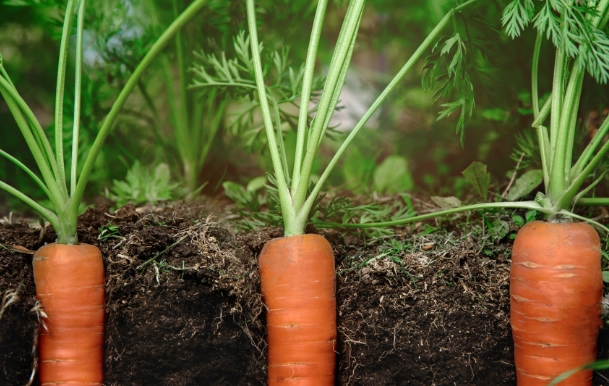
When to Plant Carrots for Maximum Yield
Timing is everything. Plant too early, frost kills the seedlings. Too late, summer heat stunts growth. Carrots are cool-season crops, so aim for spring or fall.
Spring Planting: The Early Bird Advantage
In most regions, plant carrots 2-4 weeks before the last frost date. For me, that's mid-March. The soil is cool but workable. I use a soil thermometer—cheap and accurate. If it reads above 45°F, go for it.
Stagger planting. Sow seeds every two weeks until late spring. This extends the harvest. I once planted all at once and ended up with a glut of carrots in June. Never again.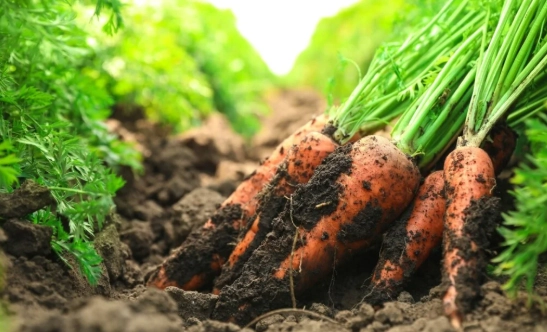
Fall Planting: The Secret to Sweet Carrots
Fall planting is underrated. Plant carrots 10-12 weeks before the first frost. The cool temperatures enhance sweetness. In my experience, fall carrots taste better—less woody, more sugary. They overwinter well with mulch.
Here's a quick table for different US regions:
| Region | Spring Planting Window | Fall Planting Window |
|---|---|---|
| Northeast (e.g., New York) | Late March to April | Late July to August |
| Midwest (e.g., Illinois) | Early April to May | August to early September |
| South (e.g., Texas) | February to March | September to October |
| West Coast (e.g., California) | Year-round in mild areas | September to November |
Data adapted from extension services like the University of California's gardening guides.
Common Carrot-Growing Mistakes (And How to Dodge Them)
Everyone makes mistakes. I've killed more carrot seeds than I care to admit. Here are the big ones.
Planting seeds too deep. Carrot seeds are tiny. Sow them 1/4 inch deep, no more. I used to bury them, and germination was spotty. Now I just press them into the soil surface and sprinkle a light layer of vermiculite.
Overcrowding. Carrots need space. Thin seedlings to 2-3 inches apart. If you don't, you get a mess of tiny, tangled roots. It feels wasteful to pull them, but it's necessary.
Ignoring soil pH. Carrots prefer slightly acidic to neutral soil, pH 6.0-7.0. Test your soil—kits are cheap. If it's off, add lime to raise pH or sulfur to lower it. I didn't test for years, and my carrots were pale and stunted.
Inconsistent watering. Carrots need steady moisture, especially during germination. Let the soil dry out, and seeds die. I set up a drip irrigation system on a timer. Game-changer.
A Step-by-Step Plan for Planting Carrots
Let's break it down into actionable steps. Assume you're starting from scratch in a backyard garden.
- Choose your spot: Full sun, well-draining soil. If in doubt, build a raised bed.
- Prepare the soil: Remove rocks and clumps. Work in 2 inches of compost and sand. Rake smooth.
- Plant the seeds: Sow thinly, 1/4 inch deep, in rows 12 inches apart. Water gently.
- Maintain moisture: Keep soil moist with daily misting until seedlings emerge (7-14 days).
- Thin and feed: Thin seedlings at 2 inches tall. Side-dress with compost after thinning.
- Harvest: Pull carrots when they reach desired size, usually 60-80 days after planting.
I followed this for a community garden project last year. We got over 50 pounds of carrots from a 10x10 plot. The key was soil prep—we spent a weekend amending it.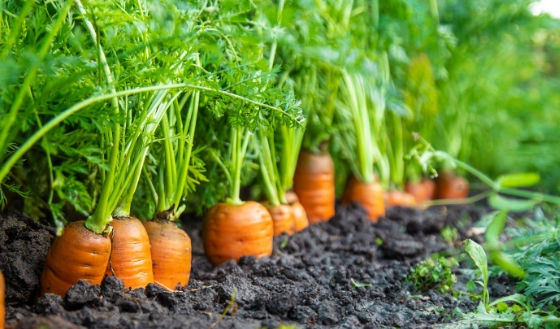
Your Carrot Questions Answered
Growing carrots isn't rocket science, but it demands attention to detail. Nail the where and when, and you'll enjoy crisp, sweet roots straight from your garden. Start with soil prep, time your planting, and avoid the common pitfalls. Happy gardening!
Reader Comments