Let's talk about that frustrating gap between a seed packet and a garden-ready plant. You've probably had trays of seedlings that got leggy, damped off, or just never really took off. I've killed my share. After a decade of trial and error, I keep coming back to one material that consistently gives me a head start: peat moss. It's not magic, but it's close. This guide isn't just about what peat moss is; it's about how to use it like a pro, sidestep the common pitfalls, and get those seedlings so strong they practically transplant themselves.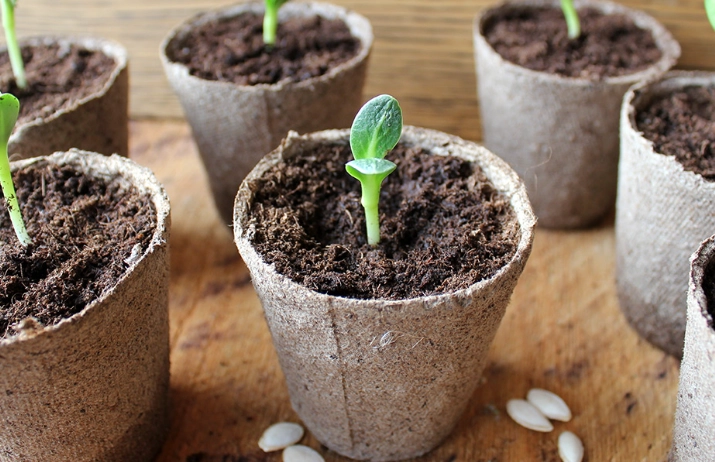
What’s Inside: Your Quick Guide
Why Peat Moss Works (And When It Doesn't)
Peat moss is the partially decomposed remains of sphagnum moss from ancient bogs. Think of it as a sponge with a PhD in plant support. Its structure creates countless tiny air pockets, which is the first big win. Seeds need oxygen at their roots as much as they need water. A dense, soggy soil suffocates them. Peat moss stays loose.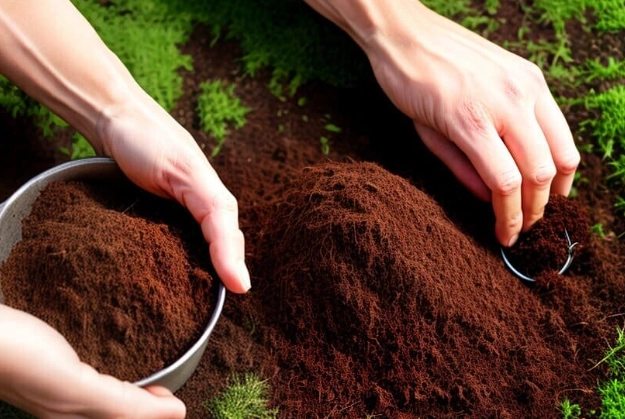
The second win is water management. It can hold up to 20 times its weight in water, releasing it slowly to the seed's delicate roots. This means less frequent watering and a buffer against your forgetfulness.
Here's the catch everyone glosses over: peat moss is sterile and acidic. The sterility is good—no weed seeds or pathogens. The acidity? That's a double-edged sword. It helps prevent damping-off disease (a fungal killer of seedlings), which loves neutral conditions. But it also means some plants, like certain brassicas or flowers preferring sweet soil, might struggle. Research from the University of Maryland Extension notes that adjusting pH is crucial for optimal nutrient availability. The fix? For sensitive plants, mix a pinch of garden lime into your peat-based mix.
So, is it the universal best? No. But for tomatoes, peppers, eggplants, most herbs, and countless flowers, it creates an ideal, disease-resistant nursery.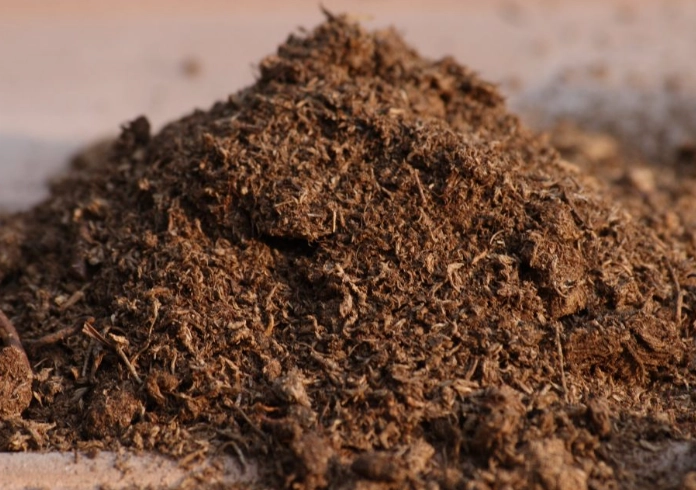
Getting Started: Your Setup Toolkit
You don't need a fancy greenhouse. A simple setup works wonders.
- The Medium: You have options. Peat pellets (those little compressed disks) are incredibly convenient and minimize root disturbance. Peat-based seed starting mix is more versatile for trays. Avoid pure, undiluted peat moss from a garden bag—it's too fine and can compact. Look for a mix that includes perlite or vermiculite for even better aeration.
- Containers: Any clean container with drainage holes works. I'm partial to cell trays because they organize everything. Yogurt cups with holes poked in the bottom are a classic for a reason.
- Light: This is where most beginners fail. A sunny window is rarely enough, leading to leggy, weak seedlings. A simple LED shop light or a purpose-built grow light placed just a few inches above the sprouts is non-negotiable for stocky growth.
- Heat: Bottom heat is a secret weapon. A seedling heat mat can cut germination time in half for warmth-loving crops like peppers.
- Watering Tool: A spray bottle for initial moisture, and then a watering can with a fine rose attachment or a tray for bottom-watering. A strong stream from a jug can displace tiny seeds.
The Step-by-Step Process: From Seed to Sprout
1. Pre-Moisten Your Mix
This is critical. Dry peat moss repels water. Put your mix in a large bucket, add warm water, and stir. You want it uniformly damp like a wrung-out sponge, not dripping. If using pellets, pour warm water over them and watch them expand.
2. Fill and Plant
Gently fill your containers, tapping to settle but not compact. Make small indentations. The rule of thumb: plant a seed twice as deep as its thickness. Tiny seeds like lettuce just need a light press onto the surface. Label everything immediately. Trust me, you will forget.
3. The Germination Chamber
Cover trays with a clear plastic dome or plastic wrap to create a humid microclimate. No watering needed now. Place them on that heat mat if you have one. Check daily. The moment you see green, remove the cover and get the lights on.
4. Post-Germination Care
Lights should be on for 14-16 hours a day, just 2-3 inches above the seedlings. Water from the bottom now to encourage deep roots and keep foliage dry. Let the surface look slightly dry between waterings. A gentle fan blowing nearby strengthens stems and prevents mold.
The Non-Consensus Tip: Don't fertilize too early. The seed has its own energy store. The first true leaves (the second set that appears) are your signal. Then, use a diluted, balanced liquid fertilizer at 1/4 strength. A heavy hand with fertilizer on young seedlings in peat moss can cause more harm than good due to salt buildup.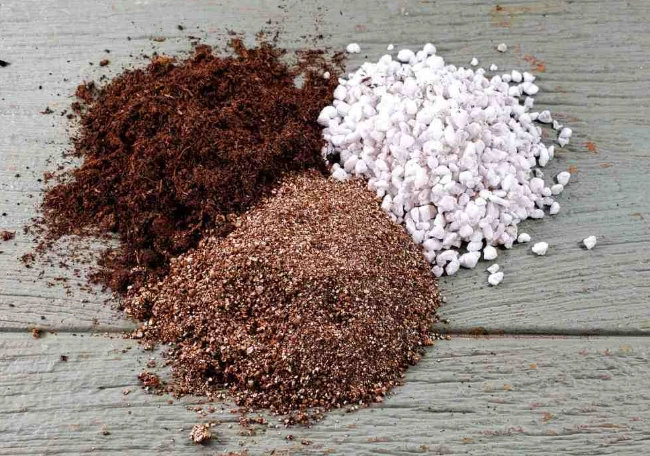
Troubleshooting Common Issues
Things will go wrong. Here’s how to fix them.
Leggy Seedlings: Immediate sign of insufficient light. Lower your lights. It's almost always this.
Yellowing Leaves: Could be overwatering (most likely), or the seedlings have exhausted the minimal nutrients in the peat. Let them dry a bit more and consider a weak fertilizer if they have true leaves.
White Crust on Soil Surface: Mineral salts from tap water. It's mostly cosmetic. Scrape it off and switch to bottom-watering to prevent it.
Fungus Gnats: Those tiny black flies love constantly moist organic matter. They're a nuisance. Let the surface dry more between waterings, use yellow sticky traps, and as a last resort, a biological control like Bacillus thuringiensis israelensis (Bti) in your water.
Beyond the Basics: Pro Moves
Once you've mastered the basics, these steps separate good seedlings from great ones.
Pre-Soaking Seeds: Large, hard-coated seeds (like peas, beans, nasturtiums) benefit from soaking in water for 12-24 hours before planting. It softens the coat and kickstarts germination.
Hardening Off: You can't take seedlings from your cozy indoor setup straight into the garden. They'll get sunburned and shocked. About a week before transplant, start putting them outside in a shaded, sheltered spot for a few hours, gradually increasing time and sun exposure.
Transplanting from Peat Pellets: The beauty is no root disturbance. Just plant the whole pellet. But tear off the top of the biodegradable netting if it's exposed above soil—it can wick moisture away from the stem.
Your Questions, Answered
Starting seeds in peat moss isn't about following a perfect recipe. It's about understanding how this unique material behaves—its love for water, its need for air, its acidic personality. Master that, and you turn the most vulnerable stage of a plant's life into a point of total control. You stop buying leggy, stressed plants from the store and start growing your own robust, garden-ready champions from day one. Give it a try this season. Just remember to water from the bottom.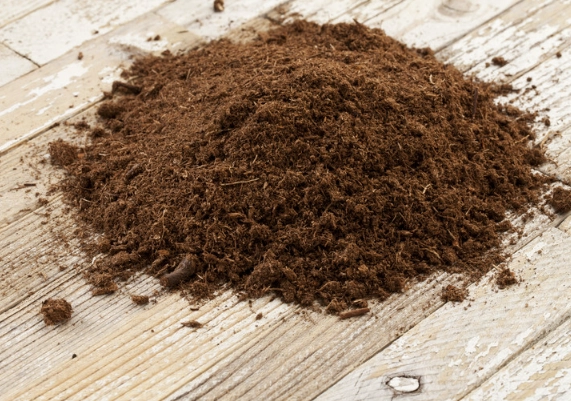
Reader Comments