What You'll Learn in This Guide
I've been growing potatoes in my backyard for over ten years, and let me tell you, fertilizer can make or break your harvest. When I started, I used whatever was on sale—big mistake. My potatoes were small, prone to disease, and tasted bland. After trial and error, and plenty of conversations with local extension agents from places like Cornell University's College of Agriculture, I figured out the nuances. This guide cuts through the noise to give you practical, actionable advice.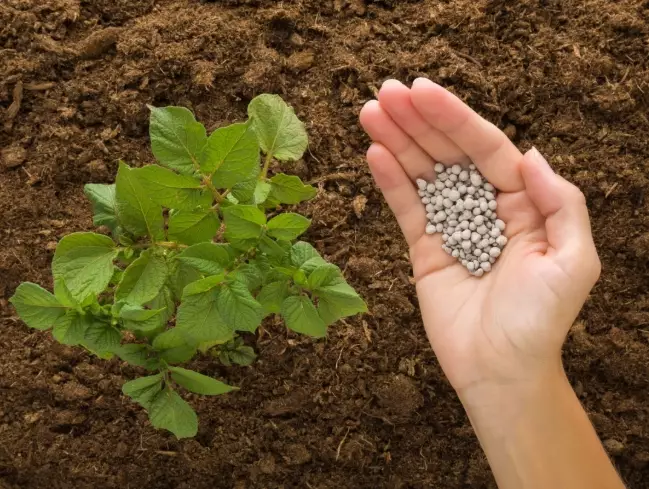
Potatoes aren't like tomatoes or lettuce. They're heavy feeders with specific cravings, especially for potassium and phosphorus. Get it wrong, and you'll end up with lush vines but tiny tubers. Get it right, and you'll harvest buckets of spuds.
Understanding Potato Nutrient Needs
Potatoes need a balanced diet, but not in the way you might think. The key nutrients are nitrogen (N), phosphorus (P), and potassium (K), often shown as NPK ratios on fertilizer bags.
The Role of NPK in Potato Growth
Nitrogen promotes leafy growth—good for early stages, but too much later on diverts energy from tubers. Phosphorus is crucial for root development and tuber initiation. Potassium enhances overall plant health, disease resistance, and tuber size. According to the University of Minnesota Extension, potatoes typically require a ratio higher in P and K, something like 5-10-10 or 6-24-24.
Secondary nutrients like calcium and magnesium matter too. Calcium deficiency can cause internal brown spots, while magnesium affects photosynthesis. I learned this the hard way when my potatoes developed hollow heart despite using a "premium" fertilizer.
How to Choose the Right Fertilizer for Potatoes
Walk into any garden center, and you'll see shelves of options. It's overwhelming. Here's how to narrow it down.
Organic vs. Synthetic Fertilizers
Organic fertilizers, like composted manure or bone meal, release nutrients slowly and improve soil structure. They're great for long-term soil health. Synthetic fertilizers give a quick boost but can lead to salt buildup if overused. I prefer organic for potatoes because it reduces the risk of scab and other diseases.
Pro tip: Don't just grab a bag labeled "vegetable fertilizer." Many are high in nitrogen, which potatoes don't need in excess. Look for blends specifically for root crops or potatoes.
Reading Fertilizer Labels: What to Look For
Check the NPK numbers. For potatoes, aim for a lower first number (N) and higher second and third numbers (P and K). For example, 5-10-10 is a solid choice. Also, look for micronutrients like boron and zinc—they're often overlooked but vital for tuber quality.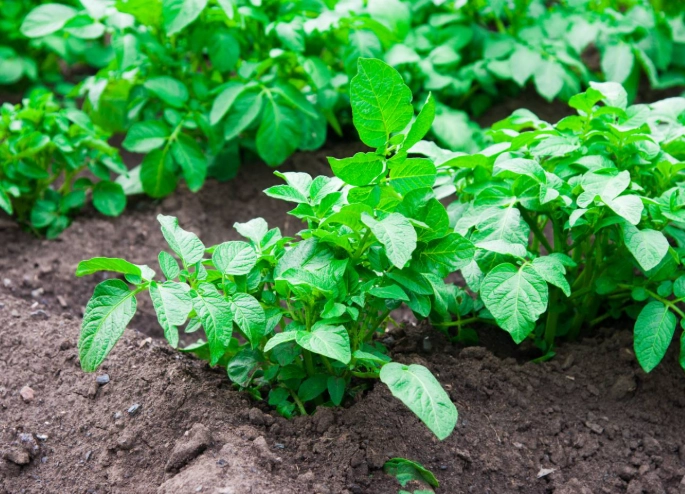
Here's a quick comparison of common fertilizer types for potatoes:
| Fertilizer Type | NPK Ratio (Approx.) | Best For | Notes |
|---|---|---|---|
| Bone Meal | 3-15-0 | Phosphorus boost at planting | Slow-release; organic |
| Potassium Sulfate | 0-0-50 | Adding potassium during growth | Prevents potassium deficiency |
| Composted Chicken Manure | 1-0.5-0.5 | General soil amendment | Must be composted to avoid burning |
| Commercial Potato Fertilizer | 5-10-10 | Convenient all-in-one | Often includes micronutrients |
The Step-by-Step Fertilization Schedule
Timing is everything. Fertilize too early or too late, and you'll waste effort. Here's my tried-and-true schedule, broken down by growth stage.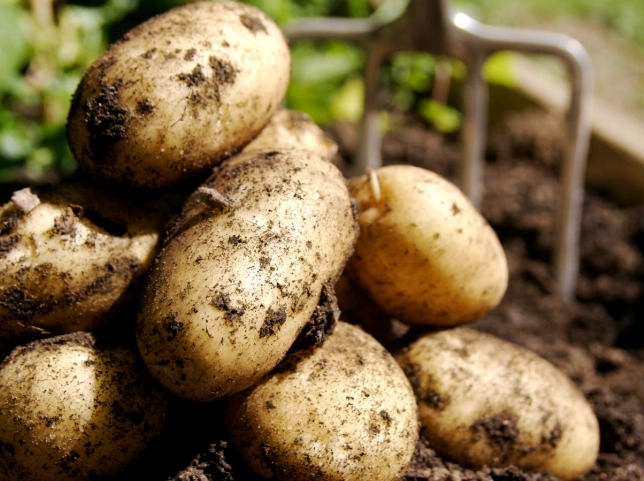
Pre-Planting: Preparing the Soil
About two weeks before planting, work 2-3 inches of compost into the soil. Then, add a balanced fertilizer like 10-10-10 at a rate of 1.5 pounds per 100 square feet. This gives a gentle start. I mix in bone meal for extra phosphorus—about 1 cup per 10-foot row.
Soil testing is non-negotiable. A test from your local extension office tells you exactly what's lacking. Last year, mine showed low potassium, so I added greensand before planting.
During Growth: Side-Dressing Techniques
When plants are 6-8 inches tall, side-dress with a high-potassium fertilizer. Sprinkle it around the base, then hill soil over it. Use about 0.5 pounds per 100 square feet. Repeat when tubers start forming (usually when flowers appear).
For container potatoes, use a liquid fertilizer every 3 weeks. I dilute fish emulsion to half strength to avoid overfeeding.
Before Harvest: When to Stop Fertilizing
Stop fertilizing once plants flower. Any later, and you risk soft, poorly storing tubers. I made this error early on—my potatoes rotted in storage within weeks.
Common Fertilizer Mistakes and How to Avoid Them
I've seen these pitfalls ruin harvests time and again. Let's dodge them.
Over-fertilizing with nitrogen: This is the big one. It leads to huge vines but small potatoes. If your plants look overly lush, cut back on nitrogen. Use a soil test to guide you.
Ignoring soil pH: Potatoes prefer slightly acidic soil (pH 5.0-6.0). High pH can lock up nutrients. I add sulfur if my pH creeps above 6.5.
Using fresh manure: It burns plants and spreads diseases. Always compost manure for at least six months. A neighbor once lost his entire crop to scab from fresh cow manure.
Fertilizing at the wrong time: Late applications promote growth when tubers should be maturing. Stick to the schedule above.
Advanced Tips for Maximizing Potato Yield
Once you've got the basics down, these tricks can push your harvest over the top.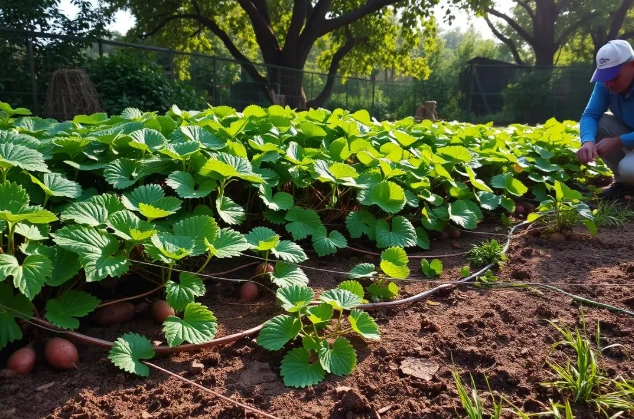
Using Compost and Cover Crops
Integrate cover crops like clover or rye in the off-season. They fix nitrogen and improve soil structure. In spring, till them in as green manure. I've found this reduces my need for synthetic fertilizers by half.
Tailoring Fertilizer to Your Soil Type
Sandy soils leach nutrients quickly, so fertilize more frequently but lightly. Clay soils hold nutrients longer, so fewer applications are needed. My garden has clay, so I focus on one main fertilization at planting and a light side-dressing.
Consider foliar feeding with a diluted seaweed extract during tuber bulking. It provides micronutrients directly to the leaves. I spray every two weeks until flowering—it seems to boost size and flavor.
Your Potato Fertilizer Questions Answered
Reader Comments