Let's be honest. A lot of lawn care advice out there is confusing. Water this much, fertilize on this date, dethatch, aerate, overseed... it feels like a part-time job. I've been tending lawns for over a decade, and I've seen the same cycle: people spend money and effort but end up with a lawn that's thin, weedy, or just plain stressed.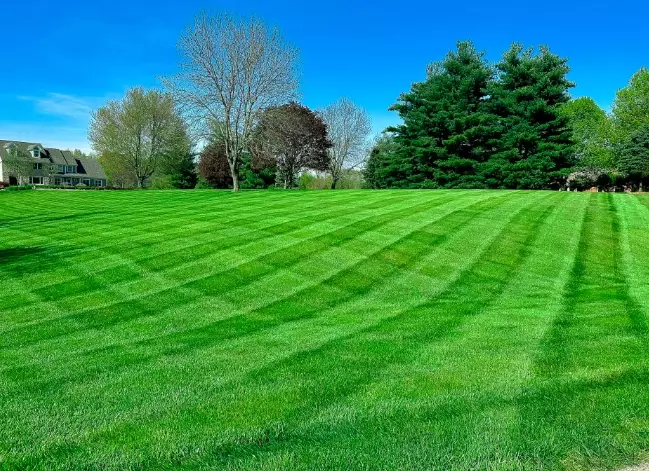
The goal isn't just a green lawn. It's a healthy lawn. One that crowds out weeds naturally, survives a dry spell without begging for water, and feels lush underfoot. That health starts below the surface, in the soil and the root zone. Most guides focus on the “what” – buy this product, do this task. I want to give you the “why” and a simple system that works with nature, not against it.
What's Inside This Lawn Care Guide?
What Does a Healthy Lawn Actually Look Like?
Forget the putting-green perfection you see in ads. A truly healthy lawn has depth and resilience.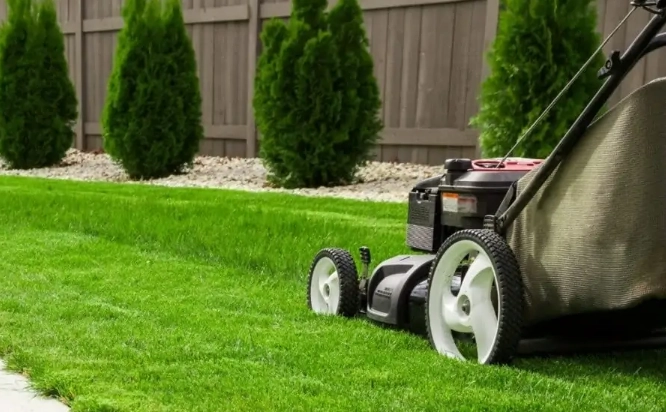
Push your fingers into it. The soil should be loose, not hard-packed, and teeming with life like earthworms. The grass blades are a consistent, deep green (not the fluorescent green of a nitrogen overdose), and they spring back when you walk on them. You'll see a variety of grass types, which is good for disease resistance, and very few bare patches.
Most importantly, it has deep roots. This is the secret. Shallow roots mean a lawn that needs constant babysitting. Deep roots anchor the grass, access water and nutrients from far down, and make it drought-tolerant. Every single thing we do in healthy lawn care should aim to encourage deeper roots.
The 5 Pillars of Healthy Lawn Care: A Step-by-Step System
This is your core routine. Nail these five things, and 90% of your problems disappear. Think of them in order of importance.
1. Mowing: It's Not Just Cutting Grass
This is where most people fail first. They cut too short, thinking it'll make the lawn look neater and last longer between cuts. It does the opposite.
The Golden Rule: Mow High. For most cool-season grasses (Kentucky Bluegrass, Fescue), keep your mower deck at 3 to 4 inches. Taller grass blades:
- Shade the soil, keeping it cooler and preventing weed seeds (like crabgrass) from germinating.
- Develop a larger root system proportionally.
- Produce more energy via photosynthesis.
Never cut more than one-third of the grass blade in a single mowing. If it's gotten too long, raise the height, cut it, wait a few days, then cut it again to your desired height.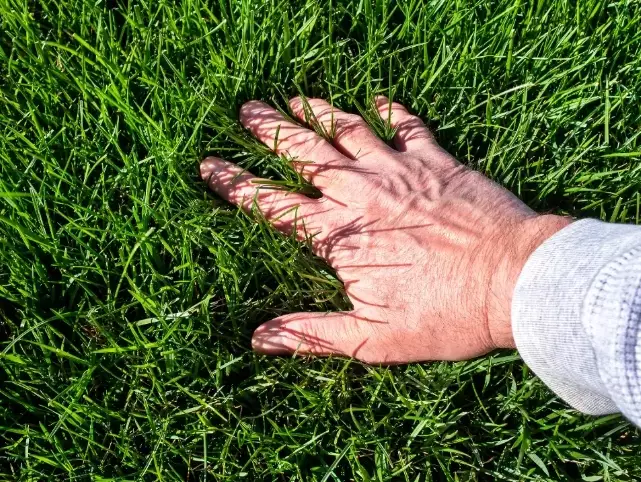
And please, keep your mower blade sharp. A dull blade tears the grass, leaving ragged, brown tips that are open doors for disease.
2. Watering: Deep and Infrequent is the Golden Rule
My neighbor waters his lawn for 15 minutes every evening. His lawn is always the first to turn brown in a heatwave. He's training his grass to have shallow roots.
Here's the better way: Water deeply, but only once or twice a week. The goal is to moisten the soil down to 6-8 inches. How much water is that? Usually about 1 to 1.5 inches per week, including rainfall.
How do you measure an inch? Place a few empty tuna cans around your lawn and time how long it takes to fill them up. That's your baseline.
Water in the early morning. This reduces water loss to evaporation and allows the grass blades to dry quickly, preventing fungal diseases. Evening watering leaves the lawn wet all night, which is asking for trouble.
3. Feeding: Think Nutrition, Not Just Fertilizer
You don't need to fertilize every month. In fact, that can cause more harm than good. The timing and type matter far more than frequency.
| Grass Type | Best Feeding Time | Key Nutrient Focus |
|---|---|---|
| Cool-Season (Kentucky Bluegrass, Fescue, Ryegrass) | Early Fall (Sept) & Late Fall | Fall feeding builds strong roots for winter and spring. Use a fertilizer higher in potassium (the third number on the bag) for winter hardiness. |
| Warm-Season (Bermuda, Zoysia, St. Augustine) | Late Spring/Early Summer | Feed as they enter their peak growth period. A balanced fertilizer works well. |
Consider a soil test every few years. Your local cooperative extension office (a fantastic, often-free resource) can analyze your soil and tell you exactly what it lacks. You might not need more phosphorus, for example, which is common in many soils.
And don't bag those grass clippings! Leaving them on the lawn (grasscycling) returns nitrogen and organic matter right back to the soil. It's free fertilizer.
4. Soil Health: The Foundation of Everything
You can't have a healthy lawn on dead, compacted dirt. Aeration is the single best thing you can do for compacted soil. It involves pulling small plugs of soil out, creating channels for air, water, and nutrients to reach the roots.
Do it in the fall for cool-season grasses or late spring for warm-season grasses. You can hire a service or rent a core aerator. After aerating, it's the perfect time to top-dress with a thin layer of compost. This adds beneficial microbes and organic matter directly to the root zone.
5. Weed & Pest Control: The Intelligent Approach
A thick, healthy lawn is the best weed prevention. Weeds are opportunists; they fill in bare spots. If you focus on the pillars above, you'll have fewer weeds.
When you do see weeds, identify them first. Is it a broadleaf weed like dandelion, or a grassy weed like crabgrass? For isolated broadleaf weeds, a spot treatment with a herbicide or even pulling them is fine. For crabgrass, prevention is key. Apply a pre-emergent herbicide in early spring, before soil temperatures consistently hit 55°F.
For pests like grubs, don't treat unless you see damage (brown patches that peel back like loose carpet) and confirm an active infestation. The University of Maryland Extension recommends a threshold of more than 10-12 grubs per square foot before treatment is needed. Beneficial nematodes are an effective organic option.
Common Lawn Problems and How to Fix Them
Let's troubleshoot. You're doing everything right, but something's off.
Brown Patches: Could be drought, fungus, or grubs. Do the tug test. If the grass pulls up easily with no roots, think grubs. If it's stuck but brown, cut a small square out and look at the soil and base of the grass. Soggy soil and lesions on the blades point to fungus (often from overwatering). Dry, hard soil means it's thirsty.
Thin, Sparse Grass: Usually a combination of mowing too low, compacted soil, and lack of nutrients. The fix? Raise your mower, aerate in the next appropriate season, and overseed after aeration. Overseeding introduces new, vigorous grass plants to thicken the turf.
Moss Taking Over: Moss isn't the problem; it's a symptom. It loves compacted, acidic, shady, and nutrient-poor soil. Killing the moss does nothing if you don't fix the conditions. Aerate, test and adjust soil pH with lime if needed, and consider shade-tolerant grass seed or alternative ground covers for deeply shaded areas.
Advanced Tips for the Dedicated Lawn Enthusiast
Once you've mastered the pillars, here's where you can level up.
Switch to an organic or natural-based fertilizer. They feed the soil biology, which in turn feeds the grass. The results are slower but longer-lasting and improve soil health over time. I made the switch five years ago and my soil texture is completely different—looser, darker, and full of worms.
Explore grass alternatives for trouble spots. For that dry, sunny slope that's hard to water, consider a low-maintenance turf-type tall fescue or a fine fescue blend. For shady areas under trees, fine fescues or shade mixes perform better than trying to force Kentucky bluegrass to grow there.
Reader Comments