I built my first raised bed a decade ago with pure enthusiasm and pure ignorance. I filled it with what I thought was "good dirt" from my yard. That first season? Pathetic. Stunted plants, water that pooled on the surface, and soil that turned brick-hard by July. It was a costly lesson that the most important part of a raised bed isn't the wood or the location—it's what you put inside. The perfect soil for raised beds isn't just dirt; it's a carefully engineered growing medium. Get it right, and you'll have plants that look like they're on steroids. Get it wrong, and you're just gardening in an expensive container of disappointment.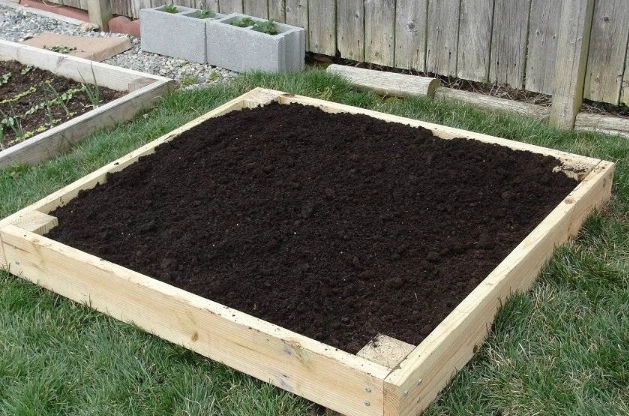
What's Inside This Guide
What Makes Soil in a Raised Bed ‘Perfect’?
Think of your raised bed soil as a three-legged stool. It needs balance. If one leg is short, the whole thing tips over.
Drainage & Aeration (The Structure Leg): This is the non-negotiable one. Garden soil from the ground is too dense. Perfect raised bed soil is fluffy. It has permanent air pockets created by inorganic materials like coarse sand, perlite, or vermiculite. When you squeeze a handful, it should hold its shape loosely then crumble easily. If it forms a tight ball, it's too wet and dense. Resources from institutions like the University of California Agriculture and Natural Resources consistently stress the importance of soil structure for preventing root rot.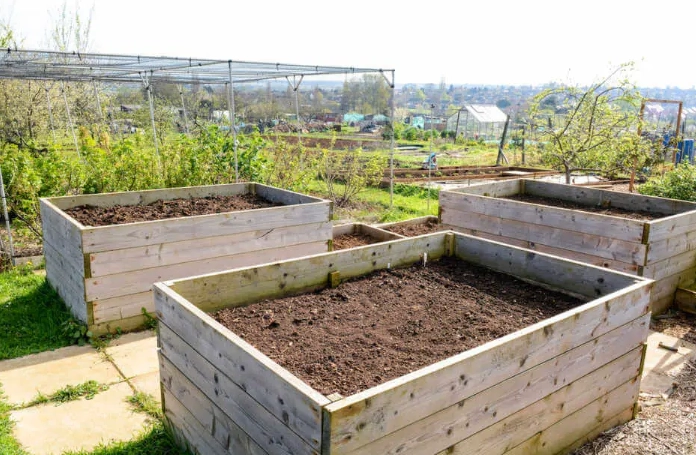
Nutrition & Biology (The Food Leg): This isn't about dumping a bag of fertilizer on top. It's about creating a buffered, living reservoir of nutrients. High-quality compost is the star here, teeming with microorganisms that break down organic matter into food your plants can actually use. It also acts like a sponge, holding moisture and nutrients right where the roots can find them.
Moisture Retention (The Sponge Leg): Contrary to popular belief, good drainage doesn't mean the soil dries out in a day. The organic matter in compost and materials like peat moss or coconut coir act as a reservoir, holding water and releasing it slowly. This means less watering for you and no stress for your plants during a hot afternoon.
Get these three elements in harmony, and you've built more than soil—you've built an ecosystem.
The 3 Most Common Raised Bed Soil Mistakes (I’ve Made Them All)
Let's save you the trouble and heartache.
Mistake #1: Using Pure Topsoil or Native Soil
This is the big one. Bagged or dug-up topsoil is designed for spreading over lawns, not for filling containers. It lacks aeration and will compact into a concrete-like slab within weeks, suffocating roots. It's also a lottery—you might get decent loam, or you might get subsoil clay full of weed seeds and pathogens.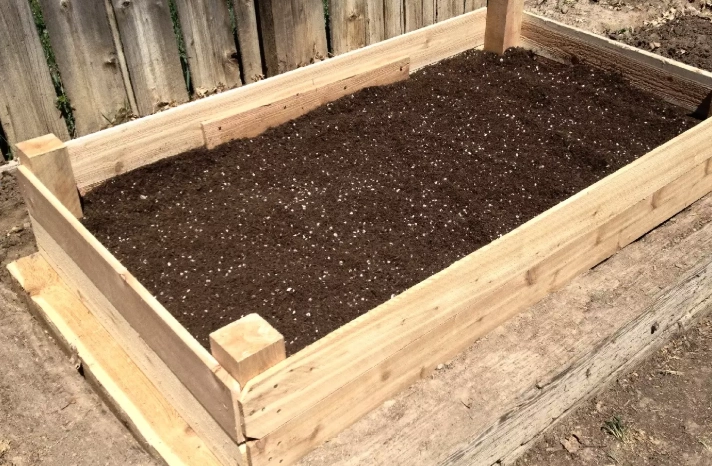
Mistake #2: The 100% Compost Bed
More compost must be better, right? Wrong. I made this error in my second bed, thinking I was being ultra-organic. Pure compost is too rich, can burn young plants with excess salts, and—here's the kicker—it decomposes and settles dramatically. By mid-season, your bed will be half full, and the compost will have compacted, losing its fluffy structure. It's also expensive to fill a whole bed with.
Mistake #3: Ignoring the “Weed Seed” and “Disease” Factor
Not all compost or topsoil is created equal. Cheap, bulk compost from municipal sources or landscape suppliers is often not fully heated to kill weed seeds and pathogens. I once spent a whole summer battling tomato blight and a forest of random weeds that came free with my "great deal" on bulk compost. Invest in quality inputs from the start.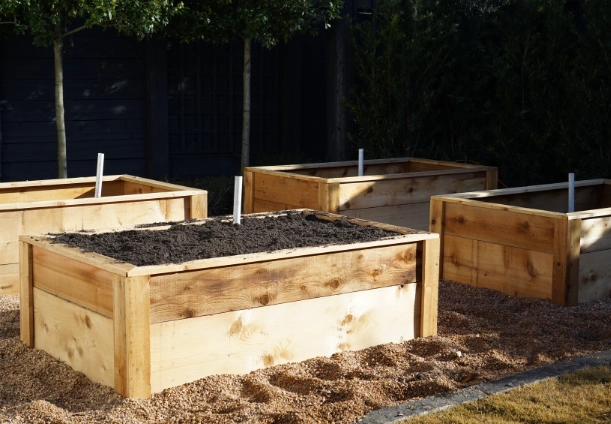
The ‘Perfect’ Raised Bed Soil Recipe (and Proven Alternatives)
Alright, let's get to the good stuff. After years of tweaking, the following recipe is my gold standard. It's often called "Mel's Mix," popularized by Square Foot Gardening, and for good reason—it works incredibly well.
| Ingredient | Volume Ratio | Primary Function | Key Notes |
|---|---|---|---|
| High-Quality Compost | 1/3 | Nutrition, Biology, Moisture | Use 2-3 different sources if possible (e.g., mushroom, worm, plant-based). Diversity is key. |
| Peat Moss or Coconut Coir | 1/3 | Moisture Retention, Loft | Coir is more sustainable and rewets easier than peat. Pre-moisten thoroughly before mixing! |
| Coarse Vermiculite or Perlite | 1/3 | Aeration, Drainage | Vermiculite also holds water/nutrients. Perlite provides better aeration. For very wet climates, lean towards more perlite. |
Mix these three components thoroughly in a wheelbarrow or on a tarp. Don't layer them in the bed.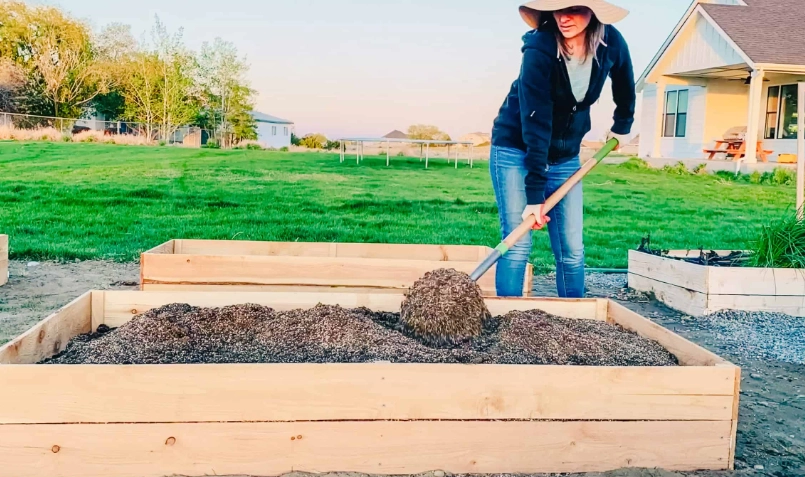
Now, this mix isn't cheap, especially for deep beds. Here are two solid, more budget-conscious alternatives:
The “50-50” Workhorse Mix: For my larger production beds, I often use a simplified blend. One part screened topsoil (buy a decent quality, sandy loam type) to one part high-quality compost. Then, I add about 10-20% by volume of aeration material (perlite is my go-to here). It's heavier than Mel's Mix but very effective and cuts cost significantly.
The “Lasagna” No-Dig Method: You build the soil right in the bed, over time. Layer cardboard (smothers grass), then alternating layers of "browns" (fallen leaves, straw) and "greens" (grass clippings, kitchen scraps). Top with 4-6 inches of finished compost/soil mix. It decomposes into magnificent soil by the next season. It's cheap, builds incredible biology, and is a fantastic way to fill deep beds.
A Deep Dive Into Each Ingredient
Compost: The Living Heart of the Soil
Not all compost is equal. Bagged compost from a garden center is usually reliable but pricey. Bulk compost needs vetting—ask if it's been hot-composted (to kill seeds) and tested. My pro tip? Source from several places. Blend a fungal-dominant compost like mushroom compost with a bacterial-rich one like composted manure or worm castings. This diversity feeds a wider range of soil life and, in turn, a wider range of plants.
Peat Moss vs. Coconut Coir: The Moisture Manager Debate
Peat moss is acidic and can be hydrophobic (water-repellant) when dry—a nightmare to re-wet in a raised bed. Coconut coir, a byproduct of the coconut industry, has a near-neutral pH, is easier to wet, and is considered more renewable. I've switched almost entirely to coir bricks. Just remember to hydrate the brick in a large tub of water before mixing; it expands dramatically.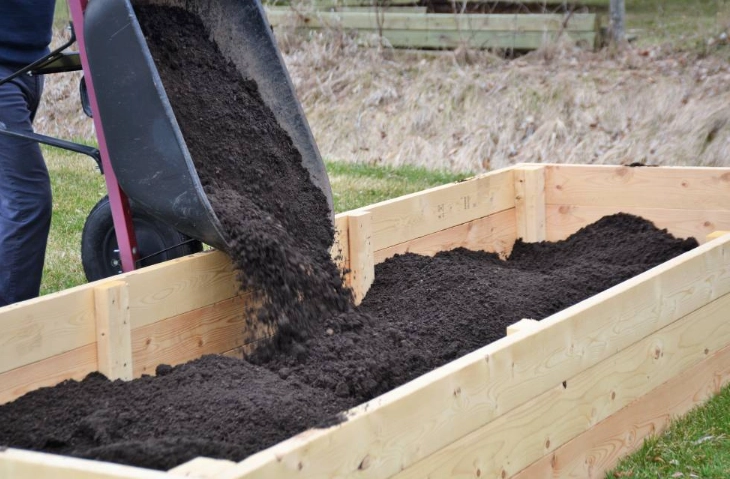
Vermiculite vs. Perlite: The Aeration Champions
This is where many gardeners get stuck. Perlite (those white, popcorn-like bits) is volcanic glass that's heated and popped. It's all about creating air space. It doesn't hold water or nutrients. Vermiculite (golden-brown flakes) is a mineral that expands when heated. It holds both water and nutrients within its layered structure.
For raised beds that need maximum drainage (like for Mediterranean herbs or in rainy climates), I prefer perlite. For beds where I'm growing moisture-loving plants like lettuces or in hot, dry climates, the extra water-holding of vermiculite is a benefit. You can even use a 50-50 blend of both.
Building and Maintaining Your Soil Ecosystem
You've mixed your perfect soil and planted your bed. You're not done. Soil is a living thing that eats.
Every fall, after pulling spent plants, I top-dress the bed with a 1-2 inch layer of fresh compost. I gently fork it into the top few inches, being careful not to destroy the soil structure and worm channels. This is the single most important maintenance task. It replenishes the organic matter that has decomposed over the season.
In spring, before planting, I do a quick check. If the soil feels at all compacted, I'll add another bucket of perlite or vermiculite per 4x8 foot bed and mix it in. I might also add a balanced, slow-release organic fertilizer based on what I'm planting, but often the compost provides enough.
Crop rotation matters even in small beds. Don't plant tomatoes in the same spot year after year. It depletes specific nutrients and can build up diseases. Follow heavy feeders (tomatoes, corn) with light feeders (beans, peas) or soil builders.
Consider cover cropping in a bed that will be empty for a season. A quick-growing crop like buckwheat or annual ryegrass protects the soil, adds organic matter when turned in, and its roots create channels for air and water. The Washington State University Extension has great guides on using cover crops in small spaces.
The One-Tool Secret: Get a decent soil fork, not a shovel. A fork is for aerating and mixing without slicing up earthworms and destroying soil aggregates. A shovel is for digging holes. This distinction changed how I care for my beds.
Your Raised Bed Soil Questions, Answered
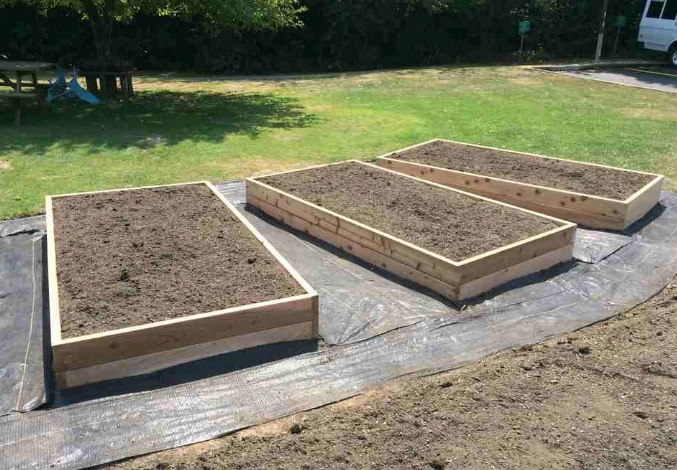
The quest for the perfect raised bed soil mix isn't about finding a single magic product. It's about understanding the principles of structure, nutrition, and moisture, then combining available materials to meet those goals. Start with a good recipe, observe how your plants respond, and don't be afraid to adjust. That soil is your garden's foundation. Invest the thought and effort there first, and everything you plant in it will thank you.
Reader Comments