Let's be honest. The dream of a thick, green, weed-free lawn often feels locked behind a wall of chemical bottles and confusing schedules. You spread fertilizer, hope for rain, and maybe see a burst of green that fades just as fast. It's a treadmill. What if I told you there's a way to step off? A method that builds your lawn from the ground up, literally, making it more resilient, more beautiful, and less needy year after year. That method is using compost for your lawn.
I've been tending my own lawn and advising neighbors for over a decade. The single biggest shift I've seen is when someone stops just feeding the grass and starts feeding the soil. Compost isn't a quick-fix product; it's a long-term soil amendment strategy. It works with nature, not against it. This guide will cut through the marketing fluff and give you the actionable steps to use compost effectively. We'll cover why it works, how to choose it, the precise way to apply it, and the mistakes almost everyone makes (so you can avoid them).
What You'll Learn in This Guide
Why Compost Works Magic on Grass
Think of your lawn's soil as a tiny, bustling city. The grass roots are the citizens, and they need water, air, and food delivered efficiently. Compacted, lifeless soil is like a city with clogged roads and broken pipes. Nothing works well. Compost is the infrastructure upgrade.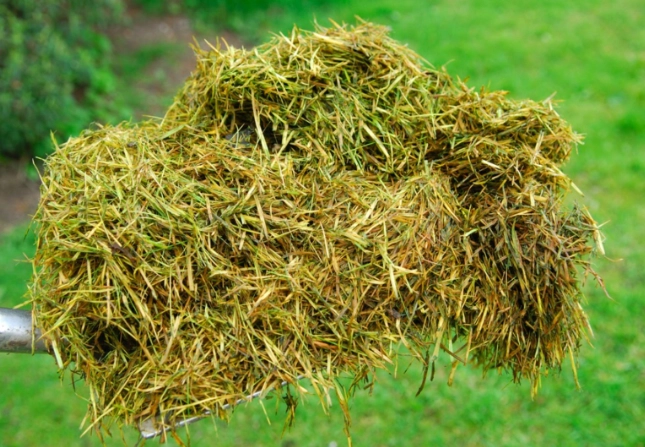
It improves soil structure dramatically. Sandy soil, which drains too fast, gets a boost in water retention from compost's organic matter. Heavy clay soil, which suffocates roots, becomes more porous and aerated. This means roots can grow deeper, accessing more water and nutrients. A deeper root system is your lawn's best defense against drought and heat stress.
Then there's the biology. A teaspoon of healthy soil contains billions of microorganisms. Compost is like a probiotic shot for your dirt. It introduces beneficial bacteria and fungi that form symbiotic relationships with grass roots, helping them absorb nutrients. These microbes also help suppress disease pathogens. It's a living system, and compost is the catalyst.
Finally, it's a slow-release nutrient source. Unlike synthetic fertilizer that gives a big, fast hit of nitrogen (often leading to excessive, weak growth), compost releases nutrients slowly as it continues to break down. This provides a steady, gentle feed that promotes strong, dense, and sustainable growth. You get fewer weeds because thick grass crowds them out, and you reduce or even eliminate your need for synthetic fertilizers.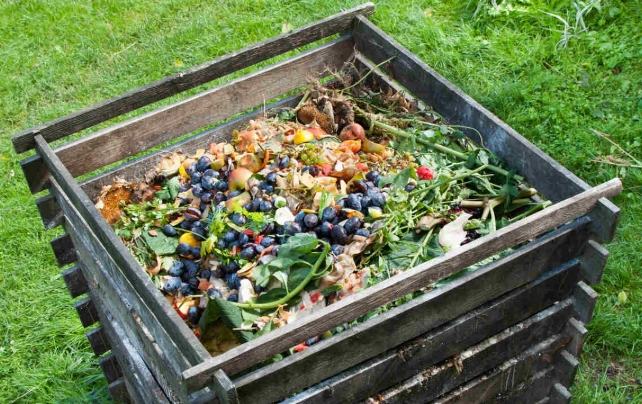
Choosing the Right Compost: A Buyer's Guide
Not all compost is created equal. The wrong type can introduce weeds, harm your grass, or do nothing at all. Here’s how to pick a winner.
Types of Compost for Lawns
You have three main sources: homemade, municipal, and commercial bagged.
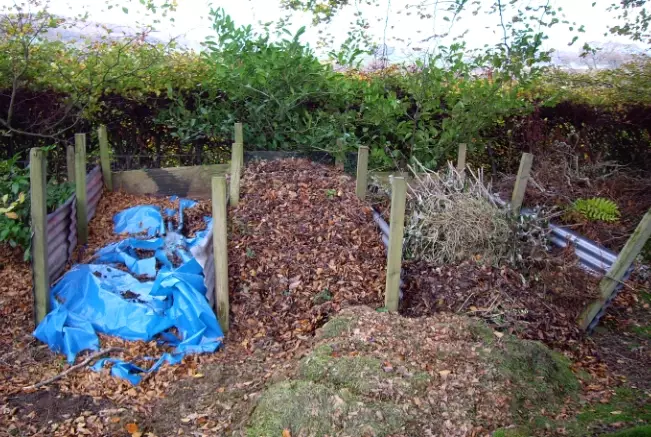
Homemade Compost is gold if done right. You control the inputs. The downside? It takes time and space. To be lawn-ready, it must be fully finished—cool, crumbly, and earthy-smelling. Unfinished compost will rob nitrogen from your soil as it continues to decompose.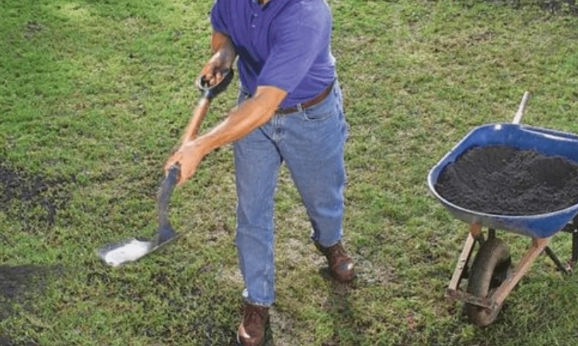
Municipal Compost is often sold by city or county waste facilities. It's usually made from yard waste (leaves, grass clippings). The quality can be inconsistent. Always ask about their screening process (to remove plastic, rocks) and if they test for herbicide residue. I've seen lawns damaged by "hot" compost from municipal piles that wasn't fully cured.
Commercial Bagged Compost is the most convenient and consistent. Look for labels like "composted manure," "composted garden waste," or "composted mushroom substrate." Read the fine print. Avoid products with a lot of visible wood chunks (too woody, not broken down enough). A good bag feels moist but not soggy, and has a pleasant, soil-like smell—not sour or ammonia-like.
Key Quality Indicators
| What to Check | What You Want | Red Flag |
|---|---|---|
| Texture & Feel | Fine, crumbly, like rich cake crumbs. No identifiable food or yard waste. | Large wood chips, slimy texture, recognizable scraps. |
| Smell | Earthy, fresh, like a forest floor after rain. | Sour, rotten, ammonia-like, or chemical odors. |
| Temperature | Cool to the touch. No warmth in the center of the pile/bag. | Feels warm or hot. This means it's still decomposing. |
| Weed Seeds | None visible. Proper composting heats up enough to kill most seeds. | You see little sprouts or recognizable weed seeds. |
The Step-by-Step Lawn Compost Application
Timing and technique are everything. This isn't about dumping and hoping.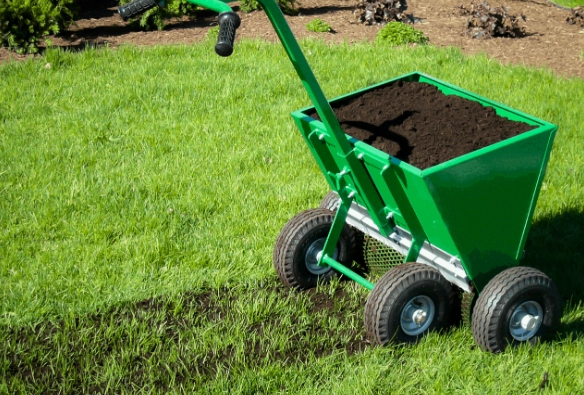
When to Apply Compost
The two absolute best times are early fall and late spring.
Fall is prime time. The grass is recovering from summer stress and focusing energy on root growth. A compost top-dressing in early fall provides nutrients for this root development and acts as a protective blanket over winter. Come spring, your lawn will green up faster and thicker.
Late spring (after the last frost and once the lawn is actively growing) is a good second application. It helps repair any winter damage and prepares the lawn for summer.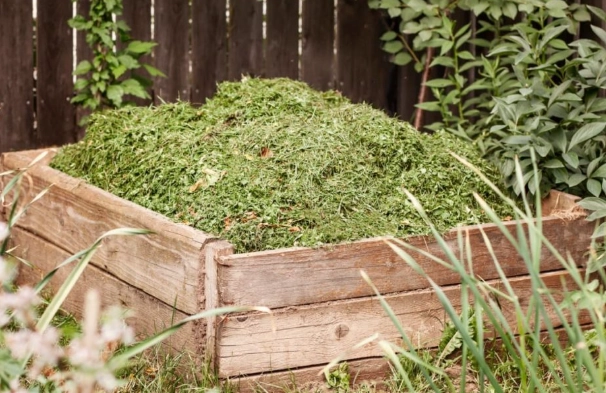
Avoid mid-summer. Applying compost in heat and drought can stress the grass. Avoid frozen or soggy winter soil.
The Application Process: Top-Dressing
- Mow Low: Start by mowing your lawn slightly shorter than usual. This helps the compost make better contact with the soil surface.
- Rake & Clean: Remove any thatch, leaves, or debris. You want the compost to touch soil.
- Calculate & Spread: You need about 1 cubic yard of compost for every 1,000 square feet of lawn to get a 1/4-inch layer. Don't eyeball it—too little does nothing, too much smothers grass. Use a broadcast spreader (set wide open) or a shovel and rake for small areas. The goal is a thin, even dusting. You should still see grass blades poking through. This is critical.
- Work It In: Use a stiff leaf rake or a lawn leveling rake to gently drag the compost down into the grass canopy so it settles at soil level. Don't rip up the grass.
- Water Gently: Water the lawn lightly. This helps settle the compost and initiates the microbial activity. Don't flood it.
That's it. You don't need to till or aerate every time, though aerating before top-dressing can give spectacular results on compacted soil.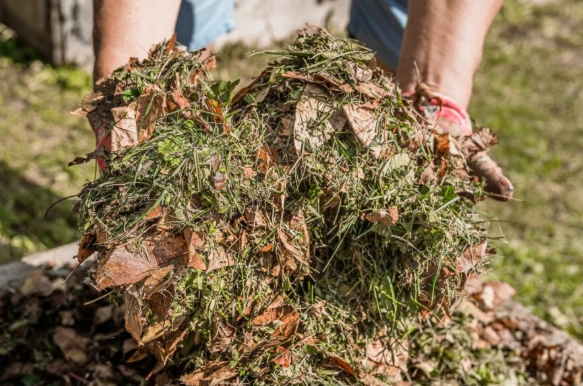
Common Mistakes & How to Sidestep Them
I've seen these errors stall people's progress for years.
Mistake 1: Using Unfinished Compost. This is the big one. If your compost is still hot or has a strong odor, it's not ready. It can burn grass roots and tie up nitrogen. Wait. Let it cure until it's cool and smells like earth.
Mistake 2: Applying Too Thickly. More is not better. A layer thicker than 1/2 inch can block sunlight and air, smothering the grass. The thin, "see-through" layer is the secret. It feeds the soil without harming the plant.
Mistake 3: Expecting Overnight Miracles. Compost is not a green paint. It's a soil builder. You might see some improvement in a few weeks, but the real benefits—deeper roots, drought tolerance, reduced fertilizer need—accumulate over seasons. Be patient. The first year lays the foundation; the second and third years are when you really see the payoff.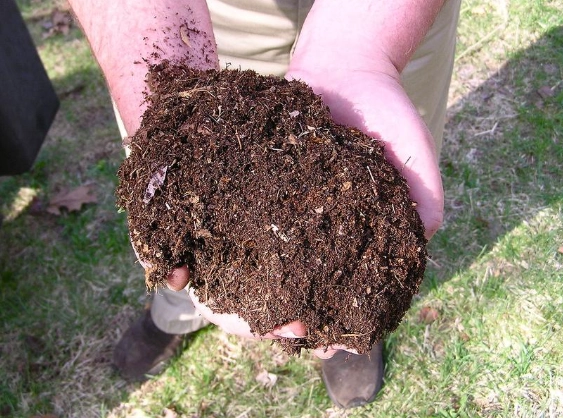
Mistake 4: Ignoring Soil pH. Compost is generally pH neutral, but if your soil is extremely acidic or alkaline, compost alone won't fix it. It's wise to get a basic soil test every few years. Compost improves the soil's ability to buffer pH, but for severe imbalances, you may need a specific amendment like lime (for acidic soil) alongside your compost program.
Your Compost Questions, Answered
Here are the questions I get asked most often, with answers that go beyond the basic advice.
Starting a compost routine for your lawn is one of the most impactful things you can do for its long-term health. It shifts your role from a constant caretaker applying quick fixes to a steward building a resilient ecosystem. Skip the chemical treadmill. Grab a bag of good compost, follow these steps, and give your grass the foundation it truly deserves.
Reader Comments