You know the cheerful red beetle with black spots. But the real workhorse in your garden, the one decimating aphid colonies by the hundreds, looks nothing like its famous parent. It looks like a tiny, spiky, alligator-shaped alien. That's the lady bug larvae, and if you're serious about organic pest control, you need to know it, protect it, and maybe even buy it.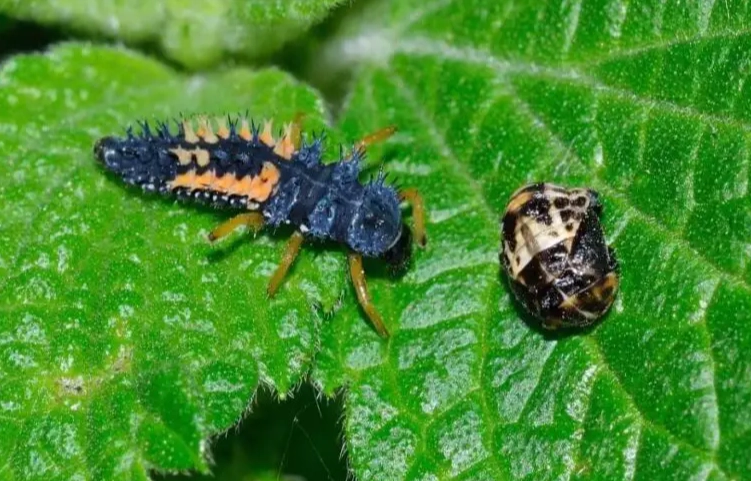
I've watched gardeners panic-spray at the sight of them, mistaking these beneficial insect larvae for pests. That mistake costs you your best line of defense. This guide is about seeing your garden through a predator's eyes.
What You'll Find in This Guide
How to Spot Lady Bug Larvae (And Not Kill Them by Mistake)
This is where most people get it wrong. The larvae are so different from the adult beetle that it's no wonder they cause confusion.
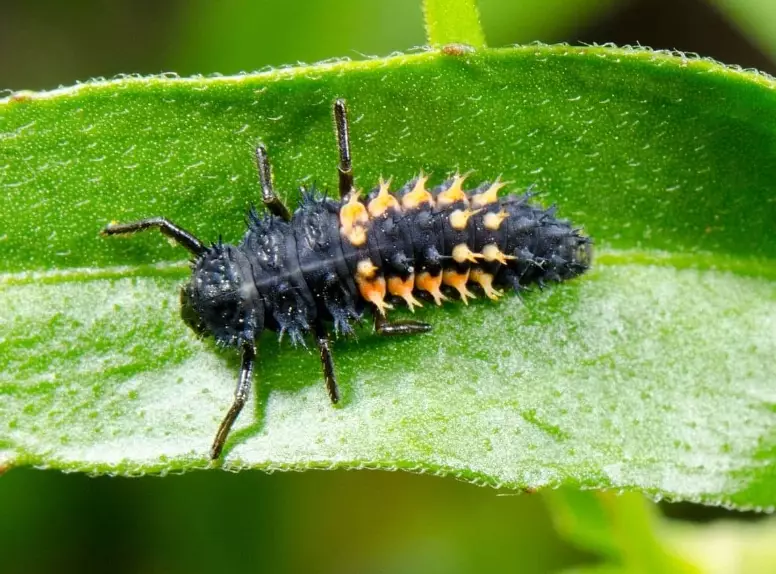
Imagine a tiny, elongated body, segmented like a miniaturized alligator, covered in little bumps or fleshy spines. They're usually dark—black, dark grey, or navy blue—with bright orange, yellow, or red markings. They move with purpose, clambering over leaves and stems in search of prey. Their head is small and often tucked down as they hunt.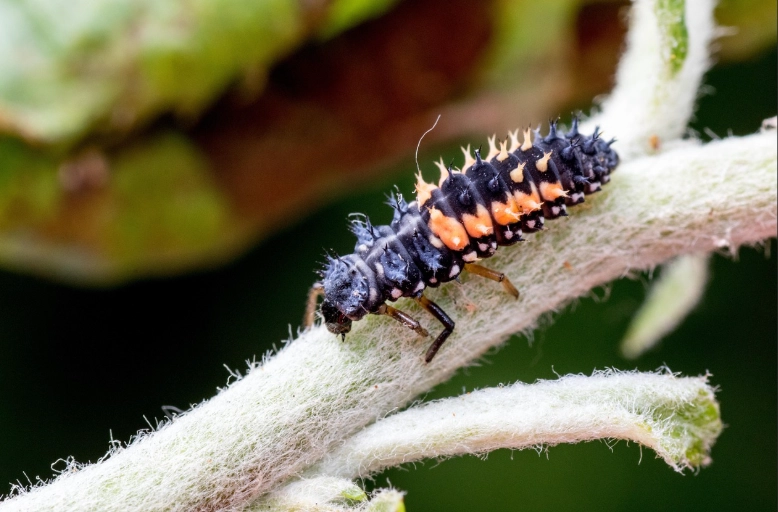
What They Are NOT: Common Imposters
This is the critical part. You don't want to be the gardener who accidentally wipes out their own pest patrol.
| Insect (Larval Stage) | How It Looks | What It Eats | Action in Your Garden |
|---|---|---|---|
| Lady Bug Larvae | Spiky/bumpy, alligator-shaped, dark with bright spots, very active. | Aphids, mites, scale insects (PESTS). | PROTECT. Your best ally. |
| Colorado Potato Beetle Larvae | Plump, smooth, hump-backed, uniform pale orange or pinkish. | Potato, eggplant, tomato leaves (YOUR CROPS). | Remove. A serious leaf-eating pest. |
| Mexican Bean Beetle Larvae | Yellowish, covered in long, branched spines (like a fuzzy caterpillar). | Bean leaves (YOUR CROPS). | Remove. Skeletonizes bean leaves. |
See the difference? The harmful larvae are often smoother, fatter, and a uniform pale color. The ladybug larvae looks armored and ready for business.
Why Larvae Beat Adult Ladybugs for Pest Control
Everyone wants to buy a bag of adult ladybugs and set them free. I get it. It feels more natural. But here's the insider perspective that most generic articles won't stress enough: larvae are the superior choice for targeted, effective control.
Think of the adult ladybug as the scout. It flies in, sees a food source (aphids), and might stick around to lay eggs if conditions are perfect. The larva that hatches is the infantry soldier. It can't fly away. Its sole purpose for the next 2-3 weeks is to eat and grow. A single larva can consume 200-300 aphids before it pupates.
When you purchase adult ladybugs from most suppliers, you're often buying beetles collected from mountain overwintering sites. Their instinct isn't to feast on your aphids; it's to disperse and find a new place to hibernate. That's why they famously fly away within a day or two. Larvae have no such option. You place them on an infested plant, and they get to work immediately. They're a direct, localized application of pest control.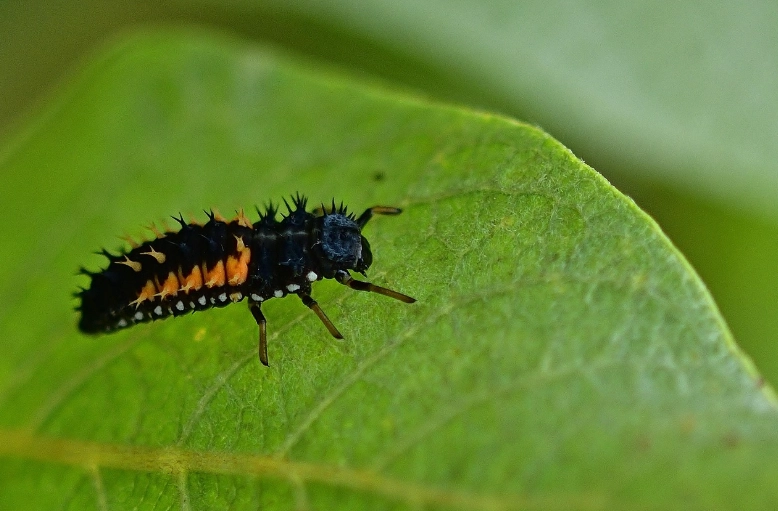
A 3-Step Plan to Attract Them Naturally
Buying larvae is great for an emergency infestation. But the real goal is to create a garden where they show up on their own and decide to stay. It's about ecosystem management, not just pest reaction.
1. Provide the Food (But Manage It)
You need a prey base. This is the hardest pill for neat-freak gardeners to swallow: you must tolerate some aphids. Don't reach for the spray bottle at the first sign of a few sap-suckers. A small, early-season aphid population is the dinner bell that attracts adult ladybugs to your garden to lay eggs. If you wipe out all the food, the scouts have no reason to stop.
2. Offer Shelter and Water
Adult ladybugs need places to hide from their own predators and to ride out bad weather. Dense plantings, perennial herbs, shrubs, and even a simple "bug hotel" with hollow stems and pine cones can provide refuge. A shallow dish with pebbles and water gives them a drinking spot without drowning.
3. Plant the Right "Nursery" Plants
Certain plants are magnets for aphids, which in turn attract ladybugs. It sounds counterintuitive, but planting a few sacrificial or trap crops can focus the action. I always have a few nasturtiums or sunflowers at the garden's edge. They get aphids early, which draws in the ladybugs. By the time the ladybug population builds up, they move on to protect my veggies. Plants like dill, fennel, yarrow, and calendula also provide pollen and nectar for the adult beetles, encouraging them to stick around.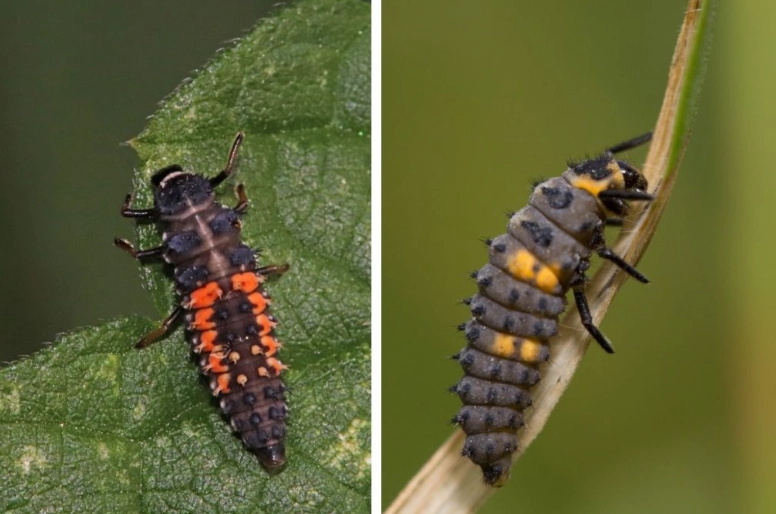
The Realistic Guide to Buying and Using Larvae
So your rose bush is drowning in aphids and you need reinforcements now. Buying larvae is a fantastic solution, but you have to do it right.
Where to Buy: Reputable online suppliers like Nature's Good Guys, Arbico Organics, or Evergreen Growers Supply are good starting points. Don't just pick the cheapest; check reviews about live delivery guarantees.
What You'll Get: They typically arrive in a small vial or container with a bran or vermiculite carrier. The larvae are tiny, maybe 1-3 mm long. They might look inactive or even dead—this is normal. They conserve energy during shipping.
The Release Protocol (This is Critical):
- Time it: Release them in the early morning or late evening, not in the hot midday sun.
- Check the buffet: Only release them on plants with an active, visible aphid infestation. No food = dead or departed larvae.
- No chemicals: Have you sprayed that plant with anything in the last 7-10 days? Even organic sprays like insecticidal soap or neem oil can harm the delicate larvae. If you have, wait.
- Dampen the leaves: Lightly mist the plant with water first. It gives them a drink and helps them cling to the foliage.
- Distribute: Gently sprinkle a few larvae at the base of the plant and on infested stems. Let them climb up to the buffet.
I made the mistake once of dumping a whole vial on one plant. It was overkill. The larvae ate all the aphids in two days and then most starved before they could find new food. A light, strategic distribution is smarter.
The 3 Most Common Mistakes (And How to Avoid Them)
After years of talking to fellow gardeners and trialing methods myself, these are the errors I see over and over.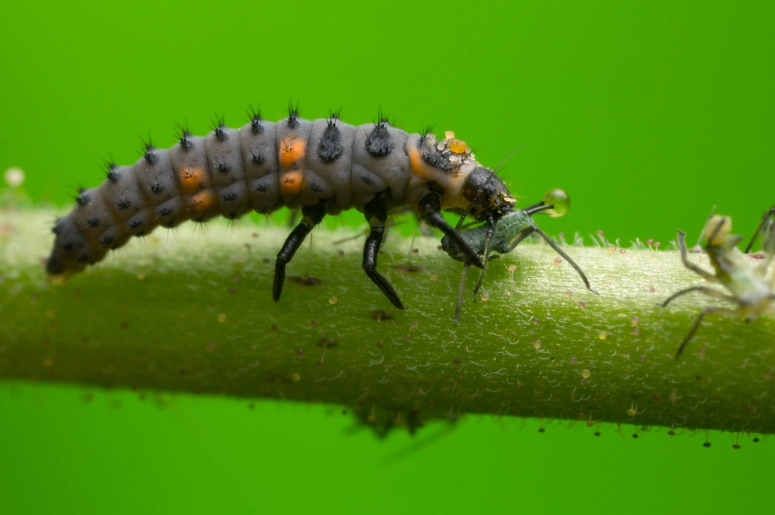
Mistake 1: The "Scorched Earth" Approach to Pests. You see one aphid and you spray. You kill the aphid, but you also kill any tiny, nearly invisible ladybug eggs or freshly hatched larvae. You break the natural cycle before it can even start. Solution: Monitor, don't massacre. Use a strong spray of water to knock aphids off first, and only intervene if the population explodes.
Mistake 2: Releasing Beneficials into a Hostile Environment. Releasing ladybug larvae onto plants dripping with chemical residue or in a garden with zero shelter is like dropping soldiers into a battlefield with no weapons or cover. Solution: Build the habitat first, then add the troops.
Mistake 3: Misidentification. This is the big one. That spiky little black and orange thing is not eating your beans. It's hunting the bugs that are eating your beans. Solution: Use the identification guide above. When in doubt, isolate it on a leaf in a jar with a few aphids. If it eats them, it's a friend.
The goal isn't a pest-free garden. That's an impossible and ecologically barren standard. The goal is a balanced garden where pests are managed below damaging levels by their natural predators. Lady bug larvae are one of the most efficient predators you can recruit.
They turn pest problems into predator solutions. You just have to know how to spot them, keep them happy, and get out of their way.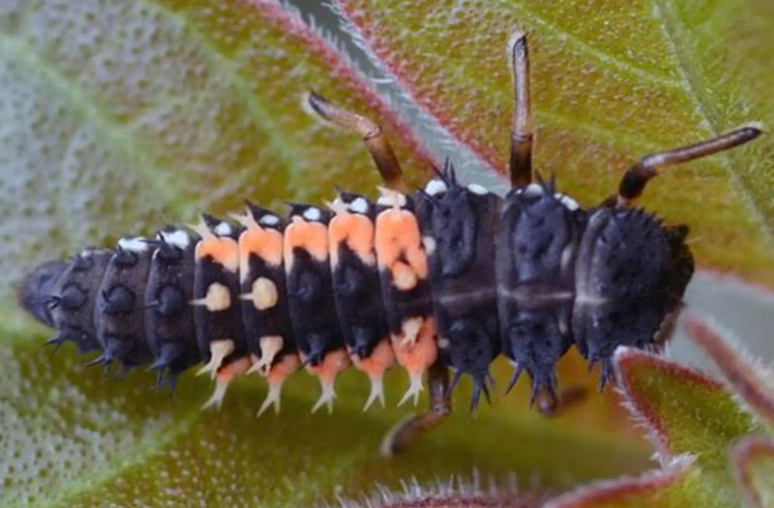
 What's the single most effective thing I can do to get ladybugs to stay and lay eggs in my garden?
Reader Comments