You’re out in the garden, checking your milkweed, and there it is. A tiny, striped eating machine. A monarch caterpillar. It’s a moment of pure magic, but it’s often followed by a wave of panic. What do I do now? Is it okay? How do I not kill it?
I’ve been there. I’ve also made the mistakes—the heartbreak of finding a caterpillar limp and black, the frustration of a chrysalis that never opens. After years of raising hundreds from egg to butterfly, I’ve learned what works and, more importantly, what doesn’t. This isn’t just a list of facts. It’s a field guide from someone who’s cleaned up a lot of frass (caterpillar poop, you’ll get used to the word).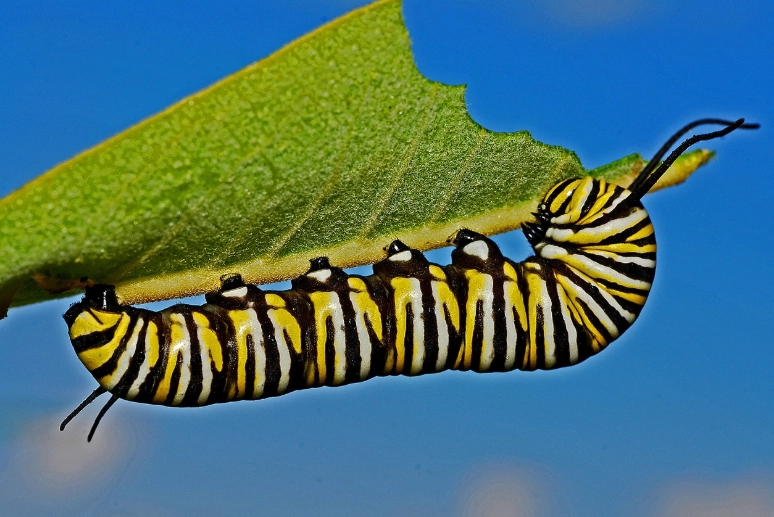
What’s Inside?
How to Find Monarch Caterpillars in the Wild
Forget random searching. Be a detective. Monarch butterflies lay their eggs on milkweed, and only milkweed. That’s the one non-negotiable rule. Your hunt starts there.
Look for plants in sunny, open areas. Check the undersides of leaves, especially newer, tender leaves near the top of the plant. The egg is a creamy white, shaped like a tiny barrel with vertical ridges. It’s smaller than a pinhead. A female will often lay just one egg per leaf, sometimes per plant, to spread out her offspring.
Now, the caterpillar. Early stages (1st and 2nd instar) are masters of camouflage. They’re pale, waxy, and look more like bird droppings than a future butterfly. Look for tiny holes in the leaves. That’s your best clue. A perfectly round hole about the size of a hole punch means a very small caterpillar is nearby. Ragged, larger eaten areas mean a bigger, hungrier resident.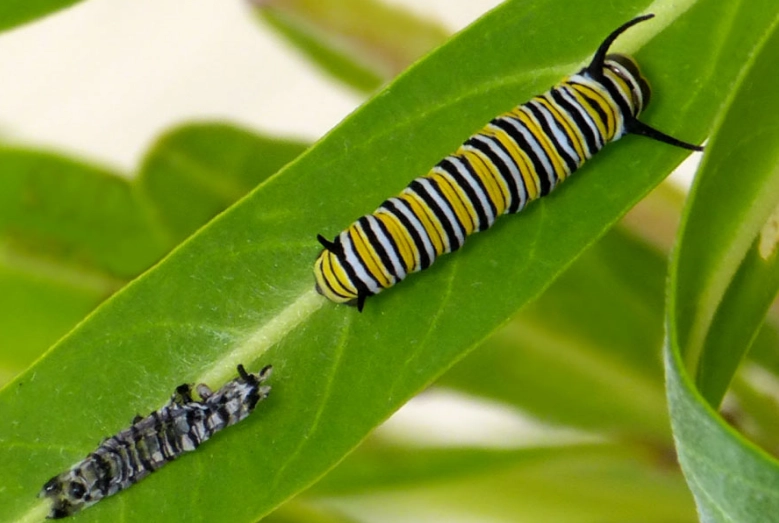
The 5 Stages (Instars) of a Monarch Caterpillar
They don’t just get bigger. They transform dramatically between each molt. Knowing these stages helps you understand what’s normal and what might be wrong.
| Instar | Approx. Length | Key Features & Behavior | Duration |
|---|---|---|---|
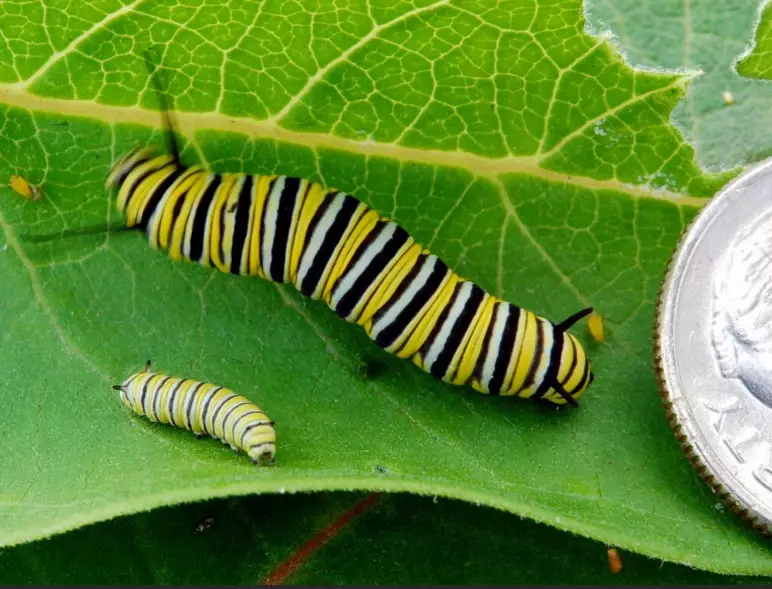
| 1st | 2-6 mm | Pale gray/white, looks waxy. Eats a tiny circular window in the leaf, leaving the clear top layer (epidermis). | 1-3 days |
| 2nd | 6-9 mm | Distinct yellow, black, white bands start to form. Eats entire leaf layer, creating small holes. | 1-3 days |
| 3rd | 10-14 mm | Bands become vivid. Black tentacles (filaments) at front and rear are visible. Eats from leaf edges. | 1-3 days |
| 4th | 13-25 mm | Large, robust, and a voracious eater. You’ll notice the frass pellets getting bigger. | 1-3 days |
| 5th | 25-45 mm | The final, familiar stage. Plump with stunning bands. Will wander off milkweed to pupate. | 3-5 days |
Between each stage, the caterpillar will become still, often attaching its rear to a leaf with silk. Its head might look enlarged and dull. Do not disturb it during this time. It’s molting, splitting its old skin and crawling out. It will often eat the shed skin afterward for nutrients. This is a critical period of vulnerability.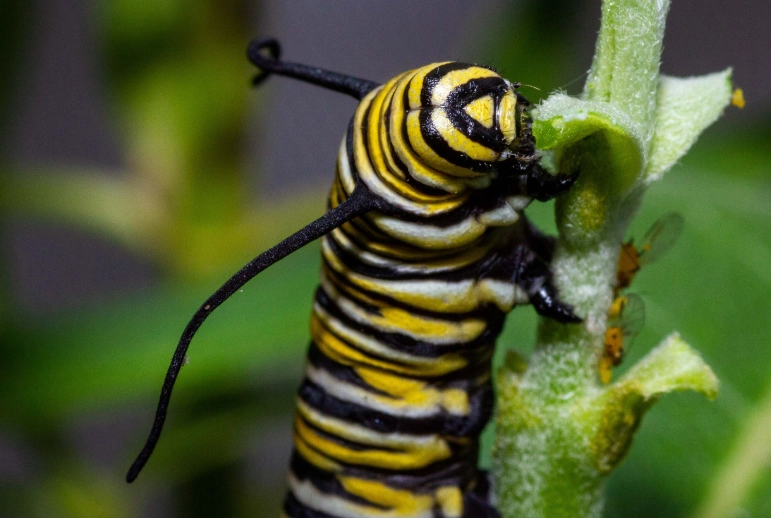
Setting Up a Safe Caterpillar Habitat: A Step-by-Step Guide
You’ve found one. Should you bring it inside? It can dramatically increase its survival rate by protecting it from predators (wasps, ants, birds) and parasites. Here’s how to set up a simple, effective home.
The Container
A clean, large glass jar with a mesh or breathable fabric cover secured with a rubber band works for one or two caterpillars. For more, use a clear plastic storage container (like a 10-gallon shoebox size). Use a soldering iron to melt dozens of small ventilation holes in the lid and upper sides—don’t use scissors, the sharp plastic edges can cut them.
The Setup
Line the bottom with a paper towel. Change it daily. This is non-negotiable for hygiene. Frass and old leaves mold quickly, creating a toxic environment. Place a small, stable vial of water in the center and put your milkweed stems in it. Seal the vial opening with cotton wool or plastic wrap with a hole poked in it. This keeps caterpillars from falling in and drowning. Arrange the leaves so they aren’t touching the container walls where condensation forms.
What Do Monarch Caterpillars Eat? (It’s Not Just Any Milkweed)
This is the most important section. Get this wrong, and nothing else matters.
Monarch caterpillars are obligate specialists on plants in the Asclepias (milkweed) genus. They cannot eat anything else. But not all milkweeds are equal.
Native milkweeds (like Common, Swamp, Showy) are the best choice. They are the co-evolved food source. Tropical milkweed (Asclepias curassavica) is common in gardens but is problematic. It can harbor high levels of the Oe parasite, which infects and weakens caterpillars and butterflies. If you use it, cut it back to the ground in the fall to disrupt the parasite cycle. The Xerces Society, a leading invertebrate conservation group, has extensive resources on this.
Where you get your milkweed is critical. Never, ever harvest from roadsides (herbicide drift) or buy from a standard nursery without asking about pesticides. Many nurseries use systemic neonicotinoids. These pesticides are taken up by the entire plant and can remain toxic for years. They don’t kill the caterpillar immediately; they cause slow neurological damage, failed molts, or death in the chrysalis. It’s a silent killer. Grow your own from seed or find a trusted source that grows pesticide-free plants specifically for wildlife.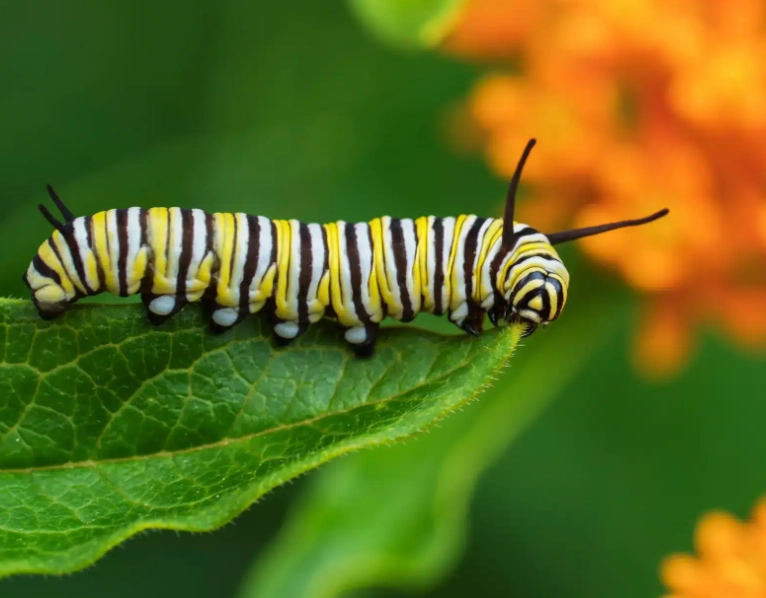
How to feed? Provide more fresh leaves than they can eat. Replace leaves every day or when they look dried out or covered in frass. In the final 5th instar, a single caterpillar can eat an entire large leaf in a day. Be prepared.
Common Problems & How to Solve Them
Things will go wrong. Here’s your troubleshooting guide.
The caterpillar is limp, hanging in a straight line, not moving. This is often a sign of a bacterial or viral infection, frequently from contaminated food or a dirty environment. It’s usually fatal. Isolate it immediately from any others. The best action is prevention: clean container, fresh food, no overcrowding.
Black dots or a dark patch on the caterpillar. Could be frass stuck to it (gently brush it off with a soft paintbrush). If the spot is part of its skin, it might be the Black Death (Nuclear Polyhedrosis Virus). Again, isolate. There’s no cure.
Tiny white/cream rice-like objects on the caterpillar’s back. These are the pupae of parasitic tachinid flies. The caterpillar is doomed. It’s a hard lesson in why raising them indoors can boost survival rates. Remove it from the habitat to prevent the flies from emerging and infesting others.
It fell from the top. They are surprisingly resilient. If it’s moving normally, just place it back on a fresh leaf. If it’s injured (leaking green fluid), the prognosis is poor.
The Big Event: Pupation and Chrysalis Care
The 5th instar caterpillar will stop eating. Its body may look slightly shriveled. It will wander relentlessly. This is the pre-pupation walk. Ensure your habitat has a sturdy ceiling or vertical sticks for it to attach to.
It will spin a silk pad, latch on with its rear end (cremaster), and hang in a beautiful ‘J’ shape. This lasts for about 12-24 hours. Then, in a matter of minutes, it will straighten, split its skin one last time, and wiggle violently to form the iconic jade-green chrysalis with gold dots. It’s mesmerizing to watch.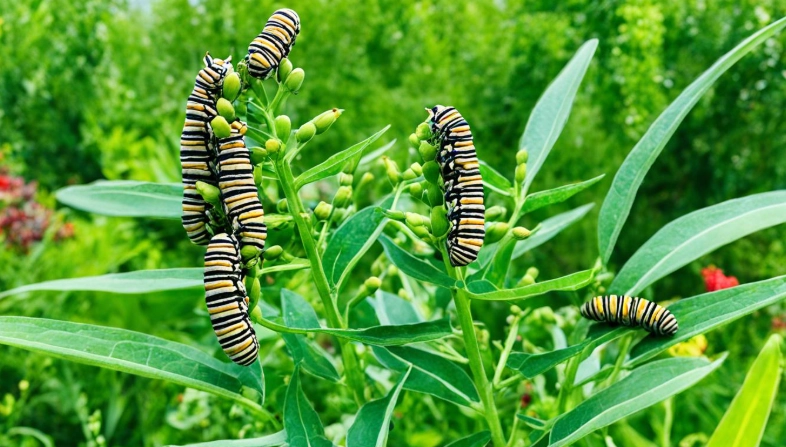
Once formed, do nothing. Don’t move the chrysalis. Keep the habitat clean and at room temperature. In 10-14 days, the chrysalis will turn dark, then transparent, revealing the orange and black wings inside. The butterfly will emerge, hang to pump up its wings, and be ready for release in a few hours.
Release it on a warm, dry day when flowers are open. Place it on a native flower or in a sunny spot and let it fly when ready.
 What is the most common fatal mistake when raising monarch caterpillars?
Reader Comments