Let's be real. Gardening can be hard. You till the soil, fight the weeds, deal with clay or rocks, and bend over until your back aches. What if there was a way to skip most of that and get straight to the fun part—growing delicious food and beautiful flowers? That's the promise of raised bed gardening. It's not just a trend; it's a smarter way to grow, especially if your native soil is more suited for pottery than potatoes. I switched to raised beds over a decade ago, and honestly, I'd never go back to traditional in-ground plots.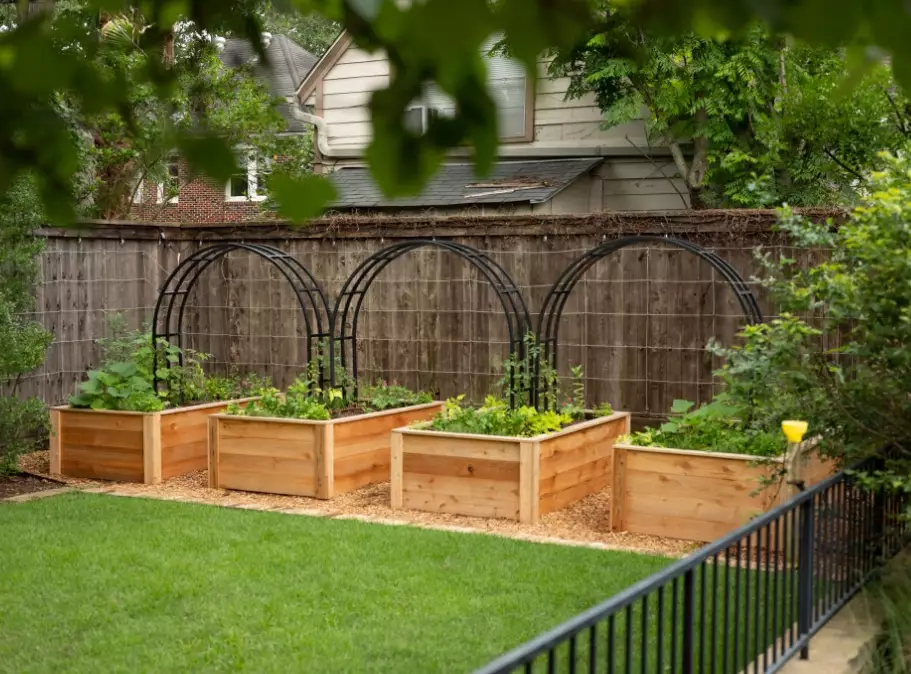
What's Inside This Guide?
Why Raised Beds Win: The Core Benefits
Think of a raised bed as a giant, managed container for your plants. You control everything inside it. Here's what that control gets you: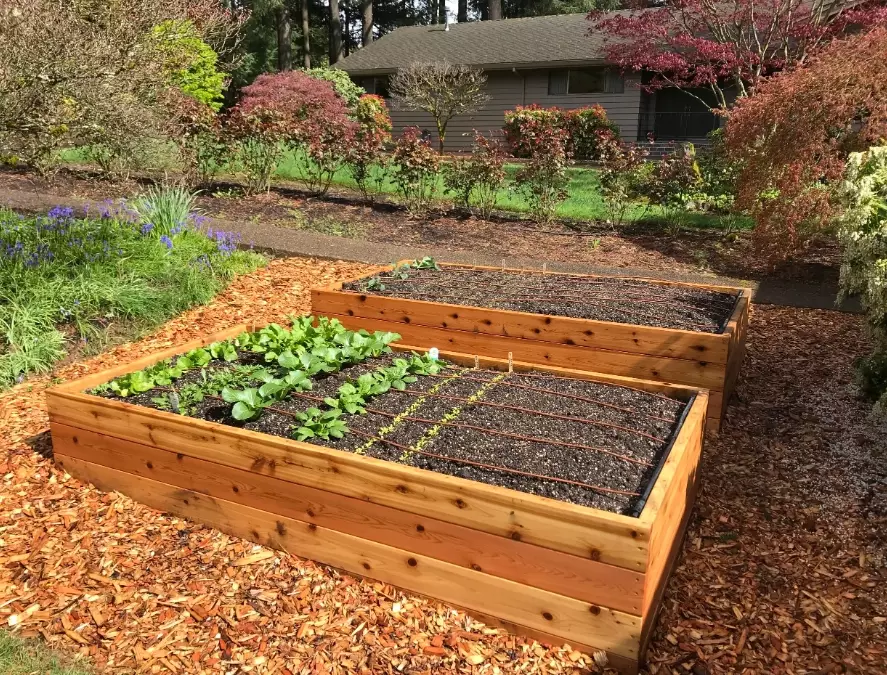
Superior Soil, Immediately. You're not stuck with whatever dirt you have. You fill the bed with a perfect, loose, fertile mix from day one. This means incredible drainage (no more waterlogged roots) and a dream environment for roots to spread.
Warmer soil earlier in spring. The soil in a raised bed warms up faster than the ground. This can give you a head start of weeks for planting cool-season crops like lettuce and peas. You'll be harvesting while your neighbors are still waiting for their ground to thaw.
Weed and pest control. Starting with clean soil means far fewer weed seeds. The defined edges also make it harder for invasive grass to creep in. For burrowing pests like gophers, a simple hardware cloth layer at the bottom is a foolproof barrier.
Accessibility and less strain. This is a huge one. By building beds that are 18-24 inches high, you can garden without bending over. For anyone with back issues or mobility challenges, it's a game-changer. Even if you're fit, your knees will thank you.
I remember my first garden—a 20x20 foot patch of compacted clay. Every spring was a battle with a tiller. My first 4x8 foot raised bed, built in a weekend, produced more food with a tenth of the effort. The difference wasn't subtle.
How to Build a Raised Bed: A Step-by-Step Guide
You don't need to be a master carpenter. A simple rectangular box is all it takes. Let's build a standard 4-foot by 8-foot bed, about 18 inches tall. This width lets you reach the center from either side without stepping in.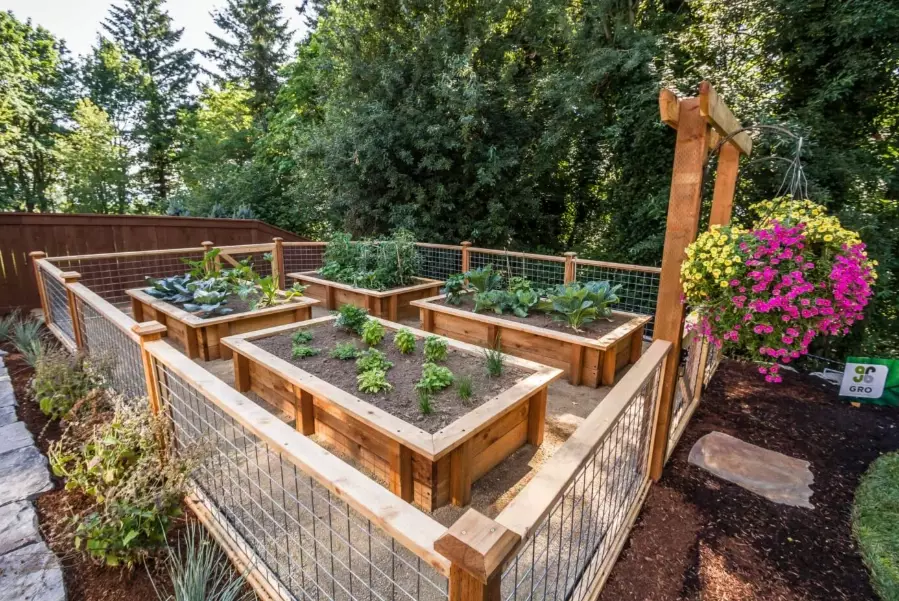
Step 1: Choose Your Location and Materials
Location: Pick a spot with at least 6-8 hours of direct sun for vegetables. Ensure it's level and has easy access to water.
Materials:
- Wood: Untreated cedar or redwood is naturally rot-resistant but pricey. Modern pressure-treated lumber (post-2003) is considered safe, but if you're concerned, line the interior with heavy-duty plastic. Avoid old railroad ties or chemically treated wood.
- Dimensions: Get (6) 2"x12"x8' boards. We'll cut two of them in half for the 4-foot ends.
- Hardware: 3.5" or 4" exterior-grade deck screws. Galvanized corner brackets (optional, for extra strength).
- Tools: Saw, drill, tape measure, level, shovel.
Step 2: Cut and Assemble the Frame
Cut two of the 8-foot boards in half, giving you four 4-foot pieces. You now have four 8-foot boards (sides) and four 4-foot boards (ends).
Lay two 8-foot boards parallel on a flat surface. Place a 4-foot board across each end to form a rectangle. Pre-drill holes to prevent splitting, then screw the ends to the sides using three screws per joint. Repeat to build a second identical layer. Stack the second layer on top of the first, offsetting the seams for strength, and screw them together. This gives you an 18" tall wall (two 2x12s).
Step 3: Site Prep and Placement
Clear the area of grass and weeds. You can smother them with cardboard instead of digging—a core tenet of no-till gardening. Place your assembled frame in position. Use a level to make sure it's even in all directions. A slightly unlevel bed leads to uneven watering.
Step 4: The Critical Bottom Layer
This is where many go wrong. Do not skimp here. If you have gophers or are placing the bed on a lawn, staple a layer of 1/4" hardware cloth to the bottom of the frame. This keeps pests out forever. Then, lay down flattened cardboard over the grass inside the frame. It will kill the weeds beneath and decompose.
That's it. The physical structure is done. The next part—filling it—is what truly makes or breaks your garden.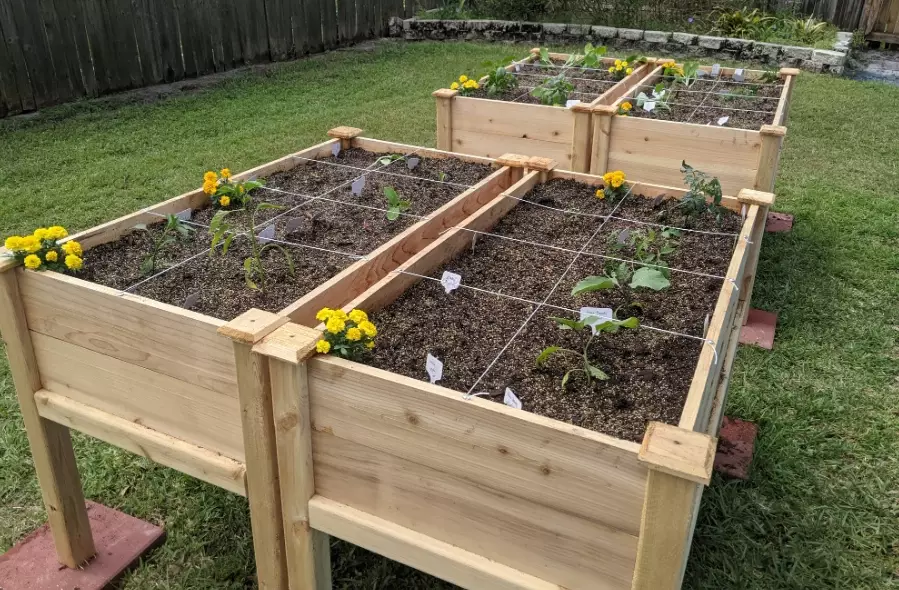
Soil & Planting: The Foundation of Success
Filling a 4x8x1.5' bed requires about 32 cubic feet of soil. Buying bags gets expensive fast. I recommend getting a bulk delivery from a local garden center or landscape supply company. It's cheaper and you can specify the mix.
The Perfect Raised Bed Soil Recipe
You want a mix that retains moisture but drains excess water, is rich in organic matter, and is loose for root growth. Here's my go-to recipe, often called "Mel's Mix" popularized by Square Foot Gardening:
- 1/3 Peat Moss or Coconut Coir: For moisture retention. Coir is a more sustainable alternative.
- 1/3 Vermiculite: This is the magic ingredient. It aerates the soil and holds water and nutrients where roots can access them. Don't substitute perlite; it floats to the top.
- 1/3 Blended Compost: Use several different sources (mushroom, worm castings, homemade, manure-based) to ensure a broad spectrum of nutrients and microbes.
Pro-Tip: If a custom mix is too costly for your first bed, a good compromise is to fill the bottom third with a bulk "garden blend" topsoil and the top two-thirds with a premium raised bed potting mix from bags. Just ensure everything is loose and not clumpy.
Planning and Planting Your Raised Bed
The small space forces efficiency. Forget single rows with wasted pathways. Use intensive planting methods: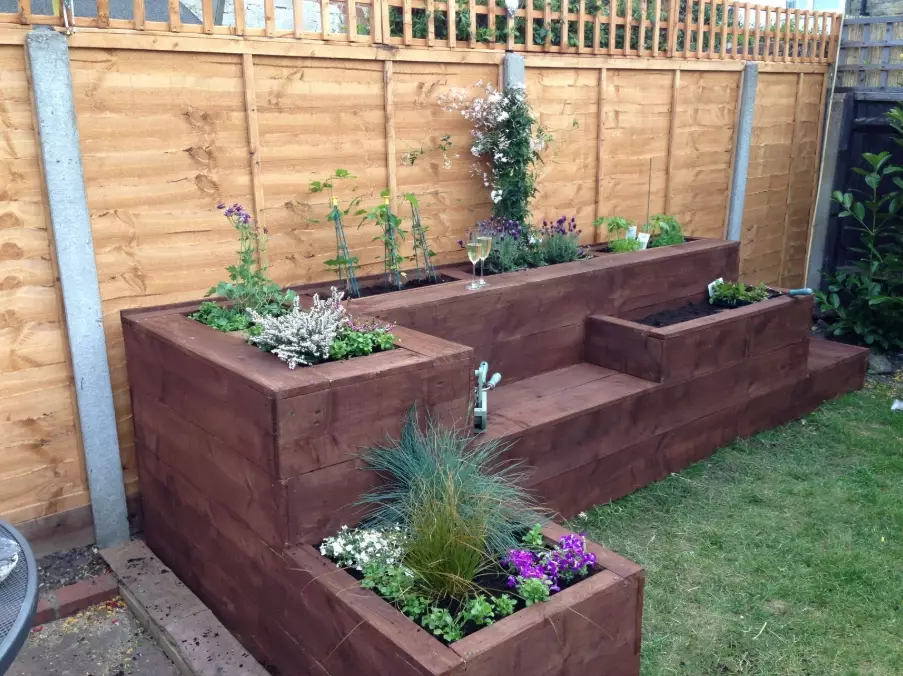
- Square Foot Gardening: Divide the bed into 1-foot squares. Plant a different number of seeds or plants in each square based on their size (e.g., 1 tomato, 4 lettuce, 9 carrots per square).
- Companion Planting: Grow plants together that benefit each other. Basil with tomatoes, marigolds throughout to deter pests, carrots with onions.
- Succession Planting: When one crop finishes (like spring radishes), immediately plant something else (like bush beans) in that spot.
| Crop | Recommended Spacing in Raised Bed | Notes |
|---|---|---|
| Tomatoes | 1 plant per 1-2 sq ft (caged/staked) | Indeterminate varieties yield all season. |
| Lettuce/Spinach | 4-6 plants per sq ft | Harvest outer leaves for "cut-and-come-again." |
| Carrots/Radishes | 16 per sq ft | Plant seeds directly; thin seedlings. |
| Peppers/Eggplant | 1 plant per 1-2 sq ft | Love the warm soil. |
| Bush Beans | 9 per sq ft | High yield in small space. |
Keeping It Thriving: Maintenance Tips
Raised beds are lower maintenance, but not no-maintenance.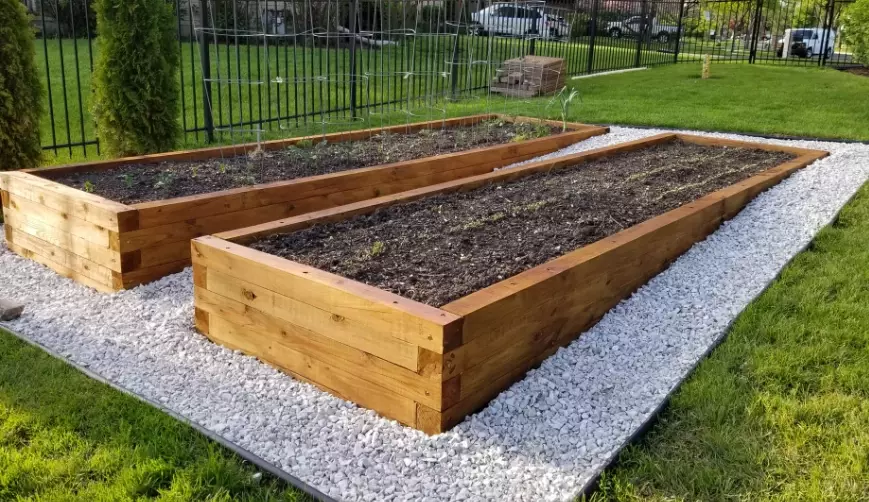
Watering: They drain well, so they dry out faster than in-ground gardens. Drip irrigation or a soaker hose on a timer is the best investment you can make. It delivers water directly to the soil, conserving water and preventing leaf diseases. Hand watering is fine, but be consistent—check soil moisture by sticking your finger in an inch deep.
Feeding: Your rich soil will feed plants for a while. By mid-season, add nutrition. I side-dress with compost or use an organic, balanced liquid fertilizer every 3-4 weeks. Avoid harsh synthetic fertilizers; they can harm the soil life you've worked to build.
Mulching: Always mulch! A 2-inch layer of straw, shredded leaves, or wood chips keeps soil moist, cool, and blocks weeds. It's the finishing touch that saves you hours of work.
End-of-Season Care: In fall, pull spent plants. Add a fresh inch of compost on top and maybe sow a cover crop like winter rye to protect the soil. Or simply mulch it heavily and let it rest. No tilling needed—ever.
Your Raised Bed Questions, Answered
Can I put a raised bed garden on a concrete patio or driveway?
Yes, it's a fantastic way to garden in urban spaces. The key is ensuring adequate drainage. Don't place the bed directly on sealed concrete; elevate it slightly with bricks or pressure-treated wood risers at the corners. Drill a few extra drainage holes in the bottom boards. Use a high-quality, well-draining soil mix, as water won't percolate into the ground below. Be more vigilant about watering, as these beds can dry out faster, especially in full sun.
What is the biggest mistake beginners make when filling a raised bed?
The most common and costly error is not filling the bed completely with high-quality soil. Many people put a layer of cheap topsoil or, worse, native clay at the bottom to save money, thinking the plants won't reach down that far. This creates a 'perched water table'—water saturates the good soil above but can't drain through the dense layer below, leading to waterlogged roots and rot. Always fill the entire depth with your prepared, loose, fertile mix. Your plants' roots will use every inch.
How do I keep weeds out of my raised bed garden permanently?
Prevention is 90% of the battle. Before adding soil, lay down a barrier of cardboard or 3-4 sheets of newspaper over the grass or weeds underneath. This smothers them effectively. For ongoing control, never let weeds go to seed. Mulch heavily with 2-3 inches of straw, shredded leaves, or wood chips after planting. This blocks light from weed seeds. The beauty of raised beds is that you never walk on and compact the soil, so any weeds that do appear are incredibly easy to pull from the loose medium.
Is cedar the only safe wood for building raised garden beds?
Cedar and redwood are top choices for natural rot resistance, but they're expensive. Pressure-treated lumber sold after 2003 is generally considered safe for vegetable gardens, as it uses copper-based preservatives instead of arsenic. For absolute peace of mind, line the interior walls with heavy-duty polyethylene plastic (like a pond liner) to create a barrier between the wood and soil. More affordable options include untreated Douglas fir or pine, knowing they'll last 5-7 years, or using composite lumber or corrugated metal for a longer-lasting, modern look.
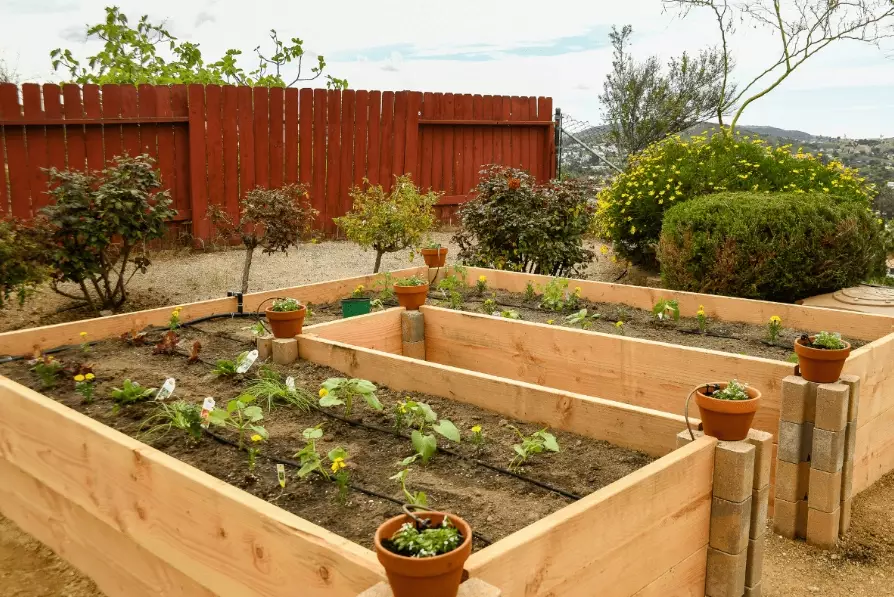 The initial weekend of work to build and fill a raised bed pays dividends for years. You get control, better yields, and a garden that's simply more enjoyable to work in. Start with one 4x8 bed. Grow a salad, some herbs, and a couple of tomato plants. You'll see the difference immediately, and chances are, you'll be planning your next bed before the season is over.
Reader Comments