Let's talk about green beans. Of all the vegetables you could start with in your garden, they're arguably the most forgiving and generous. You get a lot of food for not a lot of work. I've been growing them for over a decade in everything from sprawling backyard plots to containers on a sunny balcony, and they've rarely let me down. They're fast, productive, and the taste of a bean you picked five minutes ago is nothing like the one from the store. It's crisper, sweeter, and has a distinct "green" flavor that's hard to describe until you've tried it.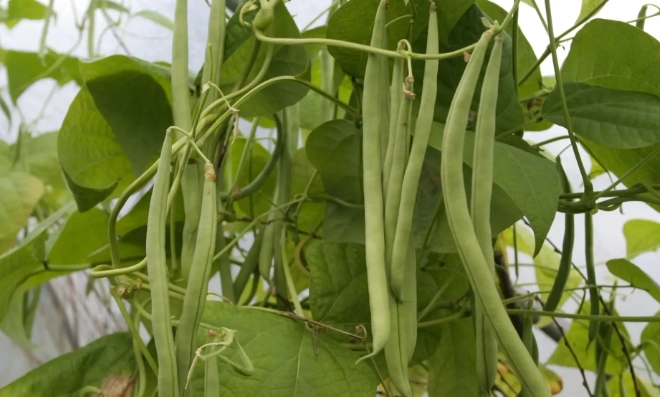
But even with an easy plant, there are nuances. Getting a few beans is simple. Getting a continuous, heavy harvest requires knowing a few tricks that most basic guides skip over. We're going to cover all of it—the straightforward basics and the expert-level tweaks that make the difference between a modest snack and a basketful of bounty.
What's in This Guide?
- Why Green Beans Are a Garden Must-Have
- Step 1: Pick Your Bean (It Matters More Than You Think)
- The Planting Process: From Seed to Soil
- Care and Feeding: Water, Weeds, and Support
- The Art of the Harvest (and What to Do After)
- Troubleshooting: Fixing Common Bean Problems
- Your Green Bean Questions, Answered
Why Green Beans Are a Garden Must-Have
First, let's address the "why." If you're short on space or time, green beans deliver a high return on investment. They fix their own nitrogen from the air, which means they need less fertilizer than, say, tomatoes or corn. They germinate quickly—you'll see sprouts in a week. And most varieties go from seed to your plate in about 50 to 60 days.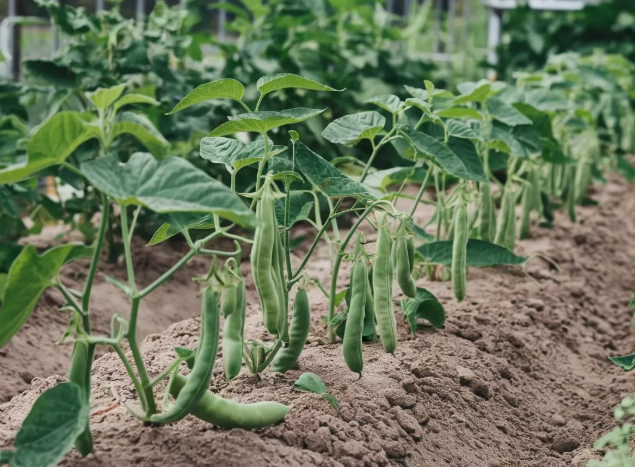
There's a psychological win, too. That quick success is a huge motivator for new gardeners. Watching those first tender pods form is incredibly satisfying.
A Quick Note on Soil & Sun
Before we dive deeper, know this: beans need two non-negotiable things. Full sun means at least 6-8 hours of direct light. Less, and they get leggy and unproductive. Well-draining soil is crucial. They hate wet, soggy feet. If your soil is heavy clay, raised beds or containers are your best friends. Resources from university extension services, like those from the University of Minnesota Extension or the Royal Horticultural Society, consistently highlight these as the foundation for success.
Step 1: Pick Your Bean (It Matters More Than You Think)
This is where most people just grab a seed packet. Big mistake. The type you choose dictates your entire season's workflow. There are two main growth habits:
Bush Beans: These grow about 1-2 feet tall in a compact, bushy form. They produce all their beans in a concentrated period (about 2-3 weeks). Perfect if you want a big harvest for canning or freezing all at once, or if you have limited vertical space. They usually don't need staking.
Pole Beans: These are climbers. They'll grow 6-10 feet tall on a trellis, fence, or teepee. Their big advantage? They produce beans continuously over a much longer season—often 6-8 weeks—as long as you keep picking. They yield more food per square foot, but you must provide support.
My personal take? For a family wanting fresh beans all summer, pole beans are the clear winner. The initial setup is a bit more work, but the payoff is steady snacks. Bush beans are fantastic for a quick, heavy crop.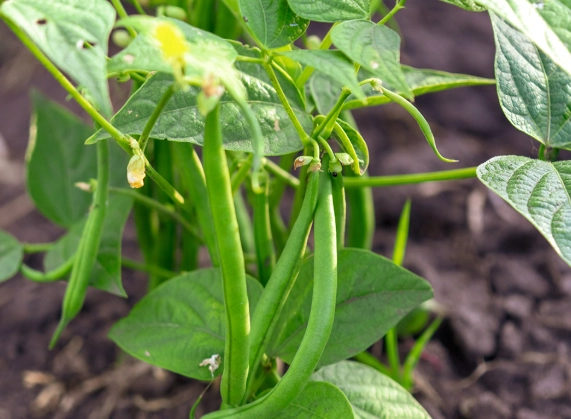
Beyond Habit: Heirlooms vs. Hybrids & Popular Varieties
Then you have the variety itself. 'Blue Lake' (pole or bush) is a classic for flavor and reliability. 'Kentucky Wonder' is another prolific pole bean. For something unique, try a purple pod variety like 'Royal Burgundy'—the beans turn green when cooked, which is fun for kids.
| Variety | Type | Days to Harvest | Key Feature |
|---|---|---|---|
| 'Provider' | Bush | 50 | Cold-tolerant, great for early planting |
| 'Blue Lake 274' | Bush | 58 | Classic "bean" flavor, heavy yields |
| 'Kentucky Wonder' | Pole | 65 | Extremely productive, old-fashioned flavor |
| 'Scarlet Runner' | Pole | 60-70 | Beautiful red flowers, edible pods & beans |
The Planting Process: From Seed to Soil
Green beans are direct-sow champions. Don't start them indoors in pots; they transplant poorly. Wait until all danger of frost has passed and the soil has warmed up to at least 60°F (16°C). Planting in cold, wet soil is an invitation for seeds to rot.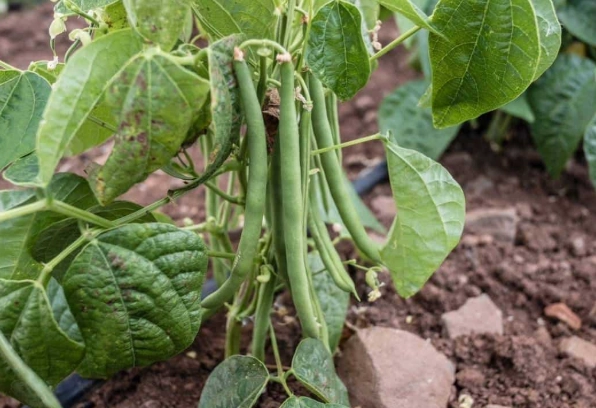
Here's my precise routine:
1. Soil Prep: Loosen the soil about 8-10 inches deep. Work in some finished compost. Avoid high-nitrogen fertilizers at this stage—remember, they make their own.
2. Planting Depth & Spacing: For bush beans: Plant seeds 1 inch deep, 3-4 inches apart in rows that are 18 inches apart. For pole beans: Plant seeds 1 inch deep, about 6 inches apart at the base of your trellis.
3. The Secret Step (A Non-Consensus Tip): Most guides say to water after planting. I soak my seeds in lukewarm water for 2-4 hours before planting. It gives them a hydration head start and can shave a day or two off germination, especially in drier soils. It's a small thing, but it works.
4. Succession Planting: For bush beans, don't plant all your seeds on day one. Sow a new batch every two weeks. This staggers your harvest so you don't get overwhelmed. With pole beans, this is less critical due to their long season.
Care and Feeding: Water, Weeds, and Support
Once they're up, the care is simple but specific.
Watering: Consistency is key. Aim for about 1 inch of water per week. The critical period is when they start flowering and forming pods. Irregular watering (a common oversight) during this phase causes blossoms to drop and pods to be misshapen or tough. Water at the soil level, not overhead, to keep leaves dry and prevent disease.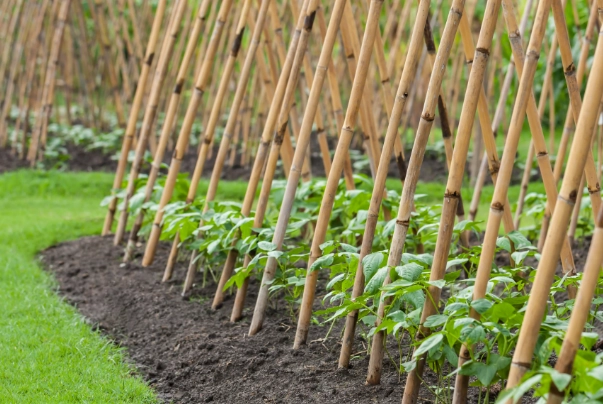
Mulching: Lay down 2-3 inches of straw or shredded leaves after the seedlings are a few inches tall. This keeps soil moisture even, suppresses weeds, and keeps soil from splashing onto the leaves.
Support for Pole Beans: Get your trellis up before you plant or right after seedlings emerge. A simple cattle panel arched between two posts, a bamboo teepee, or a nylon net attached to a fence all work great. The vines will find it and climb on their own.
Fertilizing: Go light. A side dressing of compost or a balanced, low-nitrogen organic fertilizer when they start flowering is usually plenty. More is not better here.
The Art of the Harvest (and What to Do After)
This is the fun part, and where a subtle mistake can shorten your harvest.
Harvest when the pods are firm, crisp, and about the diameter of a pencil. You should be able to snap one easily. The seeds inside should be small and not bulging through the pod. For filet or "haricot vert" types, harvest even earlier and thinner.
The Golden Rule: Pick early, pick often. Check your plants every other day. Every pod you leave to mature on the plant is a signal for it to slow down production. Frequent harvesting tells the plant, "Keep going!"
Use two hands—one to hold the stem, one to snap or snip the pod—to avoid damaging the delicate vine.
Storage: They are best eaten fresh. If you must store, put unwashed beans in a breathable bag or container in the fridge's crisper drawer. They'll keep for about a week. For long-term storage, blanching and freezing is the best method. Canning green beans requires a pressure canner for safety due to botulism risks.
Troubleshooting: Fixing Common Bean Problems
Even easy crops have issues. Here’s a quick diagnostic guide.
Yellowing Leaves: Usually a watering issue (too much or too little). Could also be natural aging of lower leaves. If new growth is yellow, it might be a nitrogen deficiency, which is rare but possible in very poor soil.
Holes in Leaves: Likely Mexican bean beetles (look like yellow-orange ladybugs) or their spiny larvae. Hand-pick them early. Row covers after planting can prevent them.
Blossoms Dropping, No Pods: As mentioned in the FAQ, this is often heat stress (temps above 85°F/29°C) or excessive nitrogen. Not much you can do about heat except wait for cooler weather. Ensure consistent moisture.
Deformed or Tough Pods: Inconsistent watering during pod development. Mulch is your best defense here.
Your Green Bean Questions, Answered
So there you have it. Growing green beans is straightforward, but paying attention to the details—choosing the right type, planting in warm soil, watering consistently, and harvesting with a ruthless enthusiasm—will transform your results from okay to outstanding. Get those seeds ordered, and get ready for the simplest, most satisfying harvest in the garden.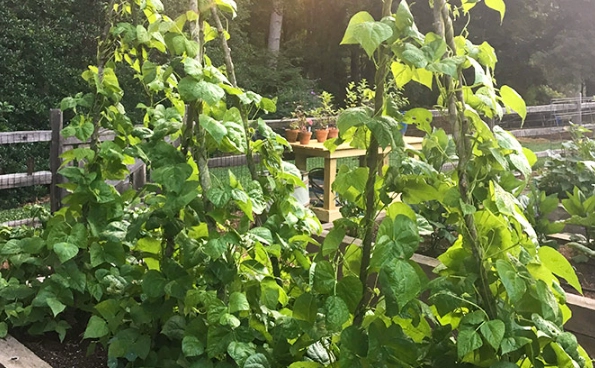
Reader Comments