I remember my first vegetable garden—a patch of dirt that turned into a muddy mess every time it rained. The weeds were relentless, and my back ached from all the bending. Then I switched to raised beds, and everything changed. If you're thinking about growing vegetables but feel limited by space or poor soil, raised bed gardening might be your answer. It's not just a trend; it's a practical way to grow more food with less hassle. In this guide, I'll walk you through everything from building your own raised bed to picking the best veggies, based on my own trials and errors over the years.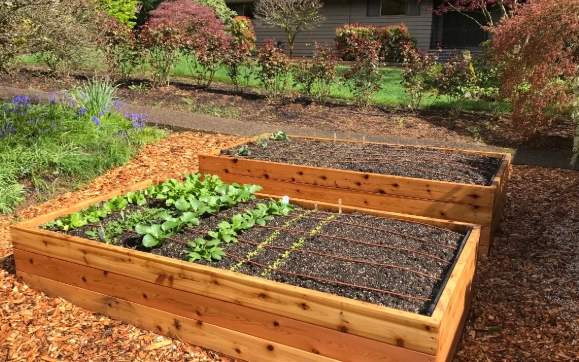
What You'll Find Inside
Why Raised Beds Are a Game-Changer for Vegetable Gardens
Let's cut to the chase. Raised beds aren't just pretty—they solve real problems. If you've ever struggled with rocky soil, poor drainage, or pests, a raised bed can feel like a cheat code. I live in an area with heavy clay soil; my in-ground garden would flood after a downpour, drowning my plants. With raised beds, the water drains away quickly, thanks to the loose, deep soil.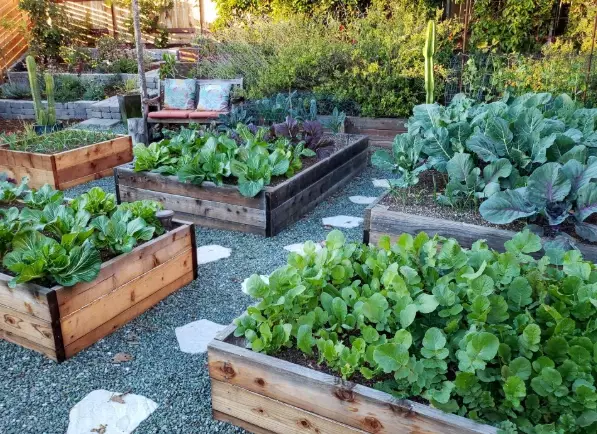
Here's what you gain:
- Better soil control: You fill the bed with your own mix—no more guessing about pH or nutrients. I use a blend of compost, topsoil, and peat moss, and my plants thrive.
- Less bending: At 15 inches high, I can tend to my veggies without straining my back. It's a small detail that makes gardening enjoyable again.
- Extended growing season: The soil warms up faster in spring, so I can plant tomatoes weeks earlier than my neighbors. In fall, it stays warm longer, giving me an extra harvest.
- Fewer weeds: Because you start with fresh soil, weed seeds are minimal. I still get some, but it's nothing compared to the jungle my old garden became.
A study by the University of California Master Gardener Program highlights that raised beds can improve yield by up to 30% due to optimal root conditions. But here's a non-consensus point: many beginners assume raised beds are maintenance-free. They're not. You still need to water and fertilize, but the work is more focused and efficient.
How to Build Your Own Raised Bed: A Step-by-Step Guide
Building a raised bed is simpler than you think. I built my first one in a weekend with basic tools. Let me break it down so you can avoid my early mistakes.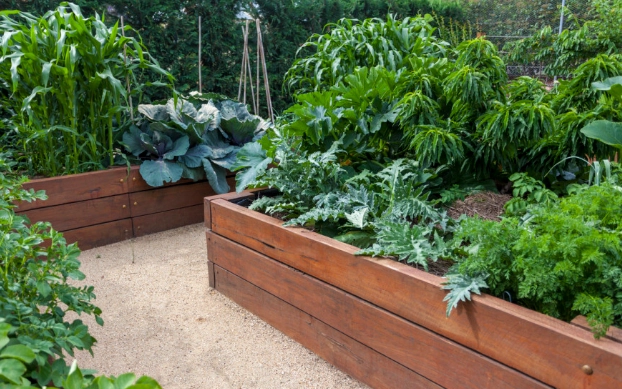
Choosing the Right Location
Pick a spot that gets at least 6-8 hours of sun daily. Most veggies are sun-lovers. Avoid low areas where water pools—raised beds drain well, but you don't want them sitting in a puddle. I placed mine near a water source to make irrigation easier.
Materials: Wood, Metal, or Composite?
This is where many gardeners slip up. I used untreated pine for my first bed, and it rotted in three years. Here's a quick comparison:
| Material | Pros | Cons | Cost Estimate |
|---|---|---|---|
| Cedar | Naturally rot-resistant, lasts 10+ years | Expensive | $50-$100 per bed |
| Pressure-treated wood | Affordable, durable | Chemical leaching concerns | $30-$70 per bed |
| Metal (corrugated) | Modern look, long-lasting | Can heat up soil in hot climates | $80-$150 per bed |
| Composite | Low maintenance, eco-friendly | Less natural feel | $60-$120 per bed |
I now use cedar—it's an upfront investment, but it pays off. If you're on a budget, untreated wood with a food-safe liner works, but expect to replace it sooner.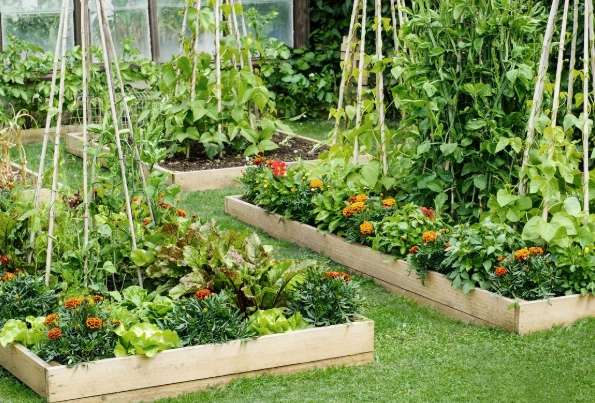
Building the Frame: Tools and Techniques
For a standard 4x8-foot bed, you'll need:
- Four 2x12 boards (cedar or similar)
- Wood screws (3-4 inches long)
- A drill and saw
- Landscape fabric or hardware cloth for the bottom
Cut the boards to size, screw them into a rectangle, and place it on level ground. Line the bottom with hardware cloth to keep out gophers—I learned this the hard way after losing a crop of carrots. Fill with soil mix, leaving an inch from the top to prevent spillage.
My personal tip: make the bed no wider than 4 feet. You want to reach the center without stepping on the soil, which compacts it. I built one 6 feet wide once, and it was a pain to maintain.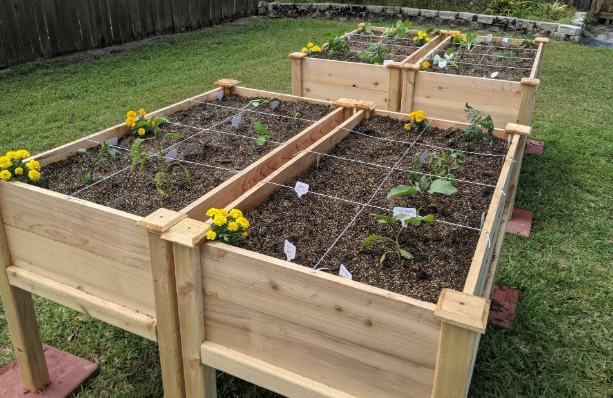
Selecting the Best Vegetables for Raised Beds
Not all veggies are created equal for raised beds. The deep, loose soil is perfect for root crops and heavy feeders. Here are my top picks based on years of growing:
- Leafy greens: Lettuce, spinach, kale—they grow fast and don't need deep soil. I succession plant these every few weeks for a continuous harvest.
- Root vegetables: Carrots, radishes, beets. The loose soil lets them expand without forking. My carrots come out straight and sweet, unlike the stunted ones from my old garden.
- Tomatoes: They love the warmth and drainage. I grow determinate varieties in cages to save space.
- Peppers and eggplants: Similar to tomatoes, they thrive in the controlled environment.
Avoid sprawling plants like pumpkins unless you have a large bed—they'll take over. For spacing, follow seed packet instructions, but in raised beds, you can often plant a bit closer because the soil is richer. I use square foot gardening principles: for example, one tomato per square foot, or nine radishes per square foot.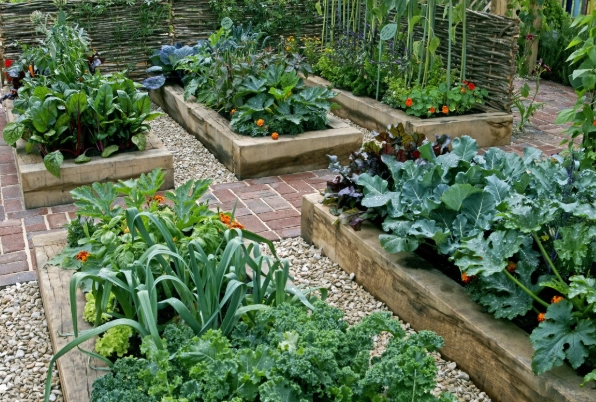
Case study: Last season, I grew a 4x8 bed with lettuce, carrots, and tomatoes. The yield was enough to feed my family of four for weeks, with surplus for sharing. The key was interplanting—I tucked radishes between slower-growing carrots, maximizing every inch.
Soil and Fertilizer: The Foundation of Success
This is where most beginners fail. Don't just shovel in garden soil—it defeats the purpose. Raised beds need a light, fertile mix. My go-to recipe is 1/3 compost, 1/3 topsoil, and 1/3 peat moss or coconut coir. It drains well yet holds moisture.
Compost is crucial. I make my own from kitchen scraps, but you can buy it from local suppliers. The USDA Natural Resources Conservation Service recommends compost for improving soil structure, and I've seen it boost plant health firsthand.
For fertilizer, I use organic options like fish emulsion or compost tea every 4-6 weeks. Synthetic fertilizers work too, but they can salt up the soil over time. A common mistake is over-fertilizing—raised beds concentrate nutrients, so go light. I test my soil pH annually with a kit; veggies prefer 6.0 to 7.0.
Maintenance Made Easy
Raised beds aren't set-and-forget, but they're low-effort if you stay on top of things.
Watering is the big one. In summer, I water every other day, deeply. Drip irrigation is a lifesaver—it reduces evaporation and keeps leaves dry, cutting down on diseases. I installed a simple system from a local garden center for under $50.
Weeding is minimal, but I still hand-pull any invaders weekly. Mulch with straw or wood chips to suppress weeds and retain moisture. For pests, I rely on companion planting. Marigolds around the edges deter nematodes, and basil near tomatoes keeps aphids away.
Rotate crops each year to prevent soil-borne diseases. I keep a garden journal to track what grew where—it sounds tedious, but it prevents tomato blight from recurring.
Reader Comments