I messed up my first raised bed garden big time. I filled it with cheap topsoil from a local landscape supply, thinking dirt was dirt. The plants struggled, drainage was awful, and I ended up with more weeds than veggies. After a decade of gardening, I've learned that the soil mix is everything—it's not just filler, it's the living foundation of your garden. Get it right, and your raised beds will thrive with minimal effort. Here's how to craft the perfect soil blend, based on hard-won experience and avoiding the pitfalls most guides don't mention.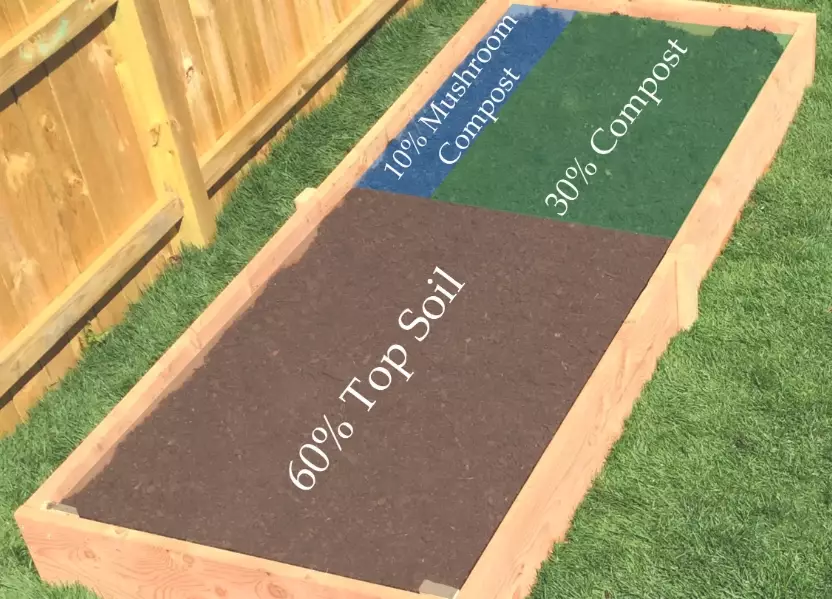
What's Inside This Guide
Why Your Raised Bed Soil Mix Matters More Than You Think
Raised beds are fantastic for control—you decide the soil. But that's also the trap. Most beginners grab bagged garden soil or plain topsoil, and that's where problems start. Bagged mixes often lack structure, leading to compaction within months. Topsoil alone is too dense, suffocating roots. A good raised bed soil mix needs three things: drainage, nutrients, and aeration. Miss one, and you'll see stunted growth or waterlogging.
Think of it like baking a cake. Use flour alone, and it's inedible. Add eggs, sugar, and leavening in the right proportions, and it rises. Soil is similar. The magic happens when components work together.
The Core Components of a Balanced Raised Bed Soil Mix
Let's break down what goes into a top-notch blend. I've seen recipes online that overcomplicate this. You don't need a dozen ingredients. Focus on these three categories.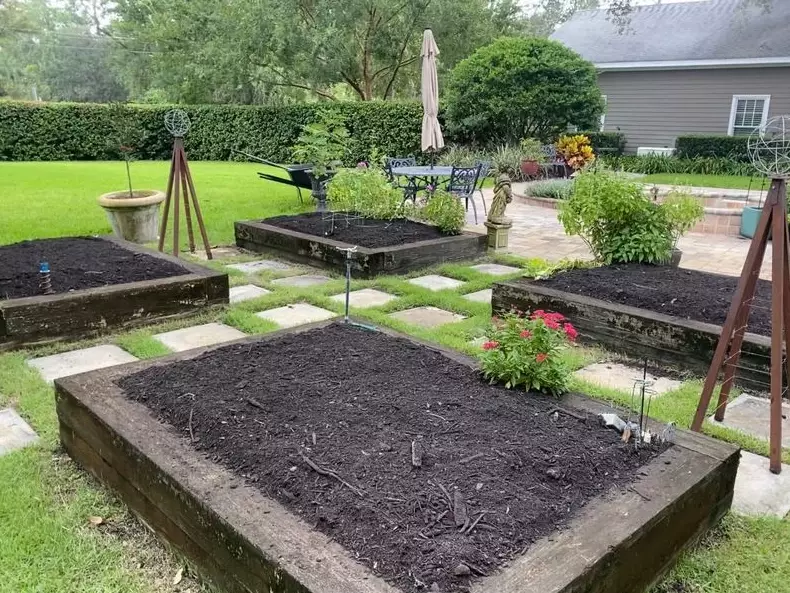
The Base: Topsoil and Compost
Topsoil provides mineral content and bulk. But don't use it straight from your yard unless you've tested it. I recommend screened topsoil from a reputable supplier—it should be loose, not clumpy. Compost is the hero here. It adds organic matter, feeds microbes, and improves moisture retention. Use well-aged compost from your pile or a trusted source. Mushroom compost is great, but it can be salty, so mix it with other types.
Aeration Agents: Perlite, Vermiculite, or Coarse Sand
This is where most DIY mixes fail. Without aeration, soil compacts over time. Perlite is my go-to—it's lightweight, porous, and lasts years. Vermiculite holds more water, good for dry climates. Coarse sand (not play sand) works but adds weight. A common mistake? Using too little. Aim for at least 20% of your mix by volume.
Nutrient Boosters: Organic Amendments
Compost offers nutrients, but for heavy feeders like tomatoes, add extras. Worm castings are gold—they're mild and rich in microbes. Kelp meal provides trace minerals. I avoid synthetic fertilizers in raised beds; they can harm soil life long-term.
Pro tip: Don't skip a soil test. Your local extension service (like the University of California Cooperative Extension) offers cheap tests. It reveals pH and nutrient gaps, saving you guesswork.
Step-by-Step: How to Mix Your Own Raised Bed Soil
Now, let's get practical. Here's a method I've refined over years.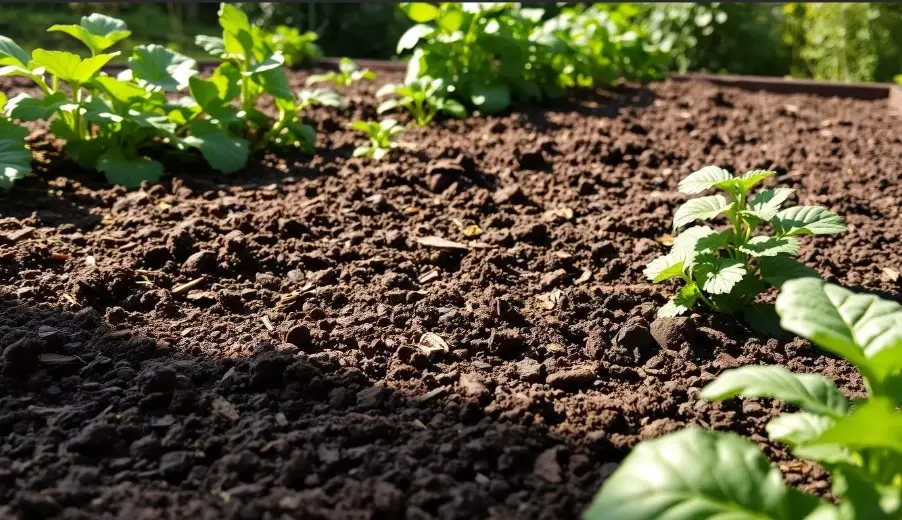
Calculating the Right Ratios for Your Garden
Start with a simple formula: 40% compost, 40% topsoil, 20% aeration (like perlite). Adjust based on your plants. For succulents, increase aeration to 30%. For leafy greens, boost compost to 50%. Measure by volume, not weight—use a bucket or wheelbarrow.
| Plant Type | Compost (%) | Topsoil (%) | Aeration (%) | Notes |
|---|---|---|---|---|
| Vegetables (general) | 40 | 40 | 20 | Add 5% worm castings for extra kick |
| Root Crops (carrots, beets) | 30 | 50 | 20 | Loose soil prevents forking |
| Herbs (rosemary, thyme) | 30 | 40 | 30 | Better drainage reduces rot |
| Flowers (annuals) | 50 | 30 | 20 | High organic matter for blooms |
The Tool You're Probably Missing (And Why It Matters)
Mixing by shovel is exhausting and uneven. Rent a small cement mixer for large batches, or use a tarp—lay ingredients on it, grab corners, and roll. I learned this after throwing out my back one season. Uniform mixing ensures every root gets the same goodness.
Fill your raised bed in layers. Start with a coarse material like small sticks at the bottom for drainage (controversial, but it works in wet climates), then add your mixed soil. Don't compact it; let it settle naturally.
Case Study: Transforming a Clay-Heavy Yard with a Custom Soil Mix
My neighbor had a backyard of solid clay. Water pooled for days. We built a raised bed and used a custom mix: 30% compost, 30% topsoil (screened), 25% coarse sand, 15% perlite. Added gypsum to break up clay particles. Within a month, the soil was crumbly and drained well. We planted tomatoes and zucchini—they yielded double the usual harvest. The key was extra aeration and addressing the native soil's issues.
This shows that one-size-fits-all recipes fail. Observe your site. If you have heavy rain, lean into perlite. In arid areas, vermiculite helps retain moisture.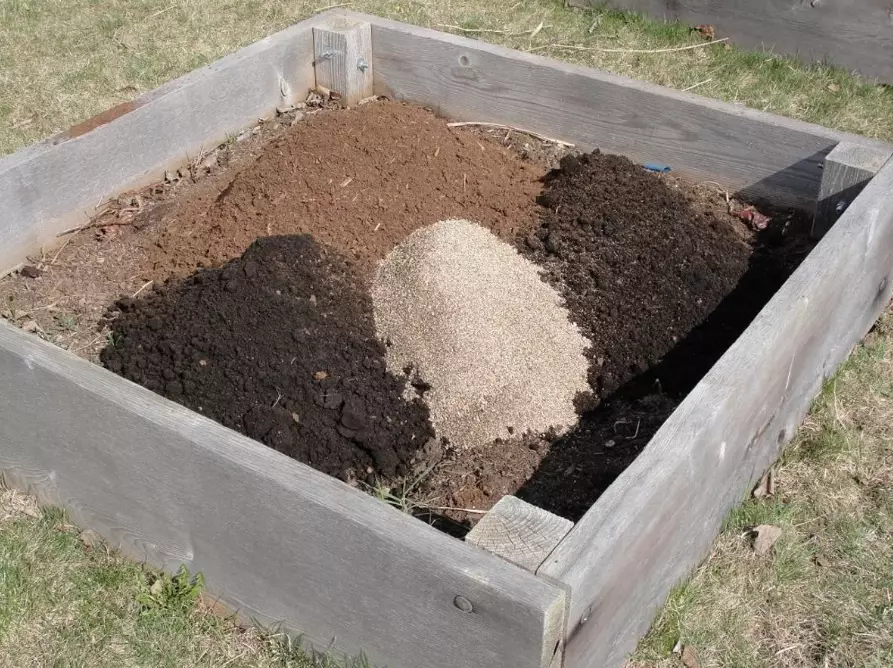
FAQ: Your Top Questions on Raised Bed Soil, Answered
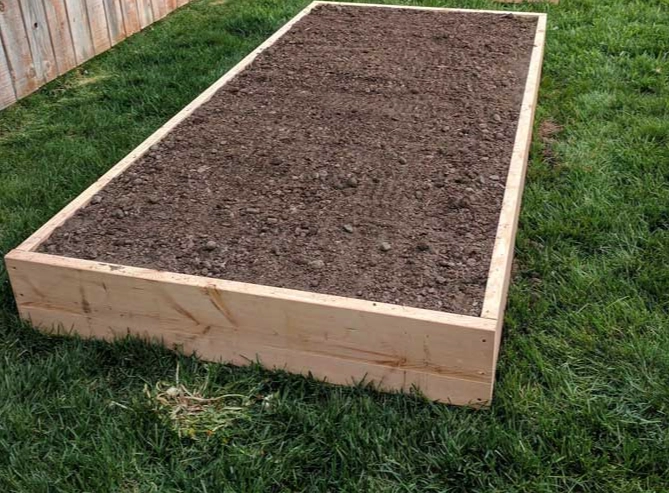 How deep should the soil be in a raised bed for vegetables?
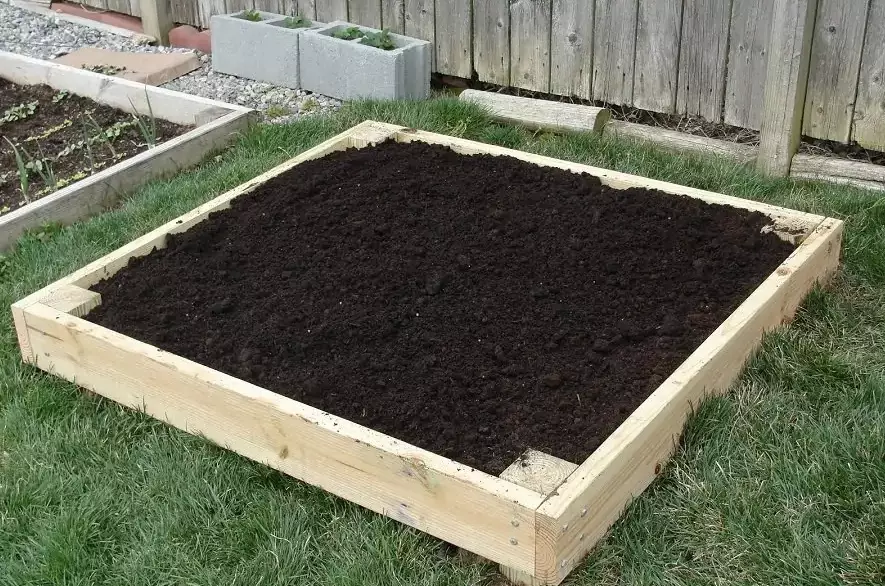 Getting your soil mix right isn't rocket science, but it does require attention to detail. Start with the basic ratios, tweak based on your plants and climate, and don't be afraid to experiment. Your raised bed will thank you with lush growth and fewer headaches. Happy gardening!
Reader Comments