There's a gap between the idea of pulling a perfect, sweet carrot from your garden and the reality of what often comes up: stunted nubs, weird forked roots, or something that tastes like a woody pencil. I've been there. My first carrot bed was a disaster of clay soil and impatience. But getting it right isn't about having a green thumb—it's about understanding a few non-negotiable rules that carrot roots live by. Once you crack those, you get that crisp, sugary crunch that store-bought carrots just can't match. This guide skips the fluff and gets into the dirt of what actually works.
What's Inside This Guide?
Getting Started: The Non-Negotiables for Carrot Success
You can be casual with tomatoes. Carrots demand respect. Get these three things wrong, and you'll struggle.
The Right Soil: It's All About Texture
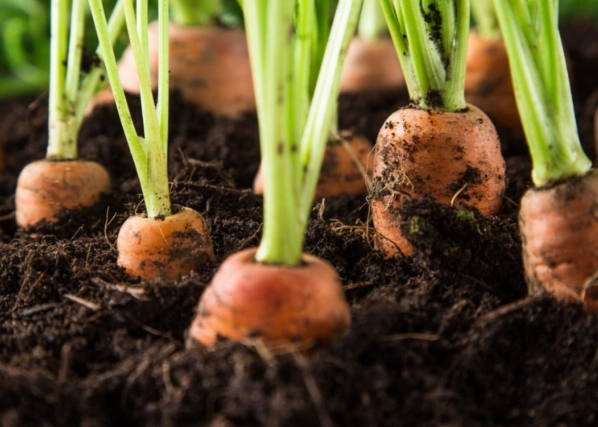
Forget fertilizer for a second. The single most important factor is soil texture. Carrot roots need to push through the soil easily. If it's heavy clay or full of clumps, they'll give up and deform.
You need loose, well-draining, and deep soil. Sandy loam is the gold standard. If your soil is heavy, you must amend it. I dig down at least 12 inches. I mix in a 3-inch layer of coarse sand and a 3-inch layer of finished compost or well-rotted leaf mold. The sand is crucial—it creates permanent air pockets. Just adding compost to clay can sometimes make a denser, stickier mess when it gets wet.
Soil pH matters, but it's less finicky than for some plants. Aim for a slightly acidic to neutral range, between 6.0 and 6.8. You can get a simple test kit from any garden center. According to the University of Minnesota Extension, this range ensures nutrients are available for good root development.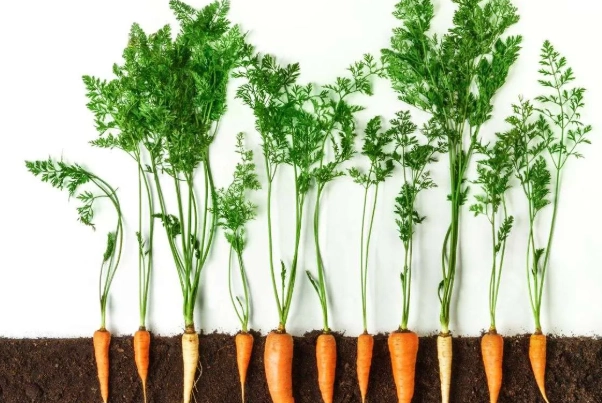
Choosing Your Carrot Variety
This isn't just about color. Shape and length determine what soil you need and how deep to prepare.
| Type & Variety | Key Characteristics | Best For | Days to Maturity |
|---|---|---|---|
| Danvers 126 (Classic) | Sturdy, tapered 6-7" roots, great flavor, stores well. | Heavier soils (good push-through power), beginners. | 70-75 |
| Nantes (Sweetness) (e.g., 'Scarlet Nantes') | Cylindrical, blunt tips, incredibly sweet and crisp. | Loose, stone-free soil. The ultimate for fresh eating. | 65-70 |
| Chantenay (e.g., 'Red Cored') | Short, stout cones (4-5" long, wide shoulders). | Shallow, rocky, or container gardens. | 65-70 |
| Imperator (Supermarket) | Very long and slender (up to 10"). | Deep, perfect, sandy soil. Not for beginners or clay. | 75-80 |
| Paris Market / Round (e.g., 'Romeo') | Small, round balls, 1-2" diameter. | Containers, shallow beds, kids' gardens. | 50-60 |
My go-to is 'Scarlet Nantes' for flavor and 'Danvers' for reliability. If you're growing carrots in containers, stick with Chantenay or Paris Market types.
Sun, Water, and Thinning: The Trifecta of Care
Sun: Full sun. At least 6-8 hours. Less sun equals smaller, slower roots.
Water: This is where people mess up. Carrots need consistent moisture. Not a flood, not a drought. Erratic watering causes roots to crack or become bitter. The goal is soil that feels like a damp sponge an inch down. A soaker hose or drip irrigation is a massive help. Inconsistent watering is the silent killer of carrot quality.
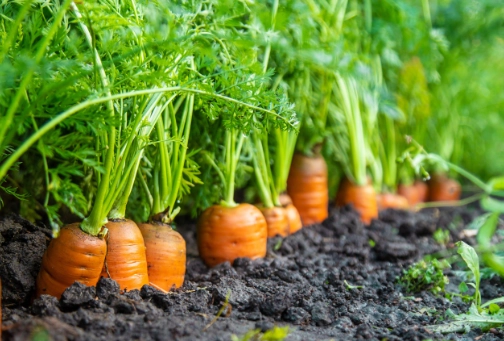
Thinning: This is the hardest part psychologically. You sprinkle seeds, they all come up, and you can't bear to pull out tiny plants. But you must. Crowded carrots have no room to swell. Thin seedlings when they're about 2 inches tall. Aim for a final spacing of 2 to 3 inches apart. Use scissors to snip the extras at soil level to avoid disturbing the roots of the keepers.
The Carrot Growing Timeline: From Seed to Harvest
Carrots teach patience. They're not fast.
How to Plant Carrot Seeds for Maximum Germination?
Carrot seeds are tiny and slow to sprout (7-21 days). They also need consistent surface moisture to germinate, which is tricky.
- Timing: Sow seeds directly outdoors 2-4 weeks before your last spring frost date. They can handle a light frost. Soil temperature should be at least 45°F (7°C). For a fall harvest, plant about 10-12 weeks before your first fall frost. Fall carrots are often sweeter.
- Method: Plant seeds ¼ inch deep. I mix the seeds with a little dry sand to help me see the distribution and avoid thick clumps. Cover lightly with fine soil or vermiculite (which retains moisture well).
- The Moisture Trick: After sowing, water gently. Then, lay a board or a single layer of burlap over the row. Check daily. The moment you see the first sprouts, remove the cover. This keeps the seedbed from drying out in the sun or being washed away by rain.
The Growing Season: What to Do (and Not Do)
Once they're thinned, your main jobs are watering and weeding. Weeds compete fiercely with slow-growing carrot seedlings. Mulch lightly with straw or grass clippings after the plants are established (about 4 inches tall) to suppress weeds and retain moisture. Keep the mulch away from the carrot shoulders to prevent rot.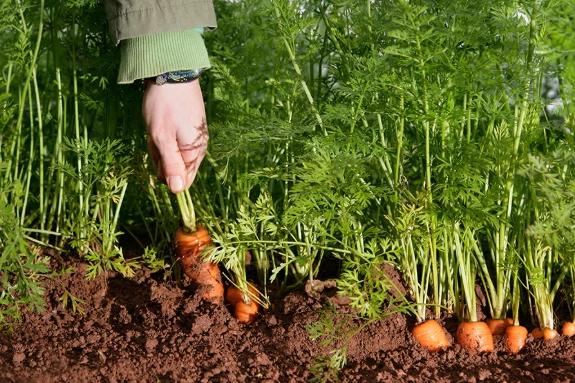
Go easy on fertilizer. Too much nitrogen, as mentioned, gives you gorgeous tops and pathetic roots. If your soil was prepared with compost, they may need nothing else. If plants seem pale, a light side-dressing of a low-nitrogen, balanced fertilizer mid-season can help.
When and How to Harvest Carrots for Peak Sweetness?
You can start pulling "baby" carrots whenever they look big enough to eat. But for full maturity, check the shoulders. Don't just yank—loosen the soil beside the row with a garden fork first to avoid breaking the root. Twist and pull gently.
For storage, harvest after a few light frosts but before a hard freeze. The cold triggers sugar production. Cut the greens off about ½ inch above the shoulder—the greens draw moisture and flavor from the root. Store in a cool, humid place like a refrigerator crisper or in damp sand in a cold cellar.
Troubleshooting Common Carrot Growing Problems
- Forked or Misshapen Roots: Stones, clods, or compacted soil. Also can be caused by fresh manure or excessive fertilizer burning the root tip.
- Hairy Roots: Lots of tiny side roots. Usually a sign of too much water or the soil being too rich/fertile.
- Split or Cracked Roots: A period of drought followed by heavy rain or watering. Maintain consistent moisture.
- Green Shoulders: The top of the root is exposed to sunlight and produces chlorophyll. Hill up soil or mulch around the shoulders as the carrot grows.
- Bitter Flavor: Usually caused by stress—heat, drought, or poor soil. Also, harvesting too late when the carrot is over-mature and woody.
- Carrot Rust Fly: Maggots tunnel into roots. Use fine insect mesh (row cover) over the crop immediately after sowing to prevent the fly from laying eggs. Rotate your crop location each year.
Advanced Tips for the Dedicated Grower
Once you've nailed the basics, these steps can elevate your harvest.
Succession Planting: Don't sow your whole packet at once. Sow a short row every 3-4 weeks from early spring to midsummer. This gives you a continuous supply of tender carrots, not a giant glut all at once.
Companion Planting: I plant onions, leeks, or rosemary near my carrots. Their strong scent can help mask the carrot smell from pests like the carrot rust fly. It's not a guaranteed forcefield, but it's a helpful layer in an integrated pest management strategy.
The Flavor Boost: If you want next-level sweetness, stop watering your fall carrot crop about a week before you plan to harvest. The mild stress can concentrate sugars. A light frost does this even better.
Your Carrot Questions, Answered
Reader Comments