If you're thinking about growing vegetables but your soil is rocky, clay-heavy, or just plain tired, a raised bed garden might be the solution. I've been gardening for over a decade, and switching to raised beds changed everything—better yields, fewer weeds, and less back pain. Let's cut to the chase: raised beds work because they give you control over soil, drainage, and space. In this guide, I'll walk you through everything from building your first bed to avoiding the mistakes I made early on.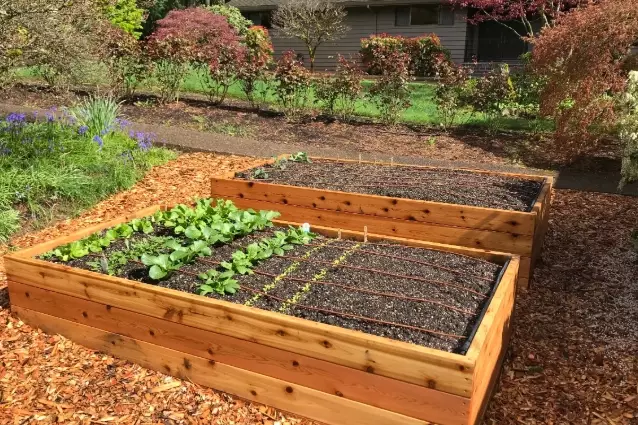
What You'll Learn in This Guide
Why Choose a Raised Bed for Vegetables?
Raised beds aren't just a trend; they're a practical fix for common gardening headaches. I started with in-ground plots, but after battling poor drainage and weeds, I built my first raised bed five years ago. The difference was night and day.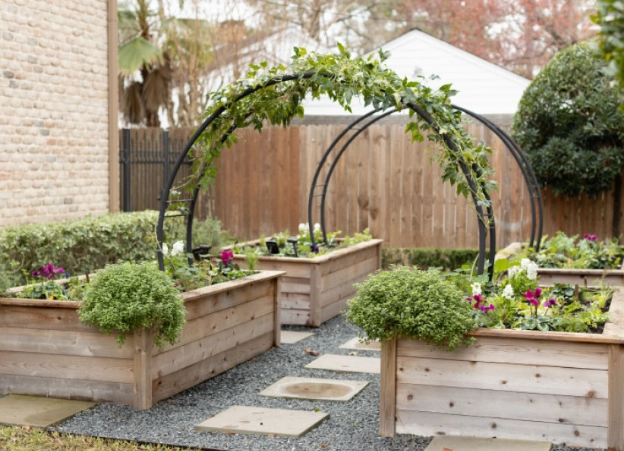
Here's what you gain:
- Better Soil Control: You fill the bed with your own mix—no more dealing with native clay or sand. I use a blend of compost, topsoil, and peat moss, which feels like gardening on easy mode.
- Improved Drainage: Raised beds drain excess water faster, which means roots don't rot. In my rainy area, this saved my tomatoes from drowning.
- Warmer Soil Earlier: Soil in raised beds warms up quicker in spring, letting you plant sooner. I get peas in a month earlier than my neighbor with ground beds.
- Reduced Weeds and Pests: Since you start with fresh soil, weed seeds are minimal. I've seen fewer slugs too, maybe because of the elevation.
- Easier Access: No more bending over. My beds are 18 inches high, so my back thanks me every time I harvest.
But it's not all perfect. Raised beds dry out faster, so watering needs attention. And the initial cost can be higher if you buy materials. Still, for most vegetable growers, the pros outweigh the cons.
How to Build a Raised Bed Garden: Step-by-Step
Building a raised bed is simpler than you think. I'll share my method, refined from trial and error.
Choosing the Right Materials
Wood is popular, but not all wood is equal. I used pressure-treated pine once—big mistake. The chemicals worried me, even though experts say it's safe now. Instead, go for cedar or redwood; they last longer and are naturally rot-resistant. Composite lumber is another option, but it's pricier.
For a 4x8 foot bed, you'll need:
- Four 2x12 boards (cedar is my pick)
- Corner brackets or screws
- A drill and saw
- Landscape fabric (optional, but I use it to block weeds)
Concrete blocks or stones work too, especially for curved designs. I helped a friend build with cinder blocks, and it held up well.
Determining the Ideal Size and Depth
Size matters. Too wide, and you can't reach the center. I keep mine no wider than 4 feet so I can access plants from both sides. Length is flexible—8 feet fits my space well.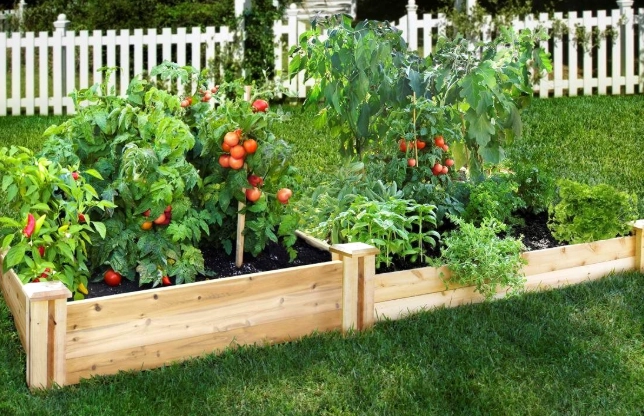
Depth is crucial. Shallow beds limit root growth. For vegetables, aim for at least 12 inches. Here's a quick table based on my experience:
| Vegetable Type | Recommended Depth | Notes |
|---|---|---|
| Leafy greens (lettuce, spinach) | 6-8 inches | Works but deeper is better |
| Root crops (carrots, radishes) | 12-18 inches | Essential for straight roots |
| Tomatoes, peppers | 12-24 inches | Deeper beds support heavy fruiting |
My beds are 16 inches deep, and I've never had issues with root-bound plants.
Assembly and Placement
Pick a sunny spot—most vegetables need 6-8 hours of sun daily. I placed mine south-facing, and the growth exploded.
Assembly steps:
- Cut boards to size if needed.
- Assemble the frame using screws or brackets. I pre-drill holes to avoid splitting wood.
- Place the frame on level ground. Remove grass underneath if you want—I skip it and use landscape fabric instead.
- Fill with soil mix (more on that next).
It took me an afternoon to build my first bed. Don't overcomplicate it; even a simple design works wonders.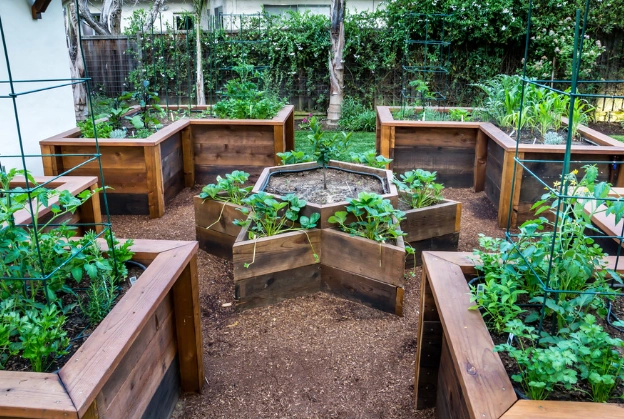
Soil and Planting: The Heart of Your Garden
Soil is where many gardeners slip up. I learned this the hard way when I used cheap bagged soil—my plants struggled. Now, I mix my own.
Creating the Perfect Soil Mix
A good mix is fluffy, drains well, and is rich in nutrients. My recipe:
- 1/3 compost (homemade or bought—I like mushroom compost)
- 1/3 topsoil (screened to remove debris)
- 1/3 aeration material like peat moss or coco coir
- A handful of vermiculite per bed for moisture retention
Mix it in a wheelbarrow or directly in the bed. I avoid adding fertilizer initially; compost provides enough nutrients for starters.
According to the University of California Agriculture and Natural Resources, well-draining soil reduces disease risk. I've found that to be true—my plants are healthier with this mix.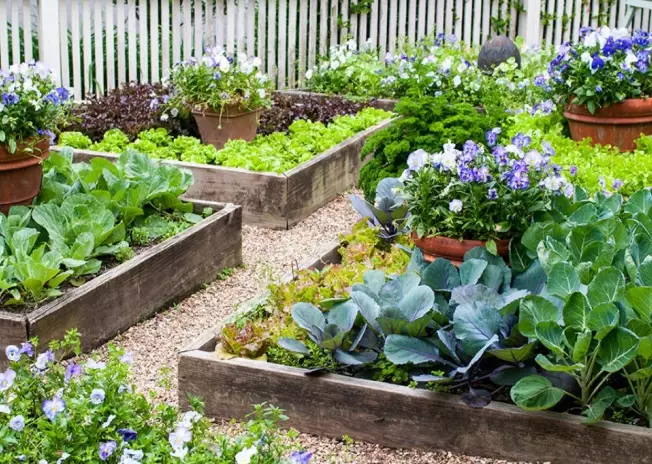
Best Vegetables for Raised Beds
Almost any vegetable thrives in raised beds, but some are superstars. Here are my top picks based on yield and ease:
- Tomatoes: Indeterminate varieties do well with deep soil. I grow 'Cherokee Purple'—huge harvests.
- Carrots: The loose soil prevents forking. 'Nantes' carrots come out straight every time.
- Lettuce and greens: Quick growers, perfect for succession planting. I harvest spinach every week.
- Beans and peas: They love the warmth. Bush beans don't need staking in my beds.
- Peppers and eggplants: They benefit from the consistent moisture.
Plant spacing is key. I follow seed packet instructions but often plant a bit tighter—raised beds allow for it. For example, I space lettuce 6 inches apart instead of 8.
Maintenance and Common Mistakes
Maintaining a raised bed garden is easier than in-ground, but there are pitfalls. Here's what I've learned.
Watering: This is the biggest rookie error. Raised beds dry out fast, especially in summer. I water deeply every 2-3 days, checking soil moisture with my finger. A drip irrigation system saves time—I installed one last year and it cut my watering chores in half.
Fertilizing: Soil nutrients deplete over time. I top-dress with compost each spring and use a balanced organic fertilizer mid-season. Over-fertilizing can burn plants; I did that with tomatoes once, and the leaves turned yellow. Go light.
Weeding and Pest Control: Fewer weeds, but they still pop up. I hand-pull them early. For pests, I use row covers for caterpillars and encourage beneficial insects like ladybugs. Slugs are less common, but I set out beer traps if needed.
Expert Tip: Rotate crops each year to prevent soil-borne diseases. I plant tomatoes in one bed and beans in another the next season—it keeps pests guessing.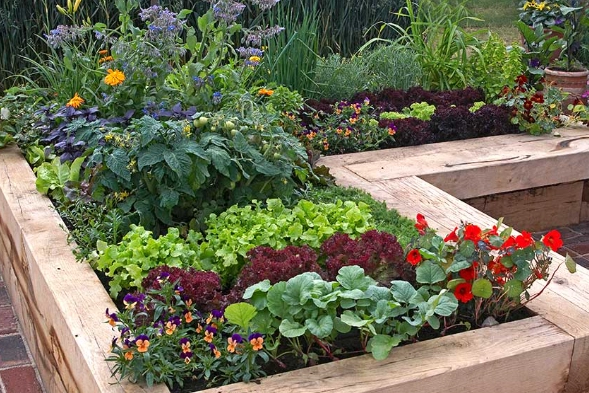
Common Mistakes:
- Overcrowding: It's tempting to pack plants in, but air circulation suffers. I give each plant room to breathe.
- Ignoring Soil pH: Test soil every couple of years. Most vegetables prefer pH 6.0-7.0. I add lime if it's too acidic.
- Using Poor Quality Soil: Don't skimp. Invest in good compost—it pays off in harvests.
My first bed failed because I used rocky fill dirt. Now, I mix fresh every season, and the results speak for themselves.
Frequently Asked Questions
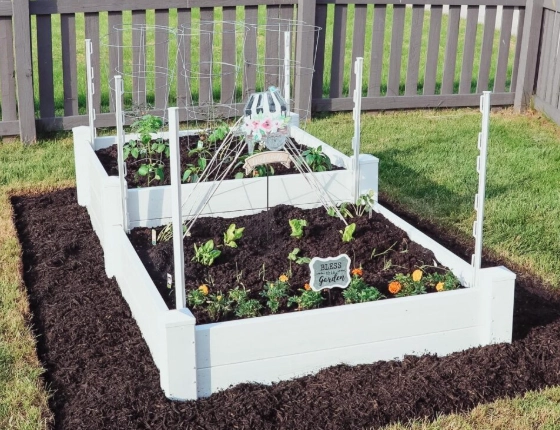
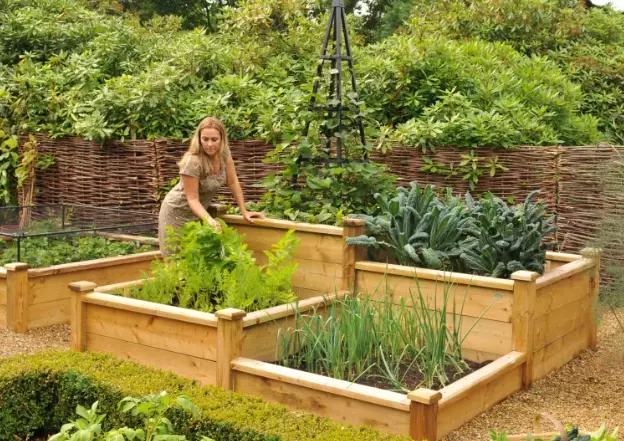
Raised bed gardening isn't just a trend; it's a smart way to grow food. With control over soil and space, you can turn even poor ground into a productive plot. Start small, learn from mistakes (like I did), and enjoy the harvest. Happy gardening!
Reader Comments