Quick Guide
- First Things First: The Brutally Honest Assessment
- The Heart of Gardening Small: Choosing Your Vessels
- It's All About the Dirt (And It's Not Just Dirt)
- What to Grow? The High-Value, Small-Space All-Stars
- The Art of Vertical Gardening Small
- Keeping It Alive: Water, Food, and Pesky Problems
- Honest Answers to Common Small Space Gardening Questions
- Wrapping It Up: Just Start Somewhere
Let's be real. You see those sprawling backyard gardens on Instagram and feel a pang of envy, right? Your "outdoor space" might be a fire escape, a windowsill, or a balcony barely big enough for a chair. I've been there. For years, I thought gardening small was just a consolation prize—a few sad herbs in a pot. I was completely wrong.
Small space gardening isn't about giving up. It's about getting smart. It's intensive, creative, and honestly, often more rewarding than dealing with a huge, weedy plot. You can grow an astonishing amount of food and create a stunning green retreat without acres of land. This whole idea of gardening small is about maximizing every single inch.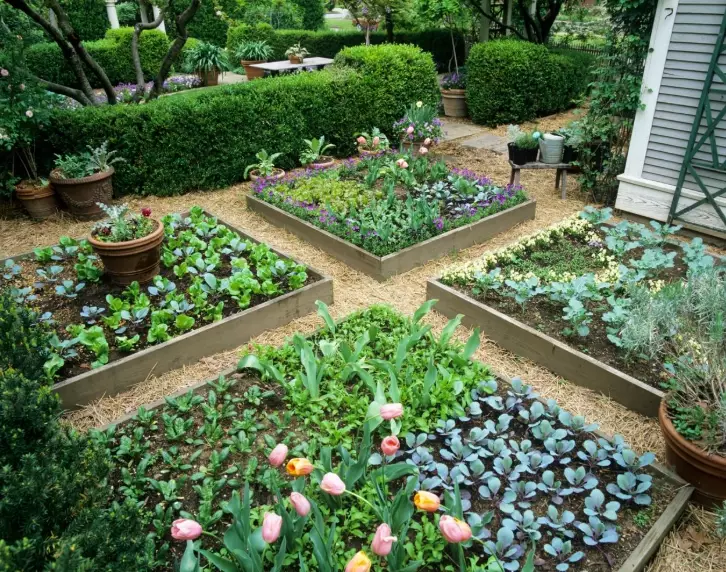
First Things First: The Brutally Honest Assessment
Before you buy a single seed packet, stop. The biggest mistake in small space gardening is impulse buying at the garden center. You need a plan, and it starts with a cold, hard look at your conditions.
Sunlight – The Non-Negotiable Currency
This is everything. Plants need light to eat. No sun, no food, no growth. It's that simple.
Don't just guess. Actually track the light on your balcony or patio over a full day. How many hours of direct, unfiltered sun does it get? Morning sun is gentler; afternoon sun is intense and hot.
- Full Sun (6+ hours): You're golden. Tomatoes, peppers, eggplants, cucumbers, most herbs, and flowering annuals will thrive here.
- Partial Sun (3-6 hours): This is great for leafy greens (lettuce, kale, spinach), some herbs (parsley, cilantro, mint), and root vegetables like radishes and beets.
- Shade (Less than 3 hours): Don't despair. Focus on foliage. Swiss chard, certain lettuces, mint, and ornamental plants like coleus or ferns can do well. But forget about tomatoes.
I learned this the hard way. I tried growing bell peppers in a spot that only got 4 hours of sun. The plants grew tall and spindly, produced two tiny peppers, and then gave up. A total waste of a season. Match the plant to the light.
Wind and Weight – The Silent Killers
High-rise balconies are wind tunnels. A gust can topple a tall tomato plant, shred delicate leaves, and dry out soil in hours. Think about windbreaks—trellises with fabric, a small lattice screen, or even grouping plants together to create a microclimate.
And weight! Wet soil is heavy. A large plastic pot full of damp potting mix can weigh over 50 pounds. Make sure your balcony or structure can handle it. Distribute weight evenly, and consider using lighter materials like fiberglass planters or fabric grow bags for larger plants.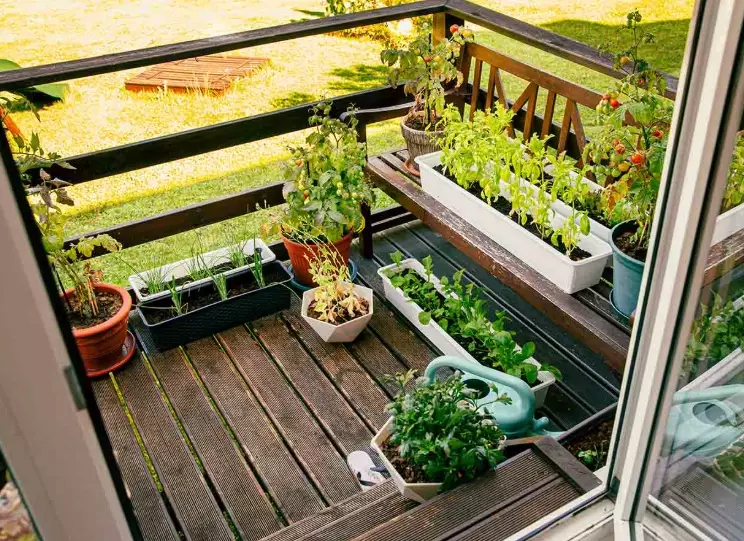
The Heart of Gardening Small: Choosing Your Vessels
Containers are your garden beds. Their size, material, and drainage determine your success more than anything else.
| Container Type | Best For | Pros | Cons & My Take |
|---|---|---|---|
| Fabric Grow Bags | Tomatoes, potatoes, squash, small fruit trees. | Excellent air pruning (prevents root circling), lightweight, promotes healthy roots, affordable. | Dry out faster. Can look a bit utilitarian. (My personal favorite for veggies—roots love them.) |
| Plastic Pots | Almost everything, especially herbs and annual flowers. | Lightweight, cheap, retains moisture well, comes in every size. | Can degrade in sun. Less breathable. (Fine for most things, but get good quality, UV-resistant ones.) |
| Terracotta/Ceramic | Herbs, succulents, decorative displays. | Beautiful, classic look. Porous, which is good for root breathability. | Heavy. Dries out very quickly. Expensive. Can crack in freeze. (I avoid them for thirsty veggies—too much watering.) |
| Self-Watering Planters | Leafy greens, herbs, busy people. | Reservoir reduces watering frequency, consistent moisture. | More expensive. Can lead to overwatering if not monitored. (A game-changer for patio lettuce gardens.) |
| Vertical Planters/Pockets | Strawberries, lettuces, herbs, trailing flowers. | Maximizes vertical space, great for walls/fences. | Small soil volume dries quickly, needs frequent feeding. (Perfect for creating a living wall of herbs.) |
Bigger is almost always better.
A small pot means less soil, which heats up fast, dries out fast, and runs out of nutrients fast. It's a high-maintenance headache. For most vegetables, aim for a container that holds at least 5 gallons of soil. For a single tomato or pepper plant, 10 gallons is even better. Your plants will be more drought-resistant, healthier, and give you a bigger harvest.
The Golden Rule of Drainage
If your container doesn't have holes, make holes. No exceptions. Soggy soil suffocates roots and causes rot. It's the #1 killer of container plants. Drill them, hammer and nail them—just get those holes in the bottom.
It's All About the Dirt (And It's Not Just Dirt)
Never, ever use garden soil from your yard in a container. It's too dense, doesn't drain well, and can harbor pests and diseases. You need a potting mix.
A good potting mix is fluffy and well-aerated. Look for mixes labeled for containers. Many gardeners, myself included, like to jazz up a basic bagged potting mix. Here's a simple, effective recipe I use for my own small space gardening projects:
- 2 parts quality all-purpose potting mix (this is the base).
- 1 part compost (for nutrients and microbial life). You can get good quality compost from garden centers or make your own.
- 1 part coarse material like perlite, vermiculite, or coarse sand (this is critical for drainage and aeration).
This mix holds moisture but doesn't stay soggy, and it gives roots a great environment to spread. For resources on composting and soil health, the EPA's guide to composting is a solid, no-nonsense starting point.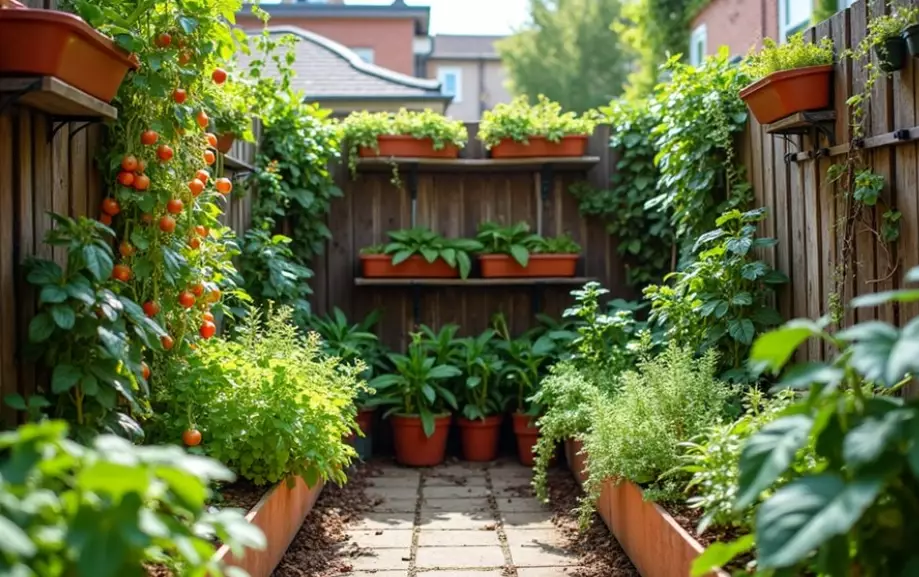
What to Grow? The High-Value, Small-Space All-Stars
This is the fun part. Focus on plants that give you a lot of bang for your buck—either in continuous harvests, high value, or sheer beauty.
Top 5 Vegetables for Tiny Gardens
- Leafy Greens (Lettuce, Kale, Swiss Chard, Spinach): You can cut-and-come-again for weeks. Grow them in shallow window boxes or as underplanting for taller crops.
- Tomatoes (Dwarf/Bush Varieties): Look for words like "Patio," "Balcony," "Determinate," or "Dwarf." Varieties like 'Tiny Tim' or 'Patio Choice Yellow' are bred for containers. Give them the biggest pot you can.
- Peppers (Bell or Chili): They have a compact shape, love heat, and produce over a long season. One plant can give you a dozen or more peppers.
- Bush Beans: They don't need a trellis, grow quickly, and produce a concentrated harvest. A 5-gallon pot can support 3-4 plants.
- Radishes & Baby Carrots: Super fast from seed to harvest (some radishes in 25 days!). Perfect for shallow, wide containers.
Herbs – The Ultimate Small Space Win
Honestly, growing herbs is probably the most satisfying and economical part of gardening small. A $3 basil plant can give you $30 worth of fresh basil over the summer.
Plant them in their own pots or mix them in with flowers. Rosemary, thyme, and oregano are perennial in many climates. Basil, cilantro, and parsley are annuals you'll replant each year. Mint is a beast—always grow it in its own pot or it will take over everything.
A quick story: My first successful foray into gardening small was a single 12-inch pot with a cherry tomato plant in the center, surrounded by basil and a few trailing nasturtiums. It was beautiful, the basil supposedly improved the tomato's flavor, and I got salads for months from one container. It felt like magic.
The Art of Vertical Gardening Small
When you can't go out, go up. This is the secret weapon for maximizing a tiny footprint.
- Trellises & Obelisks: Use them for vining plants like peas, pole beans, cucumbers, and small squash varieties. Attach them securely to the wall or railing.
- Hanging Baskets: Not just for flowers! Try cherry tomatoes ("Tumbler" varieties), strawberries, or herbs like oregano and thyme.
- Tiered Plant Stands: They instantly triple your planting area and create visual interest.
- Pallet Gardens: An old wood pallet mounted vertically and filled with soil can become a garden wall for succulents or herbs.
The University of Minnesota Extension's guide to small-scale veggie gardening has some great, research-backed tips on planning and spacing, which is crucial when going vertical.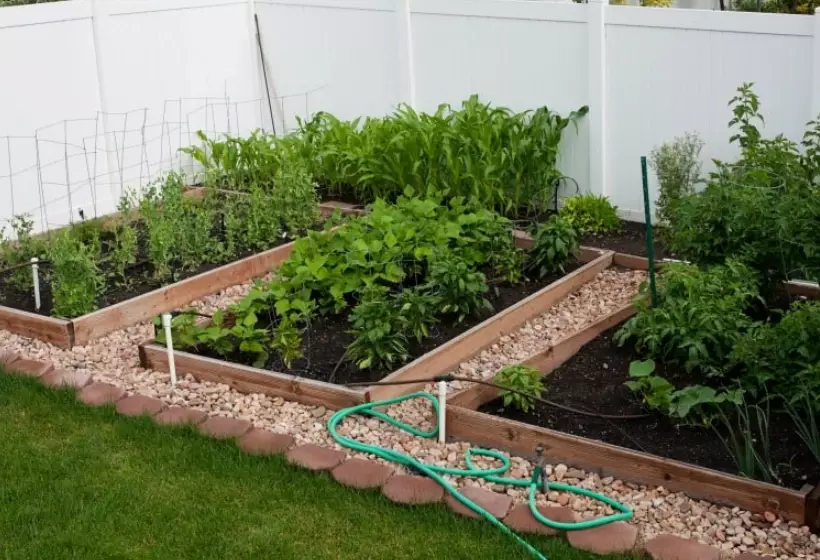
Keeping It Alive: Water, Food, and Pesky Problems
Watering – The Daily Ritual
Containers dry out fast, especially in summer. Stick your finger into the soil up to the second knuckle. If it's dry, water deeply until water runs out the drainage holes. This encourages deep roots. Light, frequent sprinkling leads to weak, shallow roots.
Morning is the best time to water. If you're forgetful, consider a simple drip irrigation system on a timer—it can be a lifesaver during a heatwave.
Feeding Your Plants
Potting mix nutrients get used up or washed out in 4-6 weeks. You need to fertilize. I prefer using a balanced, water-soluble organic fertilizer every 2-3 weeks during the growing season. Follow the label directions—more is not better and can "burn" plants.
Pests and Diseases – Be Vigilant
The upside of gardening small is that you see problems immediately. Look under leaves. Squash aphids with your fingers. Pick off tomato hornworms (they're gross, but just do it). For diseases like powdery mildew, good air circulation is key—don't overcrowd your plants. Often, a strong blast of water from a hose is enough for small infestations.
For reliable, science-based information on managing pests in an environmentally friendly way, the University of California's Integrated Pest Management (IPM) program is an incredible resource.
Honest Answers to Common Small Space Gardening Questions
Wrapping It Up: Just Start Somewhere
The philosophy of gardening small is about embracing what you have and working with it creatively. It's problem-solving. It's getting your hands dirty. It's watching a seedling you planted become food on your plate.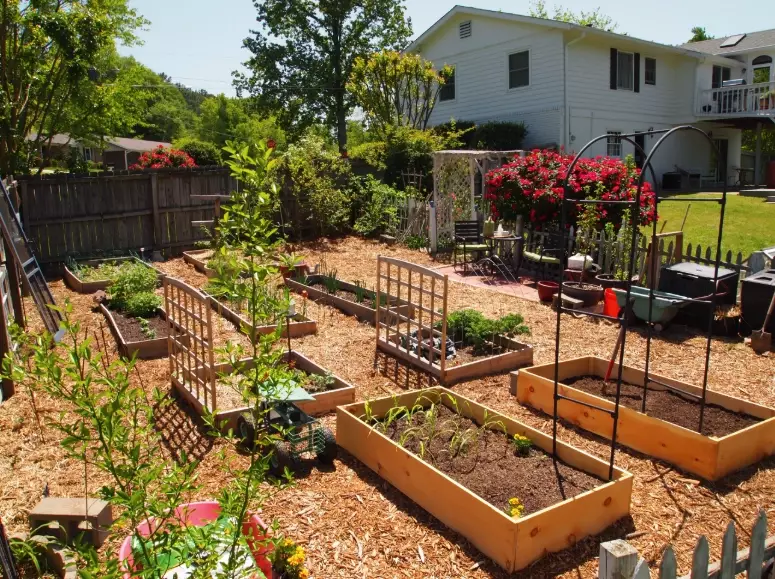
Don't try to do it all in the first season. Pick one or two things you love to eat, get a decent-sized container, good potting mix, and just try. You'll make mistakes. Something will die. It happens to everyone. But you'll learn, and next season you'll be smarter.
That little balcony or patio has more potential than you think. Unlock it.
Reader Comments