I built my first pallet compost bin five years ago, and it's still going strong. If you're looking for a cheap, sturdy way to turn kitchen scraps into rich soil, a pallet compost bin is the answer. Let's cut to the chase: you can build one in an afternoon with basic tools, and I'll show you how to avoid the mistakes I made.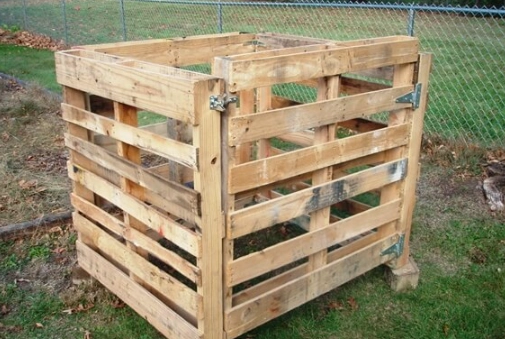
What You'll Learn
Why a Pallet Compost Bin Works
Pallet compost bins are popular for a reason. They're affordable—often free if you scavenge pallets—and the slatted design allows for perfect airflow, which is crucial for composting. I've seen fancy plastic bins that cost hundreds, but my pallet version outperforms them because it breathes better.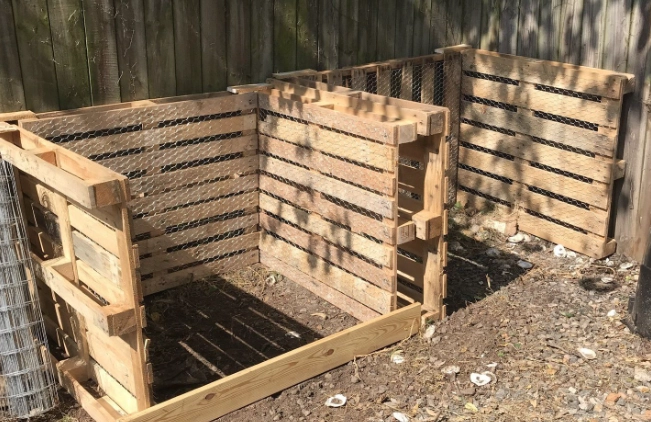
Composting is all about balance: air, moisture, and materials. A pallet bin nails the air part. The gaps between boards let oxygen in, speeding up decomposition without you needing to turn the pile as often. Plus, it's modular. Start small and add sections later if your garden grows.
Picking the Right Pallets
Not all pallets are created equal. Grab the wrong one, and you might introduce chemicals into your compost. Here's how to choose safely.
Identifying Safe Pallets
Look for the IPPC stamp on the pallet. It's usually on a corner. Pallets marked with 'HT' are heat-treated and safe. Avoid anything with 'MB'—that means methyl bromide, a pesticide that can linger. I once used an unmarked pallet and later found out it had oil stains; not worth the risk.
Stick to pallets from local businesses like grocery stores or warehouses. They often have clean, HT-treated ones. If a pallet smells funny or has dark stains, leave it behind.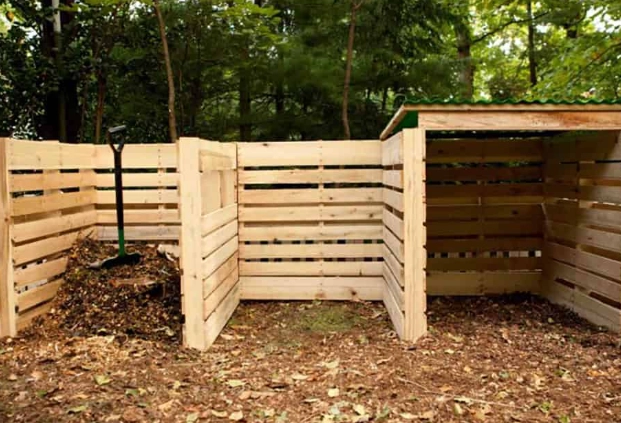
Tools You'll Need
You don't need fancy gear. Here's my go-to list:
- A drill with screwdriver bits
- Galvanized screws (3-inch ones work best)
- A saw if pallets need trimming
- Measuring tape and a level
- Work gloves—pallets can have splinters
I learned the hard way: using regular nails leads to rust and loose joints over time. Screws hold up better, especially in wet conditions.
Step-by-Step Building Guide
Let's build a simple three-sided bin. It's easy to access and turn the compost. Assume you have four pallets of similar size.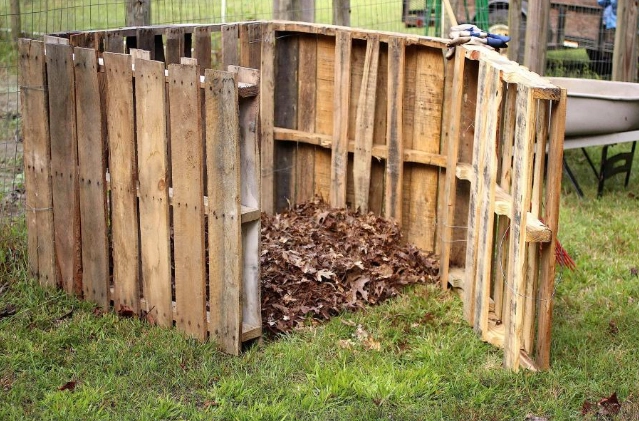
Preparing the Site
Pick a spot with partial sun and good drainage. Avoid low areas where water pools. I placed mine near my vegetable patch for easy access. Clear the ground of weeds and level it. A flat base prevents the bin from leaning.
Assembling the Bin
Start by standing two pallets upright to form an L-shape. Use screws to attach them at the corner, drilling through the pallet boards into the adjacent one. Pre-drill holes to avoid splitting the wood—this is a pro tip many beginners skip.
Add the third pallet to complete a U-shape. Leave the front open for now; you can add a removable front later if needed. Secure all corners with at least two screws per connection.
For the base, some people skip it, but I recommend laying a pallet flat on the ground. It elevates the compost slightly, improving airflow from below. Just screw it to the bottom of the side pallets.
Here's a quick table to summarize the steps:
| Step | Action | Tips |
|---|---|---|
| 1 | Site preparation | Level ground, avoid shady spots |
| 2 | Stand pallets | Form a U-shape, pre-drill holes |
| 3 | Secure corners | Use galvanized screws, not nails |
| 4 | Add base (optional) | Improves drainage and aeration |
If you want a lid, lean another pallet on top or attach hinges to a lightweight cover. I use an old tarp tied down—it keeps rain out and heat in.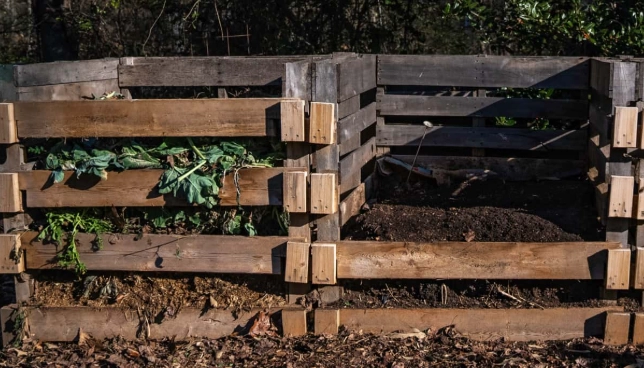
Common Pitfalls and Expert Tips
I've seen pallet bins collapse, stink, or attract pests. Here's how to avoid that.
Don't skimp on screws. Use enough to hold the weight of wet compost. I put three screws per joint, spaced evenly. Over time, wood swells and contracts; sturdy connections matter.
Airflow is key, but too much can dry out the compost. In hot climates, I add a layer of cardboard inside to retain moisture. Conversely, in rainy areas, a roof or cover prevents sogginess.
One subtle mistake: placing the bin against a fence. It restricts airflow on one side. Leave at least a foot of space around it. My first bin was too close to a shed, and that side composted slower.
For pest control, avoid adding meat or dairy. Rodents aren't a problem if you layer greens and browns properly. I throw in some leaves or shredded paper every time I add kitchen scraps.
Keeping Your Bin in Top Shape
Maintenance is straightforward. Turn the pile every few weeks with a fork to mix it up. If it smells like ammonia, add more browns like dried leaves. If it's not heating up, add greens like grass clippings.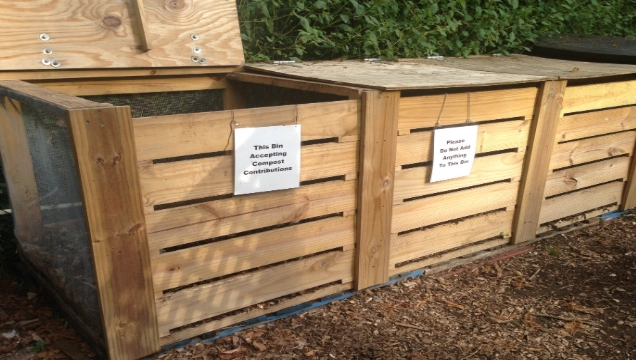
In winter, composting slows down. I pile on extra leaves as insulation. Come spring, it kicks back into gear. A pallet bin's open design helps with temperature regulation better than sealed containers.
Check the screws annually. Tighten any that have loosened. If the wood starts to rot after several years—usually 5-7 in my experience—you can replace individual pallets. That's the beauty of modular design.
Frequently Asked Questions
How can I tell if a pallet is safe for composting?
Look for the IPPC stamp. Pallets marked 'HT' are heat-treated and safe. Avoid 'MB' ones due to chemical residues. Also, skip pallets with stains or odd smells—they might have held hazardous stuff.
What's the best way to secure pallets without nails rusting?
Use galvanized or stainless steel screws. They resist rust and hold better. Pre-drill holes to prevent splitting, and add corner brackets for extra stability in windy spots.
How often should I turn the compost in a pallet bin?
Every 2-3 weeks during active decomposition. Use a garden fork to aerate from the top. If it smells bad or is too wet, turn it more to improve airflow.
Can I expand my pallet compost bin later?
Yes, it's modular. Add another pallet section alongside and secure with screws. Ensure the base is level to prevent collapsing. I've expanded mine twice for more yard waste.
Building a pallet compost bin is a rewarding project. It saves money, reduces waste, and gives your garden a boost. Start with safe materials, take your time with assembly, and enjoy the process. Happy composting!
Reader Comments