Inside This Guide
Let's be honest. Staring at seed trays under fluorescent lights in your basement in February can feel a bit... artificial. And depressing. You're fussing over heat mats, worrying about damping off, and your electricity bill is creeping up. What if I told you there's a way to start hundreds of plants from seed that requires almost no equipment, zero electricity, and basically ignores you until spring? That's the magic of winter sowing.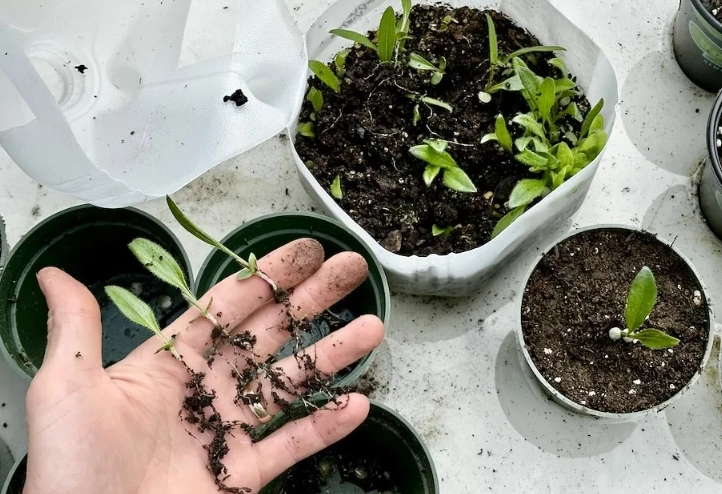
I stumbled onto winter sowing a few years back out of pure frustration. My indoor seed starting setup was a disaster zone of leggy seedlings and moldy soil. A gardening friend, who always had the most robust seedlings I'd ever seen, just shrugged and said, "I let winter do the work." I thought she was crazy. But I tried it. And you know what? It worked better than anything I'd ever done indoors.
Winter Sowing, in a nutshell: It's a seed-starting method where you plant seeds in miniature, vented greenhouses (like recycled milk jugs or takeout containers) in late winter or early spring. You then place these containers outside in a sunny spot and let nature—the freeze-thaw cycles, the snow, the rain—take care of the stratification (cold treatment) and germination. The seeds sprout when conditions are perfect for them, not when your calendar says they should.
It sounds too simple, right? That's because it is. This isn't some high-tech gardening hack. It's a return to letting plants follow their own biological clock. The best part? The seedlings you get are already hardened off. They're tougher, stockier, and more resilient than any coddled indoor-started plant. They've literally weathered the elements from day one.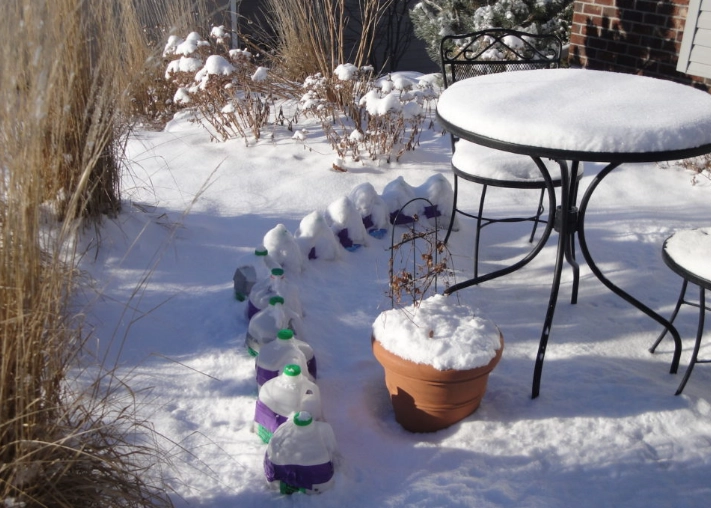
Why Bother With Winter Sowing? (The Real Benefits)
Okay, so it's simple. But why choose it over the traditional methods? The list is longer than you might think, and some benefits are game-changers for busy or budget-conscious gardeners.
First, the financial win. You're repurposing trash. Milk jugs, plastic salad containers, juice bottles, even those clear clamshells from the bakery. Your cost is basically just soil and seeds. No grow lights, no heat mats, no fancy trays, no electricity bill spike. For someone like me who wants to grow dozens of varieties, that's a massive saving.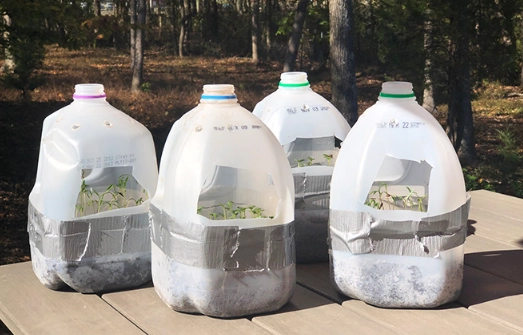
Then there's the space issue. I don't have a sunroom or a dedicated plant shelf. My winter sowing containers live on my deck, on a patio table, even along a south-facing fence. They free up every single inch of indoor space. No more tripping over seed trays in the living room.
Biggest Perk in My Book: The plants are auto-hardened. Hardening off—the process of gradually acclimating indoor seedlings to outdoor sun and wind—is the step where I used to lose half my plants. They'd get sunburned or wilt dramatically. Winter-sown seedlings don't know anything else. They grow up in the real world, so transplant shock is almost non-existent. You just pop them out of their container and into the ground. Done.
It also solves the problem of timing. If you start seeds indoors too early, they get leggy. Too late, and they're not ready for planting season. With winter sowing, the seeds germinate when the temperatures and daylight hours are just right for that specific plant. You can't mess it up. Nature is the timer, and it's rarely wrong.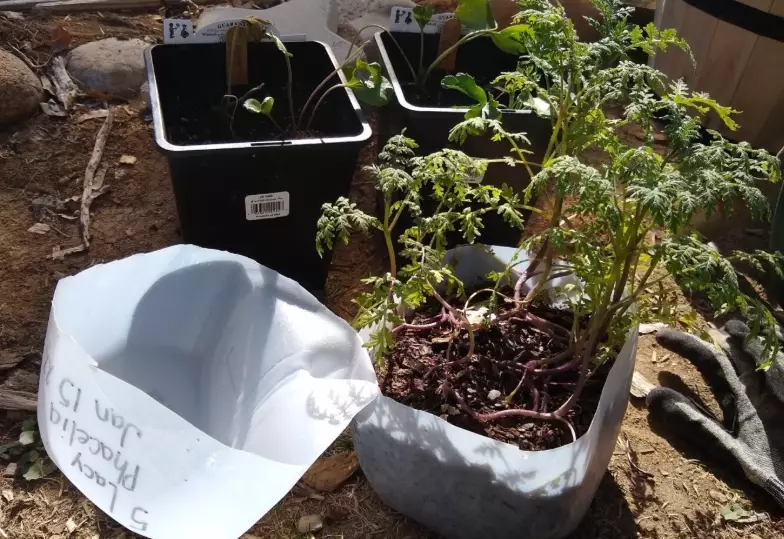
Let's talk about the types of seeds that absolutely thrive with the winter sowing method. This is crucial—you can't just throw any seed out there.
Perfect Candidates for Winter Sowing
The golden rule for winter sowing is to focus on seeds that are cold-tolerant or require a period of cold stratification to break dormancy. Stratification is just a fancy word for mimicking the natural winter conditions a seed needs to trigger germination. Many native perennials and hardy annuals have this built-in requirement.
Here’s a breakdown of what works brilliantly:
- Hardy Annuals: These are plants that can handle a frost and are often planted in early spring or fall. Think pansies, violas, snapdragons, calendula, bachelor's buttons, larkspur, and poppies. I've had incredible success with poppies—they hate being transplanted, but sowing them directly in a milk jug gives them a head start without disturbing their roots.
- Perennials (Especially Natives): This is where winter sowing shines. So many perennial seeds need that cold, moist period. Milkweed, coneflowers, black-eyed Susans, lupines, delphiniums, columbine, and rudbeckia are all perfect candidates. The Lady Bird Johnson Wildflower Center has fantastic databases on native plants and their germination requirements, which often point straight to methods like winter sowing.
- Cool-Season Vegetables & Herbs: Your early spring garden staples. Spinach, kale, lettuce, Swiss chard, bok choy, carrots, parsley, cilantro, dill, and chives. Getting a jump on these in winter sowing containers means you're harvesting salads weeks earlier than from direct-sown seeds.
What NOT to Winter Sow (Trust Me, I Learned the Hard Way): Tender plants that hail from tropical or subtropical climates. Tomatoes, peppers, eggplants, basil, marigolds, zinnias, and cucumbers will just rot or refuse to germinate until it's consistently warm. They need real heat and have no evolutionary need for cold. Save those for indoor starting or direct sowing after your last frost.
Your Step-by-Step Guide to Winter Sowing Success
Alright, let's get into the nitty-gritty. How do you actually do this? It's more art than precise science, but following a basic framework will set you up for success.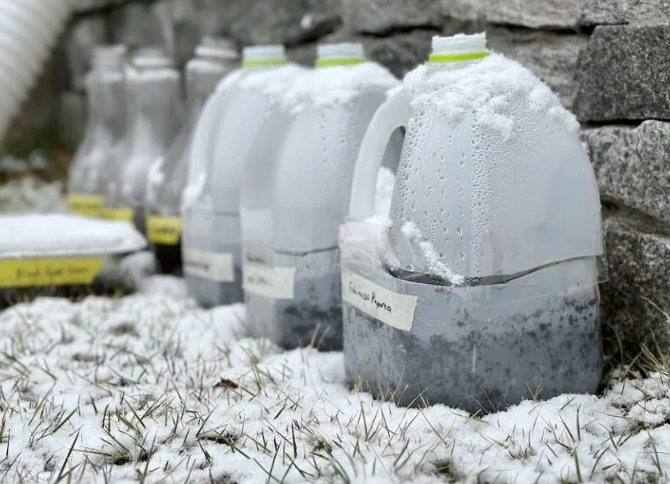
Step 1: Gather & Prep Your Containers (The Mini Greenhouses)
Almost any clear or translucent plastic container with a lid can become a winter sowing jug. The key is that it lets light in and can hold 3-4 inches of soil.
- The Classic Milk Jug: The workhorse. Rinse it out. Using a sharp knife or scissors, cut around the jug about 4-5 inches from the bottom, leaving a small "hinge" intact near the handle. This hinge is your lid's connection.
- Takeout/Clamshell Containers: The clear plastic ones are perfect. They already have a lid! Just poke drainage holes in the bottom and ventilation/slits in the top.
- 2-Liter Soda Bottles, Juice Jugs, Salad Mix Tubs: All fair game.
The most important prep step?
Drainage and Ventilation. You must poke or drill holes in the bottom for drainage (I do 8-10 holes with a drill or a hot nail). Then, you need holes or slits in the top or lid for rain/snow to enter and for excess heat to escape on sunny days. Without ventilation, you'll cook your seeds. I cut a few small triangles or slits near the top of my milk jugs.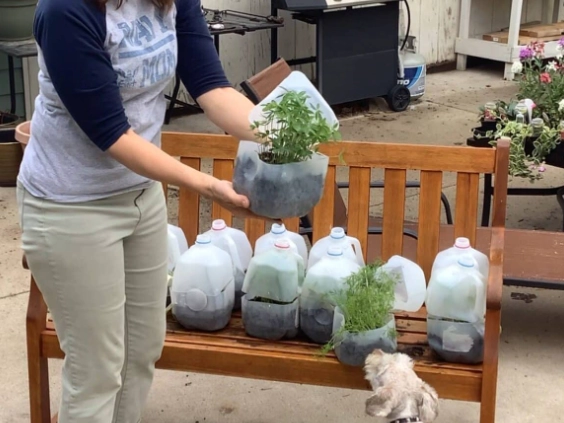
Step 2: Choose & Add Your Soil
Don't use garden soil or heavy potting mix. It compacts and doesn't drain well in these containers. Use a light, sterile, soilless seed-starting mix. It's fluffy, holds moisture well, and is free of disease pathogens.
Fill your container with 3-4 inches of dampened mix. Don't pack it down—just fill it loosely. The soil should be moist like a wrung-out sponge before you even sow a seed.
Step 3: Sow Those Seeds!
This part is just like regular seeding, but with less worry. Sprinkle or place your seeds on the soil surface. Follow the seed packet's depth instructions—some need a light covering (a dusting of soil), others need light to germinate and should just be pressed in. Label everything immediately and clearly! A permanent marker on the container itself AND a plant label stuck in the soil is the belt-and-suspenders approach. You will forget what's where by spring.
My Labeling Hack: I use duct tape on the outside of the jug and write on it with a Sharpie. The tape holds up to the weather surprisingly well. For the label inside, I cut up mini blinds or use popsicle sticks.
Step 4: Seal It Up and Put It Out
Tape your container closed. For milk jugs, I use clear packing tape over the cut. For clamshells, just snap the lid shut and maybe tape it if it's loose. Don't make it airtight—remember those ventilation holes!
Now, take them outside. Put them in a sunny spot that gets rain and snow. Against a south-facing wall is ideal. Don't put them in a garage or under a covered porch. They need the full weather experience. And then... walk away.
Seriously.
Your job is done until you see green. No watering (unless you have a freakishly dry winter), no fussing. The freeze-thaw cycle is part of the process. The snow insulates. The rain waters. It's all on autopilot.
What to Expect: The Winter Sowing Timeline
This is where new gardeners get anxious. You'll look at your jugs for weeks and see nothing. That's normal.
- January - March (The Sowing Window): You can start sowing hardy perennials and the toughest annuals (like pansies) in late winter. For many, anytime after the winter solstice is considered fair game.
- March - April (The Waiting Game): Containers sit, freeze, thaw, get snowed on. Nothing seems to happen. Peek inside occasionally to ensure the soil hasn't completely dried out in a dry spell (rare, but it happens).
- April - May (The Green Explosion): As days lengthen and temperatures moderate, you'll see germination. It's thrilling. Cool-season veggies and hardy annuals will pop first. Perennials might take a bit longer.
- May - June (Transplant Time): Once the seedlings have their first set of true leaves and the weather has settled, it's time to transplant. Simply cut the container open, gently separate the seedlings (they often come out in a mat), and plant them in the garden. Water them in. They might look small, but their roots are strong.
Troubleshooting Common Winter Sowing Issues
Even this simple method can have hiccups. Here's what might go wrong and how to fix it.
| Problem | Likely Cause | The Fix |
|---|---|---|
| No Germination | Wrong seed type (tender), old seeds, or seeds were sown too deep. | Double-check seed suitability. Ensure seeds requiring light aren't buried. Use fresh seed. Patience—some perennials germinate slowly. |
| Mold or Fungus on Soil | Poor air circulation, soil stayed too wet. | Increase ventilation holes. If mold appears, gently scrape it off. It's often harmless but a sign to increase air flow. |
| Leggy, Weak Seedlings | Containers placed in too much shade. | They need maximum sunlight. Move them to the sunniest spot available. This is less common than indoors, but can happen. |
| Seedlings Damping Off (Collapsing) | Soil-borne fungus in non-sterile mix, overcrowding. | Always use a fresh, sterile seed-starting mix. Thin seedlings early to prevent overcrowding and improve air circulation. |
| Containers Too Dry | Unusual dry, windy spell or not enough ventilation holes for rain to enter. | Check soil moisture. If dry, water gently from the top. Ensure your ventilation slits are large enough for rain. |
Winter Sowing vs. Other Methods: A Quick Reality Check
Is winter sowing the best method for everything? No. It's a fantastic tool in your gardening toolbox, but not the only one.
Compared to indoor seed starting, it wins on cost, space, and plant hardiness, but loses on control and timing for warm-season crops. You can't rush a winter-sown tomato.
Compared to direct sowing in the garden, winter sowing gives you a 4-8 week head start, which is huge for slow-germinating perennials and for beating weeds in spring. It also protects tiny seeds from being washed away or eaten by birds.
My strategy now is a hybrid: I winter sow all my hardy flowers, herbs, and cool-season veggies. Then, I start my tomatoes, peppers, and basil indoors under lights a few weeks before my last frost. It's the perfect balance.
Answering Your Winter Sowing Questions
The Final Word: Winter sowing is less about perfect technique and more about embracing a bit of gardening chaos. It's forgiving, cheap, and profoundly satisfying. You're not just growing plants; you're partnering with the season. So this year, save those milk jugs, grab some seeds that say "sow in fall" or "requires cold stratification," and give it a try. The worst that can happen is you learn something. The best? You'll get a garden full of the toughest, happiest plants you've ever grown, all for the price of a bag of soil.
Honestly, the hardest part is the initial patience. You put these ugly plastic jugs outside and wait. But when that first flush of green appears, knowing you did almost nothing to make it happen? That's a special kind of gardening joy. It feels less like work and more like magic.
Reader Comments