Your Carrot Growing Roadmap
Let's be honest, my first attempt at growing carrots was a complete disaster. I ended up with a handful of twisted, forked, and frankly, pathetic-looking orange stubs that looked nothing like the picture on the seed packet. I was frustrated. I'd done what I thought was right—tossed some seeds in the ground, watered them, and waited. But gardening, especially growing carrots, doesn't really work on wishful thinking. It took me a few more seasons of trial, error, and a lot of reading from places like the University of Minnesota Extension to finally crack the code. Now, pulling up a row of straight, sweet, and crisp carrots is one of the most satisfying things I do in my garden. If you're looking to avoid my early mistakes and get it right the first time, you're in the right place. This guide is everything I wish I'd known when I started.
Why Bother Growing Your Own Carrots?
You can buy a bag of carrots for a couple of bucks at the store, right? True. But have you ever tasted a carrot you've grown yourself? The flavor difference is night and day. Store-bought carrots are often bred for durability during shipping and long shelf life, which can come at the cost of sweetness and texture. Homegrown carrots are explosively crisp and packed with a sugary, earthy flavor you just can't buy. Beyond taste, you have access to a rainbow of varieties—deep purple, sunny yellow, blood red, and pure white—that you'll rarely see in a supermarket. There's also the simple, undeniable pride of serving food you nurtured from a tiny seed. It connects you to your food in a way that a plastic bag never can.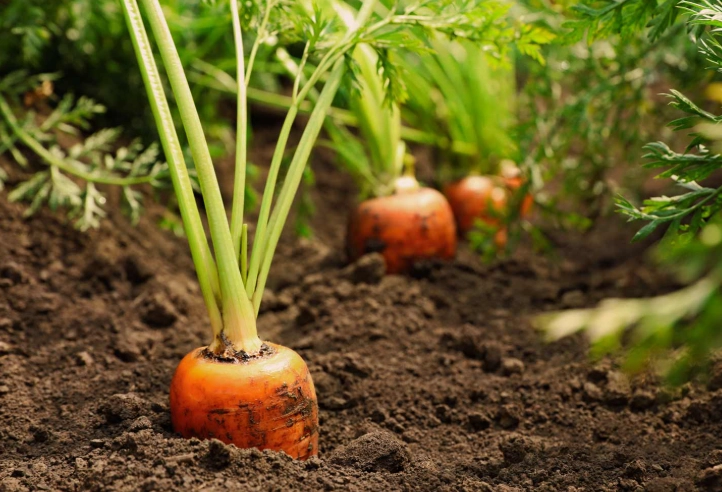
Getting Started: The Non-Negotiables
If you want success with growing carrots, you can't skip the prep work. This is where most beginners (myself included) mess up. Carrots are root vegetables, and their entire product develops underground. If the environment down there isn't perfect, your harvest won't be either.
Soil: It's All About the Texture
This is the single most important factor. Carrots need loose, deep, and stone-free soil. They push their main taproot straight down, and any obstacle—a rock, a clump of clay, a chunk of wood—will cause it to fork, twist, or become stunted. Heavy clay soil is the nemesis of anyone growing carrots.
I made the mistake of not digging deep enough once. The top 6 inches were fine, but underneath was hardpan. My carrots hit that wall and just stopped growing. Total waste of a season.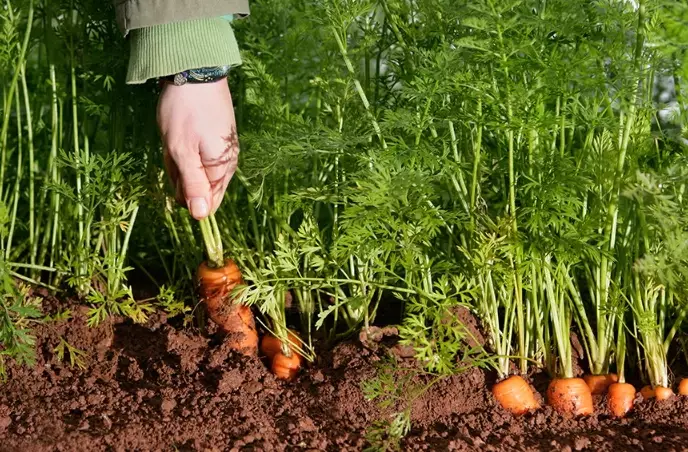
Carrot Varieties: A Rainbow of Options
Not all carrots are created equal, and choosing the right type for your soil can make your life much easier. Here’s a quick breakdown of the main types:
| Type | Description & Best For | Popular Varieties | Days to Maturity |
|---|---|---|---|
| Danvers | Classic, conical shape. Tolerant of heavier soil than most. Great all-purpose carrot. | Danvers 126, Healthmaster | 70-75 |
| Nantes | Cylindrical, blunt tips, incredibly sweet and crisp. My personal favorite for flavor. | Scarlet Nantes, Nelson, Touchon | 60-70 |
| Imperator | The long, tapered supermarket type. Needs deep, perfect sandy soil. | Imperator 58, Atomic Red | 70-80 |
| Chantenay | Short, stout, broad shoulders. Excellent for shallow, rocky, or heavy clay soils. | Royal Chantenay, Kuroda | 65-70 |
| Ball/Miniture | Tiny, round carrots. Perfect for containers, shallow beds, or kids' gardens. | Paris Market, Romeo | 50-60 |
If you're dealing with less-than-ideal soil, start with Chantenay or Danvers types. They're much more forgiving. I personally lean towards Nantes varieties now because the flavor is unbeatable, but it did force me to improve my soil game.
The Step-by-Step Growing Process
Okay, your soil is fluffy and you've picked your seeds. Now for the fun part.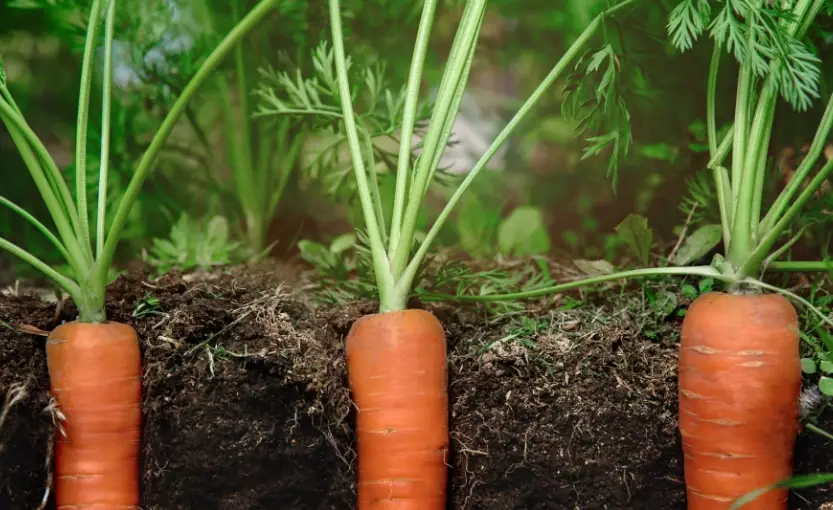
Planting: Patience is a Virtue
Carrot seeds are tiny. This makes planting them evenly a challenge. The biggest mistake is planting them too deep. They need light to germinate, so a mere 1/4 inch deep is perfect. Sow them directly in the garden; they hate being transplanted.
I mix the fine seeds with a little dry sand to help me see where I've sown them and to prevent overcrowding from the start. Sow sparingly in rows, cover lightly with fine soil or compost, and water gently with a fine mist to avoid washing the seeds away. Keep the soil consistently moist until they sprout—this can take 1-3 weeks, which feels like forever. Don't let the soil crust over.
Thinning: The Heartbreak Job You Must Do
This is the hardest part for new gardeners. You will have too many seedlings crowded together. If you leave them, you'll get a bunch of spindly, unusable roots competing for space. You must thin them.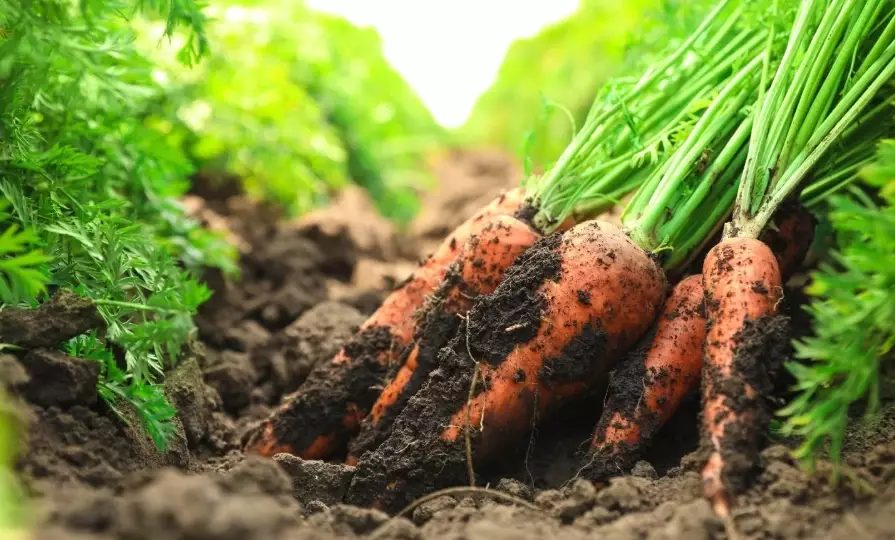
When the seedlings are about 2 inches tall, thin them to stand about 1 inch apart. A few weeks later, thin again to a final spacing of 2-3 inches apart (check your seed packet for the specific variety's needs). Yes, you are pulling up and killing perfectly good carrot plants. It feels wrong, but it's the only way to get good-sized roots. The thinnings are edible! They make a lovely, carrot-y garnish.
Watering and Feeding: Less is More
Once established, carrots are relatively low-maintenance. The key to watering is consistency. Erratic watering—letting them dry out and then flooding them—is a prime cause of roots cracking. Aim for about 1 inch of water per week, soaking the soil deeply to encourage the roots to go down. A soaker hose or drip irrigation is ideal to keep the foliage dry and prevent disease.
As for fertilizer, go easy. Too much nitrogen, especially later in the season, will give you gorgeous, bushy tops but small, hairy, or poorly flavored roots. If your soil was prepared with plenty of compost, they may need little extra feeding. A balanced, organic fertilizer applied lightly at planting is usually sufficient. The Old Farmer's Almanac, a trusted resource for generations, always emphasizes balanced nutrition for root crops.
Troubleshooting: Solving Common Carrot Conundrums
Even with perfect care, things can go sideways. Here’s a quick-reference table for the most common problems you might face while growing carrots.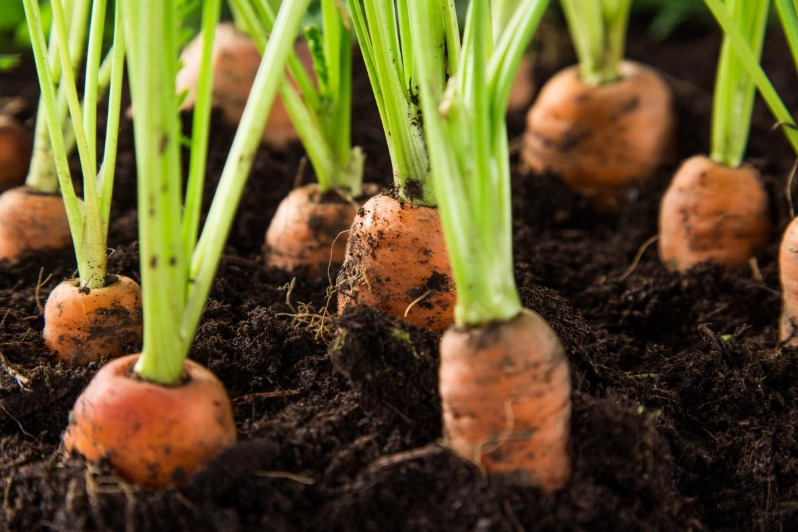
| Problem | What it Looks Like | Likely Cause | The Fix |
|---|---|---|---|
| Forked/Misshapen Roots | Multiple legs, twisted roots. | Heavy, rocky, or compacted soil; fresh manure. | Improve soil texture deeply before planting. Use aged compost only. |
| Hairy Roots | Lots of tiny side root hairs. | Excess nitrogen fertilizer; soggy soil. | Ease up on high-N fertilizer. Ensure good drainage. |
| Green Shoulders | Top of the carrot turns green. | Sunlight hitting the root crown. | Hill up soil around the shoulders as the root develops. |
| Bitter Flavor | Carrots taste bitter or soapy. | Heat stress; uneven watering; harvesting too late. | Mulch to keep soil cool, water consistently, harvest on time. |
| Root Crack/Split | Roots have deep cracks. | Heavy rain or watering after a dry period. | Maintain even soil moisture. Mulch is your friend. |
Pests can be an issue too. The dreaded carrot rust fly is the big one. Its larvae tunnel into the roots. The best defense is physical: cover your carrot rows with a fine insect mesh (row cover) immediately after planting, sealing the edges with soil. Crop rotation is also crucial—don't plant carrots in the same spot year after year.
Yes, but with a caveat. Carrot greens are edible and taste like a strong, parsley-carrot hybrid. They're great in pesto or as a garnish. However, some people find they can cause a mild allergic reaction or stomach upset due to alkaloids. Try a small amount first. I use them sparingly.
Harvest and Storage: Enjoying the Fruits (Roots!) of Your Labor
How do you know when your carrots are ready? You can start harvesting "baby carrots" whenever they look big enough to eat—usually about the diameter of your finger. For full maturity, check the days on your seed packet, but the best test is to gently brush away soil from the top of a root and see its size. Most varieties push their shoulders up out of the soil a bit when they're nearing readiness.
To harvest, water the bed first to loosen the soil. Then, use a garden fork to gently lift the roots from the side of the row, being careful not to spear them. Grasp the foliage at the base and pull. If the tops break off, use the fork to dig the carrot out.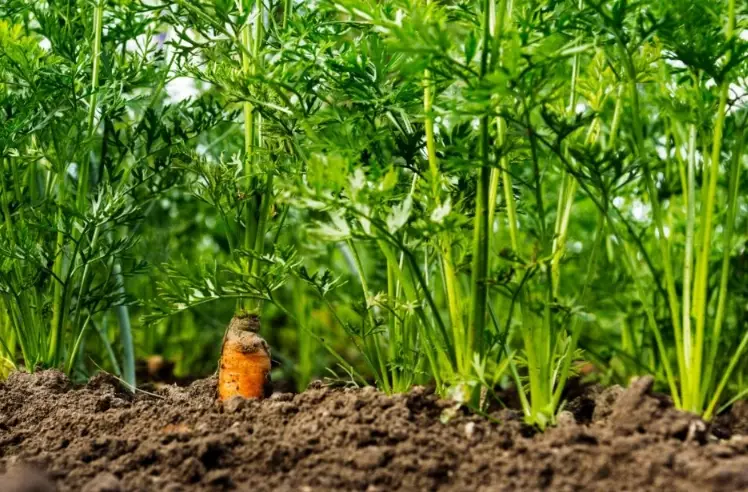
For storage, twist off the tops about an inch above the root. The tops draw moisture out of the carrot, making them limp quickly. Don't wash them. Just brush off excess soil. For long-term storage, the classic method is in boxes of damp sand or peat moss in a cool, humid place like a root cellar. For most of us, the crisper drawer in the fridge works fine. Place them in a perforated plastic bag. They can last for months this way!
Frequently Asked Questions (FAQs)
Let's tackle some of the specific questions that pop up when people are thinking about growing carrots.
Can I grow carrots in pots or containers?
Absolutely! In fact, container gardening can solve a lot of soil problems. Choose a pot that's at least 12 inches deep (deeper for Imperator types). Use a high-quality, lightweight potting mix. Shorter varieties like Chantenay, Nantes, or round Paris Market are perfect for this. Watering is more critical in containers, as they dry out faster.
Why won't my carrot seeds germinate?
The top reasons are: planting too deep, letting the seedbed dry out during the long germination period, or old, non-viable seeds. Carrot seeds lose viability faster than many others. Always use fresh seeds from a reputable source and keep that top layer of soil constantly moist (not soggy) until you see green.
What are good companion plants for carrots?
Companion planting can help with pest control and space. Strong-smelling herbs like rosemary, sage, and onions can help mask the scent of carrots from the carrot rust fly. Lettuce and radishes are great to sow alongside carrots—they germinate quickly, mark the row, and can be harvested before the carrots need the space. I often sow a few radish seeds in my carrot row as a "row marker."
Are carrots hard to grow?
They have a reputation for being finicky, but I don't think they're hard. They're specific. If you give them the one thing they truly need—deep, loose, stone-free soil—you are 90% of the way to success. It's a crop that rewards good preparation more than constant coddling.
Reader Comments