Quick Navigation
- Why Timing is Everything for Carrot Success
- The Three Key Factors That Tell You When to Plant Carrots
- A Seasonal Guide: When to Plant Carrots Calendar
- Step-by-Step: What to Do Before, During, and After Planting
- Top Mistakes People Make (And How to Avoid Them)
- Answering Your “When to Plant Carrots” Questions
- Regional Considerations and Tips
Let's be honest, figuring out when to plant carrots can feel like a guessing game sometimes. You buy the seeds, look at the packet, and it says something vague like "sow in early spring." But what does that really mean where you live? Is the ground still frozen? Will a late frost wipe them out? I've been there, staring at my garden bed in March, wondering if I'm jumping the gun.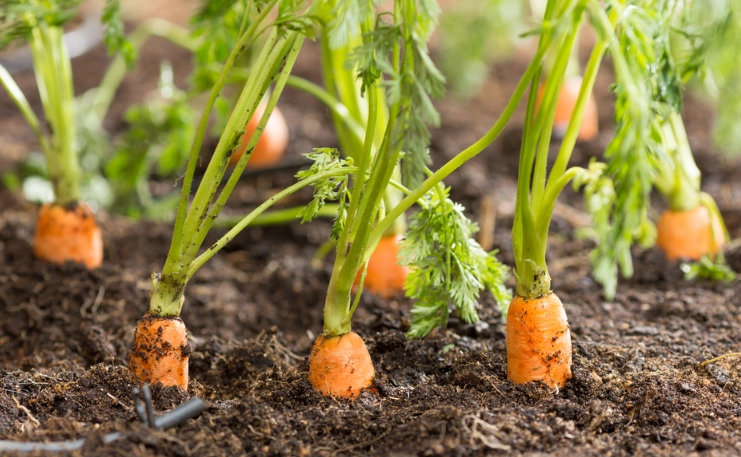
The truth is, carrots are picky about timing. Get it right, and you're rewarded with sweet, crunchy roots that seem to burst with flavor. Get it wrong, and you might end up with stunted, woody, or misshapen carrots, or worse, seeds that never even sprout. I've had my share of failures – planting too early in cold, wet soil was a classic mistake of mine. The seeds just rotted. Not a fun discovery.
So, let's ditch the guesswork. This guide isn't about complex formulas. It's about understanding a few simple, natural signals that tell you it's go-time for carrots. We'll talk about soil temperature (way more important than the air temperature), your local frost dates, and how your specific carrot variety changes the game. Whether you're aiming for a spring harvest, a summer crop, or planning to pull carrots fresh from the ground in fall, the key is knowing when to plant carrots for your specific situation.
Why Timing is Everything for Carrot Success
You can't just chuck carrot seeds in the ground any old time and expect magic. Their success is tied directly to the conditions they experience from day one. Plant when it's too cold, and germination is slow or non-existent. The seeds just sit there, vulnerable to rot and pests. Plant when it's too hot, and the same thing happens – heat can actually inhibit carrot seed germination. Plus, young carrot seedlings are delicate. A sudden hot, dry spell can wipe them out before they get established.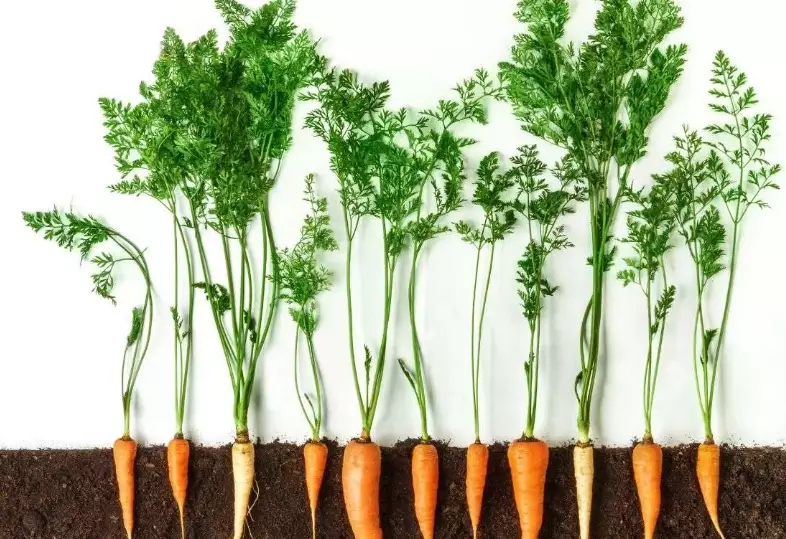
But it's not just about getting them to sprout. The temperature during their growing period shapes the carrot itself. Consistent, cool weather (think 60-70°F / 15-21°C) encourages steady, sweet growth. Hot weather makes carrots taste bitter and forces them to focus on growing tops instead of plump roots. Ever pulled a carrot that was all greens and a skinny, pale taproot? That's often a heat issue.
And then there's day length. Some older carrot varieties are sensitive to day length and will bolt (send up a flower stalk) if planted too early in spring when days are still getting longer. Bolting makes the root tough and inedible. Modern varieties are often bred to be bolt-resistant, but it's still a factor for some heirlooms.
So, nailing the timing solves a bunch of problems before they even start.
The Three Key Factors That Tell You When to Plant Carrots
Forget the calendar date for a minute. These three things matter more.
1. Soil Temperature: The Secret Signal
This is the big one, the metric I wish I'd paid attention to sooner. Carrot seeds germinate best in soil between 45°F and 85°F (7°C and 29°C). But the sweet spot? Aim for 50°F to 75°F (10°C to 24°C). At these temperatures, you'll see sprouts in 1-2 weeks. Colder than that, and you could be waiting a month or more.
How do you check? Get a soil thermometer. Stick it about an inch deep in the area you want to plant. Do this for a few mornings in a row. If it's consistently reading in that ideal range, you're good to go for your first spring planting. In fall, you're watching for soil to cool back down into this range.
2. Your Local Frost Dates
While soil temp is king, frost dates give you the framework. Carrots can handle a light frost, especially once they're a bit grown. The real risk is to the seeds and tiny seedlings. A hard freeze after sowing can be a disaster.
For a spring planting, a common and safe rule is to sow carrot seeds 2-4 weeks before your last expected spring frost date. Yes, before. They're slow to germinate in the cool soil, so by the time they poke through, the danger of a really hard freeze is usually past. If a light frost is forecast after they emerge, you can cover them with a row cover or even an old bedsheet overnight.
For a fall harvest, you need to work backwards. Figure out your first average fall frost date. Then, count backwards the "days to maturity" listed on your seed packet (usually 60-80 days), and add another 10-14 days as a "fall factor" because growth slows in cooler, shorter days. That's your target sowing date. For a winter harvest in milder climates, you'd plant even later so they mature right as winter hits and then harvest as needed.
Don't know your frost dates? The best resource is the USDA Plant Hardiness Zone Map. While it's for hardiness zones, many associated gardening calculators and university extensions use this data to provide local frost date estimates. Your local county cooperative extension office website is also a goldmine for hyper-local info.
3. Your Carrot Variety
Not all carrots grow at the same speed. This matters a lot for timing, especially for succession planting and fall crops.
- Early Varieties (50-60 days): Like 'Nantes' or 'Paris Market'. These are perfect for quick spring crops and for squeezing in multiple plantings. They're also great for fall planting where the window is short.
- Maincrop Varieties (65-80 days): Like 'Danvers' or 'Chantenay'. These are your standard, reliable varieties. They need more time to develop their full size and sweetness. Plan your spring and fall dates accordingly.
- Storage Varieties (70-90+ days): Like 'Bolero' or some Imperator types. These are bred to be harvested in late fall and stored over winter. They need a long, cool growing season and are often planted in mid-summer for a late fall harvest.
Matching the variety to your goal (quick snack, summer harvest, winter storage) is a crucial part of deciding when to plant carrots.
A Seasonal Guide: When to Plant Carrots Calendar
Let's break this down by what you're trying to achieve. Here’s a practical table to visualize the timeline.
| Planting Goal | Best Time to Sow Seeds | Key Considerations | Example Varieties |
|---|---|---|---|
| Early Spring Harvest | 2-4 weeks before last spring frost. Soil ~50°F. | Use early varieties. Be prepared to protect seedlings from a late hard frost with row cover. | ‘Nantes Coreless’, ‘Paris Market’ |
| Main Summer Harvest | Every 2-3 weeks from last frost date until late spring. | Succession planting ensures a continuous supply. Stop planting about 10-12 weeks before first fall heat peak. | ‘Danvers 126’, ‘Chantenay Red Core’ |
| Fall Harvest | 10-12 weeks before first fall frost. | Ideal season for sweetness! Growth slows as days shorten. Mulch to retain moisture. | Most maincrop varieties excel here. |
| Winter Harvest (Mild Climates) | Late summer to early fall. | Carrots mature in cool weather and can be left in ground (mulched heavily) and harvested as needed all winter. | ‘Napoli’, ‘Bolero’ (cold-tolerant) |
| Overwintering (Spring Harvest) | Late summer/early fall. | Sow so carrots reach baby size before winter. They go dormant, then surge in spring for an ultra-early, super-sweet harvest. | ‘Mokum’, ‘Yaya’ |
Spring Planting in Detail
Spring is the classic time for planting carrots. The soil is moist from winter, and the increasing daylight gets things going. But spring is tricky because the weather is so variable. My advice? Don't put all your seeds in the ground on one weekend. Make your first sowing when soil hits 50°F. Then, wait two or three weeks and make a second sowing. This "succession planting" staggers your harvest and hedges your bets against a late cold snap wiping out one planting.
If you get a warm spell followed by a cold, wet period (classic spring), the early-sown carrots might struggle, but the later-sown ones will hit perfect conditions. It's a simple strategy that dramatically increases your chances of success. Seriously, it took me years to learn this patience.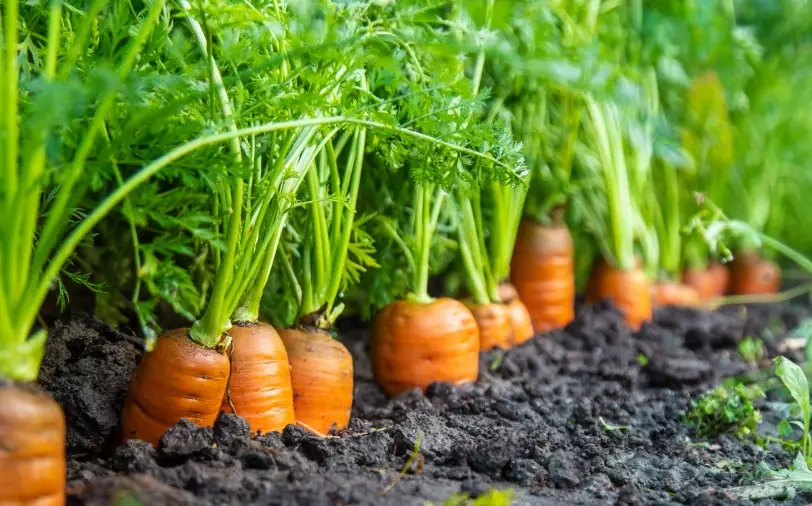
Fall Planting: The Secret for the Best Carrots
If you only plant carrots once a year, make it for a fall harvest. I'm not kidding. This is the secret most beginner gardeners miss. When you plant carrots in late summer for fall, they germinate in warm soil (fast!) and then mature during the cool, crisp days of autumn. Cool temperatures trigger carrots to convert starches to sugars. Fall-harvested carrots are consistently the sweetest, crunchiest, and most flavorful carrots you will ever grow. They also face fewer pest problems (carrot rust fly is less active).
The challenge is keeping the seedbed moist for germination during the late summer heat. Water lightly twice a day if you have to. A light layer of burlap or a board over the row can help retain moisture until you see sprouts; just remember to check daily and remove it immediately once they emerge.
Step-by-Step: What to Do Before, During, and After Planting
Okay, you've picked your date. Here's how to make it work.
Before You Plant (The Foundation)
- Soil Prep is Non-Negotiable: Carrots need loose, deep, stone-free soil. If your soil is heavy clay or compacted, the roots will fork and split. Work the soil down at least 12 inches. Remove rocks and clumps. I mix in a couple inches of finished compost or well-rotted manure, but do this a few weeks before planting. Fresh manure makes roots fork horribly.
- Fertilize Lightly: They don't need rich soil. Too much nitrogen gives you gorgeous tops and pathetic roots. A balanced, low-nitrogen fertilizer worked into the bed before sowing is perfect. Something like a 5-10-10 blend.
During Planting (The Details)
- Sow Thinly: Carrot seeds are tiny. It's almost impossible not to overseed. Mixing seeds with dry sand can help you spread them more evenly. Sow about 1/4 to 1/2 inch deep.
- Keep the Surface Moist: This is critical. The thin soil layer over the seeds must not dry out until germination. Use a gentle mist or a watering can with a fine rose. Watering heavily can wash the tiny seeds away or create a crust.
- Consider Row Covers: Laying a lightweight row cover (like garden fabric) directly over the seeded row helps retain moisture, moderates soil temperature, and keeps out pests like flea beetles. It's a great trick, especially for early spring and late summer sowings.
After Germination (The Follow-Through)
They're up! Now the real work starts.
- Thinning is NOT Optional: This is the hardest part for new gardeners. You must thin the seedlings. When they're about 2 inches tall, thin them to stand about 1 inch apart. A few weeks later, thin again to a final spacing of 2-4 inches, depending on the variety. Yes, you are pulling up and killing perfectly good seedlings. It feels awful. But if you don't, none of the carrots will have room to grow a proper root. They'll all be spindly and compete themselves to death. Snip them at the soil line with scissors instead of pulling to avoid disturbing the roots of the keepers.
- Weed Carefully: Carrots are poor competitors. Weed by hand when weeds are tiny to avoid disturbing the shallow carrot roots.
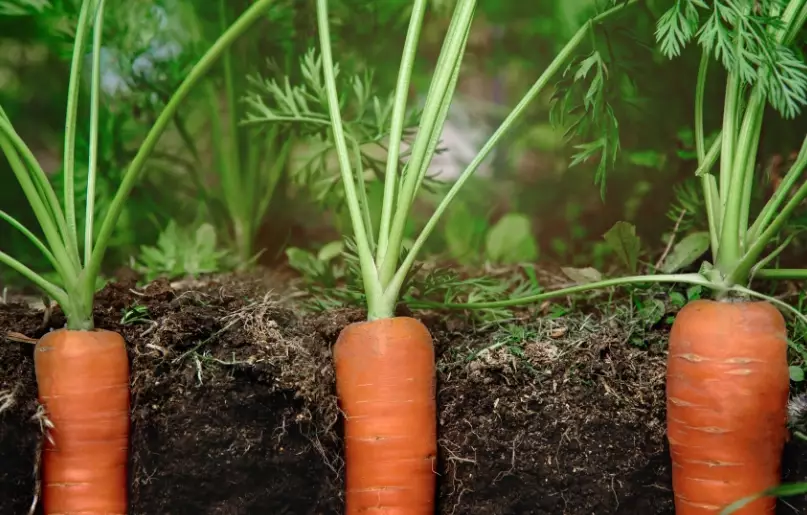
- Water Deeply and Infrequently: Once established, give them a good soak when the top inch of soil is dry. Consistent moisture is key for smooth, non-split roots. Drip irrigation or a soaker hose is ideal.
Top Mistakes People Make (And How to Avoid Them)
Let's learn from common errors so you don't have to make them yourself.
- Planting Too Deep: Carrot seeds need light to germinate well. 1/4 inch is plenty. If you bury them, germination rates plummet.
- Letting the Seedbed Dry Out: The number one cause of "my carrots didn't come up." Be vigilant about surface moisture for those 7-14 days.
- Skipping the Thinning: I've said it before. I'll say it again. You must thin. Crowded carrots fail.
- Using Fresh Manure or High-Nitrogen Fertilizer: This leads to hairy, forked, and poorly flavored roots. Use compost that's well-rotted.
- Ignoring Soil Preparation: Trying to grow carrots in rocky, heavy, or compacted soil is an exercise in frustration. Forked, stunted carrots are the guaranteed result. If your soil is terrible, consider growing shorter varieties like 'Paris Market' in a deep container filled with potting mix.
Answering Your “When to Plant Carrots” Questions
Here are the specific questions I get asked all the time.
Can I plant carrots in summer?
You can, but it's not ideal. The main challenge is germination in hot, dry soil. If you want a late fall harvest, you plant in late summer. For true midsummer planting, you must provide shade (like a board or shade cloth) and constant moisture to the seedbed. The carrots that grow may also be more prone to bitterness if they mature during hot weather.
How late can you plant carrots?
This depends entirely on your goal. For full-sized carrots, you need to get them in the ground about 10-12 weeks before your first hard fall freeze. For a crop of "baby" carrots, you can push it to about 8-9 weeks. In very mild winter climates (zones 9-10), you can plant carrots almost year-round, avoiding only the hottest months.
Can I just scatter carrot seeds?
You can broadcast seeds, but it makes thinning a nightmare. I don't recommend it for beginners. Sowing in rows, even shallow furrows, gives you much better control over weeding, thinning, and harvesting.
What if I missed the spring planting?
No problem at all! Shift your plan to a fall harvest. In many ways, it's better. Look up your first fall frost date, pick a quick-maturing variety (55-65 days), count backwards, and sow in mid-to-late summer. You haven't missed out; you've just pivoted to the premium carrot-growing season.
Regional Considerations and Tips
Your local climate throws in its own wrinkles.
- Northern Climates (Short Seasons): Focus on early spring planting as soon as soil can be worked and a main summer planting for fall harvest. Use early and maincrop varieties. Consider season extension with cold frames or row covers to push your fall harvest later. The University of Minnesota Extension has excellent, specific guides for cold climate root vegetables.
- Southern Climates (Hot Summers): Your primary planting windows are late winter/very early spring and fall. You can often grow carrots right through the winter. The key is avoiding having carrots mature in the intense summer heat. Planting in fall for a winter harvest is your best bet for quality. The heat makes soil moisture management for germination absolutely critical.
- Coastal/Mild Climates: You might have the longest season of all, with the ability to grow carrots nearly year-round with succession plantings. The main challenge can be cool, wet soil in spring delaying your first planting.
The single best thing you can do is connect with local gardeners or your Cooperative Extension Service. They know the micro-climates and the exact when to plant carrots dates that work.
Figuring out when to plant carrots feels like a hurdle, but once you understand the logic of soil temperature and frost dates, it becomes intuitive. Start with a soil thermometer and a fall planting. Taste the difference that perfect timing makes. That sweet, crisp crunch from a carrot you grew yourself, pulled at just the right moment, makes all the learning worth it. Now go check your soil temperature.
Reader Comments