You bought a vibrant little basil plant, full of promise for caprese salads and homemade pesto. A few weeks later, it’s leggy, the lower leaves are yellowing, or it’s covered in tiny white flies. Sound familiar? I’ve been there. I’ve also killed my share of basil plants by being too eager with the watering can. The truth is, basil isn't hard to grow, but it has specific, non-negotiable needs that most quick guides gloss over. Getting them right is the difference between a single, spindly plant and a lush, continuous harvest all season long.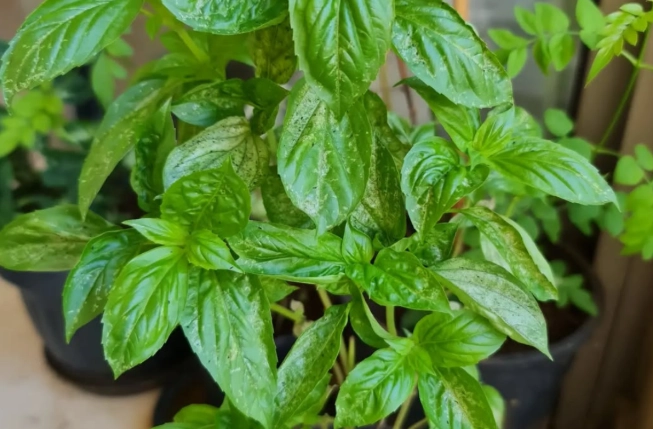
This guide pulls from years of trial, error, and conversations with other herb enthusiasts. We’re going beyond the basics to the nuances that actually matter.
What You'll Learn
Sunlight: The Non-Negotiable Foundation
Here’s the first major mistake I see: thinking a “bright spot” is enough. Basil is a sun worshipper from tropical regions. It needs at least 6 to 8 hours of direct, unfiltered sunlight per day. Not bright indirect light. Direct.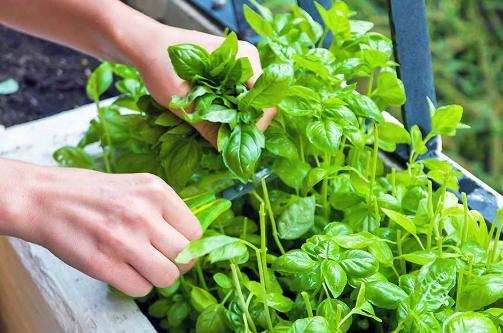
What happens with less? The plant stretches desperately towards the light, becoming “leggy” with long, weak stems and wide gaps between leaves. The growth is slow, the leaves are smaller and less flavorful (those essential oils need sun to develop), and the plant becomes stressed and vulnerable to pests.
If you’re growing outdoors, a south or west-facing spot is ideal. No compromise. Indoors is trickier—a south-facing window is mandatory, but even that might not be enough in winter. This is where grow lights become non-optional for serious indoor cultivation.
Watering: An Art and a Science
Overwatering is the #1 killer of potted basil. Underwatering stresses it. The goal is consistent, even moisture—think of a well-wrung sponge.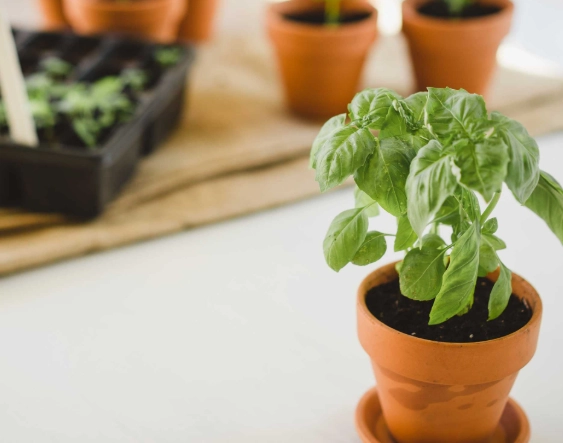
Forget the “once a week” schedule. It’s useless. Watering needs change daily based on temperature, pot size, and plant growth.
How to Water Basil Correctly
The Finger Test: This is your best tool. Stick your index finger into the soil up to the second knuckle (about 2 inches). If the soil feels dry at your fingertip, it’s time to water. If it feels damp, wait.
How to Water: When you do water, do it thoroughly. Pour water slowly at the base of the plant until you see it running freely out of the drainage holes. This ensures the entire root ball gets moistened. Then, let the pot drain completely. Never let the pot sit in a saucer of standing water—this is a one-way ticket to root rot.
Water in the morning. This gives the leaves time to dry, reducing the risk of fungal diseases, and prepares the plant for a hot day.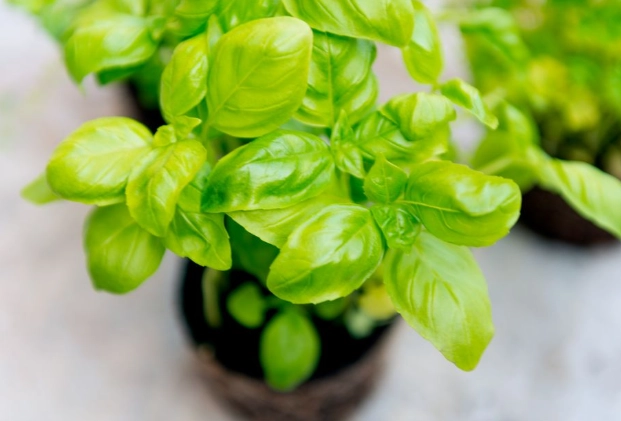
Soil & Fertilizer: The Plant's Food
Basil isn’t terribly picky about soil, but it hates having “wet feet.” It needs soil that drains exceptionally well.
For Containers: Use a high-quality potting mix. Don’t use garden soil—it compacts in pots and suffocates roots. Many gardeners swear by mixing their potting mix with 20-30% perlite or coarse sand for extra drainage. The Royal Horticultural Society (RHS) recommends a loam-based or multi-purpose compost for herbs.
For Garden Beds: Work in plenty of compost or well-rotted manure before planting to improve drainage and fertility. The ideal soil pH is slightly acidic to neutral (6.0 to 7.5).
Fertilizing: Basil is a moderate to heavy feeder, especially in containers where nutrients get washed out. A common sign of hunger is pale green or yellowing leaves (starting from the bottom). Use a balanced, water-soluble fertilizer (look for an NPK ratio like 10-10-10 or 5-5-5) every 3-4 weeks during the active growing season (spring and summer).
Less is more. Over-fertilizing, especially with high-nitrogen formulas, can lead to lots of soft, leafy growth with poor flavor and increased pest attraction.
Pruning: Your Secret Weapon for Bushiness
This is where most beginners hesitate, but it’s the most important skill for a productive plant. Basil wants to grow tall, flower, and set seed. Our goal is to trick it into staying bushy and leafy.
The Rule: Always prune just above a set of two leaves (a “node”). When you cut the main stem, the two tiny buds in the leaf axils below the cut will grow into two new branches. You literally double your stems each time you prune correctly.
Start when your plant is about 6 inches tall. Don’t be shy. Pinch or snip off the top set of leaves. Continue doing this every 2-3 weeks. Whenever you see a flower bud forming, pinch it off immediately. Once basil flowers (“bolts”), the plant signals that its life cycle is ending. The leaves become smaller and more bitter.
Think of pruning as harvesting. You’re always taking a little to get a lot more back.
Pests & Diseases: How to Fight (and Prevent) Them
A healthy, well-sited basil plant is remarkably pest-resistant. Problems often start when the plant is stressed (wrong light, wrong water).
Aphids & Whiteflies: These sap-suckers love tender new growth. A strong blast of water from a hose can dislodge many of them. For persistent issues, insecticidal soap or neem oil sprays are effective organic options. Apply in the evening to avoid sun-scorching the leaves.
Fungal Diseases (Downy Mildew, Fusarium Wilt): These are more serious. Downy mildew causes yellowing above and fuzzy gray spores below leaves. Fusarium wilt causes sudden wilting and brown streaks in stems. Prevention is key: provide good air circulation, water at the base (not on leaves), and choose resistant varieties like ‘Eleonora’ or ‘Prospera’ if these diseases are common in your area. Research from institutions like the University of Florida IFAS Extension emphasizes the importance of resistant cultivars.
If a plant gets a severe fungal disease, it’s often best to remove and destroy it to protect your other plants.
The Realities of Growing Basil Indoors
Can you grow basil on a windowsill? Yes, for a while. Can you grow a robust, harvestable plant there year-round? It’s a challenge.
The core issue, again, is light. Even a south window provides significantly less light intensity than the outdoors, especially in winter. Your plant will survive, but it won’t thrive. It will be leggy and slow-growing.
For true success indoors, you need to supplement. A simple LED grow light positioned a few inches above the plant, running for 12-14 hours a day, makes all the difference. It turns a struggling plant into a productive one.
Indoor air is also drier. Basil prefers moderate humidity. Grouping plants together, using a pebble tray, or a small humidifier can help. And remember, indoor plants need less frequent watering—always use the finger test.
Basil Care at a Glance
| Factor | Ideal Condition | Common Mistake to Avoid |
|---|---|---|
| Sunlight | 6-8 hours direct sun daily | Placing in "bright indirect" light, resulting in leggy growth. |
| Watering | When top 2" of soil is dry; water deeply. | Watering on a schedule or lightly every day, causing root rot or drought stress. |
| Soil | Well-draining potting mix or amended garden soil. | Using dense, water-retentive soil or garden soil in containers. |
| Fertilizer | Balanced, water-soluble feed every 3-4 weeks in season. | Over-fertilizing, which leads to weak growth and poor flavor. |
| Pruning | Start at 6" tall; prune above leaf nodes every 2-3 weeks. | Only harvesting individual leaves from the top, leading to a tall, skinny plant. |
| Temperature | Warm (70-90°F / 21-32°C). Frost-sensitive. | Planting outdoors too early in spring before frost danger passes. |
Your Top Basil Questions, Answered
The final piece of advice? Don't be afraid to experiment. Try different varieties—spicy Thai basil for curries, lemon basil for teas, or large-leaf Genovese for classic pesto. Each has slightly different charms but shares these core care principles. Pay attention to what your plant is telling you. A little observation goes a long way. Now go get your hands dirty.
Reader Comments