You've nurtured those plants from seeds, watched flowers turn into tiny green marbles, and now... you're staring at your tomato patch wondering if today's the day. Get this wrong and you'll end up with bland, mealy disappointment. Get it right and you'll taste summer in every bite.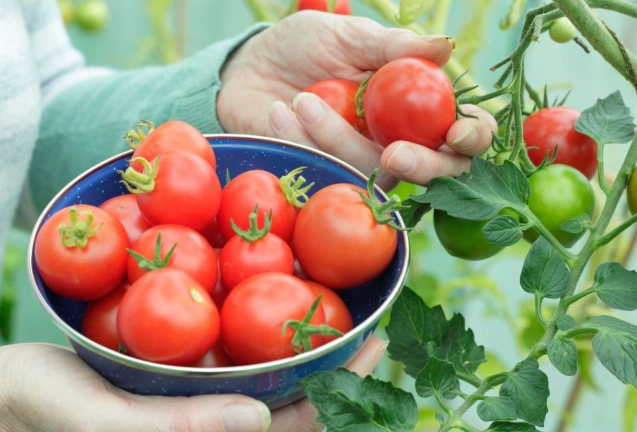
After fifteen years of trial and error (including the season I harvested two bushels of beautiful red tomatoes that tasted like cardboard), I've discovered most gardening guides miss the subtle signs that separate good harvests from great ones. The secret isn't just watching color—it's understanding how tomatoes actually ripen from the inside out.
What's Inside This Guide
Why Timing Matters: The Science Your Garden Center Won't Tell You
Tomatoes don't just change color—they undergo complex biochemical transformations. That vibrant red (or yellow, or purple) is the final stage of a process that begins weeks earlier. Here's what's happening inside: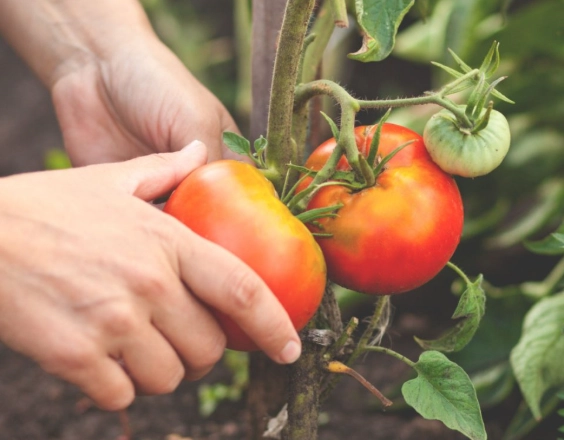
The Chlorophyll Breakdown
Green chlorophyll masks other pigments. As tomatoes mature, chlorophyll breaks down revealing carotenoids (red/orange) and anthocyanins (purple/black). But here's the catch: color change can happen independently of flavor development. I've seen tomatoes turn perfect red while still tasting grassy because they were stressed during the critical sugar-accumulation phase.
Ethylene Gas: The Ripening Trigger
Tomatoes produce ethylene gas that acts as a ripening hormone. This is why placing unripe tomatoes in a paper bag works—it concentrates the ethylene. But ethylene alone doesn't create flavor. According to research from the University of Florida's IFAS Extension, proper flavor development requires specific temperature ranges (68-77°F) and continues on the vine even after color change begins.
How to Tell When Tomatoes Are Ready to Pick: The 3-Sense Check
Forget the "when they're red" advice. Different varieties ripen to different colors—a Green Zebra will never turn red, and a Cherokee Purple looks diseased when perfectly ripe. Use this multi-sensory approach instead: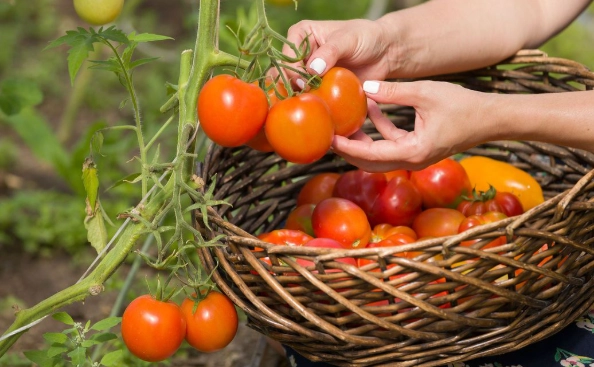
Visual Cues Beyond Color
Look for the "blush" stage where color first breaks through the green. For most red varieties, this means the bottom (blossom end) shows pink or red while the stem end remains greenish. The tomato should have uniform coloration for its variety—no white or hard green patches.
But color alone fooled me for years. Now I watch for these subtle signs:
- Skin texture: Ripe tomatoes develop a slight waxy sheen
- Size consistency: The fruit reaches its full variety-appropriate size
- Leaf comparison: Compare to other tomatoes on the same truss
The Feel Test Most People Get Wrong
Gently squeeze the tomato—not with your fingertips (which can bruise) but with your palm. A perfectly ripe tomato yields slightly like a firm pillow. Underripe feels like a baseball. Overripe feels like a water balloon.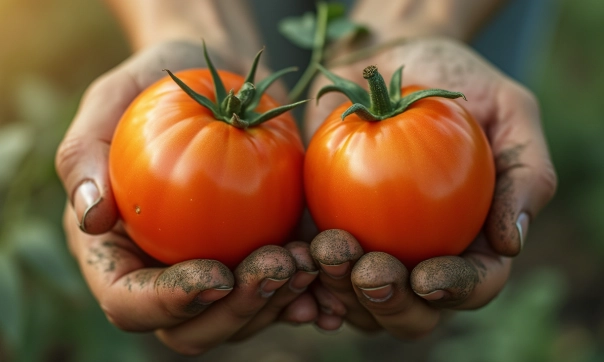
Here's where beginners mess up: they check only one spot. Rotate the tomato and test multiple areas. Ripeness often develops unevenly, especially in large heirlooms.
The Stem Test Nobody Talks About
This changed my harvesting game. Gently twist the tomato while supporting the vine. If it releases easily with a clean break at the abscission layer (that little knuckle where stem meets fruit), it's ready. If you're pulling hard or tearing, wait another day or two.
| Tomato Type | Color at Peak Ripeness | Key Texture Sign | Common Mistake |
|---|---|---|---|
| Beefsteak | Deep, uniform red | Yields slightly at shoulders | Harvesting before shoulders soften |
| Cherry | Varies by variety | Firm but not hard | Waiting for entire cluster to ripen |
| Heirloom (Purple) | Dusky purple with green shoulders | Waxy feel, slight give | Thinking green shoulders mean unripe |
| Green Zebra | Yellow-green stripes darken | Stripes become pronounced | Waiting for red color that never comes |
Common Mistakes and How to Avoid Them
Picking Too Early: The Green Tomato Trap
Impatience ruins more tomatoes than pests. That first blush of color triggers excitement, but tomatoes harvested too early never develop full flavor. The acids and sugars are still balancing. I keep a "patience jar" in my shed—every time I want to pick early, I put in a dollar. By season's end, I buy next year's seeds with the money.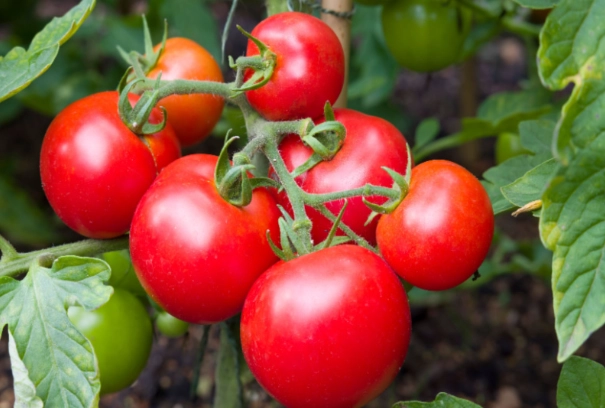
Waiting Too Long: The Splitting Disaster
Overripe tomatoes split easily, inviting insects and rot. But here's the nuance: splitting isn't always about overripeness. Some varieties (like many heirlooms) have thin skin that cracks easily. If you're growing these, harvest at first sign of color change and finish ripening indoors during rainy periods.
The Sunscald Misconception
Many gardeners think white or yellow patches mean disease. Usually it's sunscald—sunburn from exposed fruit. The fix isn't early harvesting but better foliage coverage. Leave some leafy growth to shade fruits, especially in hot climates.
Step-by-Step Guide to Harvesting Tomatoes
Tools You Actually Need
Skip the fancy gear. You need:
- Clean pruning shears (wipe with alcohol between plants to prevent disease spread)
- A shallow container (deep baskets bruise bottom tomatoes)
- Gardening gloves if you're sensitive to tomato foliage
The Right Technique: Morning vs. Evening
Harvest in late morning after dew dries but before afternoon heat. Tomatoes are turgid (full of water) in early morning, making them more prone to cracking when handled. Evening harvests catch plants stressed from daytime heat.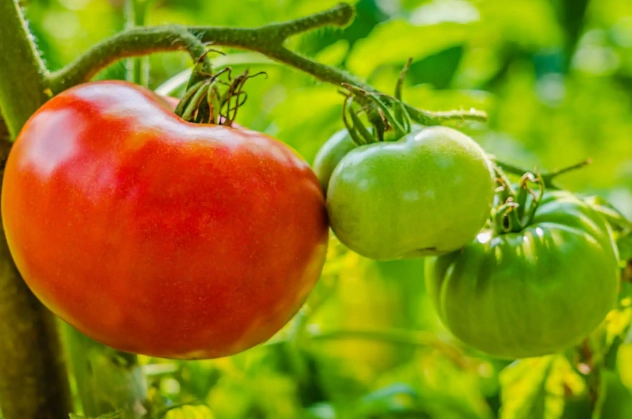
My routine: coffee, garden walk to check plants, then harvest around 10 AM. The tomatoes literally taste sweeter—I've measured brix levels with a refractometer to prove it.
Handling with Care
Tomatoes bruise more easily than eggs. Never stack them deep. Carry your container like you're transporting vintage wine glasses. If you're harvesting for canning or sauce, it's okay to be less delicate. But for eating fresh? Treat each tomato like a precious gift.
What to Do After Picking: Storage Secrets from Commercial Growers
How you handle tomatoes after harvest matters as much as timing. I learned this working with a local farm that supplies restaurants—their post-harvest protocol is military precise.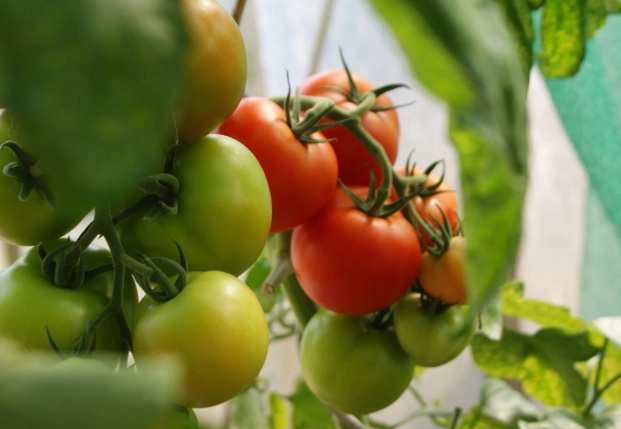
The Counter vs. Fridge Debate
Never refrigerate tomatoes unless they're fully ripe and you need to slow decay. Cold temperatures below 50°F damage cell structure and flavor compounds permanently. Store stem-side up on your counter away from direct sunlight.
The Paper Bag Trick (and When Not to Use It)
Yes, placing tomatoes in a paper bag with a banana accelerates ripening. But this works best for tomatoes already at the breaker stage. Completely green tomatoes in a bag will rot before ripening properly. I use this trick at season's end when frost threatens and I need to harvest everything.
When to Wash (Hint: Not Right Away)
Wait to wash until just before use. The natural bloom (that whitish coating) protects the tomato. Washing removes it and introduces moisture that speeds decay. If you must wash early, dry thoroughly and use within two days.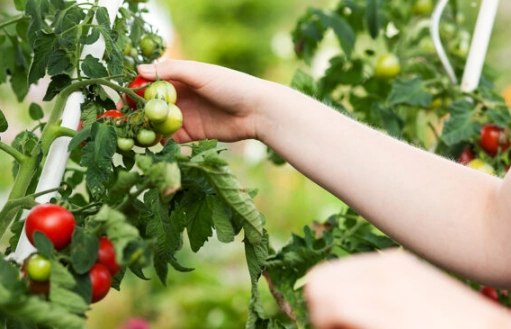
Your Tomato Harvesting Questions Answered
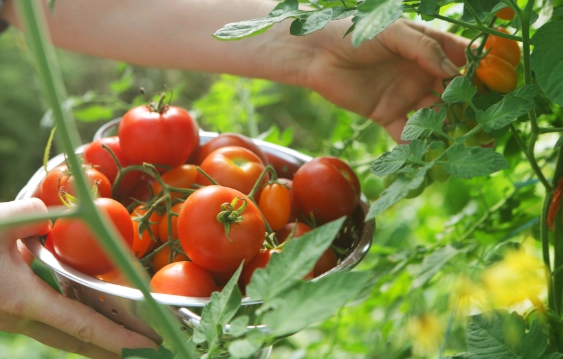
Harvesting tomatoes at the perfect moment feels like catching a wave just before it breaks. Too early and you miss the ride. Too late and it's all foam. But with these signs burned into your memory, you'll walk into your garden knowing exactly when to reach for those shears.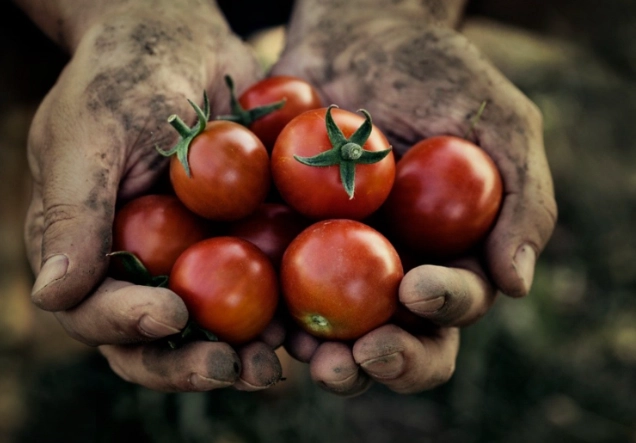
The real secret? Taste one. Not the perfect specimen you're saving for dinner—pick a slightly imperfect tomato from the same plant. If it makes you close your eyes and smile, the rest are ready. Your tongue knows what color charts can't tell you.
Now go check those plants. Your perfect harvest is waiting.
Reader Comments