Quick Navigation
- Getting Started: What You Need to Know Before You Sow
- The Foundation of Everything: Preparing Your Soil
- Planting: The Art of Sowing Tiny Seeds
- The Crucial Stages: Thinning, Watering, and Feeding
- Keeping Trouble at Bay: Pests and Problems
- Harvesting and Storing Your Bounty
- Your Carrot Growing Questions, Answered
So you want to learn how to grow carrots? Let me tell you, there's nothing quite like pulling a bright orange, sweet, and crunchy carrot from your own soil. It feels like a magic trick every single time. But you know what? Carrots can be a bit... fussy. Get the soil wrong, and you end up with stumpy, forked, or just plain weird-looking roots. I've been there. My first attempt looked more like abstract art than food.
But don't let that scare you off. Once you figure out their few simple needs, learning how to grow carrots is incredibly rewarding and surprisingly straightforward. This isn't just about sticking seeds in the ground. It's about understanding what makes a carrot happy from the moment it's a tiny seed to the day you twist it out of the earth. Whether you have a huge vegetable plot or just a couple of pots on a sunny balcony, you can do this.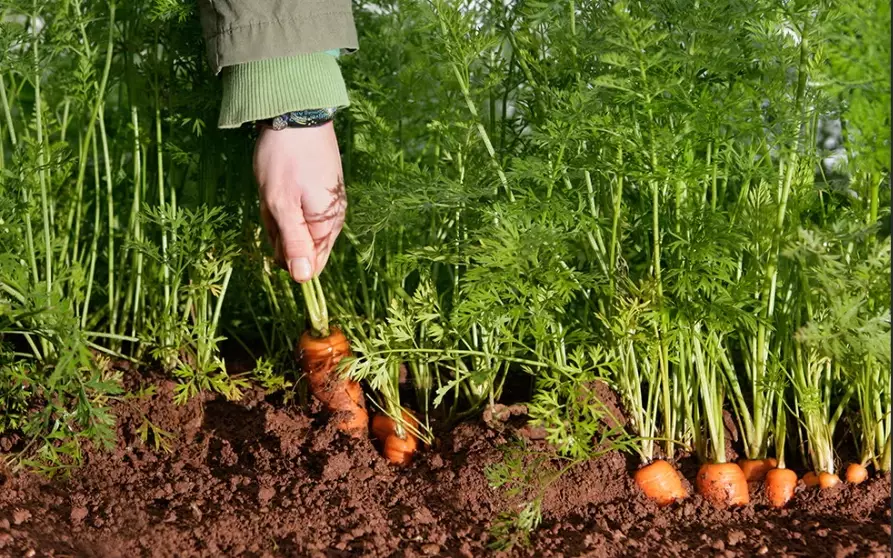
Getting Started: What You Need to Know Before You Sow
Before you even look at a seed packet, let's talk about what a carrot plant actually wants. Think of it as a first date. You need to make a good impression from the start. Carrots are root vegetables, which means their entire world is the soil you plant them in. If that world is rocky, clumpy, or nutrient-poor, you're setting yourself up for disappointment.
Carrots prefer cooler weather. They germinate best in soil that's not too hot and grow sweetest when they mature in the coolness of fall or spring. That timing is your first key decision.
Choosing Your Carrot Champion: A Breakdown of Types
Not all carrots are created equal. Picking the right type for your soil and your goals is half the battle. Here's the lowdown:
| Type | Shape & Size | Best For | Popular Varieties | My Personal Take |
|---|---|---|---|---|
| Nantes | Cylindrical, 6-7 inches long, blunt tip. | Most garden soils. Sweet, crisp, and coreless. | 'Scarlet Nantes', 'Napoli', 'Touchon' | The reliable all-rounder. My go-to for predictable success. |
| Danvers | Conical, thicker at the top, 6-8 inches. | Heavier or shallower soils. Great for storage. | 'Danvers 126', 'Healthmaster' | Tough and productive, but sometimes less sweet than Nantes. |
| Chantenay | Stocky, broad shoulders, 4-5 inches long. | Heavy, clay, rocky, or shallow soils. | 'Red Cored Chantenay', 'Kuroda' | The problem-solver. If your soil isn't perfect, start here. |
| Imperator | Long & tapered, classic supermarket shape, 10+ inches. | Deep, loose, sandy, perfect soil. | 'Imperator 58', 'Sugarsnax 54' | High-risk, high-reward. Needs ideal conditions to shine. |
| Mini/Ball | Small, round, 1-3 inches diameter. | Containers, shallow beds, kids' gardens. | 'Parisian', 'Romeo', 'Parmex' | Fun, fast, and foolproof. Perfect for pots. |
See what I mean? If you're just figuring out how to grow carrots, maybe don't start with the finicky ten-inch Imperators. Go for a sturdy Chantenay or a reliable Nantes. You'll get a confidence-boosting harvest and learn the ropes.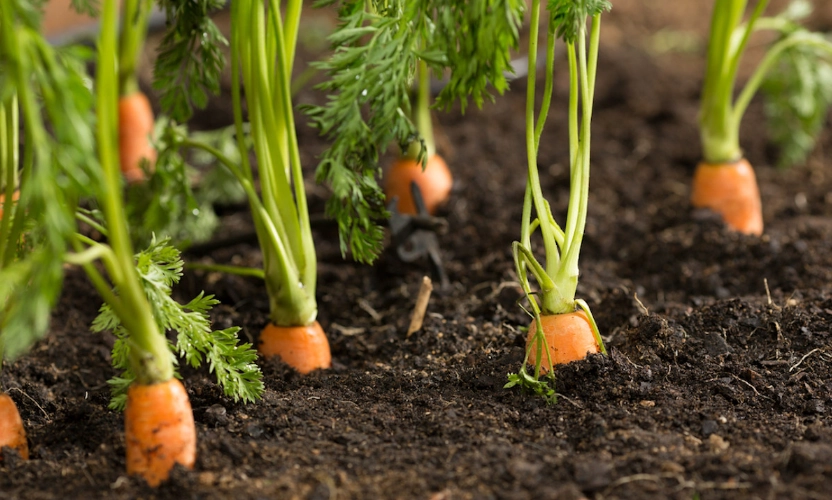
The Foundation of Everything: Preparing Your Soil
This is the single most important step. You can't skip it. Carrot seeds are tiny, and the seedling's taproot needs to push down easily without meeting resistance. Rocks, sticks, or hard clods of clay will cause the root to split, fork, or become stunted.
Start early, a few weeks before you plan to plant. Remove all stones, clumps, and debris from the top 12 inches of soil. If you have heavy clay soil, you absolutely must amend it. I mix in a 3-4 inch layer of coarse sand and well-rotted compost or leaf mold. The sand improves drainage and breaks up clay particles, while the compost adds gentle nutrition and improves texture.
Just adding sand to clay can sometimes make concrete. The compost is the crucial binder that prevents that.
Avoid fresh manure or high-nitrogen fertilizers at this stage. Too much nitrogen gives you gorgeous, fluffy tops but pathetic, hairy, or split roots. Carrots are after phosphorus and potassium for root development. A light dusting of bone meal or a balanced, slow-release organic fertilizer worked into the soil is a safer bet.
The No-Dig Method: A Game-Changer for Carrots
Here's a modern tip that solves a lot of problems: consider a no-dig approach. Instead of tilling and potentially bringing new rocks to the surface, you build up. Create a raised bed or simply mound up a mix of perfect soil on top of your existing ground.
Fill a raised bed or create a 12-inch deep mound with a mix of:
- 1/3 screened topsoil (sifted to remove stones)
- 1/3 compost
- 1/3 coarse sand or a purchased "potting mix for vegetables"
This gives you complete control over your carrot's environment. It's more work upfront, but the harvests are consistently beautiful. The University of California's Statewide Integrated Pest Management Program has great resources on building and managing raised beds, which are perfect for root crops.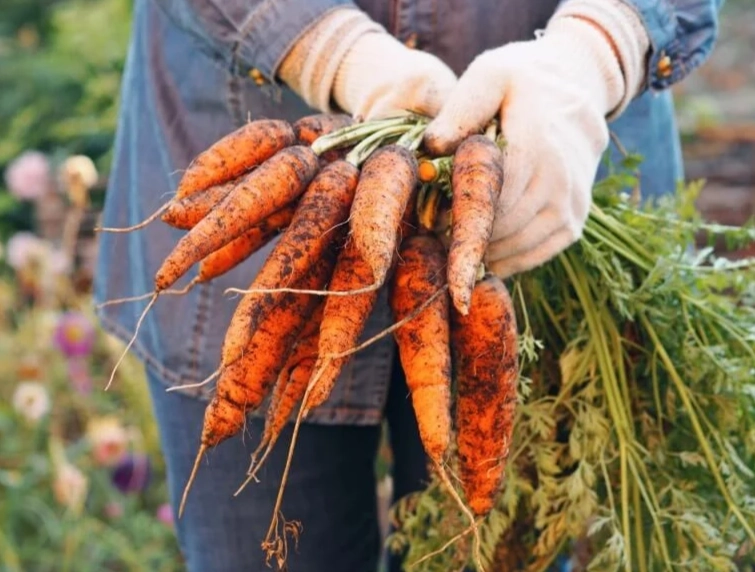
Planting: The Art of Sowing Tiny Seeds
Now for the fun part. Carrot seeds are notoriously small and slow to germinate (it can take 14-21 days). This is where many gardeners get impatient.
I create shallow furrows in my prepared soil, about half an inch deep. To help space the seeds (because thinning is a pain), I sometimes mix the seeds with a handful of dry sand and sprinkle the sand-seed mix down the row. It gives them a bit more room from the start.
Water the furrow gently before sowing. This prevents the tiny seeds from washing away. After sowing, lightly cover them with a fine, sifted soil mix or vermiculite, just enough to barely cover them. Then, water again with a very fine mist spray to settle them in without disturbing them.
Keep the soil consistently moist, not soggy, during the long germination period. A light covering of burlap or a thin layer of grass clippings can help retain moisture. Just be sure to remove the burlap as soon as you see the first green threads.
How to Grow Carrots in Containers
No yard? No problem. Learning how to grow carrots in containers is not only possible, it's often easier because you control the entire medium.
Pick a pot that's at least 12 inches deep, but deeper is better (especially for longer varieties). Make sure it has excellent drainage holes. Fill it with a high-quality potting mix—don't use garden soil, as it compacts in containers. To improve drainage, you can mix in a bit of extra perlite or coarse sand.
Sow the seeds thinly on the surface, cover lightly, and water. Place the container in full sun. The soil in pots dries out faster, so check moisture daily. Container carrots might need slightly more frequent, light feeding with a diluted liquid fertilizer since nutrients wash out with watering.
Choosing shorter or round varieties like 'Parisian' or 'Romeo' is a smart move for pots, but I've had decent success with 'Nantes' types in deep enough containers.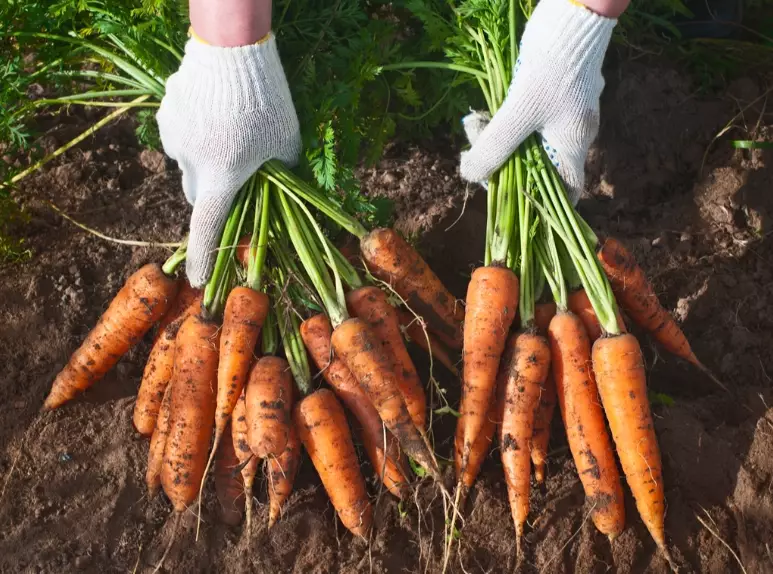
The Crucial Stages: Thinning, Watering, and Feeding
Your seeds have sprouted. Great! Now the real care begins.
Thinning: The Hardest But Most Necessary Job
You will have sown too many seeds. Everyone does. Carrots need space to plump up. If they're crowded, they'll stay spindly and compete for resources.
When the seedlings are about 2 inches tall, it's time for the first thin. Gently pull out the smallest, weakest seedlings, aiming to leave the strongest ones spaced about an inch apart. It feels wasteful, but it's not. You're giving the remaining plants a future.
Snip them at soil level with scissors instead of pulling if you're worried about disturbing the roots of the keepers.
A few weeks later, when the carrot tops are bigger and you can start to see tiny shoulders, thin again. This time, aim for your final spacing: 2 to 3 inches apart for most varieties, 4 inches for larger types. The thinnings you get now might be big enough to eat as delicious "baby carrots."
Watering Wisdom: Deep and Consistent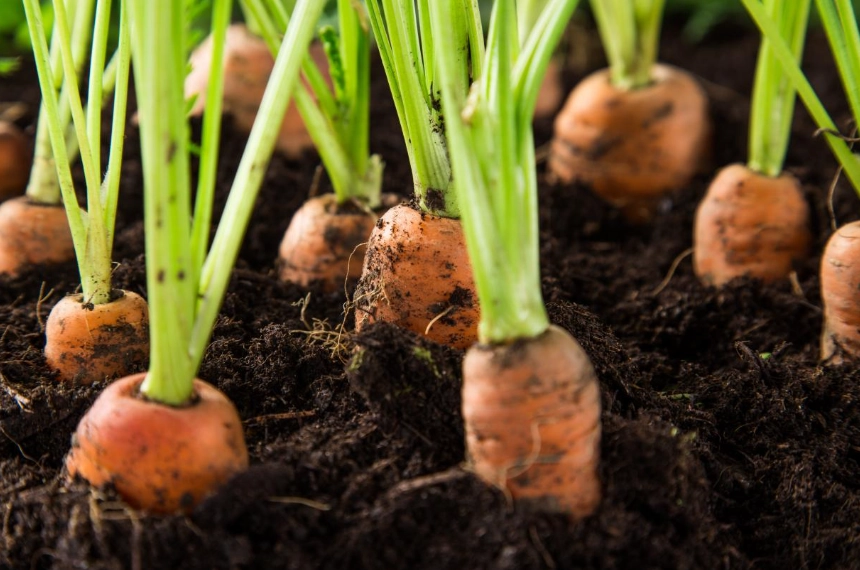
Irregular watering is the main cause of carrots cracking or becoming tough and bitter. They want a steady supply of moisture.
The goal is to encourage the roots to grow deep. Water deeply and less frequently, rather than giving them little daily sprinkles. A good soak that penetrates 6-8 inches into the soil is ideal. Then, let the top inch of soil dry out slightly before watering again. A layer of mulch (straw, grass clippings, shredded leaves) around the plants after the second thinning is a lifesaver. It conserves moisture, keeps the soil cool, and suppresses weeds.
To Feed or Not to Feed?
If you prepared your soil well with compost, you might not need to fertilize at all. Over-fertilizing, especially with nitrogen, is worse than under-fertilizing.
If your plants look pale or stunted, a side dressing of a low-nitrogen, high-phosphorus fertilizer (like a 0-10-10 blend) or some more compost mid-season can give them a boost. For container carrots, a monthly dose of a balanced, half-strength liquid fertilizer is usually beneficial.
Keeping Trouble at Bay: Pests and Problems
Carrots have a few famous enemies. The good news is they're manageable.
- Carrot Rust Fly: This is the big one. The maggots tunnel into roots, ruining them. The adult fly is attracted by the smell of crushed carrot foliage. Prevention is key. Use floating row covers (like Reemay) immediately after planting to physically block the flies. Also, avoid thinning on hot, still days when the scent travels far—do it on a cool, windy day or in the evening. The University of Minnesota Extension has excellent, detailed management strategies.
- Aphids: They cluster on the undersides of leaves. A strong blast of water from the hose usually knocks them off. Insecticidal soap works for heavy infestations.
- Leaf Blight: Shows as brown or black spots on leaves. Promote good air circulation by proper spacing and avoid overhead watering to keep leaves dry. Rotate your crops—don't plant carrots in the same spot year after year.
Companion Planting: Your Garden's Support System
This is a natural way to deter pests. Strong-smelling plants can confuse or repel carrot pests.
I always interplant my carrot rows with onions, leeks, or chives. The theory is that the onion smell masks the carrot smell from the rust fly. Rosemary and sage nearby are also said to help. Lettuce or radishes are good companions too, as they're quick-growing and don't compete heavily. I plant radishes in the same row as carrots—the radishes germinate fast, break the soil crust, and are harvested long before the carrots need the space.
Harvesting and Storing Your Bounty
How do you know when they're ready? Most varieties are mature 60-80 days after sowing, but the best test is visual.
Gently brush away a little soil from the top of a carrot's shoulder. If the diameter looks good for the variety you planted (often 1/2 to 1 inch), it's likely ready. Taste is the final judge—pull one and try it! Carrots can be harvested at any size, but they get sweeter after a light frost.
To harvest, water the soil first to loosen it, then gently grasp the foliage at the base and wiggle and pull while twisting slightly. If the tops break off (they often do, especially on larger carrots), use a garden fork to carefully loosen the soil beside the root and lift it out.
For storage, twist off the tops about an inch above the crown. The leaves draw moisture and rot from the roots. Don't wash them—just brush off excess soil. Store them in a cool, humid place. The classic method is in boxes of damp sand or peat moss in a root cellar. For most of us, the crisper drawer of the fridge works. Place them in a perforated plastic bag with a slightly damp paper towel. They'll keep for months.
Your Carrot Growing Questions, Answered
Look, the process of how to grow carrots teaches you more about gardening than almost any other vegetable. It forces you to pay attention to soil, spacing, and patience. Your first crop might not be perfect, and that's okay. Each fork or crack is a lesson. But when you pull up that first straight, deep-orange, sweet root that you grew from a speck of a seed, you'll be hooked. It's a taste of real success. So get out there, prepare a bed, and give it a try. You might just find that learning how to grow carrots becomes your new favorite garden hobby.
Reader Comments