Guide Overview
- Before You Dig: The Asparagus Mindset
- Step 1: Picking Your Champion Variety
- Step 2: The Bed – Location is Everything
- Step 3: Planting – The Right Way to Put Crowns to Bed
- The Critical First Two Years: How to Grow Asparagus Patience
- The Annual Cycle of a Mature Asparagus Bed
- Common Problems (And Real Solutions)
- Harvesting and Storing Your Bounty
Let's be real. When you're thinking about how to grow asparagus, you're probably imagining those thick, tender spears from the grocery store, but from your own garden. It's a fantastic goal. But here's the thing nobody tells you right away: asparagus is a commitment. It's not like tossing some lettuce seeds in the ground. You're planting a perennial vegetable that, if you treat it right, will feed you for 15, even 20 years.
That's wild, right? A single planting lasting decades. It's why learning how to grow asparagus the right way from the start is so crucial. Mess up the first year, and you'll be paying for it for a long time. I learned that the hard way by being too eager to harvest. But get it right, and it's arguably the most rewarding crop in the garden. Low maintenance after establishment, early spring harvests when nothing else is ready, and unbeatable flavor.
So, if you're ready to play the long game, this guide will walk you through every single step. We'll ditch the fluff and get into the dirt of what actually works.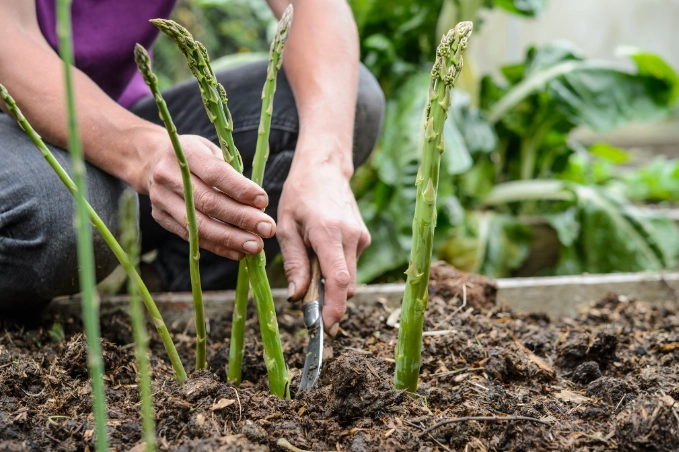
Before You Dig: The Asparagus Mindset
This isn't a sprint; it's a marathon with a delicious prize. The first year is all about building the plant's strength, not feeding you. You'll invest time and a bit of money upfront for crowns or seeds, prepare a dedicated bed, and then... wait. You'll see those first wispy ferns and have to hold back. It tests your patience, but it's the non-negotiable secret to a strong patch.
Think of it like investing in a young fruit tree. You wouldn't strip all the apples off a sapling, would you? Same principle here. The fern (the leafy part) is the solar panel that feeds the crown (the root system) underground. Bigger, healthier ferns mean a bigger, healthier crown next spring, which means more and fatter spears.
Step 1: Picking Your Champion Variety
This is your first major decision. Most home gardeners start with crowns (1-year-old dormant roots), which get you to harvest about a year faster than seeds. But seeds are cheaper and offer more variety. Here's the breakdown of the main types you'll encounter when figuring out how to grow asparagus: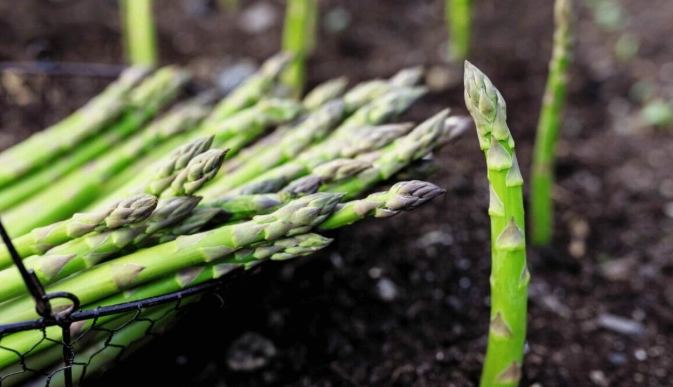
The Classic: All-Male Hybrids (Jersey Series, Millennium)
These are the rockstars of the asparagus world for a reason. Old varieties produce both male and female plants. The females waste energy producing seeds (those little red berries), which often drop and become weedy seedlings. All-male hybrids like Jersey Knight, Jersey Supreme, and Millennium put all their energy into making spears. They yield more, often have better disease resistance, and are less weedy.
Honestly, for a new gardener, this is the way to go. The yield difference is noticeable.
The Heirloom: Mary Washington
The old standard. It's reliable, rust-resistant (a big deal in the early 1900s when it was developed), and widely available. You'll get both male and female plants, so expect some self-seeding. The flavor is classic. It's a solid, no-fuss choice if you can't find the newer hybrids or prefer heirlooms.
The Purple One: Purple Passion
It's stunning. The spears are deep purple and slightly sweeter and more tender due to higher sugar content and lower fiber. Here's the catch: it turns green when you cook it. So, it's fantastic for eating raw in salads. The yields are usually a bit lower than the top Jersey hybrids, but sometimes you grow things just because they bring you joy, right?
| Variety | Type | Key Traits | Best For |
|---|---|---|---|
| Jersey Knight | All-Male Hybrid | High yield, excellent cold tolerance, good disease resistance. | Gardeners in colder climates wanting maximum production. |
| Millennium | All-Male Hybrid | Very high yield, adapts well to various soils, strong fern growth. | Anyone looking for a top-performing, reliable workhorse. |
| Mary Washington | Heirloom (Open-Pollinated) | Good rust resistance, reliable, classic flavor. | Heirloom enthusiasts and gardeners on a tighter budget. |
| Purple Passion | Purple Heirloom | Sweet, tender spears; striking purple color (cooks to green). | Adding visual interest and sweet flavor for fresh eating. |
Step 2: The Bed – Location is Everything
You can't just stick asparagus anywhere. This bed will be permanent. Choose poorly, and you'll regret it for years.
Sun and Soil: The Non-Negotiables
Full Sun. I mean at least 8 hours. More is better. This is the engine for your harvest.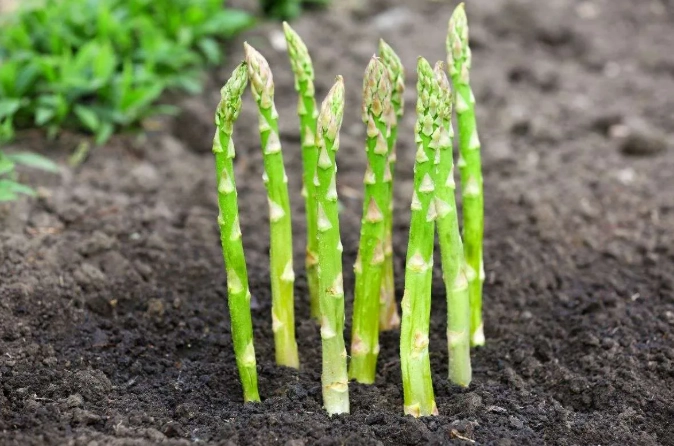
Soil Drainage. This is the most critical factor. Asparagus crowns will rot in soggy, waterlogged soil. If your yard has heavy clay that puddles, you must raise the bed. I'm talking 8-12 inches high. It's extra work now that saves heartbreak later.
Soil pH. They prefer slightly sweet soil, a pH between 6.5 and 7.5. A simple soil test from your local cooperative extension office is worth its weight in gold. If your soil is acidic (common in many areas), you'll need to add lime according to the test results.
Pro Tip: Avoid spots where asparagus, onions, garlic, or potatoes have grown in the last 3 years to reduce disease risk. Good companions? Tomatoes and parsley are said to help repel asparagus beetles. I plant basil nearby too—it seems to help, and I get basil.
Step 3: Planting – The Right Way to Put Crowns to Bed
Early spring, as soon as the soil is workable, is crown-planting time. Here's the exact process for how to grow asparagus from crowns.
1. Prep the Trench
Dig a trench. Not a hole, a trench. It should be about 12 inches wide and a full 8-10 inches deep. For long rows, a renting a trenching shovel makes this back-breaking job much easier. Trust me.
In the bottom of the trench, create a 2-inch high mound of loose soil or compost. This gives the roots a place to drape over.
2. Soak and Place the Crowns
Soak your bare-root crowns in lukewarm water for 15-30 minutes before planting. Space them 12-18 inches apart in the trench, draping the roots over your little soil mound. If you're doing multiple rows, keep the rows 3-4 feet apart. This seems huge now, but those ferns will get bushy.
3. The Gradual Fill-In
This part is magic. Cover the crowns with just 2-3 inches of the original soil. Water it in. As the spears grow through that soil, you gradually add more soil from the pile you made digging the trench. Keep doing this until the trench is filled level with the surrounding soil. This method gives the young shoots a shallower depth to push through initially, helping them grow stronger.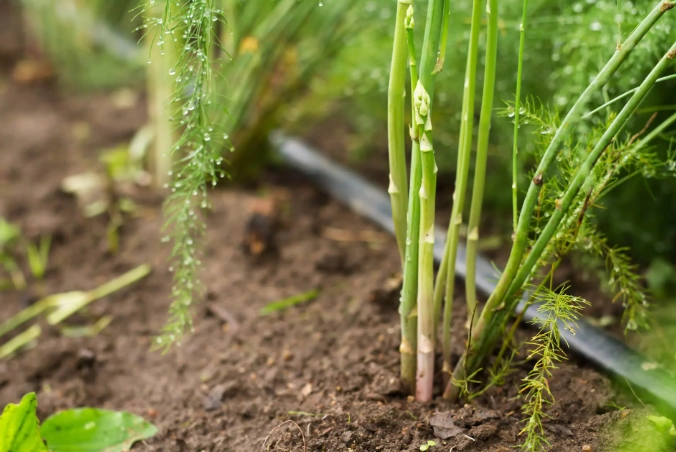
Watch Out: Don't be tempted to plant the crowns too deep right away. Burying them 10 inches down immediately can suffocate them and delay growth. The gradual fill is key.
The Critical First Two Years: How to Grow Asparagus Patience
This is where most guides gloss over the details. The first two seasons determine your patch's future.
Year One: The Fern Factory
Spears will emerge. They will look tempting. Do not harvest any. I know, I know. But don't. Let every single spear grow into a tall, feathery fern. Your job is to baby these ferns. Water during dry spells (about 1-2 inches per week), keep the bed meticulously weeded (asparagus hates competition), and side-dress with compost or a balanced organic fertilizer in mid-summer. The goal is the biggest, lushest ferns possible by fall.
Year Two: A Tiny Taste
Spring comes, and you'll see more, thicker spears. You can harvest, but be extremely light-handed. Take spears that are thicker than a pencil for just 2-3 weeks, then stop. Let the rest fern out. This year is still about building reserves. The wait is almost over.
Patience is key.
Year Three and Beyond: The Payoff
Now you can harvest fully! The standard rule is an 8-week harvest window, from when spears first appear until about mid-June (this varies by climate). After that, stop cutting and let the ferns grow to recharge the crowns.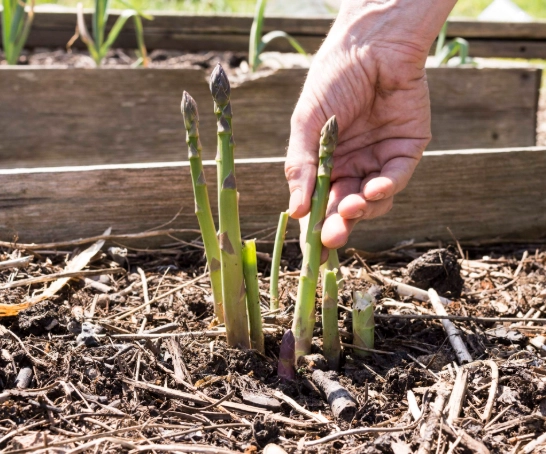
The Annual Cycle of a Mature Asparagus Bed
Once established, the yearly routine is simple and satisfying.
- Early Spring: As soil warms, spears push up. Harvest daily or every other day when spears are 6-8 inches tall. Cut or snap just below the soil surface.
- Late Spring (June-ish): End harvest. Let the last spears grow into ferns.
- Summer: Maintain fern growth. Water during drought. The bed looks like a lovely, airy green hedge.
- Fall: After the ferns turn yellow/brown, cut them down to 1-2 inches above the ground. Remove and destroy the foliage (don't compost) to help control pests like asparagus beetles that overwinter there.
- Late Fall/Winter: Top-dress the bed with a 2-inch layer of finished compost or well-rotted manure. This feeds the crowns for next year. A light mulch of straw can be added after the ground freezes in cold climates.
Common Problems (And Real Solutions)
Even with perfect care, issues pop up. Here's what you'll likely face.
Asparagus Beetles
The most common pest. You'll see metallic blue-black beetles with cream spots or their ugly little black larvae chewing on ferns and spears. A severe infestation can defoliate ferns, weakening the plant.
My method: Hand-pick them in the morning when they're sluggish. Drop them in soapy water. For bad years, I use spinosad (an organic bacterial insecticide) on the ferns after harvest is done. Keeping the bed clean in fall by removing old ferns is the best prevention.
Rust and Fusarium Wilt
Fungal diseases. Rust shows as orange pustules on ferns. Fusarium causes spears and ferns to wilt and die back. Prevention is everything: plant resistant varieties (like the Jersey series), ensure good air circulation, avoid overhead watering, and practice crop rotation in your other beds.
Thin, Spindly Spears
This is usually a sign of stress: harvesting too early or too long, overcrowding, poor soil fertility, or drought stress during the fern phase. Go back to basics: stop harvesting, feed and water the ferns well, and thin overcrowded crowns in early spring if needed.
Your Asparagus Questions, Answered
Harvesting and Storing Your Bounty
You've waited years. Now, enjoy it.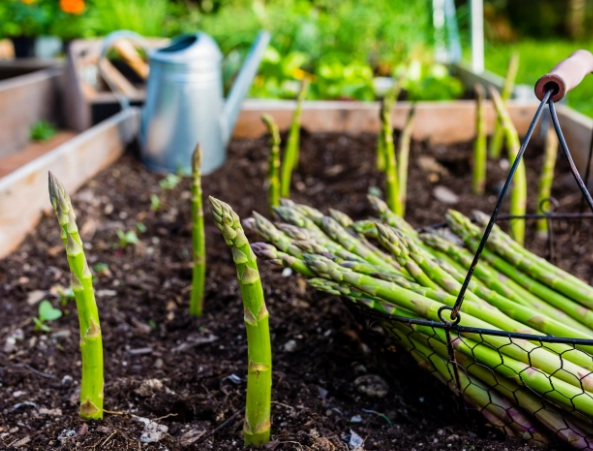
Harvesting: Use a sharp knife and cut at an angle about 1-2 inches below the soil, or simply snap the spear by hand where it naturally breaks. Snapping often yields a more tender spear, as it breaks at the tough/ tender boundary.
Storing: Asparagus is best eaten immediately. If you must store it, treat it like cut flowers. Stand the spears upright in a jar with an inch of water in the fridge, loosely covered with a plastic bag. They'll keep for several days. For longer storage, blanching and freezing works well.
Learning how to grow asparagus is a lesson in delayed gratification. You put in the work upfront, follow the rules (especially about not harvesting too soon), and then you're rewarded with the first true taste of spring, year after year after year. There's nothing quite like walking out to your garden in early May and cutting a bundle of spears you grew yourself. It makes the wait worth it. Start your bed this spring. Your future self will thank you.
Reader Comments