Jump to Key Sections
- Why Bother with a Raised Bed Anyway?
- The Goldmine of Free & Cheap Materials
- Top 15 Inexpensive Raised Garden Bed Ideas You Can Actually Build
- The $50, 4'x8' Bed: A Step-by-Step Plan (Using New, Untreated Wood)
- Filling Your Bed Without Breaking the Bank
- Answers to Your Burning Questions (FAQ)
- Making It Last & The Final Word
Let's be real. You see those gorgeous cedar raised beds at the garden center, and your heart says yes but your wallet screams no. I've been there. Staring at a price tag that's more than I spent on seeds for the entire year. It's enough to make you think raised bed gardening is just for people with fancy backyard budgets.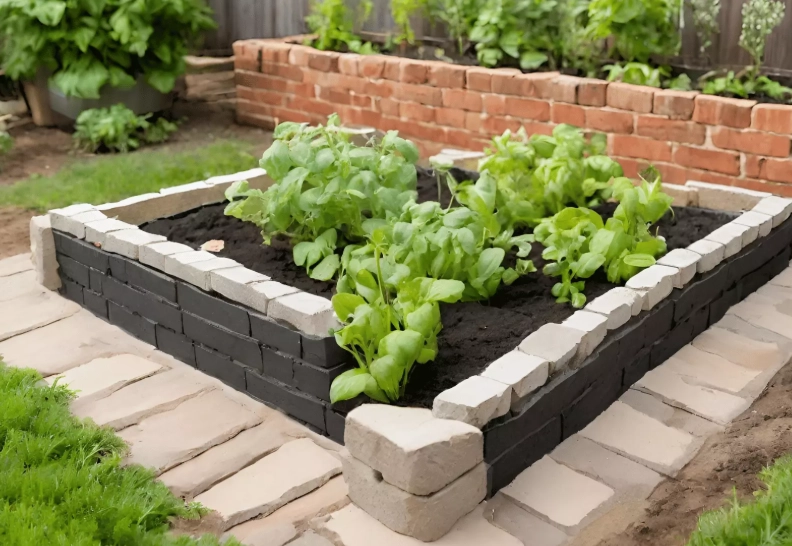
Well, I'm here to tell you that's complete nonsense.
Some of the most productive and creative gardens are born from necessity and a bit of clever scrounging. Building inexpensive raised garden beds isn't just about saving money—though that's a huge perk. It's about resourcefulness. It's about looking at what others call trash and seeing a future home for your tomatoes. Over the years, I've built beds from just about everything you can imagine, made plenty of mistakes, and learned what truly works without breaking the bank.
This guide is all about actionable, inexpensive raised garden bed ideas you can start on this weekend. We'll move past the basic "use wood" advice and dive into specific materials, their pros and cons, step-by-step builds for under $50, and how to avoid the common pitfalls that can turn a cheap project into a wasted one.
Why Bother with a Raised Bed Anyway?
Before we jump into the how, let's quickly talk about the why. If it's more work to build one, why not just plant in the ground? For me, it started with terrible soil. My backyard was basically clay soup in spring and concrete in summer. Raised beds gave me control. You fill them with the perfect mix of soil right from the start. No more battling with compaction or poor drainage.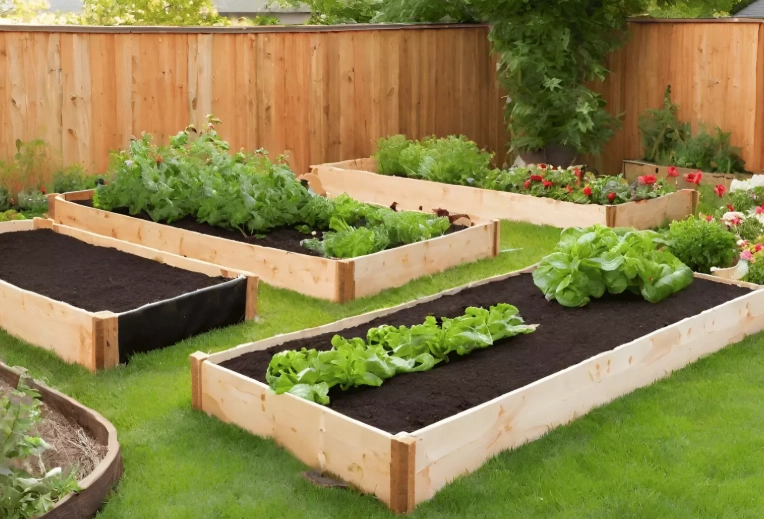
They also warm up faster in spring, which means you can plant earlier. Weeds? Much easier to manage when you have a defined border. And if you have back issues like I do, building them to a comfortable height is a game-changer. No more kneeling in the mud.
But the biggest barrier for most people is the perceived cost. Let's dismantle that.
The Goldmine of Free & Cheap Materials
The core of any inexpensive raised garden bed idea is the material. Forget buying new lumber as your first option. Your first stop should be looking for what's already around, waiting for a second life.
Here’s a breakdown of the most common budget materials, what they cost, and what you need to watch out for.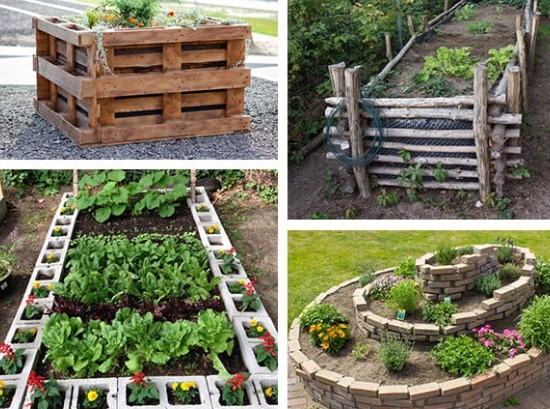
| Material | Estimated Cost (for a 4'x8' bed) | Pros | Cons & Important Notes |
|---|---|---|---|
| Reclaimed Pallet Wood | $0 - $20 (for hardware) | Often free, readily available, good wood thickness. | Must ensure pallets are heat-treated (look for HT stamp), not chemically treated (avoid MB stamp). Labor-intensive to dismantle. May rot in 3-5 years. |
| Concrete Cinder Blocks | $30 - $60 | Extremely durable, requires no building, holes can be used for herbs. | Heavy to move. Can increase soil pH slightly over time (usually not a problem). Some don't like the industrial look. |
| Corrugated Metal (with wood frame) | $50 - $80 | Modern look, long-lasting metal, simple wood frame is cheap to build. | Edges can be sharp—must be filed/hammered down. Metal can get hot in sun. Requires a simple internal wood frame for structure. |
| Natural Logs or Branches | $0 | Rustic, charming look, completely free if you have fallen trees. | Irregular shapes make building tricky. Will decompose, attracting insects and fungi (which isn't always bad for ecology). |
| Recycled Plastic Lumber | $40 - $70 | Rot-proof, often made from recycled milk jugs, easy to clean. | Can be more expensive upfront. Some types can sag over very long spans unless supported. |
| Straw Bales (as the actual bed) | $15 - $30 | Ultra-cheap, no building required, decomposes into compost. | Lasts only 1-2 seasons. Requires a specific "conditioning" process before planting. Needs frequent watering. |
See? The options go way beyond just buying 2x6s. Your best pick depends on what you can find locally and how much sweat equity you want to invest.
Top 15 Inexpensive Raised Garden Bed Ideas You Can Actually Build
Now for the fun part. Let's turn those materials into specific plans. These are inexpensive raised garden bed ideas ranging from the laughably simple to the slightly more involved weekend project.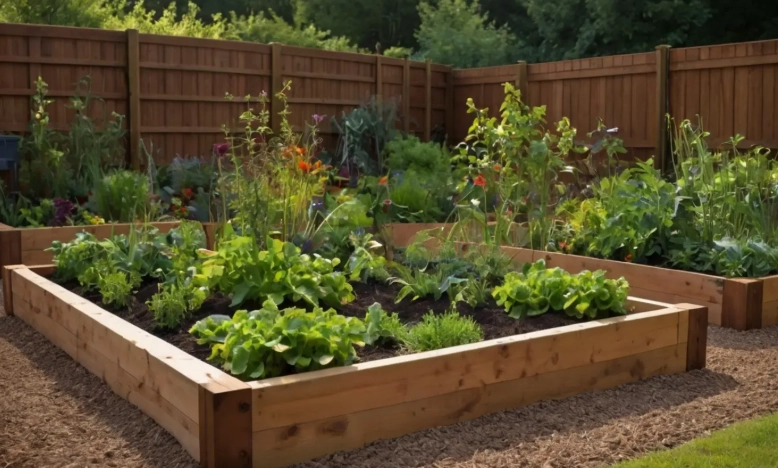
The No-Build, Instant Options
For those who want results yesterday.
The “Found Object” Bed: An old metal washtub with holes drilled in the bottom. A discarded wooden crate. Even a sturdy, food-safe plastic tote. If it can hold soil and drain water, it can be a mini raised bed. I've seen incredible gardens in old livestock watering troughs.
The Simple Wood Frame Family
These are the classic DIY inexpensive raised garden bed ideas.
The Pallet Plank Special: This is the one I built. Dismantle pallets using a pry bar and hammer (or a fancy pallet buster tool). You'll get boards of varying lengths. Don't aim for perfection. Use the longest, straightest boards for the sides. Join them at the corners with simple 2x4 or 4x4 posts sunk into the ground for stability. The rustic, mismatched look has real charm.
The “Lasts a Decade” Untreated Pine Bed: Here's a counter-intuitive tip: plain, untreated pine from the lumberyard is cheap. Yes, it will rot in maybe 5-7 years. But for a 4'x8' bed, the wood might only cost $35. If you accept that it's a temporary structure, it's a fantastic, low-effort start. Just don't use pressure-treated wood for edible gardens due to potential chemical leaching (modern treatments are debated, but I prefer to err on the side of caution).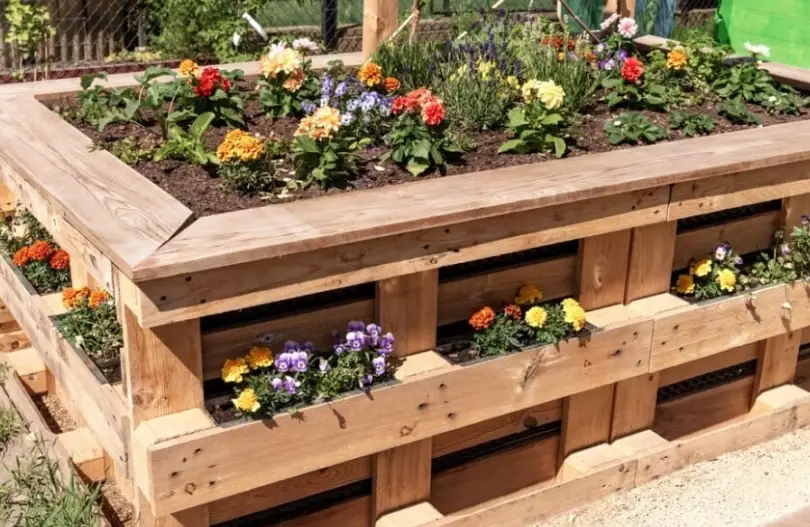
The Branch & Stake Wattle Bed: This is for the foragers. Use flexible, green branches like willow or hazel. Drive sturdy stakes into the ground at intervals along your bed line. Weave the branches in and out between the stakes, like a basket. It's beautiful, completely free, and biodegradable.
The Creative & Upcycled Champions
These inexpensive raised garden bed ideas turn heads and save serious money.
Corrugated Metal with 2x4 Corners: Buy one or two sheets of corrugated metal roofing. Build a simple internal frame for each long side from 2x4s. Screw the metal to the outside of the frame. Use 4x4 posts at the corners to connect everything. It looks professional and costs a fraction of a pre-made corten steel bed.
Use metal snips to trim and then a file or hammer to fold the cut edge over itself, creating a safe, blunt hem.
The Composite Decking Scrap Bed: Know someone redoing their deck? Composite decking scraps are often thrown away. They are rot-proof, sturdy, and easy to work with. Screw them to internal corner posts. It might be a patchwork of colors, but it will last forever.
Concrete Paver Stack Bed: Use solid concrete pavers (the kind without holes). Simply stack them like bricks in a staggered pattern. No mortar needed. The weight holds them together. You can make graceful curves easily. It's more expensive than cinder blocks but offers a cleaner, more formal look on a budget.
The $50, 4'x8' Bed: A Step-by-Step Plan (Using New, Untreated Wood)
Let's get hyper-specific. You want a standard-sized bed, you want to buy materials from one store, and you want to keep it under $50. Here's a reliable plan. This is the "I just want to get it done" blueprint.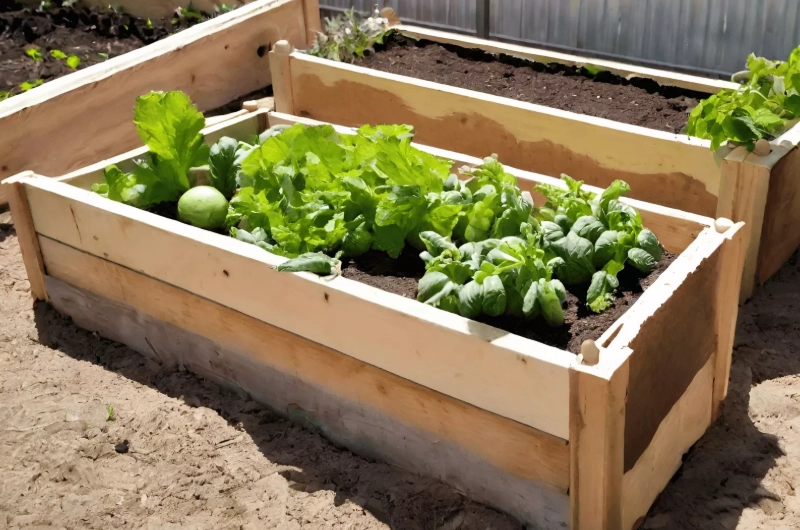
Materials List:
- (3) 2"x12"x8' Untreated Pine or Fir Boards (these will be cut to make the sides)
- (2) 2"x4"x8' boards for corner stakes and bracing
- 1 box of Exterior Deck Screws (3" long)
- Weed Barrier (optional, but I recommend cardboard from old boxes)
Tools: Saw (hand saw or power saw), drill, measuring tape, level, shovel.
Steps:
- Cut Your Boards: From the three 8-foot boards, cut one of them in half, giving you two 4-foot pieces. You now have two 8-foot boards (for the long sides) and two 4-foot boards (for the short ends).
- Prep the Site: Mark out a 4'x8' rectangle on level ground. Remove any sod or large weeds from inside the area. Loosen the native soil with a garden fork to improve drainage—just a quick dig-over.
- Make the Corner Stakes: Cut four 16-inch pieces from your 2x4s. Sharpen one end of each to a point with a saw or hatchet.
- Assemble the Box: Lay your boards on edge on a flat surface to form the rectangle, with the 8-foot boards on the outside of the 4-foot boards. Drill pilot holes and screw the corners together using two screws per joint.
- Set the Box & Secure: Place the assembled box over your prepared site. Use a level to make sure it's reasonably level (perfection isn't critical). Drive a sharpened 2x4 stake into the ground at each outside corner, snug against the bed walls. Screw the bed walls firmly into these stakes from the inside. This anchors the whole bed.
- Add a Mid-Point Brace (Optional but Smart): For an 8-foot span, a middle brace prevents bowing. Cut another piece of 2x4 to fit across the width inside the bed, halfway down its length. Screw it to the side walls. This acts like a spreader bar.
- Line the Bottom: Lay down flattened cardboard boxes inside the bed, overlapping the edges. This smothers weeds but will decompose. Do NOT use plastic sheeting—it impedes drainage and worms.
And you're done. The structure is ready for soil. Total build time: 2-3 hours for a beginner.
Filling Your Bed Without Breaking the Bank
Ah, the soil. This is where many budget projects stumble. Buying enough bagged potting mix to fill a bed can cost more than the bed itself! Here's the classic, cost-effective "lasagna" or sheet mulch method to fill your inexpensive raised garden beds for a fraction of the cost.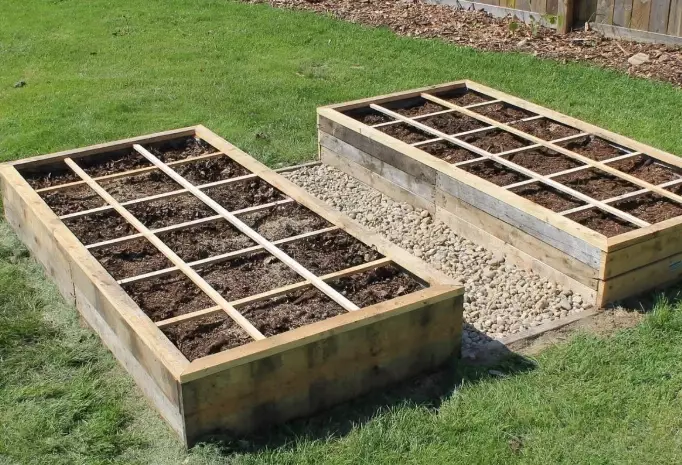
You're building layers of organic matter that will break down into beautiful soil.
- Bottom Layer (Aeration & Weed Block): Start with a few inches of rough, bulky material. Think small branches, twigs, corn stalks, or even crumpled-up cardboard. This improves long-term drainage.
- Green & Brown Layers: Add a 4-6 inch layer of "browns" (carbon-rich): fallen leaves, shredded newspaper, straw, or wood chips (not bark mulch). Then add a 2-3 inch layer of "greens" (nitrogen-rich): grass clippings (from an untreated lawn!), vegetable kitchen scraps, coffee grounds, or fresh garden weeds (without seeds).
- Repeat: Add another set of brown and green layers. The pile will be tall and will shrink dramatically over a few weeks.
- Top Layer (The Planting Medium): Finish with a 6-8 inch layer of high-quality material where your seeds and seedlings will start their life. This is where you spend a bit of money. Use a mix of:
- 50% High-Quality Garden Soil or Topsoil (buy in bulk by the cubic yard if possible—it's far cheaper than bags)
- 30% Compost (your own, or buy bulk compost from a local municipality or landscape supplier)
- 20% Coarse Sand or Perlite/Vermiculite (for drainage)
Water each layer as you build it. If you build this in the fall, it will be perfect, settled soil by spring. If you build it in spring, you can plant right into the top layer while the lower layers cook.
Answers to Your Burning Questions (FAQ)
Making It Last & The Final Word
Even the most inexpensive raised garden bed is an investment of time and hope. To protect it, consider a simple coat of raw linseed oil or a beeswax-based wood sealant on the outside of wooden beds (never on the inside where soil touches). It won't make them last forever, but it can add a few extra seasons.
The truth is, the "best" inexpensive raised garden bed idea is the one that gets you gardening. Don't get paralyzed looking for the perfect material or the most beautiful design. Start with what you have, what you can find, and what fits your budget.
That pallet wood bed I built years ago finally gave out last season. It didn't fail catastrophically; it just slowly returned to the earth. And you know what? It was easy to fork the rich, worm-filled soil into a new, slightly different bed made from composite scraps. The garden evolved, just like my knowledge did.
Your turn. Pick an idea, scrounge some materials, and get that first bed in the ground. The satisfaction of eating a salad from a bed you built for almost nothing? That's priceless.
Reader Comments