In This Guide
- Why Using Garden Soil in Raised Beds is So Tempting (And When It Might Work)
- The Nasty Downsides: Why Plain Garden Soil Often Fails in Raised Beds
- The Step-by-Step Guide to (Safely) Using Garden Soil in Your Raised Bed
- Garden Soil vs. Bagged Raised Bed Mix: A Head-to-Head Reality Check
- Your Top Questions on Using Garden Soil in Raised Beds, Answered
- The Final Verdict: Is Using Garden Soil in Your Raised Bed Worth It?
Let's be real for a second. You're staring at that empty raised bed frame, your wallet is still smarting from the cost of the lumber or blocks, and now you're faced with filling the thing. The bagged "raised bed mix" at the garden center looks great, but the price tag makes you gulp. Then you glance over at your yard, at all that seemingly free dirt. The thought is irresistible: what if I just use my garden soil in the raised bed?
I've been there. I've done it. And I've learned the hard way that this isn't a simple yes or no question. It's a big ol' "it depends."
Some folks will tell you it's gardening heresy. Others swear by it as the secret to lush, cheap beds. The truth, as usual, is messy and sits somewhere in the middle. This guide isn't about dogma; it's about giving you the full picture—the good, the bad, and the downright weedy—so you can make the best decision for your garden, your back, and your budget. We're going to dig deep into what happens when you start using garden soil in raised bed structures, how to do it without sabotaging your season, and when you should just back away from the shovel and buy the bagged stuff.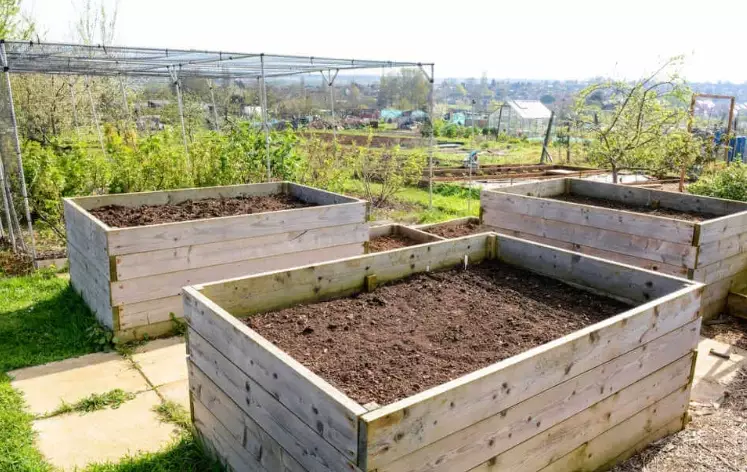
Why Using Garden Soil in Raised Beds is So Tempting (And When It Might Work)
Let's start with the appeal. It's not just about being cheap, though that's a huge part of it. Filling a deep raised bed with commercial potting mix can cost a small fortune. Using native soil feels resourceful, almost cyclical—you're building your garden from the land itself. There's a certain satisfaction to it.
If you're lucky enough to have fantastic, loamy, well-draining soil in your yard already, the idea of using garden soil in a raised bed isn't crazy at all. You'd essentially just be creating a contained, defined space for it. The raised sides keep pathways clean, reduce bending, and can warm the soil faster in spring. In this near-ideal scenario, the main benefit of the raised bed is the physical structure, not a complete soil replacement.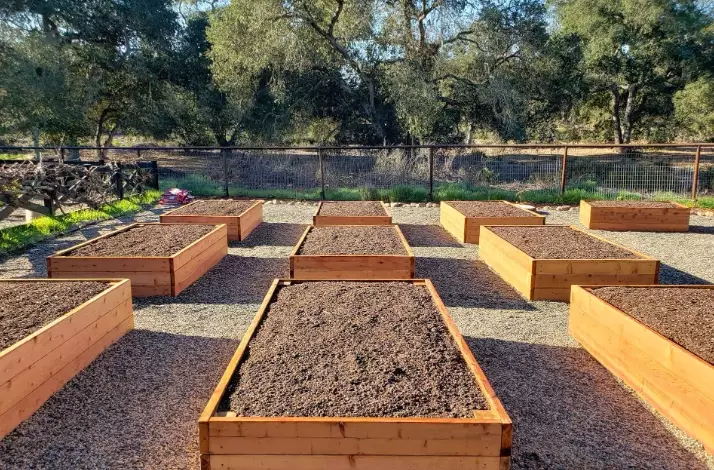
Another scenario where it makes sense is for very deep, large raised beds (think 18 inches or deeper). Using a base layer of native soil as a filler, topped with a rich, customized mix, is a common and sensible practice to save money on volume. You're not relying on the native soil to do all the work; you're using it as a foundation.
The Nasty Downsides: Why Plain Garden Soil Often Fails in Raised Beds
This is the critical part most optimistic gardeners gloss over. A raised bed isn't just a pretty border for your ground soil. It's an artificial environment. The rules change.
Compaction. You start with fluffy, turned soil. But with repeated watering and the natural settling process, that nice soil can become a dense, hard block. It loses the loose, airy structure that raised bed plants—especially vegetables with delicate root systems—absolutely crave.
Weeds and Pests. Your garden soil is a living ecosystem, and that includes weed seeds (sometimes decades old), fungal spores, and insect eggs. Bringing that into your pristine raised bed is like inviting all the neighborhood troublemakers into your new living room. You might be importing a problem you're trying to avoid by going raised in the first place.
Nutrient Imbalance & Density. Native soil can be surprisingly nutrient-poor or have a pH that's all wrong for what you want to grow. It's also usually much denseter than a purpose-built mix. That density means less room for oxygen, which roots need just as much as water.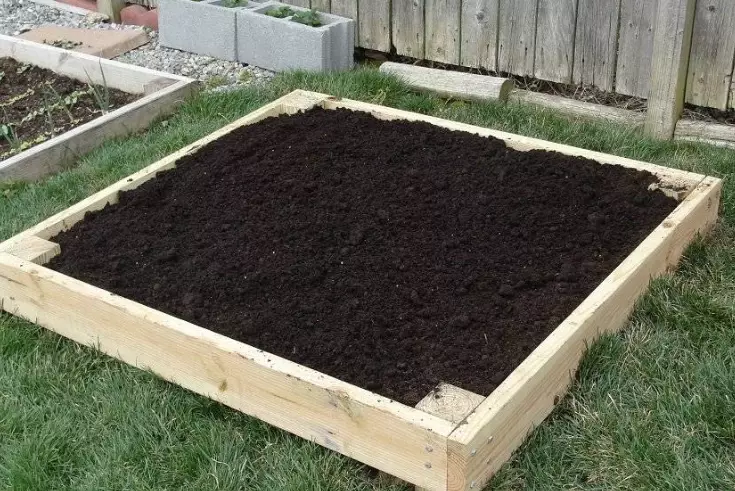
So, is using garden soil in raised beds a total non-starter? Not necessarily. But it's almost never a "dump and plant" operation. It's a starting point that requires significant modification. The real question becomes: how do you transform your yard dirt into a raised bed superstar?
The Step-by-Step Guide to (Safely) Using Garden Soil in Your Raised Bed
If you've assessed your soil and your budget and decided to go for it, here's how to stack the odds in your favor. Think of this as a recipe for success.
Step 1: The Soil Audit – Know What You're Working With
Don't skip this. You wouldn't bake a cake without knowing if your flour is sweet or savory. Grab a handful of soil from a few spots in your yard where you'll be digging.
- The Squeeze Test: Moisten it slightly and squeeze it in your fist. Does it form a tight, slick ball that doesn't crumble? That's heavy clay. Does it refuse to hold any shape at all? That's sandy. Does it form a loose ball that crumbles easily when poked? That's the gold standard—loam.
- Check for Life: Are there earthworms? Good sign. Is it mostly rocks and roots? Less good.
- The Professional Check: For a few dollars, you can send a sample to your local Cooperative Extension Service (a fantastic, often underused resource). They'll give you a precise pH and nutrient breakdown. It's worth it.
Step 2: The Dig & Sift Operation
You'll want to excavate your soil. Don't just skim the top layer. But before it goes in the bed, it needs processing.
I use a simple homemade screen—a wood frame with 1/2-inch hardware cloth stapled to it. Sifting removes large clods, stones, and most of the perennial weed roots (like those relentless bits of bindweed or quackgrass). It's a physical job, but it makes a world of difference in creating a fine, workable texture. This is the step where most people's enthusiasm for using garden soil in raised beds starts to wane. It's labor-intensive.
Step 3: The Magic of Amendment – Building Your "Soil Cocktail"
This is the non-negotiable part. Pure garden soil will fail. You must amend it. Think of your sifted native soil as the base spirit in a cocktail. It needs other ingredients to become palatable.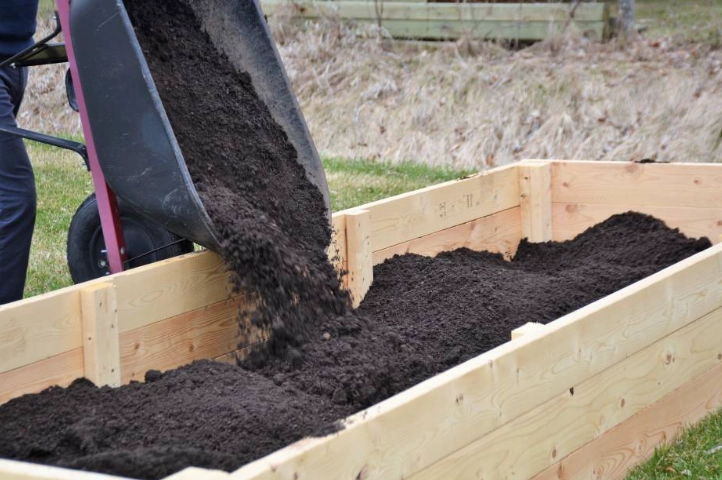
Here’s a breakdown of the essential amendments and what they do. This table is basically your shopping list for success when using garden soil in a raised bed.
| Amendment | Primary Job | Why It's Critical for Raised Beds | How Much to Add? (Per 1 part native soil) |
|---|---|---|---|
| Compost | Adds nutrients, improves texture, feeds microbes. | It's the miracle worker. It helps bind sandy soil and breaks up clay. It adds the organic matter that raised bed soils consume rapidly. | 1 part. Use well-finished compost from your pile or a reputable source. |
| Coarse Sand or Grit (Builder's sand, not play sand) | Improves drainage & prevents compaction. | This is the antidote to waterlogging. It creates permanent air pockets. For clay soil, this is not optional. | 1/2 part (for clay soil). Less for loam, little for sand. |
| Peat Moss or Coconut Coir | Retains moisture, lightens the mix. | Helps the soil hold water and nutrients evenly, preventing it from becoming a hard brick. Coir is a more sustainable choice. | 1/2 part. Pre-moisten peat moss thoroughly or it'll repel water. |
| Balanced Organic Fertilizer & Lime/ Sulfur | Provides nutrients & adjusts pH. | Your compost might not have all nutrients. A baseline fertilizer (like a 5-5-5) and a pH adjuster (based on your soil test) ensure plants aren't starving. | Follow bag/soil test directions. Don't guess on pH. |
My go-to recipe for a typical clay-loam yard soil looks like this: 1 part sifted native soil, 1 part compost, 1/2 part coarse sand, 1/2 part coconut coir. I mix in a granular organic fertilizer and some lime as needed. I do all this on a big tarp next to the bed—it's easier than mixing in-place.
Step 4: The Layered Approach (Lasagna Gardening in a Box)
An alternative to the thorough mix is the lasagna or hugelkultur-inspired method. This is brilliant for very deep beds.
- Bottom Layer (6-8 inches): Untouched, but loosen the ground beneath the bed with a fork. Then, add a layer of small logs, sticks, twigs, or even shredded cardboard. This bulky organic matter decomposes slowly, creating a sponge effect for moisture and adding nutrients long-term.
- Middle Layer (6-8 inches): Here's where you can use your un-sifted, rough garden soil. It fills the volume.
- Top Layer (6-8 inches): This is your prime real estate. This is where you use your carefully amended, premium mix (the recipe from the table above). All your plants' roots will live and feed in this layer.
This method makes using garden soil in a raised bed much more economical and functional. The bottom layers break down over years, feeding the bed from below.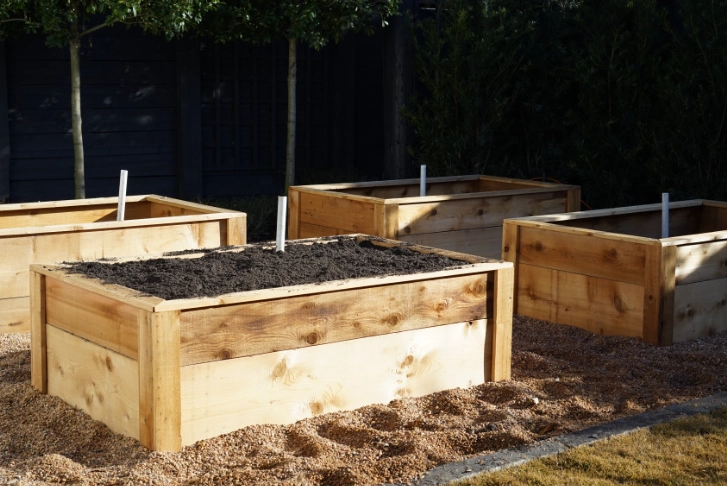
Garden Soil vs. Bagged Raised Bed Mix: A Head-to-Head Reality Check
Let's cut through the marketing. When is it worth it to just buy the bag?
Choose Your Amended Garden Soil Mix if: You have a large volume to fill and a tight budget. You have access to good, cheap compost and amendments. You don't mind physical labor (digging, sifting, mixing). You want to customize the mix precisely for your plants. You have decent native soil to start with.
Choose a Quality Bagged Raised Bed Mix if: You're filling a small or medium bed (the cost is manageable). Your native soil is pure clay, pure sand, or contaminated. You want a guaranteed, consistent texture and drainage right out of the bag. You have physical limitations. You want instant results with minimal hassle. You're a first-time gardener and want to remove one major variable.
I use both strategies now. For my main vegetable beds, I built them with the layered method using my own soil. For my new herb bed on the patio, I bought five bags of a trusted commercial mix. It was the right tool for that job.
Your Top Questions on Using Garden Soil in Raised Beds, Answered
The Final Verdict: Is Using Garden Soil in Your Raised Bed Worth It?
Here's my honest, from-the-trenches conclusion.
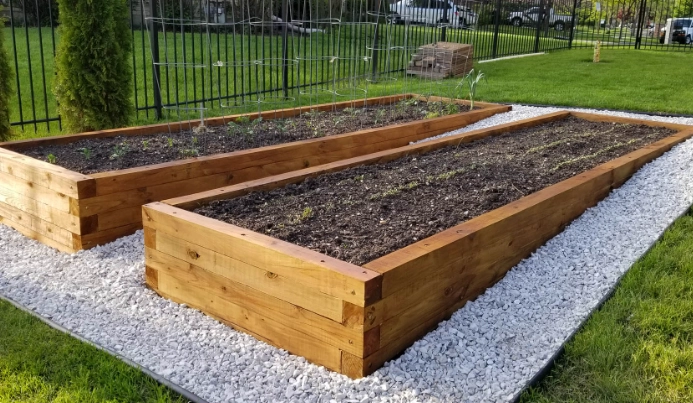
Using garden soil in raised beds is a viable, money-saving strategy, but it's a project, not a shortcut. It demands upfront labor, knowledge of what you're starting with, and a commitment to amending it properly. If you view your native soil as just one ingredient—the flour in your baking—and you're willing to add the eggs, sugar, and leavening (compost, sand, coir), you can bake a fantastic cake.
If you're looking for the simplest, most foolproof path to success, especially in a small bed, buying a quality raised bed mix is a tax you pay for convenience and guaranteed performance. There's no shame in that.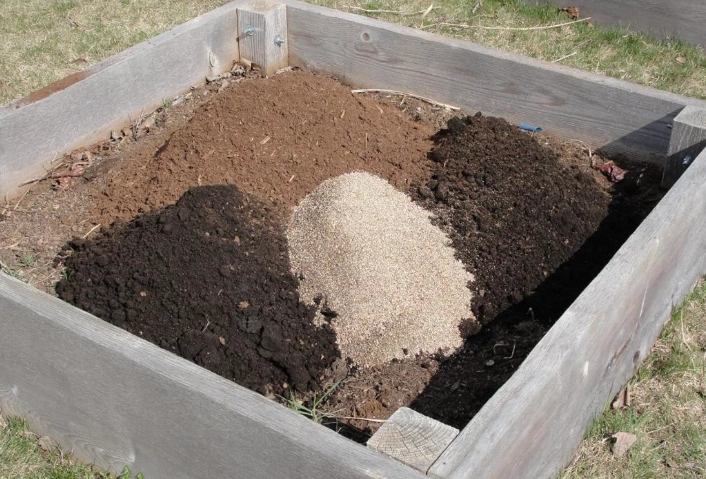
My biggest mistake early on was treating my raised beds like glorified ground plots. Once I understood they were containers with special needs—akin to giant pots—everything changed. I stopped fighting compaction and waterlogging and started building soil.
So, go look at your soil. Do the squeeze test. Calculate the cost of amendments versus bagged mix. Be honest about your time and energy.
Then, get building. Whether you choose to amend your way or buy your way, you're on the path to a fantastic raised bed garden. Just remember, the secret is always, always in the soil.
Reader Comments