Quick Navigation
- Why Bagged Garden Soil Just Doesn't Cut It for Raised Beds
- The Core Components: Breaking Down the "Soil Recipe" Ingredients
- The Classic Recipe: A Tried-and-True DIY Raised Bed Soil Mix
- Tailoring Your Mix: Special Recipes for Specific Needs
- The Step-by-Step Mixing & Filling Process
- Maintaining Your Masterpiece: It's a Living Thing
- Final Thoughts: It's Worth the Effort
Let's be honest for a second. When you first build or buy a raised garden bed, the excitement is all about the structure itself. The clean lines, the neat edges, the promise of no more back-breaking weeding. You fill it up with whatever soil you can get your hands on, plant your seeds, and then... you wait. And sometimes, you're left wondering why your plants look a bit sad, a bit stunted, not quite like the lush pictures you saw online.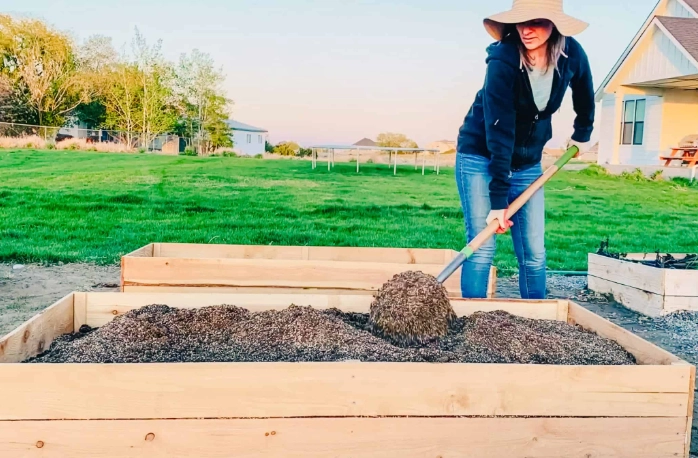
I've been there. My first raised bed was filled with dense, clay-heavy topsoil from a local landscaping supplier. It was cheap, and I thought I was being smart. My tomatoes hated it. The water just pooled on top, and the roots struggled to breathe. That's when I learned the hard truth: the success of your entire gardening season is literally built from the ground up. The soil isn't just dirt you shovel in; it's the engine room of your garden. Get the DIY raised bed garden soil composition wrong, and you're fighting an uphill battle from day one.
But get it right? It's like magic. Your plants will grow faster, resist pests better, and produce like crazy. The good news is, mixing your own perfect soil isn't rocket science. It's more like following a great recipe. You just need to know what ingredients to use and why. That's what we're going to dig into today—no pun intended. We'll move past the vague advice and get into the specific ratios, the where-to-buy-it details, and the little tricks that make a huge difference.
Why Bagged Garden Soil Just Doesn't Cut It for Raised Beds
You might be tempted to grab a bunch of bags labeled "Garden Soil" or "Topsoil" from the big-box store. It seems easy. I get it. But here's the thing: those products are often a mystery mix. They can be too fine, compact easily, lack proper drainage, or be inconsistently nutrient-rich. A raised bed is a unique environment. It needs a blend that's specifically engineered to be light, fluffy, and full of life—a world away from the often-dense native soil in the ground.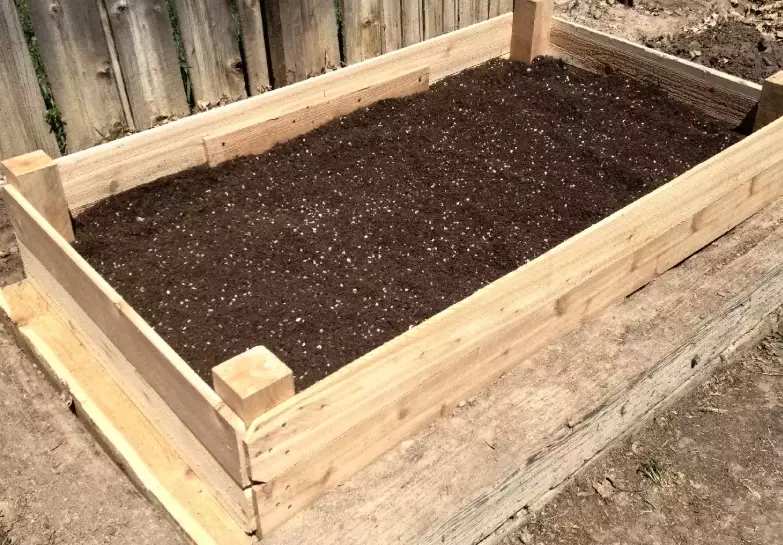
The core philosophy behind a great DIY raised bed soil mix is creating a "living soil." This isn't just minerals and dead stuff. It's a vibrant ecosystem teeming with beneficial microbes, fungi, and worms. These tiny workers break down organic matter into food your plants can actually use, help roots access nutrients, and improve soil structure over time. A bag of sterile dirt from a warehouse just can't compete with that.
The Core Components: Breaking Down the "Soil Recipe" Ingredients
Every great DIY raised bed garden soil composition is built on three main pillars: aeration, moisture/nutrient retention, and nutrition. We achieve this with a combination of ingredients. Let's meet the players.
The Aeration Champions (The Fluff Factor)
These materials create space in the soil, preventing compaction and allowing oxygen to reach the roots. Roots need to breathe just as much as they need water.
- Coarse Horticultural Sand: Not playground sand or masonry sand, which is too fine and will turn to concrete. You want sharp, coarse sand that feels gritty. It's the gold standard for drainage.
- Perlite: Those little white, popcorn-like bits you see in potting mixes. It's super-lightweight volcanic glass that holds some water but is primarily for aeration. It doesn't break down, so it keeps your soil light for years. A bit messy when you first mix it (wear a mask if you're sensitive to dust).
- Vermiculite: Similar to perlite but shinier and has a higher water-holding capacity. It's great for helping soil retain moisture and nutrients. I tend to use a mix of perlite and vermiculite for the best of both worlds.
The Moisture & Nutrient Sponges (The Buffet)
This is where the magic of water retention and long-term feeding happens. Organic matter is key.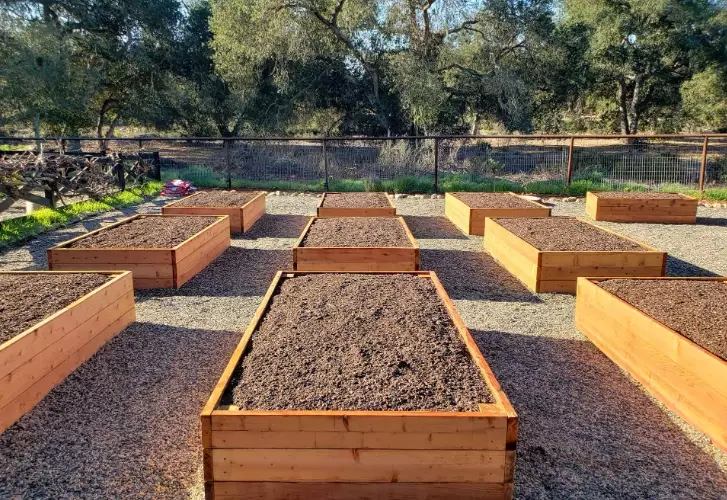
- Compost: The heart and soul of your mix. It's decomposed organic matter teeming with microbial life. It provides a slow-release buffet of nutrients and improves soil structure. You can never have too much good compost. The goal is to use at least two different sources (e.g., municipal compost, worm castings, homemade compost) to ensure a diverse nutrient and microbial profile.
- Coconut Coir or Peat Moss: These are your moisture reservoirs. They absorb many times their weight in water and release it slowly to plant roots. Peat moss is acidic and a non-renewable resource harvested from fragile bog ecosystems, which is a big downside for many gardeners. Coconut coir is a more sustainable alternative made from coconut husks. It has a near-neutral pH and works just as well, in my opinion. It often comes in compressed bricks that you need to rehydrate—a fun, if slightly messy, process.
- Well-Rotted Leaf Mold or Fine Bark Mulch: Fantastic for adding organic matter that breaks down slowly, further improving structure and water retention over time.
The Nutritional Powerhouses (The Instant & Slow-Release Meals)
While compost feeds over time, these ingredients give your plants a solid nutritional foundation right from the start.
- Worm Castings: Pure gold for gardeners. It's not just fertilizer; it's a soil conditioner packed with beneficial microbes and enzymes. It's mild, won't burn plants, and improves soil health dramatically. A bit pricey, but a little goes a long way. I always add a bag or two to my mix.
- Balanced, Slow-Release Organic Fertilizer: Think of this as the insurance policy. A good organic blend (often with an NPK ratio like 5-5-5 or 4-4-4) provides a steady supply of nitrogen, phosphorus, and potassium as microbes break it down. This bridges the gap while your compost gets to work. Brands like Espoma Garden-Tone or Dr. Earth are popular choices.
- Rock Minerals: For the long, long game. Ingredients like glacial rock dust or greensand add a broad spectrum of trace minerals that get slowly released over years, boosting the overall health and flavor of your crops. Not strictly essential for year one, but a great addition if you're building a bed you plan to use for a decade.
A quick story from my garden: I skipped the slow-release fertilizer one year, thinking my homemade compost was enough. My leafy greens started strong but yellowed way too early. The compost was feeding the soil, but the fast-growing plants needed a more readily available snack. I learned my lesson—now I always include that granular organic fertilizer in my initial DIY raised bed soil composition. It's cheap insurance.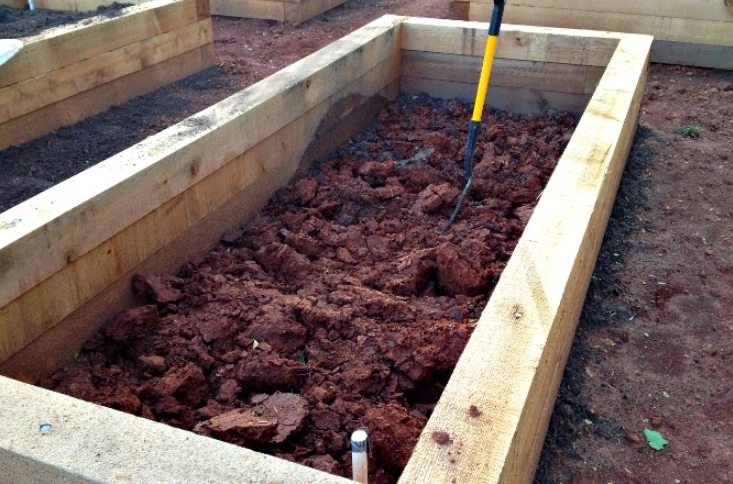
The Classic Recipe: A Tried-and-True DIY Raised Bed Soil Mix
Alright, let's get to the actual recipe. This is the "all-purpose" blend that works brilliantly for most vegetables, herbs, and flowers. It's a volume-based recipe, so you can use a bucket, a wheelbarrow, or just eyeball piles. Precision isn't critical here; think of it like making soup, not a chemical compound.
- 1 part Aeration Material: Use a 50/50 mix of coarse horticultural sand and perlite OR just perlite if sand is hard to find.
- 1 part Moisture Retention Material: Use either coconut coir or peat moss (hydrated and fluffed up).
- 1 part Compost: Aim for a blend of at least two different composts. (e.g., ½ municipal compost + ½ worm castings).
To every 3 cubic feet (roughly a wheelbarrow load) of the above base mix, add:
- 2-4 cups of a balanced, slow-release organic fertilizer.
- 1-2 cups of worm castings (if not already used as part of your compost).
- (Optional) 1-2 cups of rock minerals like glacial rock dust.
Mix everything together thoroughly in a wheelbarrow or on a large tarp. You want it homogeneous. The final texture should be light, crumbly, and hold together loosely when you squeeze a handful, but also break apart easily. If it forms a dense ball, you need more aeration material. If it falls apart like dust, you need more coir/peat or compost.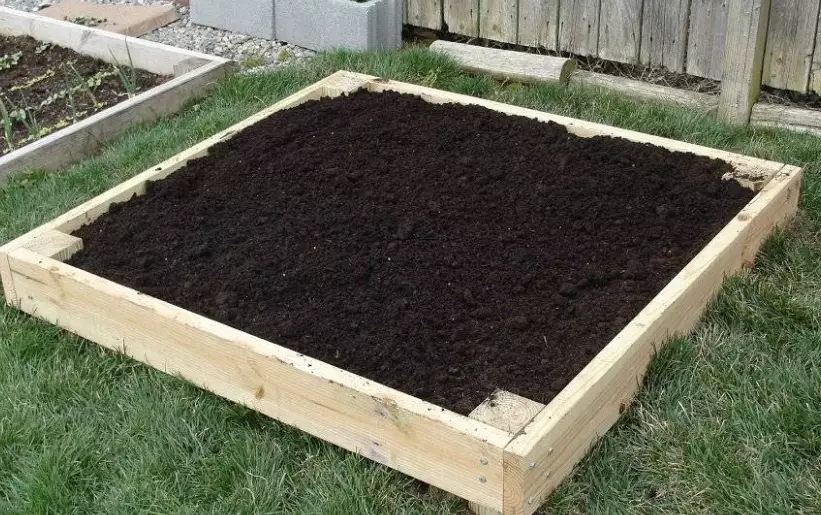
Tailoring Your Mix: Special Recipes for Specific Needs
That universal mix is great, but sometimes you need to tweak things. Here’s how to adjust your DIY raised bed garden soil composition.
For Root Vegetables (Carrots, Beets, Radishes)
They need extra-deep, loose soil to form perfect roots. Increase the aeration. Use more coarse sand—maybe a 1.5 parts aeration to 1 part everything else. Ensure any compost is very fine and well-sifted to avoid clumps that can fork your carrots.
For Moisture-Loving Plants (Lettuce, Spinach, Celery)
Boost moisture retention. Increase the proportion of coconut coir or peat moss slightly. Adding extra vermiculite (instead of some perlite) can also help. Mulch heavily on top after planting.
For a Budget-Friendly "Starter" Mix
If you're filling a huge bed and cost is a major factor, you can scale up with a bulk base and amend it heavily. Here's one approach:
- Fill the bottom 1/3 of a deep bed with a cheap, bulk "topsoil" or "garden soil." (Screen it if it's very clumpy).
- For the top 2/3, use a simplified mix: 2 parts bulk topsoil, 1 part bulk compost, 1 part coarse sand or perlite. Then amend each layer with the slow-release fertilizer and worm castings as you fill.
It won't be as perfect as the all-recipe mix, but it's a vast improvement over just using the bulk soil alone. The plants in the top layer will do great, and their roots will eventually work down into the amended lower layer.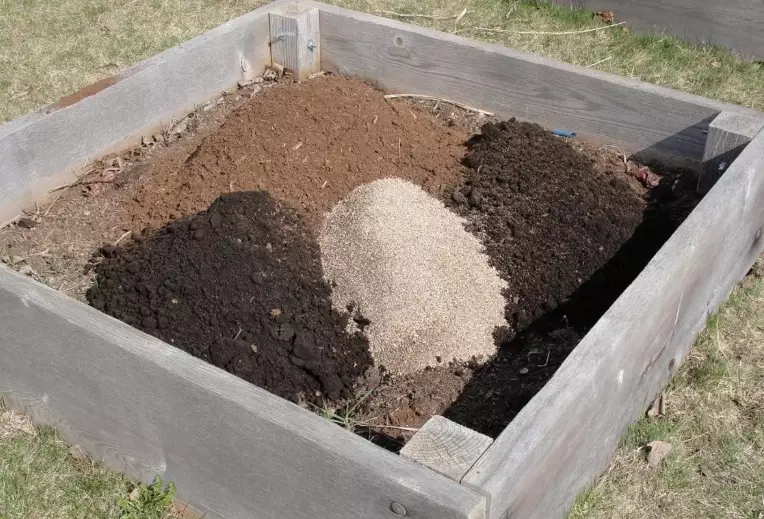
The Step-by-Step Mixing & Filling Process
- Gather & Prep: Get all your ingredients in one place. Hydrate coconut coir bricks in a large tub according to package directions—it expands a lot!
- Lay a Tarp: Do this on a driveway or patio. It makes cleanup infinitely easier and is the best way to mix large volumes.
- Create Your Piles: Dump out your measured parts of aeration material, fluffed coir, and compost into separate piles on the tarp.
- The Mix: Start combining piles with a shovel or, better yet, by lifting the corners of the tarp and rolling everything together. It's a great workout. Add your amendments (fertilizer, castings, minerals) during this process.
- Test the Texture: Do the squeeze test mentioned above. Adjust if needed.
- Fill the Bed: Don't compact it! Gently shovel or wheelbarrow the mix into your bed. Leave about 1-2 inches from the top for mulch.
- Water It In: Before planting, give the entire bed a deep, thorough watering. This settles the soil naturally and activates the microbial life and fertilizers. You may need to add a bit more mix after this initial settlement.
Maintaining Your Masterpiece: It's a Living Thing
A perfect DIY raised bed soil composition isn't a "set it and forget it" deal. It's a living system that consumes organic matter. Every season, you need to replenish it.
- Top-Dressing Each Spring: The single most important maintenance task. Remove any old plant debris, then add a 1-2 inch layer of fresh compost over the entire surface of the bed. You can gently scratch it into the top inch or two of soil, or just let the worms pull it down. Add another cup or two of slow-release fertilizer per 10 sq ft at this time.
- Re-Mulch: After planting, cover any exposed soil with 2-3 inches of organic mulch (straw, shredded leaves, wood chips). This conserves moisture, suppresses weeds, and breaks down to feed the soil.
- Seasonal Planting: Practice crop rotation and include cover crops (like clover or winter rye) in the off-season to protect and nourish the soil. The USDA Natural Resources Conservation Service has excellent resources on the benefits of cover crops for soil health.
- Observe and Adjust: If your soil seems to be compacting over time, work in some fresh perlite or coarse sand when you do your spring top-dressing. If it's drying out too fast, add more coir or compost.
Your DIY Raised Bed Soil Questions, Answered
Can I just use 100% compost?
I wouldn't. While compost is amazing, used alone it can compact and drain poorly. It also decomposes and settles dramatically, leaving you with a half-empty bed by mid-summer. Plants also need the mineral components and structure provided by other ingredients. Think of compost as the super-food, but it needs the "bed" of other materials to be most effective.
How deep should my soil be?
For most vegetables, aim for at least 12 inches of good quality mix. Deeper is always better—18 to 24 inches is ideal for deep-rooters like tomatoes, peppers, and carrots. Remember, you can fill the bottom of a very deep bed with cheaper, bulky materials like logs, sticks, or leaves (a process called "hugelkultur") before adding your premium mix on top.
Is it cheaper to buy bagged mix or make my own?
For a single small bed, pre-mixed raised bed soil from a reputable company can be fine and convenient. But for anything larger than about 4'x8', mixing your own becomes significantly cheaper. Buying components in bulk (compost by the cubic yard, a large bag of perlite) slashes the cost. You also get complete control over the quality, which is priceless.
My plants are yellowing. Did I mess up the soil composition?
Possibly, but don't panic. Yellowing (chlorosis) is often a nitrogen deficiency, especially in fast-growing leafy greens. Your DIY raised bed garden soil composition might be great, but the plants have simply eaten the immediately available nitrogen. This is why that slow-release fertilizer is so important. As a quick fix, you can side-dress with a nitrogen-rich fertilizer like blood meal or fish emulsion, or give them a liquid feed. Next season, ensure you're adding enough balanced fertilizer at the start.
Where do I even buy this stuff?
Compost/Mulch/Topsoil: Check local landscaping supply companies for bulk delivery. It's the cheapest way. Bagged Amendments: Garden centers, farm stores, or online retailers. For specific organic ingredients, companies like Planet Natural or Peaceful Valley Farm & Garden Supply are great resources. For the science behind compost and soil health, your local Cooperative Extension Service (a nationwide U.S. network) is an invaluable, university-based authority.
Final Thoughts: It's Worth the Effort
Mixing your own soil might seem like an extra step. It requires sourcing a few different materials and getting a little dirty. But I can tell you from years of doing it both ways—the lazy way and the right way—the difference in plant health, yield, and just plain gardening joy is night and day.
You're not just filling a box. You're building the foundation for an entire season of growth. A thoughtfully crafted DIY raised bed garden soil composition is the single best investment you can make in your garden. It pays you back with every healthy leaf, every juicy tomato, and every flower that bursts into bloom.
Start with the universal recipe. Don't overthink it. Get your hands dirty, mix it up, and get planting. Your future harvest will thank you.
Got a soil mixing story or a question I didn't cover? The best lessons often come from sharing our experiences—the successes and the messy failures. Happy mixing!
Reader Comments