In This Guide
- Why Your Raised Bed Soil is a Make-or-Break Decision
- Deconstructing the Perfect Mix: The Key Ingredients
- Beyond the Basics: Amendments for Specific Needs
- The Reality Check: Adjusting for Your Climate and Plants
- The Step-by-Step Guide to Mixing and Filling Your Bed
- Maintaining Your Best Raised Bed Soil Composition Year After Year
- Answers to Common Questions About Raised Bed Soil
- Final Thoughts: It's an Investment, Not an Expense
Let's talk dirt. Real dirt. The kind of stuff that makes your tomatoes explode with flavor and your lettuce grow so crisp you can hear it crunch from across the yard. If you're setting up a raised bed, you've probably already discovered that just shoveling in dirt from your yard is a one-way ticket to disappointment. It compacts, drains poorly, and often lacks the life your plants crave.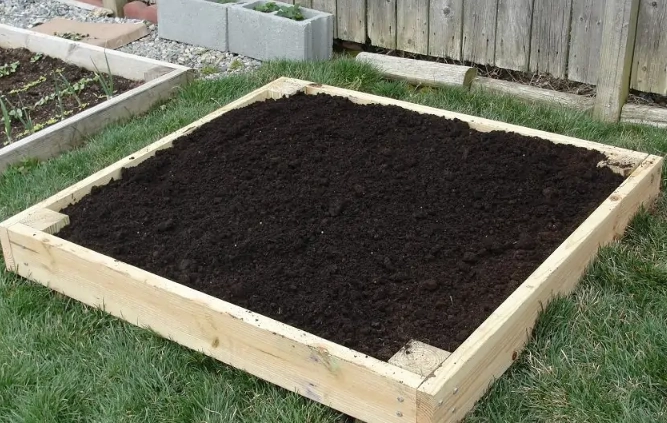
So what's the secret? What's the best raised bed garden soil composition that actually works? I've killed my fair share of plants figuring this out, so you don't have to. After years of testing, failing, and eventually succeeding, I've landed on a formula that isn't just good—it's the foundation for a garden that feels almost effortless.
Why Your Raised Bed Soil is a Make-or-Break Decision
Before we get to the recipe, let's be clear on why this matters so much. A raised bed is a controlled environment. Unlike in-ground gardening, you're 100% responsible for the ecosystem your plants live in. Get the soil wrong, and you're fighting an uphill battle against poor drainage, nutrient deficiency, and stunted growth for the entire season. Get it right, and you set yourself up for months of abundant harvests with far less work. The goal of the best raised bed garden soil composition is to create a light, fluffy, moisture-retentive, and nutrient-rich home.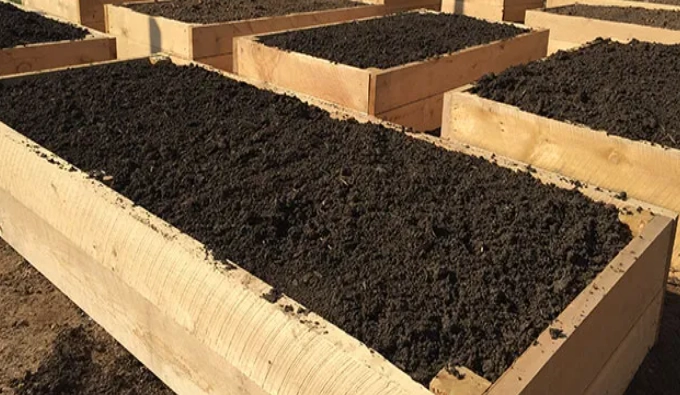
Deconstructing the Perfect Mix: The Key Ingredients
Most great recipes are based on a simple principle called Mel's Mix, popularized by Square Foot Gardening. It's a brilliant starting point. But like any good recipe, you can—and should—tweak it based on what you're growing and where you live. Here’s what goes into the ideal best raised bed soil composition.
The Big Three: The Base of Your Soil Composition
These are the non-negotiables. They provide structure, aeration, and moisture management.
- Compost: This is the engine room. It's not just fertilizer; it's living biology. Compost feeds the microbes that, in turn, feed your plants. It improves soil structure and holds moisture like a sponge. You want a *mixture* of composts if possible—like leaf mold, mushroom compost, and homemade plant-based compost. Diversity here is key. A single source can lack certain nutrients.
- Peat Moss or Coconut Coir: This is the moisture manager. It holds an incredible amount of water and releases it slowly to plant roots. Peat moss is the classic choice, but it's not a renewable resource, and its harvest is environmentally controversial. Personally, I've switched to coconut coir (made from coconut husks) for most of my beds. It works just as well, is pH neutral, and is a sustainable byproduct. It can be a bit trickier to wet initially—you have to soak the bricks thoroughly.
- Vermiculite or Perlite: This is the aerator. Its job is to create tiny air pockets in the soil, ensuring roots get the oxygen they need and preventing compaction. Vermiculite also holds some water and nutrients. Perlite is those little white pebbles; it's great for drainage but doesn't hold water. For most raised beds, I prefer coarse vermiculite. Perlite can sometimes float to the top over time with heavy watering.
The Classic "Best Raised Bed Soil" Recipe (by Volume)
This is your foundational 1:1:1 ratio. Grab a bucket—any bucket—and use it to measure.
| Ingredient | Parts | Why It's There | My Personal Note |
|---|---|---|---|
| High-Quality Compost (mixed sources) | 1 | Provides nutrients, microbes, and organic matter. | Don't skimp here. Bagged is fine, but local municipal compost can be great if screened. |
| Coconut Coir (or Peat Moss) | 1 | Retains moisture and improves texture. | Coir bricks are space-savers. A 5kg brick expands to a huge amount. |
| Coarse Vermiculite | 1 | Creates aeration, prevents compaction. | Harder to find than perlite but worth seeking out for raised beds. |
Mix these three together until they are uniformly blended. It should feel light and crumbly, not clumpy or heavy.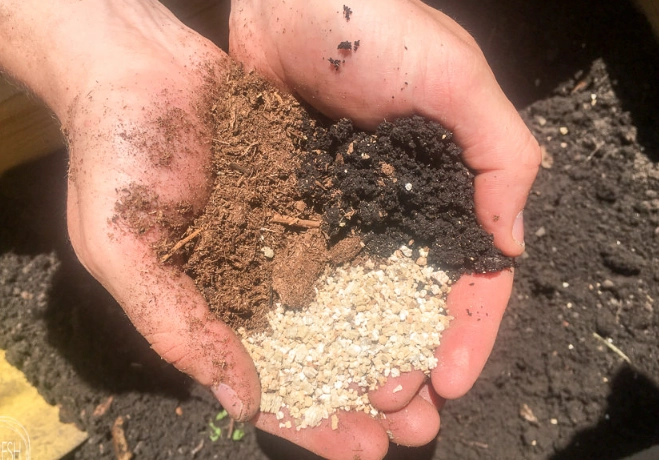
Beyond the Basics: Amendments for Specific Needs
The 1:1:1 mix is fantastic, but it's a starting line, not the finish line. Your plants will thank you for considering these extras. This is where you tailor the best raised bed garden soil composition to your reality.
- Worm Castings: I call this "black gold." It's not a fertilizer in the traditional sense, but a potent soil conditioner and microbial inoculant. Adding a handful or two per square foot supercharges your soil's biology. It's expensive to fill a bed with, but as a top-dressing or mixed in lightly, it's magic.
- Balanced, Slow-Release Organic Fertilizer: While compost provides a broad spectrum of nutrients, a granular organic fertilizer (like a 5-5-5 or 4-4-4 blend) acts as a reliable pantry. It breaks down slowly over the season, providing a steady food supply. I mix in a cup or two per cubic yard of soil at the beginning of the season.
- Lime or Sulfur: This is for pH adjustment. Most vegetables prefer a slightly acidic to neutral pH (6.0-7.0). A simple soil test kit (highly recommended!) will tell you if you need to nudge your pH up (with garden lime) or down (with sulfur). My tap water is alkaline, so I often need to add a bit of sulfur to my beds in the spring.
The Reality Check: Adjusting for Your Climate and Plants
Here’s where blog recipes often fall short. They give you *the* mix, but not how to adapt it. Let's fix that.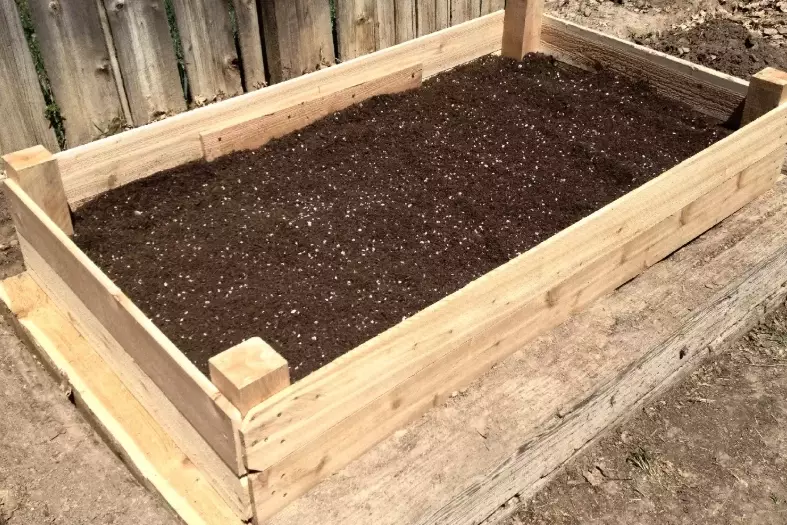
If you live in a hot, dry climate: Moisture retention is your #1 battle. You might increase the coir/peat portion slightly. You might also consider adding a layer of compost as a top dressing mid-season, which acts as a mulch. I made the mistake of using too much perlite one year in a hot summer, and I was watering twice a day. Never again.
If you live in a cool, wet climate: Drainage is king. You might increase the vermiculite/perlite portion. You could also consider a handful of coarse sand mixed in to improve drainage further, especially for beds growing root crops like carrots.
For heavy feeders (Tomatoes, Peppers, Squash): These guys are hungry. When prepping their section of the bed, I'll mix in an extra shovelful of compost and a bit more organic fertilizer right in the planting hole.
For light feeders (Lettuce, Herbs, Beans): The basic mix is usually perfect. Over-fertilizing lettuce can make it bitter.
The Step-by-Step Guide to Mixing and Filling Your Bed
- Gather Everything On-Site: Piles of compost, coir bricks soaking in a tub, bags of vermiculite. It's messy, so do it right by the bed.
- Use a Large Tarp: Dump your measured ingredients onto a tarp. Grab corners with a friend (or drag them yourself) to roll and mix everything. It's far easier than trying to mix in the bed or a wheelbarrow.
- Fill and Fluff: Shovel the mix into your bed. Do NOT pack it down. Gently level it off. It will settle a few inches after the first few waterings—that's normal.
- The Initial Watering: Water the entire bed deeply and slowly until water runs out the bottom. This settles the soil and ensures it's evenly moist before planting.
Maintaining Your Best Raised Bed Soil Composition Year After Year
The work isn't over after the first season. Soil is a living thing that gets depleted. Here’s your maintenance plan.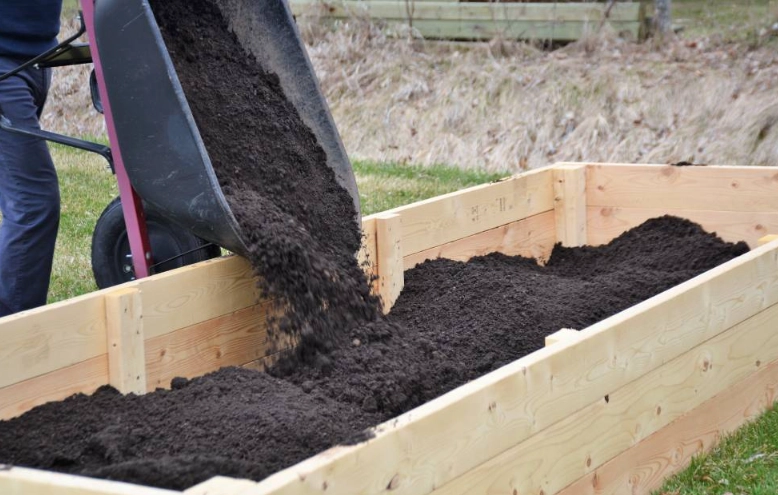
At the end of each season, after pulling spent plants, add a 1-2 inch layer of fresh compost on top and gently fork it in. This is called "top-dressing" and it's the single most important maintenance task. It replenishes organic matter and nutrients.
Consider planting a cover crop like winter rye or clover in empty beds over winter. You chop it down in spring and let it decompose in place—it's like making compost right in the bed.
Every 2-3 years, it's not a bad idea to refresh the aeration component. Dig down and see if the soil is still fluffy. If it's starting to feel dense, mix in another bag or two of vermiculite.
Answers to Common Questions About Raised Bed Soil
Final Thoughts: It's an Investment, Not an Expense
Spending time and money on getting your soil right feels like a big upfront effort. I get it. But trust me, from someone who has tried to cut corners: it pays back tenfold in reduced watering, fewer pest and disease problems, and dramatically better yields. Your search for the best raised bed garden soil composition ends with understanding the principles—moisture, aeration, nutrition, and biology. The 1:1:1 recipe is your blueprint. Your climate, your plants, and your own experience will guide the final tweaks.
Start with the basic mix. Observe how your plants respond. Take notes. Gardening is a conversation with nature, and your soil is your opening line. Make it a good one.
Reader Comments