Quick Guide
- The Gold Standard: The 1-1-1 Raised Bed Soil Recipe
- Beyond the Basic Ratio: Tweaking the Mix for Your Plants
- The "Filling the Deep Bed" Problem: A Budget-Friendly Solution
- Common Raised Bed Soil Mistakes (And How to Dodge Them)
- Keeping the Magic Alive: Yearly Maintenance
- Your Raised Bed Soil Questions, Answered
Let's be honest. When you first built or bought that beautiful raised bed, you probably thought, "I'll just chuck some garden soil in there and call it a day." I did that too. And then I spent a whole season wondering why my carrots were stumpy, my tomatoes were sulking, and nothing seemed to grow with the vigor I saw in gardening magazines. The problem wasn't my watering schedule or the amount of sun. It was the foundation. It was the raised bed garden soil composition ratio.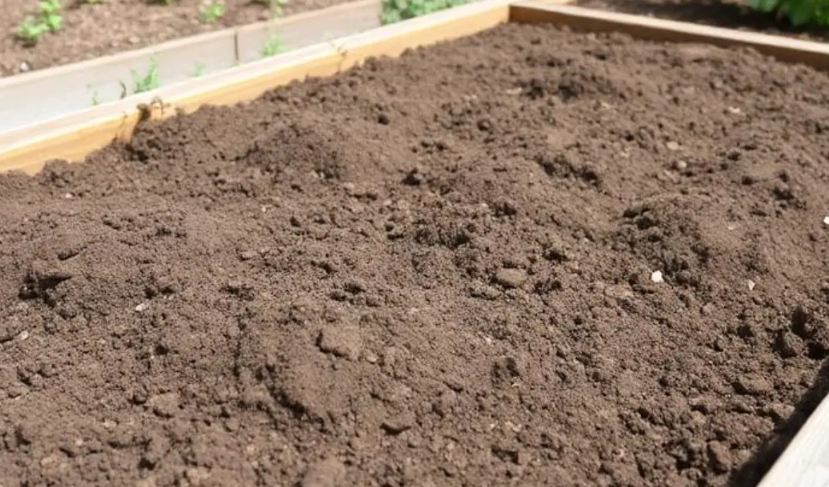
Getting this ratio wrong is the single biggest mistake new (and even experienced) gardeners make. The soil in a raised bed isn't like the ground. It's a contained environment. It needs to be engineered for drainage, fertility, and structure all at once. Too heavy, and your plants' roots drown. Too light and sandy, and water and nutrients wash straight through before your plants can grab them. It's a balancing act.
But here's the good news: once you crack the code, it's simple. And the results are absolutely transformative. We're talking explosive growth, fewer pests and diseases, and harvests that actually make you feel like a gardening pro. This guide is everything I wish I'd known when I started. We'll break down the classic "recipe," talk about why it works, show you how to tweak it for what you're growing, and even how to fill a deep bed without breaking the bank. No fluff, just the dirt you need.
The Gold Standard: The 1-1-1 Raised Bed Soil Recipe
Ask ten seasoned gardeners for their mix, and eight of them will give you a variation of the same formula. It's often called the "Mel's Mix," popularized by Mel Bartholomew's Square Foot Gardening method, and for good reason—it works like a charm. The basic raised bed garden soil composition ratio is an equal-parts blend of three components:
- Compost: The nutrient powerhouse. This is the food for your plants. It's teeming with microbial life that makes nutrients available to roots.
- Peat Moss or Coconut Coir: The moisture manager. This ingredient holds onto water like a sponge, releasing it slowly to plant roots. It also helps lighten the mix.
- Vermiculite or Perlite: The aerator. These are little white, popcorn-like minerals that create crucial air pockets in the soil. Roots need oxygen as much as they need water.
So, the magic ratio is 1:1:1. One part compost, one part peat moss/coir, one part vermiculite/perlite. By volume, not weight. Grab a bucket, scoop each ingredient once, and mix it all together until it looks uniform.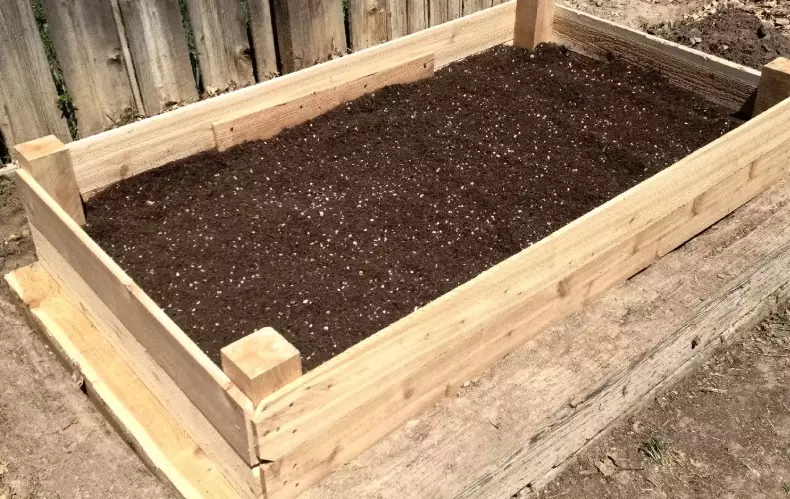
Now, let's get into the nitty-gritty of each component, because the quality of each part matters as much as the ratio.
Breaking Down the Big Three Ingredients
1. Compost: Not All Brown Gold is Created Equal
Compost is the soul of your mix. But "compost" from a big-box store can be a gamble. Sometimes it's great, sometimes it's barely decomposed, salty, or full of weed seeds (a mistake I've paid for with hours of weeding).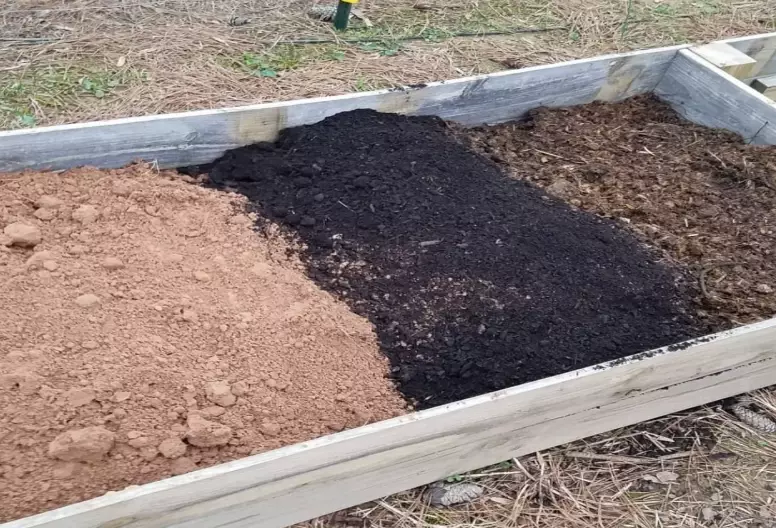
You want finished, screened compost that's dark, crumbly, and smells like a forest floor—not sour or ammonia-like. If you can, use a blend of different composts. Why? Because different source materials bring different nutrients and microbial communities. Here’s a quick comparison of common types:
| Compost Type | Best For | Things to Watch For |
|---|---|---|
| Municipal/Green Waste | Great bulk source, often inexpensive or free. Good nutrient profile. | Can be inconsistent. May contain traces of herbicides ("killer compost") if not managed well. Always ask about their feedstock. |
| Mushroom Compost | Excellent for moisture retention. Often high in calcium. | Can be quite alkaline. Not ideal for acid-loving plants like blueberries unless balanced. |
| Worm Castings (Vermicompost) | The superfood. Incredibly rich in nutrients and beneficial microbes. A little goes a long way. | Expensive. Use as a premium additive (10-20% of your compost portion), not the main compost source. |
| Homemade Garden Compost | The best, if you have it. You know exactly what's in it. | Needs to be fully finished and screened to remove large sticks. |
My personal strategy? I use about 50% municipal compost (from our local facility, which I've tested and trust), 30% homemade compost from my bins, and 20% bagged worm castings. This blend seems to give me the best balance of fertility and cost.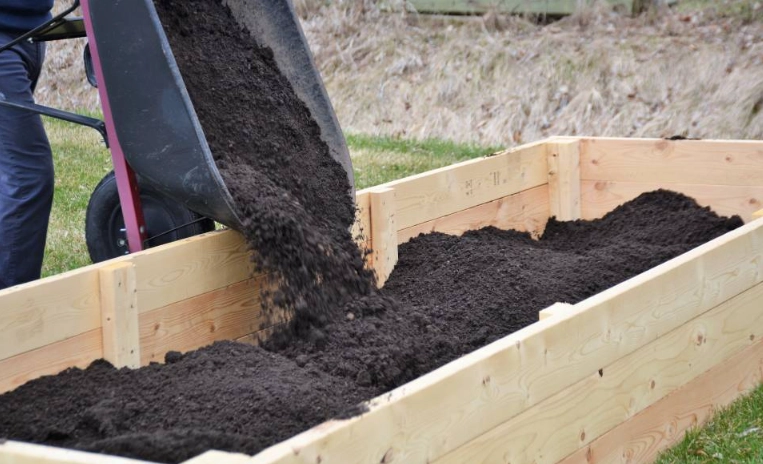
2. Peat Moss vs. Coconut Coir: The Moisture Debate
This is where personal ethics and practicality collide. Peat moss is the classic choice. It's acidic, holds a ton of water, and is widely available. But harvesting peat from bogs is an environmental concern, as those bogs are important carbon sinks. It's a non-renewable resource on a human timescale.
Coconut coir is the sustainable alternative. Made from the husk of coconuts, it's a byproduct. It holds water even better than peat (up to 10x its weight!), is pH neutral, and is often sold in compressed bricks that expand with water. I've switched almost entirely to coir. The bricks are easier to store, and I feel better about using it. The one downside? It can be high in salts if it's not well-rinsed during processing. Look for brands that specify "buffered" or "low-salt."
3. Vermiculite vs. Perlite: The Aeration Showdown
They look similar but function differently. Perlite is those little white, puffy rocks. It's super lightweight and creates permanent air pockets. It doesn't hold water or nutrients. Its job is purely drainage and aeration.
Vermiculite is shinier, brownish-gold, and feels spongy. It holds both water and nutrients within its structure, releasing them slowly. It's like a mini water and nutrient reservoir right next to the roots.
So which one for your raised bed garden soil composition ratio? For most general beds, I prefer a mix. Perlite ensures the soil never gets waterlogged, while vermiculite provides a buffer against drying out too fast. A 50/50 split of the "aeration portion" works beautifully. If you live in a very rainy climate, lean heavier on perlite. In a hot, dry climate, more vermiculite can help.
Beyond the Basic Ratio: Tweaking the Mix for Your Plants
The 1-1-1 ratio is your perfect all-purpose blend. But plants have personalities. Some are divas, some are tough as nails. You can adjust the raised bed soil composition to suit them.
- For Root Crops (Carrots, Parsnips, Radishes): They need loose, stone-free soil to grow long and straight. Add an extra scoop of coarse sand or more perlite to your mix. This improves drainage and makes it easier for roots to push through. Clumpy, heavy soil equals forked, funny-looking carrots.
- For Moisture Lovers (Lettuce, Spinach, Celery): They wilt if the soil dries out. Increase the proportion of coir/peat or vermiculite slightly. A mix closer to 1-1.5-1 (compost-coir-aeration) can keep them happy.
- For Mediterranean Herbs (Rosemary, Lavender, Thyme): They hate wet feet. They thrive on neglect and sharp drainage. Cut the moisture-holding ingredient (coir/peat) in HALF and replace that volume with more perlite or even small gravel. A mix like 1-0.5-1.5 would be ideal.
- For Heavy Feeders (Tomatoes, Peppers, Squash): They are hungry. Don't change the ratio, but make sure the "compost" part of your mix is incredibly rich. Blend in some well-rotted manure (like aged cow or chicken manure) into your compost portion. A handful of organic, slow-release fertilizer mixed in at planting time doesn't hurt either.
The "Filling the Deep Bed" Problem: A Budget-Friendly Solution
Here's the elephant in the room. A 4x8 foot bed that's 18 inches deep needs about 48 cubic feet of soil. Filling that entirely with a premium 1-1-1 mix can get expensive fast. So what do you do? You use a technique called "Hügelkultur-lite" or just smart layering.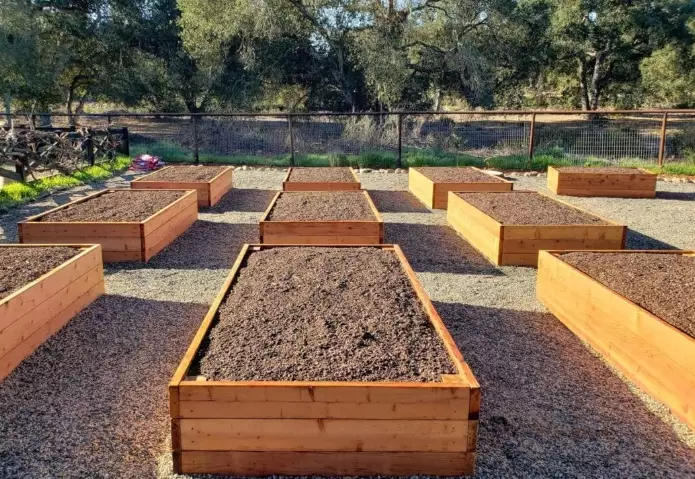
The goal is to use bulky, cheap (or free) materials to take up the bottom third to half of the bed's volume, saving your expensive perfect mix for the top where most of the roots will be. This isn't cheating; it's smart gardening. The organic material in the bottom will slowly break down, feeding your plants from below for years.
Here’s my go-to method for filling a deep raised bed on a budget:
- Bottom Layer (Drainage & Bulk): Place a few inches of small branches, twigs, or even shredded cardboard/logs. This creates a sponge-like base that holds moisture. Don't use treated wood!
- Middle Layer (The Filler): This is where you get creative. Use leaves, grass clippings (if not treated with herbicide), straw, old hay, or even partially finished compost. You can use the "lasagna" method here, layering browns and greens. Pack it down as you go.
- Top Layer (The Gold): The top 8-12 inches is where you use your carefully crafted raised bed garden soil composition ratio mix. This is the root zone. Don't skimp here. Fill it right to the top, as it will settle.
This method does two things: it saves you a ton of money, and it creates a self-fertilizing, moisture-retentive base that gets better with time. The first season, you might see a tiny bit of settling as the bottom layers decompose. Just top up with a bit more of your good mix.
Common Raised Bed Soil Mistakes (And How to Dodge Them)
I've made most of these. Consider this your shortcut to not repeating my errors.
Mistake #1: Using Pure Bagged "Garden Soil" or Topsoil. This is the big one. Bagged garden soil is often too dense and poorly draining for a raised bed. It's designed to be mixed into in-ground native soil. In a contained bed, it compacts into something resembling concrete. Topsoil is even worse—it's fill dirt, with no guarantee of fertility or structure.
Mistake #2: Forgetting About Soil pH. Your perfect raised bed garden soil composition ratio can still fail if the pH is off. Most vegetables like a slightly acidic to neutral pH (6.0-7.0). If your mix is too acidic (often from peat), plants can't access nutrients. Too alkaline, same problem. A simple $15 home test kit is a wise investment. If your pH is low (acidic), add garden lime. If it's high (alkaline), garden sulfur or more acidic compost (like pine needle compost) can help.
Mistake #3: Packing the Soil Down. After all that work and expense, you want fluffy, aerated soil. Don't trample it! Use a board laid across the sides to kneel on if you need to reach the middle. That lightness is what gives roots room to breathe and grow.
Mistake #4: Letting It Go Bare. Soil is a living ecosystem. When you're not growing a crop, plant a cover crop like winter rye or clover, or simply mulch heavily with straw or shredded leaves. This protects the soil from erosion, feeds the microbes, and suppresses weeds. Bare soil is dead, unhappy soil.
Keeping the Magic Alive: Yearly Maintenance
Your perfect soil isn't a "set it and forget it" deal. Each season, plants suck nutrients out, organic matter decomposes, and the soil level sinks a bit. Here's the simple annual refresh routine:
- At Season's End: Pull spent plants, but chop and drop the disease-free roots and stems to decompose in place. Add a 2-inch layer of finished compost on top. This is non-negotiable. It replenishes nutrients and microbes.
- In Early Spring: Gently loosen the top few inches of soil with a fork (don't turn it over completely, you'll disrupt the soil structure). Mix in that compost from the fall. If the bed feels compacted, you can add a handful of fresh perlite or vermiculite per square foot and mix it in.
- Top Up: Add more of your 1-1-1 mix to bring the bed back to its full level.
That's it. No major digging. You're just topping up the system. Over time, with this routine, your soil becomes a deep, rich, living sponge that grows better food every year.
Your Raised Bed Soil Questions, Answered
Getting your raised bed garden soil composition ratio right might seem like a lot of upfront work. But trust me, it's the one task that pays dividends every single day of the growing season. You'll spend less time watering, less time fighting disease, and less money on fertilizers. You'll just spend more time harvesting. Start with the simple 1-1-1 formula, don't be afraid to tweak it, and remember that soil is a living thing to be nurtured, not just dirt to be filled. Now go get your hands dirty—the right way.
Reader Comments