Quick Navigation
- The Absolute Worst Offenders: What to Run From
- The Deceptively Bad Ideas: Things That Seem Smart But Aren't
- The Practical Guide: A Summary Table of What to Avoid and Why
- Okay, So What *Should* I Use? The Smart Filler Strategy
- Answering Your Burning Questions (The FAQ Section)
- The Long-Term View: Maintaining Your Bed's Health
Let's be honest. Filling a raised garden bed feels exciting. You've built or bought this beautiful structure, a blank canvas ready for your gardening dreams. Then you look at the empty space and think... what on earth do I put in there? More importantly, what should I avoid putting in there? That's where most people, myself included years ago, make their first big mistake.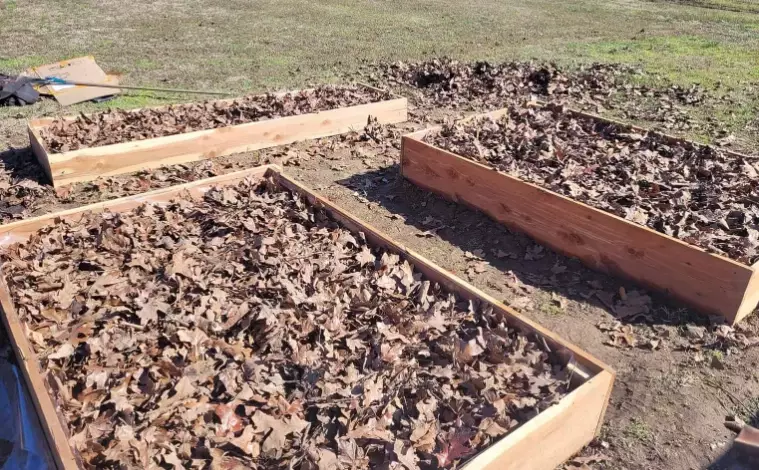
I remember my first bed. I was on a tight budget. I had a pile of dense, gray clay from a backyard excavation and a bunch of rotting logs. "Perfect," I thought. "Free filler!" I tossed it all in, topped it with a thin layer of bagged soil, and planted my tomatoes. The result? A sad, waterlogged mess where roots suffocated and nothing thrived. I learned the hard way that what you fill your raised bed with is the single most important decision you'll make.
So, let's save you that headache. This isn't just a list of no-nos. It's a deep dive into the why behind each one, the science of soil, and what you should do instead. Because knowing what not to fill a raised garden bed with is half the battle to creating a truly productive, healthy garden that lasts for years.
The Absolute Worst Offenders: What to Run From
Some materials are garden bed killers. They might seem convenient or even clever, but they will undermine your efforts from day one.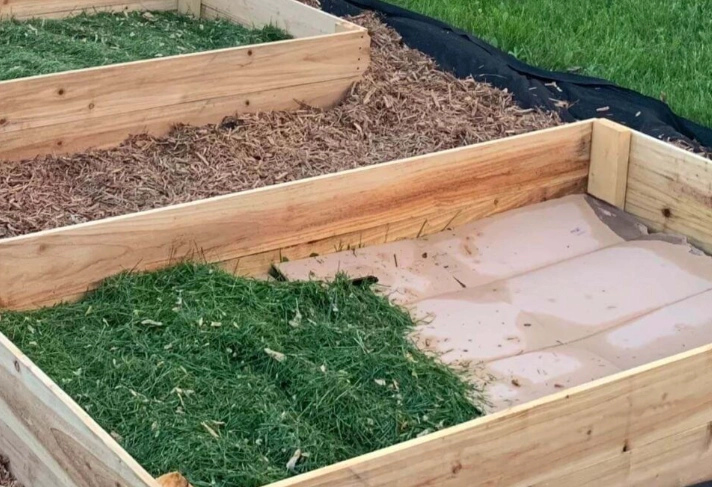
Pure, Undisturbed Native Soil (Especially Clay or Hardpan)
This is the number one mistake. You dig up the ground where the bed sits and use that soil to fill it. Seems logical, right? It's not. The whole point of a raised bed is to elevate your plants above the often poor native soil. If your native soil is heavy clay, it acts like a plug in a bathtub. Water from your lovely, fluffy raised bed mix has nowhere to go. It sits, waterlogs the roots, and causes rot.
Clay, when wet, is impermeable. When dry, it turns to concrete. Roots can't penetrate it. It lacks the air pockets (porosity) that plant roots and beneficial microbes desperately need. Using it as a primary filler defeats the entire drainage benefit of a raised bed. You might as well have just planted in the ground.
Grass Clippings, Fresh Manure, and Unfinished Compost (The "Hot" Rot Materials)
Here's where enthusiasm can burn your plants—literally. A thick layer of fresh grass clippings or fresh manure (from horses, chickens, cows) doesn't just decompose. It undergoes a process called "thermophilic" decomposition, generating a lot of heat. This heat can literally cook tender plant roots and seeds.
More subtly, these materials are very high in nitrogen as they break down. This process ties up other nutrients in the soil, especially nitrogen, in a form plants can't use. Your plants will show signs of nitrogen deficiency (yellowing leaves) right when they need it most. The decomposition also uses up oxygen, creating anaerobic pockets that smell bad and foster harmful bacteria.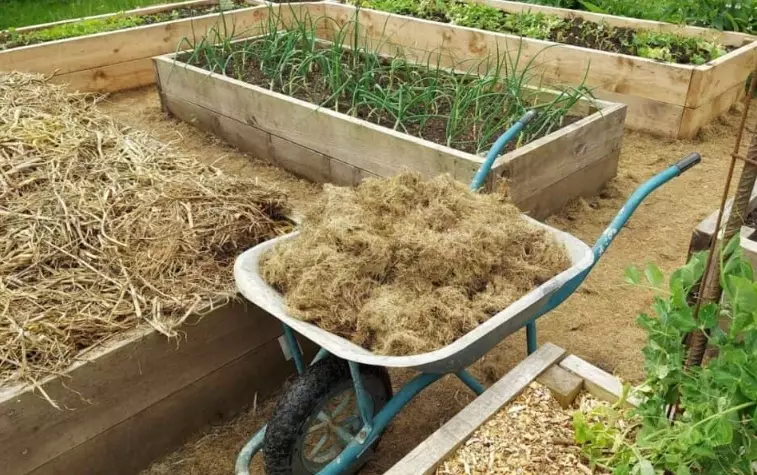
I learned this with grass clippings. I layered them thick at the bottom of a bed in the fall, thinking they'd be perfect compost by spring. Come planting time, the soil was sunken, slimy, and my bean seeds just rotted. The decomposition was still raging.
Pressure-Treated Wood Debris, Painted Wood, or Construction Waste
This should be obvious, but you'd be surprised. Old decking scraps, painted trim pieces, chunks of drywall, or insulation. Just don't. Pressure-treated wood, especially older varieties, contained arsenic and other heavy metals (chromated copper arsenate, or CCA) that can leach into your soil and be taken up by your vegetables. Modern treatments use copper compounds, which are less toxic to humans but can still be harmful to soil life and plants in high concentrations.
Painted wood may contain lead (in older paint) or other chemical additives. Drywall is primarily gypsum, which can be okay in tiny amounts for calcium, but the paper backing and additives aren't meant for soil. You're gardening to grow healthy food, not to create a toxic waste site.
What not to fill a raised garden bed with? Start with these three categories. They're the foundation for failure.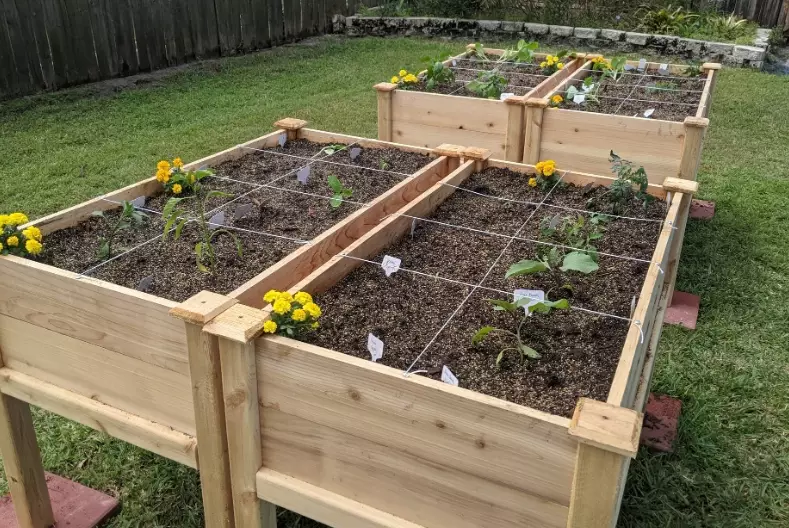
The Deceptively Bad Ideas: Things That Seem Smart But Aren't
These materials often come recommended in old gardening books or forums. The theory sometimes sounds good, but the practice often fails.
A Thick Layer of Untreated Wood Logs or Branches (The "Hugelkultur" Pitfall)
Hugelkultur is a legitimate and fantastic method of building mounds with rotting wood at their core. The key word is method. It's a specific system, not just tossing logs in the bottom of a standard raised bed. In a true hugelkultur mound, the wood is already partially decomposed, the mound is very large (often several feet high), and it's designed to slowly release moisture and nutrients over years.
In a standard 12-24 inch deep raised bed, a thick layer of fresh, untreated logs or large branches creates problems. As the wood decomposes, it will suck immense amounts of nitrogen from the surrounding soil to feed the fungi and bacteria breaking it down. This nitrogen robbery will starve your plants. The decomposition also causes significant settling—your bed could sink 6 inches or more in a single season, destabilizing plants and requiring constant top-ups.
Gravel, Rocks, or Sand for Drainage at the Bottom
The old myth: put a layer of gravel in the bottom for drainage. Science says this is wrong. In fact, it often creates a perched water table. Think of it like this: water moves easily through the fine texture of your soil mix until it hits the abrupt change to large, rocky spaces. The surface tension of the water causes it to "perch" or pool in the soil layer just above the gravel, keeping it wetter than if the gravel wasn't there. The University of Minnesota Extension and many other agricultural institutions have debunked this practice. Good drainage comes from a uniformly porous soil mix throughout the entire bed, not from a layer of rocks at the bottom.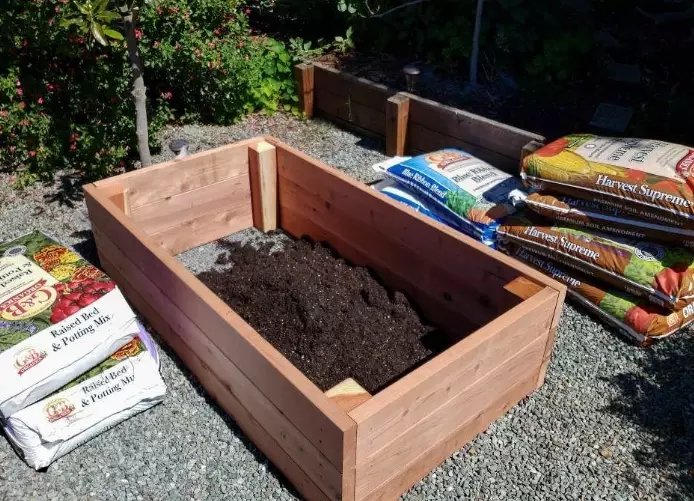
Leaves or Pine Needles (Whole and Unshredded)
Whole leaves, especially from oaks or maples, mat down into a slick, impermeable layer that blocks water and air. They take forever to break down in a raised bed setting. A thin layer of shredded leaves mixed into the overall soil can be wonderful, but a thick layer of whole leaves is a barrier. Similarly, a thick layer of pine needles can make the soil very acidic, which is only suitable for a narrow range of plants like blueberries.
So when you're pondering what not to fill a raised garden bed with, remember that even natural materials need to be processed or used correctly. A big pile of autumn leaves might look like free gold, but if you don't shred them first, they'll cause more harm than good.
The Practical Guide: A Summary Table of What to Avoid and Why
Let's break it down visually. This table summarizes the top contenders for what not to fill a raised garden bed with, the specific problem they cause, and what a better alternative might be.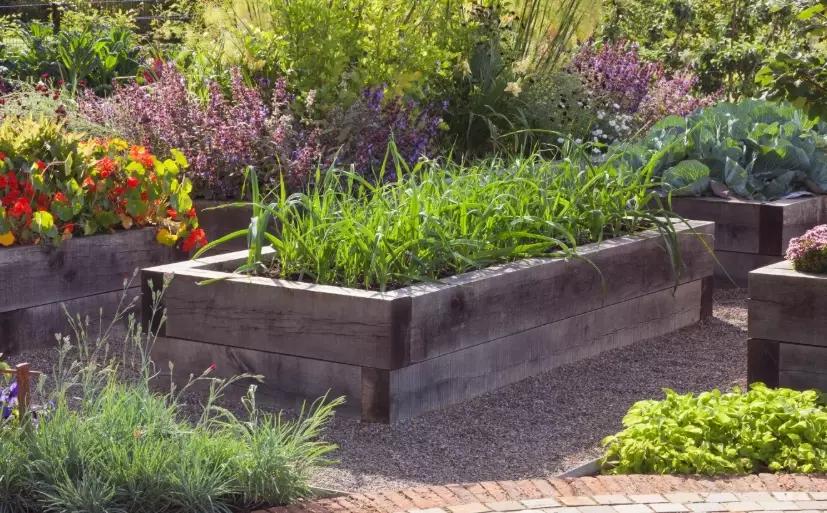
| Material to AVOID | Primary Problem It Causes | Better Alternative / Safe Use |
|---|---|---|
| Pure Native Clay Soil | Creates a drainage block, compacts, suffocates roots. | Use it only if amended heavily with compost & aerating materials (like 1 part clay to 3 parts compost). Better to avoid. |
| Fresh Grass Clippings or Manure | Generates heat, ties up nitrogen, creates anaerobic conditions. | Compost these materials fully first. Use only well-rotted, cold, finished compost. |
| Pressure-Treated Wood Debris | Risk of chemical/heavy metal leaching into soil and food. | Use only untreated, rot-resistant wood (cedar, redwood) or modern composite lumber for the bed frame itself. |
| Large, Fresh Logs & Branches | Causes severe nitrogen deficiency and massive settling. | Use only small, already-rotted twigs and chips if at all. Or build a true, large-scale hugelkultur mound separately. |
| Gravel or Rocks at Bottom | Creates a perched water table, worsening drainage. | Ensure good drainage by using a porous soil mix throughout. Place bed on well-draining ground. |
| Whole, Unshredded Leaves | Forms a water-resistant mat, decomposes very slowly. | Shred leaves thoroughly with a mower before mixing into soil or adding to compost. |
| Sand (Alone or Too Much) | With clay, makes concrete. Alone, lacks nutrients and drains too fast. | Use coarse sand or horticultural grit sparingly as part of a balanced mix, not as a primary component. |
That table should be a quick-reference lifesaver. Print it out and stick it in your shed.
Okay, So What *Should* I Use? The Smart Filler Strategy
Knowing what not to fill a raised garden bed with is useless if you don't know what to do instead. Let's flip the script. A great raised bed mix is all about balance: drainage, water retention, fertility, and structure.
The classic, reliable recipe is often called "Mel's Mix," popularized by Mel Bartholomew of Square Foot Gardening fame. It's one-third peat moss or coconut coir (for moisture retention), one-third coarse vermiculite (for aeration and moisture holding), and one-third blended compost (from multiple sources for fertility). This mix is light, fluffy, and productive, but it can be pricey to fill a deep bed.
For a more budget-friendly and still excellent approach, think in layers and percentages:
- The Base Layer (For Deep Beds): If your bed is over 18 inches deep, you can use some inexpensive, bulky material to take up space. The key is that it must be biologically inert or very slow to decompose. This is where things like well-rotted, coarse wood chips (not fresh), straw (not hay, which has seeds), or even coconut coir bricks (when expanded) can work. They provide structure without robbing nitrogen aggressively. Fill the bottom 25-30% with this.
- The Main Event (The Root Zone): The top 12-18 inches—where 90% of your plant roots will live—must be premium stuff. This is your investment zone. A simple, fantastic mix is:
50% High-Quality Topsoil: Screened, loose, and not pure clay. Bagged or bulk.
30% Finished Compost: The magic ingredient. It feeds plants and soil life. Get it from several sources if you can—municipal, mushroom, your own pile—to diversify nutrients.
20% Aeration Material: Coarse sand (builder's sand, not play sand), perlite, or coarse vermiculite. This ensures those crucial air pockets.
Mix this top section thoroughly right in the bed. Don't layer it like a lasagna in the root zone—you want a homogeneous environment so roots find consistent conditions wherever they grow.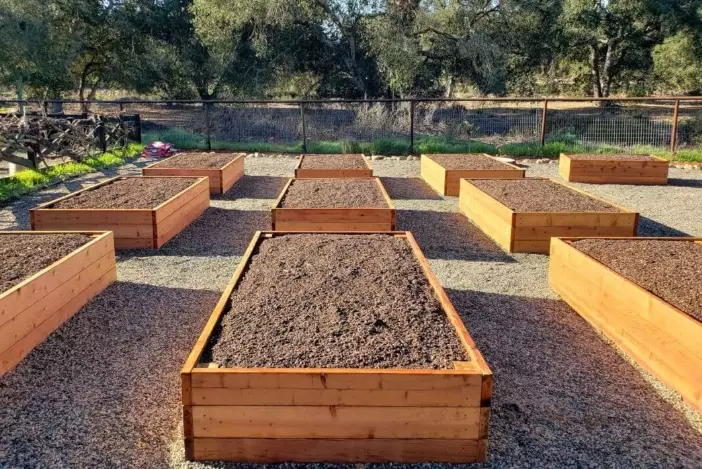
Answering Your Burning Questions (The FAQ Section)
What not to fill a raised garden bed with becomes a very real question after you've already done it. Fixing it is work, but it's better than battling poor results for years.
The Long-Term View: Maintaining Your Bed's Health
Filling the bed correctly is just the first chapter. Soil is alive, and it eats organic matter. Every season, your soil level will sink a bit as the organic material decomposes. This is normal.
Each spring, before planting, top up your beds with a 2-3 inch layer of pure, finished compost. Just spread it on top and gently rake it in. This practice, called top-dressing, replaces lost organic matter, adds fresh nutrients, and reinvigorates the soil food web. It's the secret to keeping a raised bed productive year after year without ever needing to fully replace the soil.
Consider planting a cover crop like winter rye or clover in beds that will be empty over winter. You chop it down and let it decompose in spring, adding green manure directly back into the soil. This is next-level soil building.
So, the final word on what not to fill a raised garden bed with? Anything that compromises drainage, robs nutrients, introduces toxins, or creates physical barriers for roots. Your raised bed is an ecosystem in a box. Start it with the right foundation—a light, fluffy, fertile, and living soil mix. Your plants will show their gratitude with buckets of harvest, and you'll avoid the frustrations that make so many gardeners give up. Now go fill that bed the right way. Your future self, harvesting a giant zucchini, will thank you.
Got a question I didn't cover? Drop it in the comments below. I've made most mistakes in the book, so chances are I've got some hard-earned advice for you.
Reader Comments