Your Quick Guide to DIY Raised Beds
Let's be honest. The idea of a perfect vegetable garden is one thing—neat rows, bursting with color, no weeds in sight. The reality of digging into heavy clay or fighting back Bermuda grass is quite another. That's where a DIY raised bed vegetable garden comes in. It's not some magical solution that eliminates all work, but it changes the game completely. I switched to raised beds about five years ago, after my third attempt at a traditional in-ground plot ended in a muddy, slug-infested mess. I haven't looked back.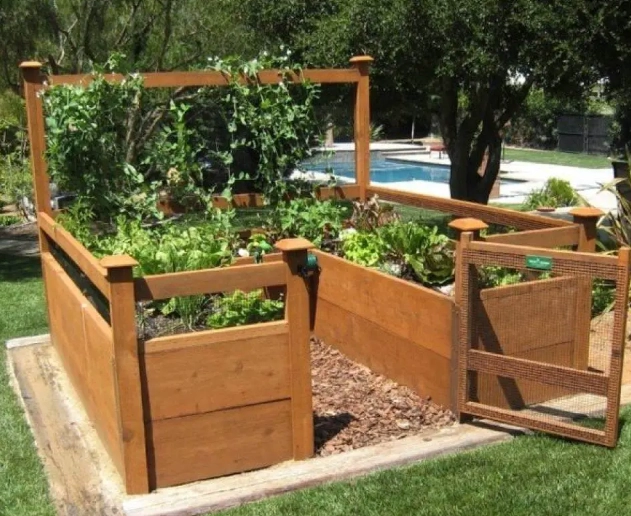
So what's the big deal? You're essentially creating a large, custom planter box for your veggies. You control the soil from day one. You save your back from constant bending. You outsmart poor native soil and drainage problems. For me, the first year yield from my DIY raised bed vegetable garden was double what I'd ever managed in the ground. The plants just looked... happier.
First Things First: Planning Your Raised Bed Empire
Jumping straight to buying wood is tempting, but hold on. A little planning now saves a ton of headache later. The location of your DIY raised bed garden is everything.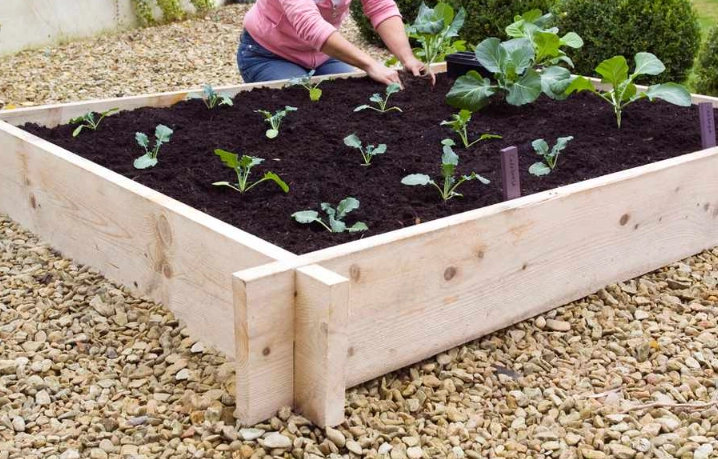
Sunlight is Non-Negotiable. Most vegetables need a solid 6 to 8 hours of direct sun. Full stop. Watch your yard over a day. A sunny spot in the morning might be shaded by the house by noon. The best spot is usually south-facing. No sun? Your options shrink to leafy greens like lettuce and spinach, and even they'll struggle.
Water Access. Can you easily drag a hose to the spot? Hauling watering cans gets old fast. Think about this before you build.
Size and Shape. This is where people mess up. Too big, and you can't reach the center without stepping in the bed (a major no-no). A good rule is a maximum width of 4 feet. That way, you can reach in from either side. Length is flexible, but 8 to 12 feet is common and manageable. As for height, 11 to 12 inches is a good minimum. It gives roots room. If you have back issues, go for 18 to 24 inches—it's more expensive to fill, but it's worth every penny. I built mine at 18 inches, and my back has thanked me ever since.
How many beds? Start small. One 4x8 foot bed can produce a surprising amount. It's better to master one DIY raised bed vegetable garden than to be overwhelmed by three.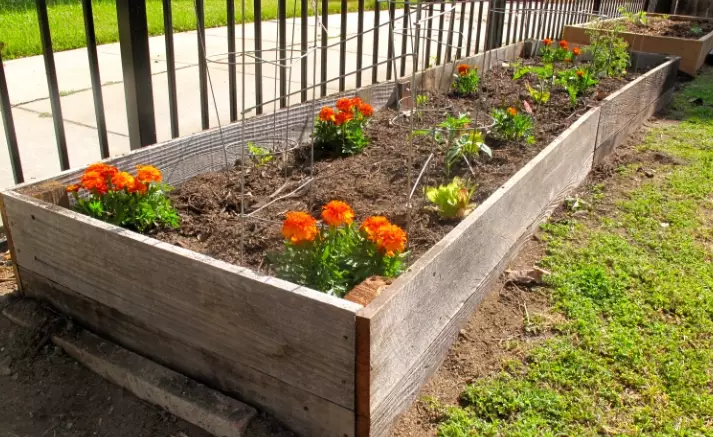
Choosing Your Materials: It's Not Just About Wood
You need something to hold all that beautiful soil in. The choices can be paralyzing, but they boil down to a few main players.
| Material | Pros | Cons | Best For |
|---|---|---|---|
| Cedar or Redwood | Naturally rot-resistant, looks great, long-lasting (5-15+ years). | Expensive. The cost can be a shock. | Permanent, beautiful gardens where budget is less of a concern. |
| Pine (Pressure-Treated) | Affordable, very long-lasting, readily available. | Old concerns about arsenic are gone with modern treatments (ACQ), but some gardeners still prefer to avoid it for edible plants. A personal choice. | Budget-conscious builders who want longevity. Modern ACQ-treated wood is considered safe by authorities like the Environmental Protection Agency. |
| Composite Lumber | Never rots, made from recycled plastic/wood, zero maintenance. | Can be very expensive, may not have the same structural rigidity for very tall beds. | Low-maintenance enthusiasts who dislike the idea of replacing wood. |
| Concrete Blocks or Bricks | Extremely durable, can create interesting shapes, holds heat. | Heavy to move, can alter soil pH over time (alkaline), can be costly. | Modern or industrial garden looks, very permanent installations. |
| Galvanized Steel | Modern aesthetic, very durable, long-lasting. | Can get hot in full sun (might affect soil temp on edges), sharp edges, higher cost. | Contemporary garden designs, raised beds on hardscapes. |
What about lining the bed? If you're using reclaimed wood or are worried about any treatment leaching, you can line the inside walls with heavy-duty landscape fabric. It acts as a barrier. For the bottom, it's a debate. If you're placing the bed on soil, I recommend not lining the bottom. You want worms and beneficial microbes to travel up into your bed, and you want excess water to drain out. Only line the bottom if you're placing it on concrete or contaminated soil.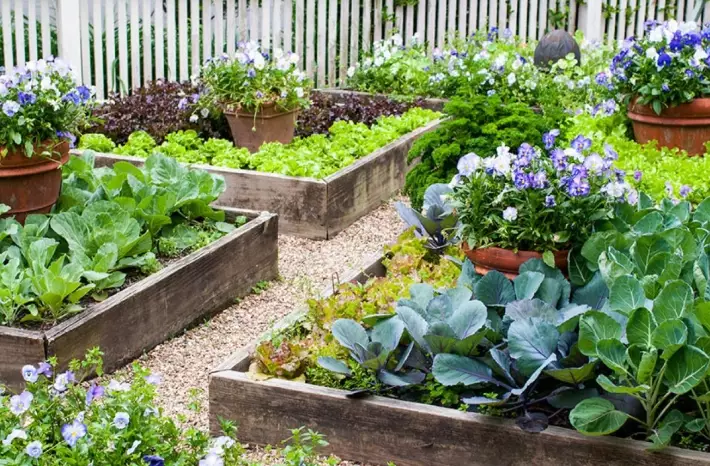
The Build: Let's Get This Thing Together
Okay, you've got your spot and your lumber. Time to build. This is the fun part. For a simple rectangular bed, you don't need to be a master carpenter.
Tools & Materials You'll Need
- Lumber (e.g., 2"x12"x8' boards for sides)
- 4x4 posts for corner braces (if building taller than 12 inches)
- Exterior-grade wood screws (3.5" to 4" long) – deck screws are perfect.
- Power drill/driver
- Level
- Tape measure
- Shovel
- Landscape fabric (optional, for lining)
- Staple gun (if using fabric)
Step-by-Step Assembly
1. Prep the Site. Clear the area of grass and weeds. You don't need to dig deep, just skim off the sod so the bed sits flat on the ground. Use a level to check. A flat base is crucial.
2. Cut and Assemble the Frame. Cut your boards to length. For a 4x8 bed, you'll need two 8-foot boards and two 4-foot boards. The simplest join is at the corners. Pre-drill your holes to prevent the wood from splitting. Screw the ends of the shorter boards to the inside faces of the longer boards. It creates a neat lap joint.
If your bed is taller than 12 inches, you'll need vertical support. Cut a 4x4 post for each corner to match your bed height. Sink it into the ground a bit and screw your side boards into it. This adds massive strength.
3. Place and Level. Move your assembled frame (it'll be heavy!) into position. Check for level in all directions. If it's off, you can dig out a little soil from under the high side or tap the low side down with a mallet. A slightly unlevel bed isn't a disaster, but it can cause uneven watering.
4. The Optional Liner. If you're lining the sides, staple the landscape fabric to the inside walls now. Leave the bottom open.
That's it. Your skeleton for a DIY raised bed vegetable garden is ready. The real magic happens next.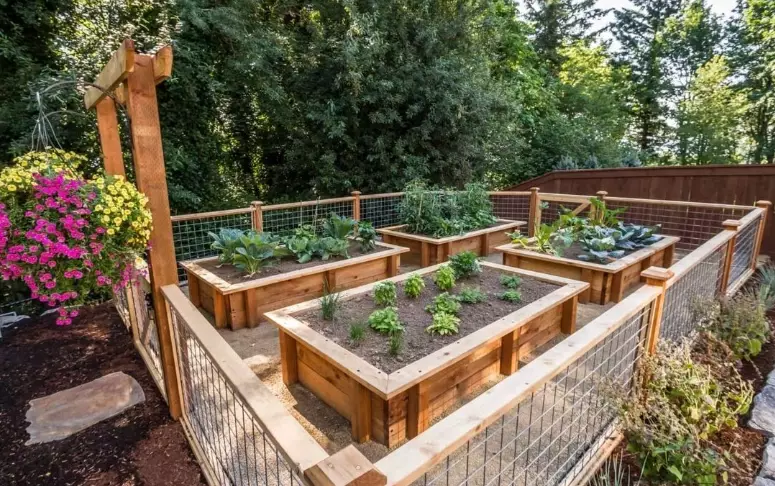
The Heart of the Matter: Soil Mix Recipe
This is the single most important factor for your success. You are not filling your raised bed with dirt from your yard. That would defeat the entire purpose. You're creating a premium, fluffy, nutrient-rich home for your plants.
Forget complicated recipes. The best and most recommended mix is called Mel's Mix, popularized by the Square Foot Gardening method. It's simple:
- 1/3 Peat Moss or Coco Coir: Holds moisture and keeps the mix light. Coco coir is a more sustainable alternative to peat moss.
- 1/3 Vermiculite: This is the secret weapon. It's a mineral that expands when heated. It holds water and air, keeping the soil structure incredibly loose and preventing compaction. It looks like little white flakes.
- 1/3 Blended Compost: Not just one type. Get several different kinds—mushroom compost, worm castings, composted manure, leaf mold. This blend provides a wide spectrum of nutrients and beneficial microbes.
Mixing this by hand for a large bed is a workout. I use a small kiddie pool as a mixing tub for small batches. For a full 4x8 bed, you might need to mix it right in the bed with a shovel. It's worth the effort. This mix is like velvet for roots.
How much soil do you need? A 4x8 bed that's 12 inches deep needs about 32 cubic feet of soil. That's just over a cubic yard. You can buy bags, but for this volume, it's often cheaper and easier to have a bulk soil company deliver a "garden mix" or to buy the components (compost, peat, vermiculite) in bulk and mix yourself.
Don't pack the soil down. Fill the bed and let it settle naturally, topping it off if needed after a rain or watering.
What to Plant in Your New DIY Raised Bed Garden
Now for the fun part. You can grow almost anything, but some plants are absolute superstars in raised beds.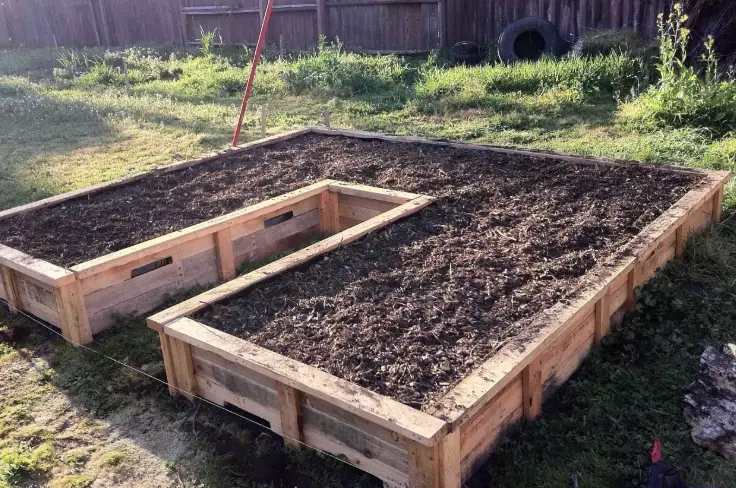
Top Performers (My Personal Favorites)
- Lettuce & Salad Greens: Fast, can be harvested leaf-by-leaf, and love the cool, moist soil of a raised bed. You can have salads for months.
- Tomatoes: The deep, warm soil is perfect for them. Use cages or stakes. One cherry tomato plant can be absurdly productive.
- Carrots & Radishes: Root vegetables adore the loose, stone-free soil. You'll get straight, perfect carrots you can't get in heavy ground.
- Bush Beans: They produce heavily and don't need poles. Just direct sow the seeds.
- Herbs: Basil, parsley, cilantro, thyme. They thrive with good drainage.
Planting Strategies: Rows vs. Blocks
Forget long, single rows. In a raised bed, you plant in blocks or grids. This maximizes space and shades out weeds. The Square Foot Gardening method divides the bed into 1-foot squares, and you plant a certain number of seeds or plants per square (e.g., 16 radishes, 9 bush beans, 1 tomato). It's incredibly efficient.
Think about height and timing. Plant tall plants (tomatoes, pole beans) on the north side so they don't shade shorter plants. You can also practice succession planting: when you harvest your spring radishes, that square is free for a summer bush bean plant.
| Season | Great Plants to Start With | Quick Tip |
|---|---|---|
| Early Spring | Lettuce, Spinach, Peas, Radishes, Kale | Soil warms fast, so you can plant 2-3 weeks earlier than in-ground. |
| Summer | Tomatoes, Peppers, Cucumbers, Beans, Basil | Mulch heavily to retain moisture in the heat. |
| Fall | Lettuce (again!), Swiss Chard, Beets, Carrots, Broccoli | Extend your harvest well into cooler months. |
Ongoing Care: It's Not "Set and Forget"
A DIY raised bed vegetable garden is lower maintenance, but not no-maintenance.
Watering: Raised beds drain well, which also means they dry out faster. In the heat of summer, you might need to water daily. A soaker hose or drip irrigation system laid on the soil under mulch is the ultimate upgrade. It delivers water right to the roots with no waste. Hand-watering is fine, but be consistent. Stick your finger in the soil—if it's dry an inch down, it's time to water.
Mulching: This is a game-changer. A 2-3 inch layer of straw, shredded leaves, or wood chips on top of the soil does wonders. It conserves water, suppresses weeds, and keeps the soil temperature even. I didn't mulch my first year and spent hours weeding. I've mulched every year since.
Feeding: Your perfect soil mix will feed plants for a while. But heavy feeders like tomatoes and peppers will need a boost. I use a balanced organic liquid fertilizer (like fish emulsion or seaweed) every few weeks during the growing season. It's like a vitamin shot. You can also top-dress with more compost mid-season.
Weeding & Pest Control: Weeds are fewer, but they still appear. Pull them when they're tiny. For pests, the small, concentrated space makes it easier to spot problems early. Pick off cabbage worms by hand. Use floating row covers to block moths. Encourage beneficial insects by planting flowers like marigolds or nasturtiums in the corners of your bed.
How deep should a raised bed be for tomatoes?
Tomatoes are greedy rooters. A minimum of 12 inches is okay, but 18-24 inches is ideal, especially for larger varieties. Deeper soil means a larger, more stable root system and better drought resistance.
Can I put a raised bed directly on grass?
You can, but you shouldn't just plop it down. The grass will die and form a smelly, slimy layer that impedes drainage. At minimum, cut the sod out from the area the bed will cover. For a more permanent solution, lay down a layer of cardboard (overlapping well) on the grass before placing the bed. The cardboard will kill the grass and weeds underneath and then decompose, allowing drainage.
What do I do with my raised bed in the winter?
Don't leave it bare. After your last harvest, pull out spent plants (unless they're diseased—toss those). Plant a cover crop like winter rye or crimson clover. Or, simply cover the soil with a thick layer of compost or shredded leaves. This protects the soil life from harsh weather. The USDA has great resources on soil health and cover cropping practices.
How do I keep animals out?
Rabbits and woodchucks can be a nuisance. The simplest solution is a physical barrier. Attach 3-foot tall hardware cloth (metal mesh) to the outside of your bed frame, with an extra foot buried outward underground to deter diggers. For birds, netting over hoops works. For my kale, I built a simple PVC hoop frame and draped bird netting over it. Problem solved.
Are raised beds worth the cost?
The initial investment in materials and soil is higher than digging a plot. But the long-term benefits—higher yields, less physical strain, fewer weeds and pests, longer growing season, and the ability to garden anywhere—make it worth it for most people. It turns gardening from a chore into a much more manageable and successful hobby.
The journey to build a DIY raised bed vegetable garden is one of the most rewarding projects you can do for your home. It connects you to your food, gets you outside, and provides a genuine sense of accomplishment. You start with a pile of wood and end up with a living, breathing source of nourishment.
It's not perfect.
You'll still get the occasional pest. A storm might knock over a tomato cage. You might forget to water during a heatwave. But the framework you've built—literally and figuratively—makes those problems so much easier to handle than in a traditional garden. The control you have is empowering.
My final piece of advice? Start this season. Don't wait for the "perfect" plan. Get one bed built, filled, and planted. You'll learn more by doing it than by reading ten more articles. The taste of that first sun-warmed tomato you grew yourself, in soil you mixed, in a bed you built—that's a feeling no store-bought vegetable can ever match.
Reader Comments