Your Gardening Roadmap
Let's be honest, staring at a blank patch of yard and dreaming of tomatoes and cucumbers is the easy part. The hard part is figuring out how to actually get from that dream to a box full of homegrown veggies. That's where solid raised bed vegetable garden plans come in. They're not just sketches on paper; they're the roadmap that keeps you from wasting money on the wrong wood, filling your beds with junk soil, or planting things so close together you get a jungle instead of a garden.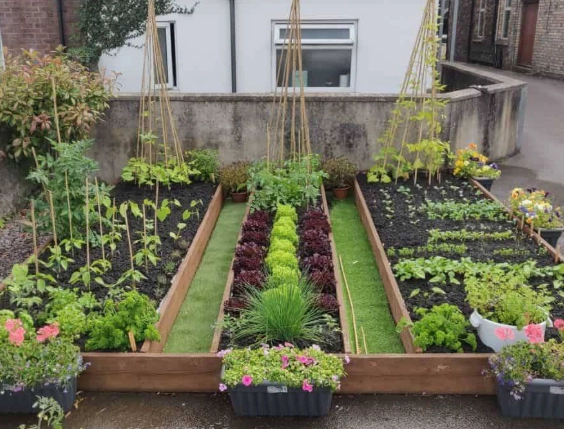
I've been there. My first attempt was a couple of flimsy frames tossed on the grass, filled with whatever bagged soil was on sale. The results were... educational. Leaning walls, soil that turned to concrete after a rain, and peppers that seemed to be on a hunger strike. It was frustrating. But that frustration taught me that a good plan is everything. It's the difference between a hobby that fizzles out and a garden that becomes a reliable part of your life.
So, whether you're a total newbie with a sunny balcony or a seasoned gardener looking to optimize your space, this guide is your one-stop shop. We're going to ditch the vague advice and get into the nitty-gritty of designing, building, and planting raised beds that actually work. We'll talk about the why, the how, and the "oh, I wish I'd known that sooner" details that most guides gloss over.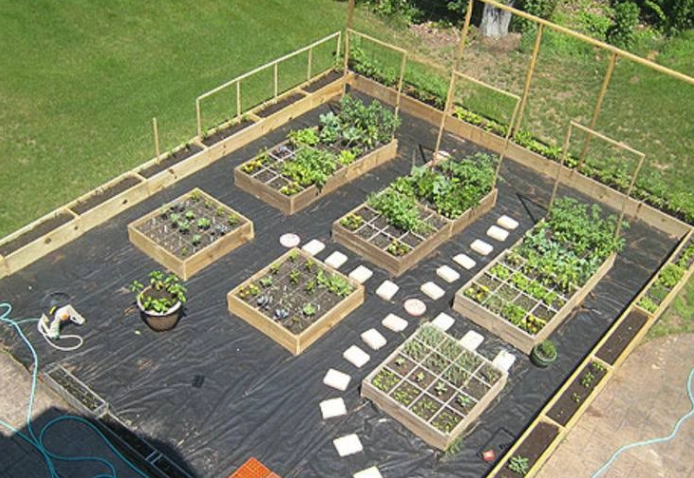
Why Bother with Raised Beds in the First Place?
Before we dive into the actual raised bed vegetable garden plans, it's worth asking if they're even right for you. They're trendy, sure, but are they worth the extra effort and cost compared to just digging a plot?
For most people, the answer is a resounding yes, and here's why. The number one benefit, hands down, is soil control. If your native soil is pure clay, rocks, or sand, trying to amend a large in-ground plot is a backbreaking, multi-year project. With a raised bed, you start with a perfect, fluffy, nutrient-rich mix right from day one. It's like giving your plants a five-star hotel room instead of asking them to rough it.
Then there's the drainage. Waterlogged roots are a death sentence for most vegetables. Raised beds drain excess water away far more efficiently than flat ground, which is a lifesaver in rainy springs. On the flip side, they can dry out faster in heat, but we'll tackle watering solutions later.
Let's not forget the back. Bending over less is a huge win. Even a bed that's only a foot tall saves your spine. For taller beds (24-36 inches), you can practically tend your garden from a standing position or a stool. It makes weeding, planting, and harvesting feel less like a chore.
And finally, there's organization and pest control. Raised beds define your space. They keep pathways clear, which means less compacted soil around your plants. For some folks, a tall enough bed can deter certain pests like rabbits (though a determined groundhog is another story). You can also more easily add covers for frost protection or insect netting.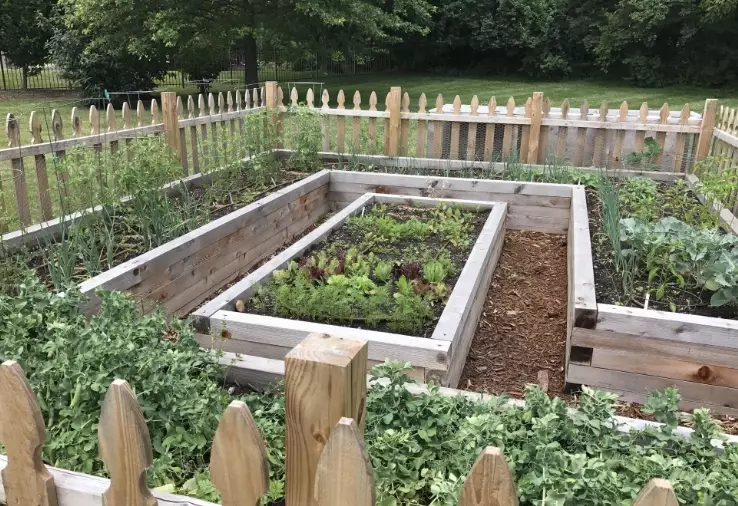
Of course, it's not all roses—or romaine. The initial setup is more expensive. You're buying lumber, soil, and maybe hardware. They do require more frequent watering in hot, dry spells. But in my experience, the trade-off for control, yield, and ease of maintenance is almost always worth it.
Phase One: The Planning Blueprint
This is the most critical phase, and where most people's raised bed vegetable garden plans fall short. You can't just nail some boards together and hope for the best. A little forethought here saves a ton of headache later.
Location, Location, Location
Sunlight is non-negotiable. Most vegetables need a minimum of 6-8 hours of direct sun. More is better. Don't guess. Go outside at different times of the day during the growing season and actually watch where the sun falls. A spot that's sunny in April might be shaded by a tree in July. This is the single biggest mistake I see.
Accessibility is next. Is it close to a water source? Dragging a hose 100 feet gets old fast. Is the ground reasonably level? You can work with a slight slope, but a severe one complicates building. Think about your view from the house, too. A garden you see often is a garden you remember to care for.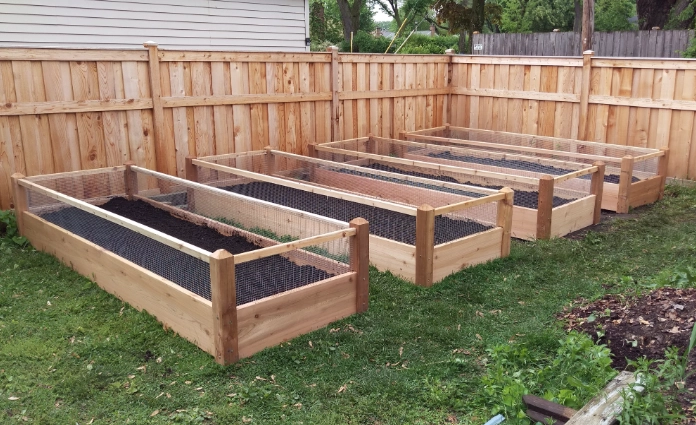
Size and Shape: The Goldilocks Principle
You need to find the size that's just right for you. The classic mistake is going too big, too fast. An overwhelming garden leads to neglect.
Here are the key dimensions to lock down in your raised bed vegetable garden plans:
- Width: This is crucial. Never make a bed wider than you can comfortably reach into from both sides. For most adults, that's a maximum of 4 feet. If the bed is against a wall or fence, limit it to 2-3 feet wide. You should never, ever have to step into the bed and compact your beautiful soil.
- Length: This is flexible. Standard lumber lengths (8ft, 10ft, 12ft) make this easy. Just consider the scale of your space. A single 12-foot bed can feel long, while two 6-foot beds might be more manageable.
- Height: This is where personal needs dictate the plan. A 6-12 inch tall bed is fine for good native soil you just want to improve. For serious soil issues or to deter some pests, 18 inches is great. For ultimate accessibility (gardening from a chair or with major back issues), go for 24-36 inches. Remember, taller beds need more soil, which adds cost and weight.
Shape is mostly about aesthetics and space. Rectangles are classic and efficient. Squares work for smaller spaces. L-shapes or U-shapes can wrap around a patio. Just keep that reachable width rule sacred.
Layout and Spacing Between Beds
If you're planning multiple beds, don't cram them together. You need generous pathways. I made this error early on. A 2-foot path might look fine when the plants are small, but come mid-summer when tomatoes are sprawling and you're trying to maneuver a wheelbarrow, it becomes an impassable jungle.
For main thoroughfares, I now swear by at least 3 feet. This allows for a wheelbarrow, kneeling, and easy passage. For secondary paths between beds you only walk on, 2 feet is the absolute minimum. Consider surfacing your paths with wood chips, gravel, or straw to suppress weeds and keep your feet clean. It makes a world of difference.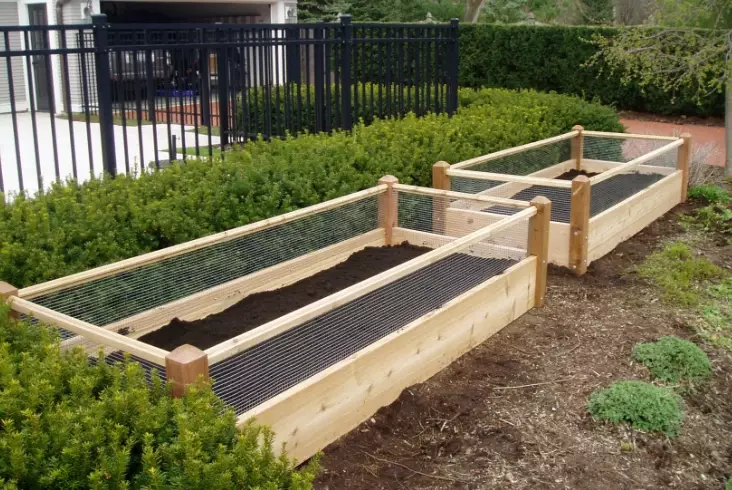
Phase Two: Materials and Construction
Now that your raised bed vegetable garden plans are drawn (even if it's just a sketch on a napkin), it's time to talk materials. This is where you can make choices that last for decades or just a few seasons.
Choosing the Right Frame Material
The eternal debate: wood. What kind? Let's break it down with some real-world pros and cons.
| Material | Pros | Cons | Best For |
|---|---|---|---|
| Cedar or Redwood | Naturally rot-resistant, beautiful, long-lasting (10-20+ years), no chemical treatment needed. | Expensive. The cost can be prohibitive for large or tall beds. | Permanent, beautiful gardens where budget is less of a concern. |
| Pine or Fir (Heat-Treated) | Very affordable, readily available. If heat-treated (marked HT), it's a more eco-friendly option than pressure-treated. | Will rot in 5-7 years, especially in constant soil contact. Needs more frequent replacement. | Beginner gardens, temporary beds, or testing a layout before investing in pricier wood. |
| Modern Pressure-Treated (Micronized Copper) | Long-lasting, affordable, widely available. Modern treatments (post-2003) use copper compounds deemed safe for gardens by agencies like the EPA and many university extensions. | Some gardeners still prefer to avoid any treated wood near edible plants. The debate persists. | Gardeners wanting a budget-friendly, long-lasting option without the cedar price tag. |
| Composite Lumber | Rot-proof, never needs painting, often made from recycled materials. | Can be very expensive, can warp or sag over long spans unless properly supported. | Low-maintenance, modern-looking gardens in wet climates. |
| Concrete Blocks or Bricks | Extremely durable, can create planting pockets in the sides. | Heavy, permanent, can alter soil pH (alkaline) over time. | Very permanent beds in dry climates or where wood rot is a major issue. |
My personal take? I've used cedar, pine, and modern pressure-treated. The cedar bed is going strong after 8 years and looks gorgeous. The pine bed? It served its purpose for 5 years and then needed to be replaced—which was fine, as I wanted to change the layout anyway. For my newest, largest bed, I used the micronized copper pressure-treated lumber after reading research from my state's university extension service. It was the right balance of cost and longevity for that project.
The Build: Keeping It Simple and Square
You don't need to be a master carpenter. The simplest design is a rectangle made from boards stacked and fastened at the corners. For beds taller than 12 inches, you'll want to use vertical corner posts (4x4 lumber) for stability. Sink these posts into the ground a bit to anchor the whole structure.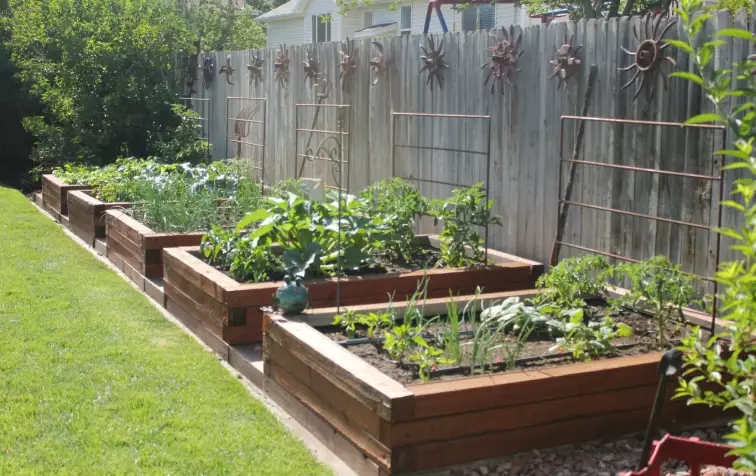
Hardware matters. Galvanized or stainless steel screws are your friends. Deck screws work well. For extra strength at the corners, you can use galvanized corner brackets on the inside. If you're using very tall beds (over 2 feet), consider adding a mid-span cross brace to prevent the long sides from bowing outward under the pressure of all that soil.
Do you need a bottom? Generally, no. You want your plant roots to be able to reach into the native soil below if they need to, and you want worms and beneficial microbes to move up. Just remove any existing grass or weeds from the area first, and consider laying down a layer of plain cardboard to smother any persistent weeds before you build the frame on top. If you have a major issue with burrowing pests like gophers, you can staple a hardware cloth mesh to the bottom of the frame before filling. Use a galvanized mesh with 1/4 or 1/2 inch openings.
Phase Three: The Heart of the Matter - Soil and Planting
Here's the secret sauce. Your perfect raised bed vegetable garden plans are worthless if you fill them with bad dirt. This is not the place to skimp or use leftover soil from a landscaping project.
The Perfect Soil Recipe
Bagged garden soil from the big box store is okay in a pinch, but it can be inconsistent and pricey for large volumes. The best approach is to create your own mix. The classic, tried-and-true recipe promoted by many experts is called Mel's Mix, popularized by Square Foot Gardening. It's equal parts:
- Compost: Provides nutrients and microbial life. Use multiple sources if you can (mushroom compost, worm castings, homemade compost) for a broader nutrient profile.
- Peat Moss or Coconut Coir: Provides moisture retention and fluffiness. Coir is a more sustainable alternative to peat.
- Vermiculite or Perlite: Provides aeration and drainage. Vermiculite also holds some water and nutrients.
This mix is light, drains perfectly, and is incredibly fertile. You can buy the components in bulk from garden centers. For my first beds, I calculated the cubic feet (Length x Width x Height) and mixed it myself in a wheelbarrow. For my latest big bed, I ordered a "garden mix" from a local bulk soil supplier that was roughly based on this principle. It saved a lot of labor.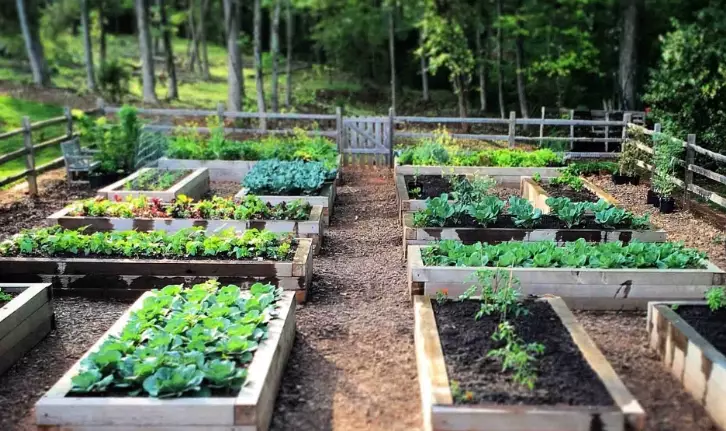
Filling a 4ft x 8ft x 1ft bed requires 32 cubic feet of soil. That's a lot of bags! Buying in bulk from a landscape supply company is almost always cheaper for beds this size or larger.
Planting Your Raised Bed Vegetable Garden Plans
Now for the fun part. The beauty of raised beds is intensive planting. You can grow more in less space. This requires a shift from traditional row gardening.
Square Foot Gardening (SFG) is a brilliant system that pairs perfectly with raised beds. You divide the bed into a grid of 1-foot squares and plant a specific number of seeds or plants in each square. For example: 1 tomato plant per square, 4 lettuce plants per square, 9 bush bean plants per square, 16 radishes per square. It eliminates guesswork and maximizes yield. You can find planting charts all over the internet, but the official Square Foot Gardening Foundation website is a great resource.
Companion Planting: This is the practice of placing plants together that benefit each other. Some combinations can deter pests, improve flavor, or enhance growth. It's part art, part science. A classic example is planting basil near tomatoes—said to improve tomato flavor and repel some insects. Marigolds are often planted throughout vegetable gardens as a general pest deterrent. Don't overcomplicate it at first, but it's a fun layer to add to your planning.
Succession Planting & Crop Rotation: Don't plant everything at once. As soon as you harvest a square of radishes (which grow fast), plant something else in that spot, like beans. This keeps your bed producing all season. Also, try not to plant the same plant family (e.g., tomatoes, peppers, eggplant are all nightshades) in the same spot year after year to help prevent soil-borne diseases.
Ongoing Care and Maintenance
A good raised bed vegetable garden plan includes maintenance. It's not "set it and forget it."
Watering: Raised beds dry out faster. In the peak of summer, you might need to water every day. Investing in a simple drip irrigation system or soaker hoses on a timer is the single best upgrade you can make for productivity and water conservation. It delivers water directly to the soil, not the leaves, which helps prevent disease. Hand watering is fine for one or two small beds, but it becomes a chore.
Feeding: Your initial soil mix will be rich, but plants are hungry. They'll deplete nutrients over a season. I top-dress my beds with an inch or two of fresh compost in the spring and fall. During the growing season, I might use an occasional liquid organic fertilizer (like fish emulsion or seaweed) for heavy feeders like tomatoes and corn. It's gentle and effective.
Weeding and Pest Control: The good news? Weeding in loose, raised bed soil is incredibly easy. A quick hoe or a pull by hand does it. For pests, observation is key. Check your plants regularly. Pick off caterpillars. Spray aphids off with a strong jet of water. Encourage beneficial insects by planting flowers like alyssum, dill, or cosmos nearby. I try to avoid broad-spectrum pesticides because they kill the good bugs too.
Answering Your Raised Bed Garden Questions
Look, the goal of any good set of raised bed vegetable garden plans isn't to create a showpiece for a magazine. It's to create a functional, productive, and enjoyable space that fits your life. It's okay if your beds aren't perfectly level. It's fine if you mix flowers in with your veggies. The best garden is the one you actually tend and enjoy.
Start with a simple plan. Build it with materials that fit your budget. Fill it with the best soil you can. Plant things you love to eat. Then just observe, learn, and get your hands dirty. Every season you'll learn something new, and your garden—and your plans—will evolve. That's the real joy of it.
Now, go sketch out your space. Figure out where the sun falls. Decide on one bed to start. That's how it begins.
Reader Comments