Quick Guide to This Article
So you've got your pallets. You've figured out how to screw them together into a box (or maybe three). You're ready to start composting, but then you stop and stare at those gaps between the slats. Dirt's going to fall out. Water's going to leak. The whole thing looks a bit... unfinished. That's when the question hits you: should you be lining a pallet compost bin?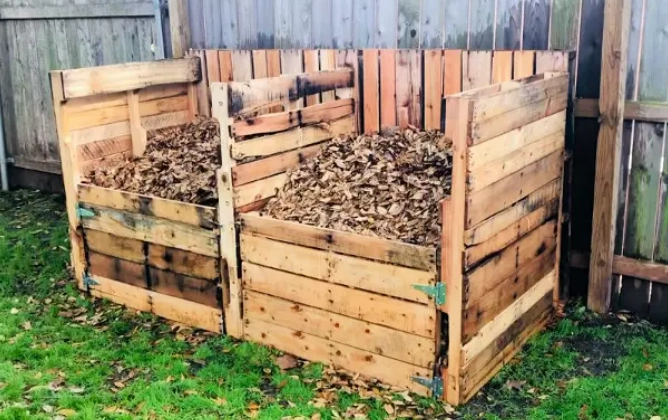
I've been there. My first pallet bin was a mess. I just started throwing scraps in, thinking the magic of decomposition would solve everything. It didn't. I ended up with a soggy, smelly patch of ground and a lot of frustrated shoveling. The problem wasn't the composting; it was the container.
Let's cut through the noise. Lining a pallet compost bin isn't a simple yes or no answer. It's a choice with real consequences for your compost's health, your workload, and your garden's ecosystem. Some people swear by it, others think it's a complete waste of time and money. Who's right? Well, it depends. This guide is here to walk you through every single thing you need to know to make that decision for yourself. We'll look at all the materials, the good and the bad, the how-to, and the what-if. No fluff, just the stuff that actually matters when you're standing in your yard with a staple gun in one hand and a roll of hardware cloth in the other.
To Line or Not to Line? The Core Question
First, let's get one thing straight. A liner isn't about making your compost bin "pretty." It's a functional decision. Think of it like this: the pallets are the skeleton, and the liner is the skin. The skeleton gives it shape, but the skin controls what stays in and what gets out.
Why you might WANT a liner:
- Containment: Stops fine, finished compost from sifting out through the gaps. This is the big one. You spend months making this black gold, only to watch it trickle into the grass.
- Moisture Control: Helps retain moisture in dry climates. It also prevents heavy rain from waterlogging the pile in wet climates (if you use a breathable liner).
- Insulation: Some materials can add a bit of warmth, speeding up decomposition in cooler weather.
- Pest Barrier: A fine mesh can deter smaller critters like mice and rats from getting in.
- Longevity: Protects the wooden pallets from constant moisture and microbial activity, making your bin last longer.
Why you might SKIP the liner:
- Cost & Effort: It's an extra step and an extra expense.
- Drainage: A non-breathable liner can create a swamp at the bottom of your bin if it doesn't have drainage holes.
- Aeration: Compost needs air. A completely sealed liner can suffocate the aerobic bacteria you're trying to cultivate.
- Natural Process: Some argue that direct contact with the soil is best, allowing worms and microbes to migrate freely.
See? It's a trade-off. Personally, I lean towards using a liner, but only the right kind. A bad liner is worse than no liner at all.
Material Showdown: Choosing Your Pallet Compost Bin Liner
This is where most guides give you a short list. We're going deep. Every material has a personality. Some are high-maintenance friends, others are low-key but effective. Let's meet them.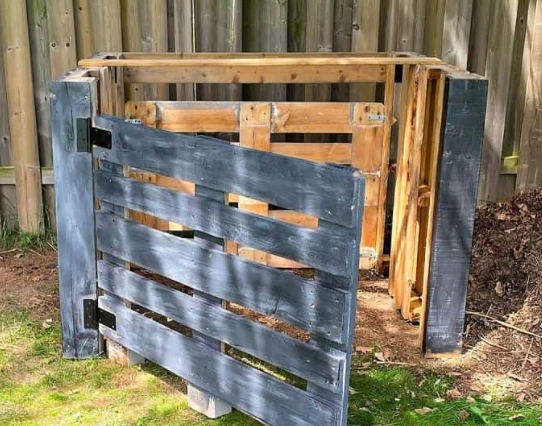
| Material | Best For | Pros | Cons (The Real Downsides) | DIY Difficulty |
|---|---|---|---|---|
| Hardware Cloth / Galvanized Mesh (1/4" or 1/2") | Most people. The all-rounder. | Super breathable, excellent drainage, fantastic pest barrier (stops rodents), allows soil contact, very durable. | Can be sharp to handle, requires sturdy staples or screws, the galvanizing can eventually wear. | Medium (need wire cutters, gloves, heavy-duty stapler) |
| Landscape Fabric (Weed Barrier) | Containment on a budget. | Cheap, easy to cut and staple, allows water and air to pass through (mostly), contains fine material. | Not very durable - sun and weather will break it down in a year or two. Can get clogged. Feels flimsy. | Easy |
| Chicken Wire | A quick, cheap fix. | Very cheap, easy to shape, provides some containment. | Too loose to stop fine compost, gaps are big enough for mice, rusts quickly, can snag and be a pain. | Easy |
| Reused Cardboard | The ultimate free, temporary liner. | Free, biodegradable, adds carbon, provides great initial insulation. | Will decompose within a few months, offers zero pest control, turns to mush when wet. | Very Easy |
| Old Carpets or Burlap Sacks | Insulation in cold climates. | Great insulation, breathable, often free. | Can get heavy and slimy, may contain unwanted chemicals (especially carpets), not very tidy-looking. | Easy |
| Plastic Sheeting (Pond Liner, Tarp) | Extreme moisture retention in arid climates. | Completely waterproof, contains everything. | MAJOR DRAWBACK: Creates anaerobic conditions if not managed perfectly. Must add drainage holes and monitor moisture closely. Can overheat. | Medium |
| Wood Slats or More Pallets | The "no-liner" liner. | Fully natural look, great airflow, uses same materials. | Doesn't fully solve the sifting problem, more work to build. | Hard |
My first attempt at lining a pallet compost bin was with chicken wire. Big mistake. Within a month, the bottom was a rusty, sagging mess, and I still had compost leaking out. I learned the hard way that the right material makes all the difference. Now, I'm a hardware cloth convert for the sides, and I often leave the bottom open to the earth.
The Step-by-Step: How to Line Your Bin the Right Way
Okay, you've picked your material. Let's get it on there. I'm going to assume you've chosen hardware cloth or landscape fabric, as they're the most common. The principles are similar for others.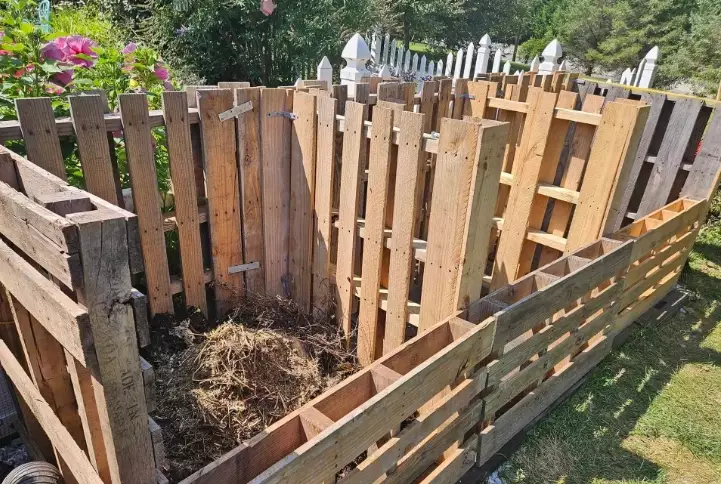
What You'll Need
- Your liner material (measure your bin's interior sides first!)
- Heavy-duty staple gun (for fabric) OR galvanized staples/u-nails and a hammer (for wire)
- Tin snips or heavy-duty wire cutters (for hardware cloth)
- Scissors (for fabric)
- Gloves (especially for wire – those edges are sharp)
- Safety glasses (wire cuttings love to fly)
- A friend to hold things is highly recommended.
The Process: A Walk-Through, Not Just a List
Step 1: Measure Twice, Cut Once. This is woodworking 101, but it applies here too. Don't just guess. Measure the height and width of each interior side of your pallet bin. For hardware cloth, add an extra 2 inches to the height and width if you can. This gives you flap to fold over the top edge, which makes it safer and more secure. For fabric, an extra inch is fine.
Step 2: Prep the Pallets. Look for any huge splinters or protruding nails on the inside faces. Hammer those nails flat. You don't want them poking through your liner later. Give the wood a quick look-over.
Step 3: Attach the Liner – The Tricky Part. Start with the back wall if your bin is against a fence. It's the easiest.
- For Hardware Cloth: Have your friend hold the sheet firmly against the wood. Start stapling or nailing at the TOP CENTER. Work your way outwards to the sides, then down the sides, and finally across the bottom. Pull the mesh taut as you go. Those extra inches at the top? Fold them over the top wooden slat and staple them down. This caps the sharp edge and looks finished.
- For Landscape Fabric: The process is similar, but it's easier to handle. Staple along the top edge first, pulling it snug. Then do the sides and bottom. Don't be shy with the staples – fabric can billow in the wind.
Repeat for the two side walls.
The Front & The Bottom – Special Considerations
The Front: If your front is removable (it should be, for turning and harvesting), you have a choice. You can line the removable panel separately, creating a "door" that lines up. Or, you can line the inside edges of the side walls that the front panel slides against. I prefer lining the removable panel itself. It's cleaner.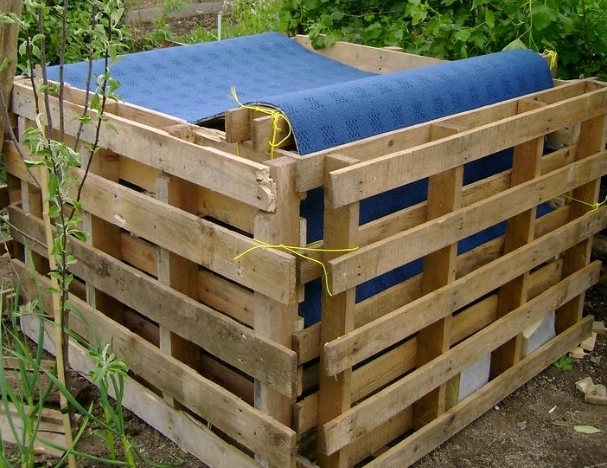
Pro Tip for the Front: When lining a removable front pallet, attach the liner so the staples are on the OUTSIDE face (the face that will be against the side walls). This way, when you slide the front in, the smooth, staple-free side of the liner is facing your compost, preventing snags when you shovel.
The Bottom: Ah, the great debate. To line or not to line the bottom?
- Line It: Use hardware cloth. It keeps everything in but allows worms up and water down. Staple it directly to the bottom pallet. This is my preferred method for a tidy setup.
- Leave It Open: Direct soil contact. Best for natural migration and drainage. Just clear the grass and weeds from the area first.
- Line with Cardboard: A great middle ground. Lay flattened cardboard boxes on the ground inside the bin. It will suppress weeds initially and then decompose, letting the pile connect with the earth later.
Critical Warning: If you use a non-porous material like plastic sheeting on the sides, you must either leave the bottom open or drill a dozen large drainage holes in the bottom corners of the plastic. Anaerobic, soggy compost is a smelly, failed compost. Trust me on this one.
Beyond Installation: Maintaining Your Lined Bin
Lining a pallet compost bin isn't a "set it and forget it" job. The liner needs a little love too.
Check for Sagging: Over time, the weight of the compost can pull staples loose, especially with wire mesh. Every few months when you turn the pile, give the liner a gentle push. If it's bulging, add a few more staples from the outside.
Inspect for Damage: Look for rust on hardware cloth (not a huge issue initially) or tears in fabric. Small holes in fabric can be patched with a staple and a scrap. A heavily rusted section of mesh might need a patch wired over it.
The Moisture Check: This is the most important maintenance task. Stick your hand in the pile. It should feel like a wrung-out sponge. If you're using a breathable liner and the pile is too dry, water it. If you're using plastic and the bottom is soupy, you need more drainage or more browns (dry leaves, cardboard).
Harvesting with a Liner: When it's time to get your finished compost out, a liner actually makes it easier. The fine stuff isn't glued to the wooden slats. Just open the front and shovel from the bottom. For a hardware cloth liner, the compost usually slides off it pretty cleanly.
Common Questions & Head-Scratchers (The FAQ)
Do I need to line all four sides of my pallet compost bin?
Not necessarily. Many people only line the two side walls and the back, leaving the front and bottom open or separately lined. This saves material and effort. The key is to line the sides that will have compost permanently pressed against them. If your front is always on, line it. If it's off most of the time, maybe not.
Will lining a pallet compost bin stop worms from getting in?
It depends on the liner. Hardware cloth with 1/4" or 1/2" holes will not stop worms – they can squeeze through. Landscape fabric might slow them down a bit, but they'll eventually find a way. A solid plastic liner with no bottom contact will definitely block them. If you want worms (and you do), ensure your liner is porous or your bin has open soil contact at the bottom. The U.S. Composting Council has great resources on vermicomposting principles that apply here too.
How do I stop the compost from sticking to the liner?
It will stick a little, especially when wet. The trick is to build your pile with a good mix of "browns" (dry, carbon-rich materials) from the start. A layer of straw or dry leaves against the liner can help. When harvesting, let the finished compost dry out a bit first – it will shrink and pull away from the sides. A gentle tap on the outside of the bin with a rubber mallet can also shake it loose.
Is it cheaper to line a bin or just buy a pre-made plastic one?
Almost always, the pallet bin is cheaper, even with a liner. Pallets are often free. A roll of hardware cloth might cost $30-$50, but it will last for years and can line multiple bins. A decent plastic compost bin can easily cost $100+. The pallet bin also gives you more volume. The trade-off is aesthetics and a bit more DIY labor.
Can I use leftover house wrap (Tyvek) as a liner?
Technically, yes. It's tough and water-resistant yet breathable. However, I'm cautious about it. While it's designed to let water vapor pass, it might not be as breathable as ideal for a hot compost pile. It could also be a bit of a fire hazard if your pile gets extremely hot (which is rare but possible). If you have it, it's worth an experiment on one bin, but I wouldn't go out and buy it specifically for lining a pallet compost bin. For science-based best practices on compost pile management, your local university extension service is a goldmine. For example, the University of Minnesota Extension has detailed guides on pile balance.
Final Thoughts: Making Your Choice
So, after all this, should you do it?
If your priority is a tidy, efficient, long-lasting system that maximizes your compost yield, then yes, lining a pallet compost bin is a smart move. The upfront work pays off every time you harvest a full batch of compost that hasn't vanished into the soil beneath it.
If you're a more hands-off, let-nature-take-its-course composter, and you don't mind losing some volume or having a wilder-looking pile, then skipping the liner is perfectly valid. It's the original way.
For me, the sweet spot is using a durable, breathable liner like hardware cloth on the sides and back, leaving the bottom open to the earth, and having a separately lined removable front. This setup gives me containment, aeration, and a connection to the soil ecosystem. It's a hybrid approach that just works.
The beauty of a pallet bin is its customizability. You can always start without a liner and add one later if you see a problem. Or you can try one material, see how it goes, and change it next season. That's the real lesson here: there's no single right answer, only the right answer for your garden, your climate, and your composting style. Now go get those pallets lined – or don't. You've got the info to decide.
Reader Comments