In This Guide
So you're thinking about planting asparagus, or maybe you already have a bed and you're staring at it wondering if it's pulling its weight. That burning question pops into your head: how many asparagus do you get off one plant? I get it. You see those pricey bundles at the grocery store and dream of a backyard bonanza. I had the same dream when I started.
Let's cut to the chase right away, because I hate it when articles bury the lead. The short, unsatisfying answer is: it depends. Annoying, right? But stick with me. A single, mature, well-cared-for asparagus crown (that's what you plant) in its prime can produce somewhere between 20 to 40 spears over a 6-8 week harvest season. In weight, that might translate to roughly half a pound to a pound per plant per year.
But that number is almost meaningless on its own. Telling you that is like telling someone a car's top speed without mentioning the engine, the road, or the driver. My first asparagus bed was a lesson in humility—I got maybe eight scrawny spears the first harvest year and thought I'd failed. I hadn't. I just didn't understand the game.
Asparagus isn't like lettuce. You don't plant it in spring and feast by summer. It's a long-term relationship. You invest patience for years of returns. Asking "how many asparagus do you get off one plant" is really asking about the entire lifecycle and care regimen. So let's dig into what actually moves the needle on your harvest.
The Big Factors That Decide Your Asparagus Harvest
Why does the yield vary so much? It comes down to a handful of critical factors. Ignore these, and your harvest will reflect that. Master them, and you'll be the neighbor giving away asparagus (it happens).
1. Plant Age: The Patience Payoff
This is the non-negotiable, biggest factor. Asparagus needs time to build a massive, deep root system (the crown) to support top-tier spear production.
- Year 1 (The Planting Year): You get ZERO. Seriously, don't harvest a single spear. I know it's torture. The plant needs all its energy to establish roots. I've seen people sneak a cut, and it always sets the plant back.
- Year 2: You can do a light, 2-3 week harvest. Maybe 3-5 thin spears per plant. It's a taste test, not a meal.
- Year 3: Now we're talking. A moderate 4-5 week harvest is possible. You might see 10-15 decent spears per crown.
- Years 4-10+ (Prime Production): This is the golden era. Full 6-8 week harvests, with yield peaking around years 5-8. This is where that 20-40 spear estimate lives.
Think of it like a retirement fund. The early contributions seem small and frustrating, but the compound growth later is massive.
2. Variety Matters: Not All Asparagus Are Created Equal
You'll mainly choose between male and female hybrid varieties. This choice directly impacts how many asparagus you get off one plant.
Female plants produce seeds (those little red berries you sometimes see). That takes a huge amount of energy—energy that could have gone into making more spears. Male plants don't waste energy on seeds, so they typically produce 25-30% more spears and are often more vigorous and long-lived.
Most modern, high-yielding cultivars are all-male hybrids. Here's a quick comparison of some popular ones:
| Variety | Type | Key Characteristics | Yield Potential |
|---|---|---|---|
| Jersey Knight | All-Male Hybrid | Excellent disease resistance, does well in heavier soils. Very reliable. | Consistently High |
| Jersey Giant | All-Male Hybrid | Produces very thick spears early in the season. Great for colder climates. | Very High |
| Purple Passion | Female (Mostly) | Beautiful purple spears, sweeter and more tender. Turns green when cooked. | Moderate (but unique flavor) |
| Mary Washington | Standard Heirloom | Classic, reliable, but includes both male and female plants. Less yield than modern hybrids. | Good (but variable) |
My personal go-to is Jersey Knight. It's just a workhorse in my garden. I tried Purple Passion for the novelty, and while delicious, I definitely noticed fewer spears per plant.
3. Soil & Feeding: It's All About the Roots
Asparagus is a heavy feeder. That massive perennial root system is hungry. Poor soil equals puny spears. The goal is deep, rich, well-drained soil.
- pH is Critical: Aim for a soil pH between 6.5 and 7.5, slightly alkaline. Acidic soil locks away nutrients. A simple soil test from your local extension office (like the one from Purdue Extension) is the best $15 you'll spend. I didn't do this year one, and my plants sulked.
- Organic Matter is King: At planting, mix in a huge amount of compost or well-rotted manure into the entire bed, not just the planting hole. Think wheelbarrow loads per square yard.
- Annual Feeding: Each spring, as the spears start to emerge, side-dress with a balanced organic fertilizer or more compost. Then feed again after the harvest season ends, as the ferns are growing, to recharge the crown for next year. This post-harvest feed is the one most people miss, and it's crucial for answering "how many asparagus will I get next year?".
4. Spacing & Crowding
Those little crowns in the nursery pot grow into monsters. Crowd them, and they'll compete for light, water, and food, slashing your per-plant yield. Standard spacing is 12-18 inches apart in rows that are 4-5 feet apart. Giving them room lets each crown develop to its full potential. A crowded bed might give you a decent total yield from the patch, but the yield per individual plant will suffer.
I made the spacing mistake early on. I thought I could squeeze in more plants. All I got was thinner spears and a need to divide the crowns much sooner.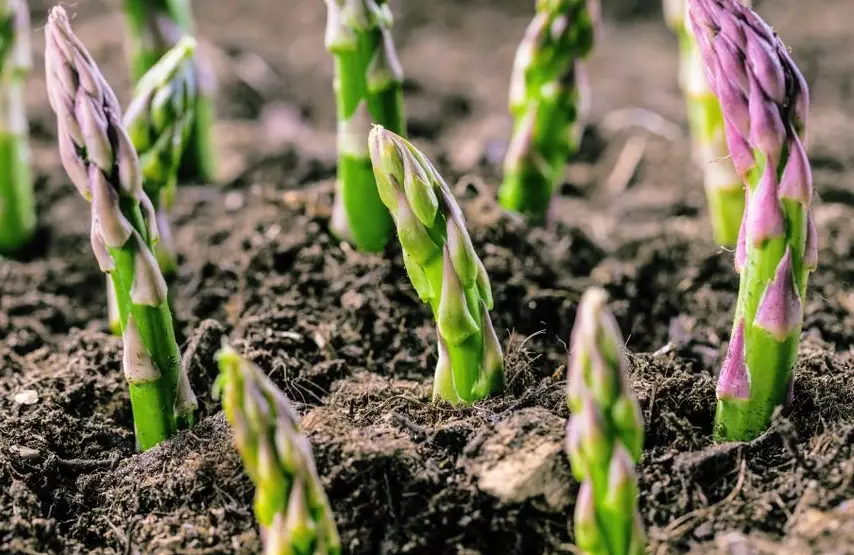
Putting It All Together: A Realistic Yield Timeline
Let's visualize what you can realistically expect from one plant of a modern, all-male hybrid like Jersey Giant, assuming good care. This table breaks down the journey.
| Planting Year | Harvest Duration | Estimated Spears Per Plant | Notes & What You're Really Doing |
|---|---|---|---|
| Year 1 | None | 0 | Plant crowns. Let all spears grow into tall ferns. Focus on weeding and watering. |
| Year 2 | 2-3 weeks | 5-8 | Light harvest of spears thicker than a pencil. Stop early to preserve plant strength. |
| Year 3 | 4-5 weeks | 12-20 | Moderate harvest. Spears are getting more robust. Stop when spear diameter starts to decrease. |
| Year 4 | 6-8 weeks | 20-30 | First full harvest. This is where the patience starts to pay off deliciously. |
| Years 5-12 | 6-8 weeks | 25-40+ | Peak production years. Consistent, abundant harvests if soil fertility is maintained. |
See? That initial "20-40" number only tells part of the story. The journey to get there is the whole story.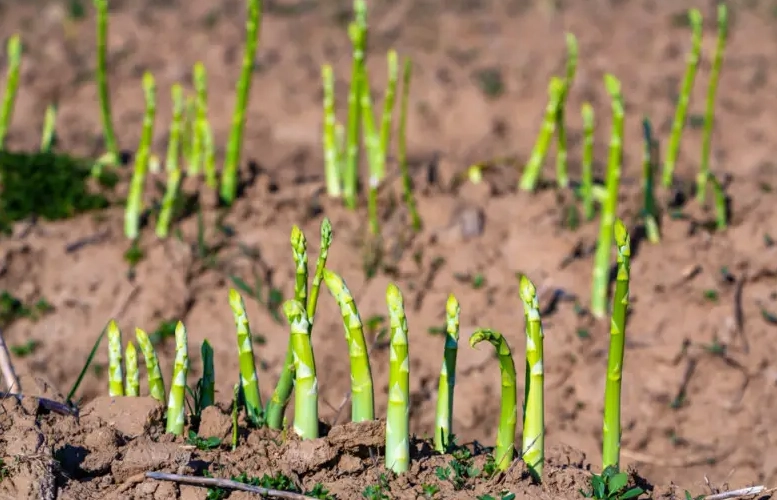
How to Maximize Your Answer to "How Many Asparagus Do You Get Off One Plant?"
Want to push your yield toward the higher end of the scale? It's not magic, it's maintenance.
Watering Deeply, Not Frequently
Asparagus has deep roots to access water. Frequent, shallow watering encourages shallow roots, making plants less drought-tolerant and potentially weaker. Soak the bed deeply once a week if rain is lacking, providing 1-2 inches of water. A soaker hose is perfect for this. During the fern-growing stage (post-harvest), consistent moisture is especially important—this is when the plant is photosynthesizing and storing energy for next year's spears.
The Critical Post-Harvest Period: Fern Management
Once you stop cutting spears, you must let them grow into those tall, feathery ferns. Do not cut them down until they are completely yellow and dead in late fall or winter. Those ferns are the solar panels for the crown. Cutting them green is like unplugging a battery while it's charging. I made this mistake once, and the following spring's harvest was noticeably lighter.
Some experts, like those at University of Minnesota Extension, recommend even leaving the dead ferns over winter to trap snow for moisture and then cutting them down in early spring just before new spears appear. I've started doing this, and it seems to help with winter protection.
Weed Control is Non-Stop
Weeds compete fiercely with asparagus, especially perennial weeds. Mulch heavily with straw or shredded leaves to suppress weeds and retain moisture. Hand-pull any weeds that appear, being careful not to disturb the shallow-growing crowns. A weed-free bed is a happy, productive bed.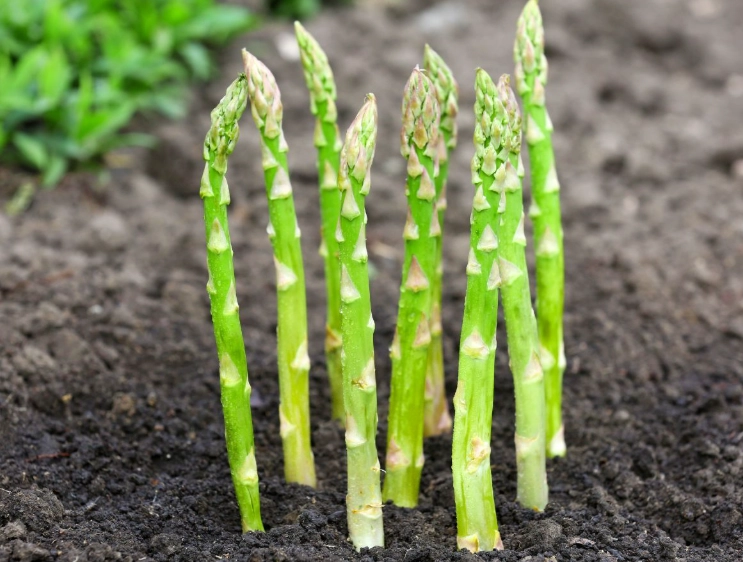
Common Questions (And Real Answers) About Asparagus Yield
The Bottom Line: It's a Marathon, Not a Sprint
So, circling back to the core question—how many asparagus do you get off one plant?—you now see it's the wrong question to ask in isolation. The right question is: "How do I nurture an asparagus plant over years to maximize its lifetime yield?"
The number fluctuates. A mature plant in its prime, under ideal conditions (right variety, perfect soil, ample space, impeccable care), might give you 40+ fat spears in a great year. A stressed, crowded, or underfed plant of the same age might give you 15. The difference is all in the details we just walked through.
My final, honest take? Asparagus gardening teaches delayed gratification better than almost any other crop. The first two years can feel like a lot of work for no food. But then, year after year, with minimal effort compared to annual veggies, it gives back. You walk out in the spring, and there they are, like clockwork. That reliability is worth more than any single season's spear count.
Start right. Choose a sunny spot, dig in an absurd amount of compost, pick a modern all-male variety, give them space, and then have the discipline to wait. Do that, and for decades, you'll never have to wonder "how many asparagus do you get off one plant?"—you'll be too busy eating them.
For more in-depth, science-backed information on perennial vegetable cultivation, resources from institutions like Penn State Extension or the USDA Plants Database are fantastic for deepening your knowledge. But honestly? Sometimes you just need to get your hands dirty and learn by doing. Just be more patient than I was at the start.
Reader Comments