Quick Navigation
- Why Depth is More Than Just a Number
- The Standard Depths & What They're Actually Good For
- Choosing Your Depth: A Plant-by-Plant Guide
- The Hidden Factors That Change the Depth Equation
- Answering Your Top Questions on Raised Bed Depth
- Construction & Material Considerations for Depth
- The Final Verdict: Making Your Decision
You're standing there with your lumber or kits, tape measure in hand, ready to build. The excitement is real. Then the question hits you, harder than you expected: just how deep should a raised garden bed actually be? It seems simple, right? But get it wrong, and your plants will let you know—usually by not thriving.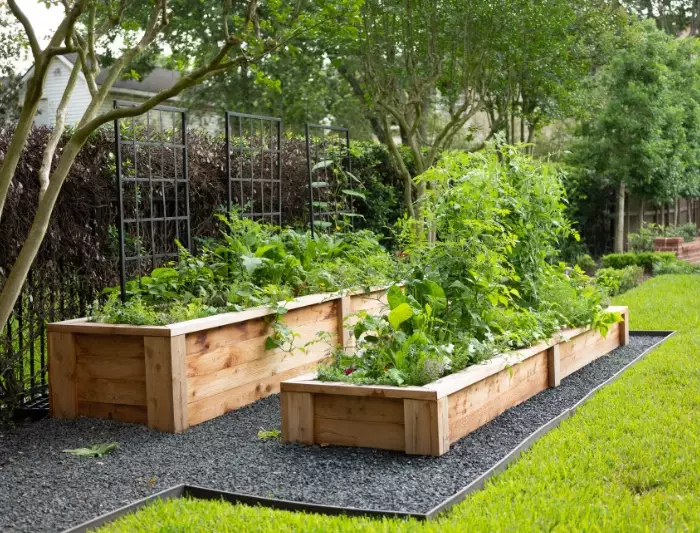
I've been there. My first raised bed was a measly 6 inches deep because I was cheap on soil. The lettuce was okay, but my carrots were a joke. Stubby, forked little things. It was a lesson learned the hard way. So let's save you that trouble. The short, unsatisfying answer is: it depends. But the real, useful answer is a mix of plant needs, your back's tolerance, and what's underneath your bed.
Most gardening resources throw out a one-size-fits-all number. Twelve inches! They shout. But that's only part of the story. If you're growing tomatoes or asparagus, twelve inches is barely scratching the surface. Literally. We need to dig deeper than that.
Why Depth is More Than Just a Number
Before we get to the tape measure, let's talk about why this matters so much. A raised bed isn't just a container. It's an entire ecosystem you're building from the ground up. The depth dictates the living space for the most important part of your plant: the roots.
Shallow soil heats up faster and dries out quicker. You'll be watering constantly in the summer. Deep soil acts like a buffer. It holds moisture more evenly, keeps roots cooler, and provides a massive reservoir for nutrients. Think of it as the difference between a tiny apartment and a sprawling house for your plant's root system.
And then there's compaction. If you're building on hardpan clay or heavily trafficked ground, the depth of your raised bed allows roots to develop entirely in your nice, loose, fluffy soil mix. They never have to encounter the concrete-like layer below. That's a game-changer for root crops especially.
So when you ask "how deep should a raised garden be," you're really asking about the quality of life for your plants.
The Standard Depths & What They're Actually Good For
Let's break down the common depth recommendations you'll see. These are the starting points.
The Minimum: 6 to 8 Inches Deep
This is the shallow end of the pool. A 6-inch deep raised bed can work, but with major caveats. It's really only suitable for very shallow-rooted plants. Think lettuces, spinach, radishes, herbs like thyme and oregano, and some flowers like marigolds.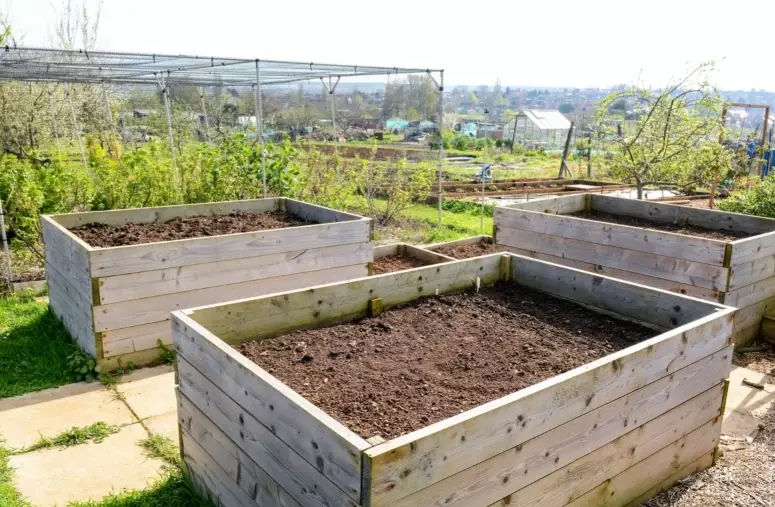
The soil in a bed this shallow will have very little thermal mass. It'll get hot fast and dry out incredibly quickly. You'll be a slave to the watering can. I don't generally recommend this unless you're on a severe budget or only growing a few specific things. It's also a good depth for a bed built on top of decent, workable native soil that the roots can penetrate into.
The Sweet Spot for Most Gardeners: 12 to 18 Inches Deep
This is the gold standard, the most common and versatile answer to "how deep should a raised garden be." A depth of 12 to 18 inches provides an excellent home for the vast majority of common vegetables.
In a bed this deep, you can successfully grow:
- Leafy Greens: Kale, chard, all lettuces.
- Fruiting Vegetables: Peppers, eggplants, bush beans.
- Root Vegetables (medium): Beets, turnips, kohlrabi, onions. For carrots, 12 inches is the absolute minimum for full-size varieties.
- Bush Squash & Cucumbers: They'll do well, though they might appreciate a bit more.
An 18-inch depth is even better. It gives you a more forgiving environment. Watering is less frequent, nutrients are more abundant, and roots have room to stretch. This depth also allows for better succession planting—as soon as you harvest one crop, you can plant another without completely depleting the soil zone.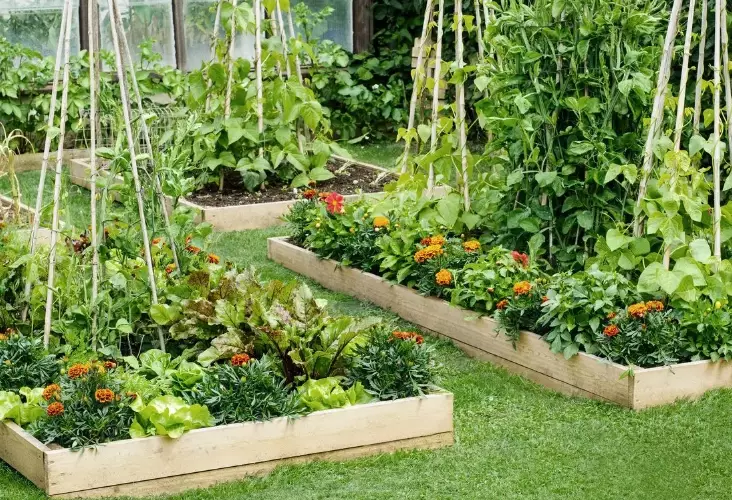
If you can only pick one depth for a general-purpose vegetable garden, make it 12 to 18 inches. You won't regret it.
The Deep Dive: 24 Inches and Beyond
Now we're talking serious root space. A raised garden bed that is 24 inches (2 feet) deep or more is essentially a giant container of perfect soil. This is what you want for the heavy feeders and deep rooters.
- Indeterminate Tomatoes: These guys are monsters. They can send roots down 3 feet or more in search of water and food. A deep bed supports their massive growth and fruit production, reducing blossom end rot caused by uneven watering.
- Perennials: Asparagus and rhubarb are long-term investments. Giving them a deep, rich bed (18-24 inches minimum) ensures they'll be productive for years.
- Deep-Rooted Vegetables: Full-length parsnips, long carrot varieties, and potatoes (though some people grow potatoes in shallower beds with a technique called hilling).
- Small Fruit Bushes: Dwarf fruit trees, blueberries (in their special acidic soil mix), and raspberries can thrive in very deep raised beds.
The downside? Cost. Filling a bed this deep with quality soil mix gets expensive fast. And it requires very sturdy construction to handle the pressure of all that wet soil. But for the right plants, it's unmatched.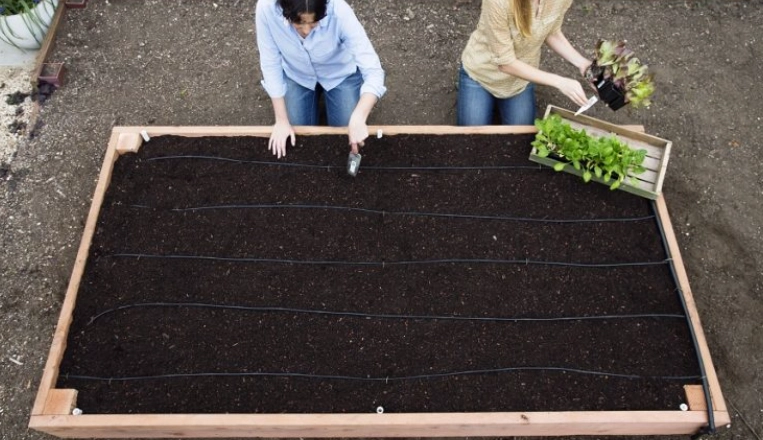
Choosing Your Depth: A Plant-by-Plant Guide
Let's get practical. Here’s a table to help you match your desired crops with the ideal raised bed depth. This is the cheat sheet I wish I'd had.
| Vegetable/Plant Type | Minimum Recommended Depth | Ideal Depth Range | Notes & Root Behavior |
|---|---|---|---|
| Lettuce, Spinach, Arugula | 6 inches | 8-12 inches | Very shallow roots. Focus on width, not depth. |
| Radishes, Green Onions | 6 inches | 8-10 inches | Grow fast, don't need deep soil. |
| Herbs (Basil, Cilantro, Parsley) | 8 inches | 10-12 inches | Parsley has a taproot, so give it a bit more. |
| Beets, Swiss Chard, Kale | 10 inches | 12-18 inches | Medium root systems. Beets need depth to swell. |
| Bush Beans, Peas | 10 inches | 12-15 inches | Roots are relatively shallow but appreciate space. |
| Peppers, Eggplants | 12 inches | 16-18 inches | Heavy feeders. Deeper soil supports bigger fruit sets. |
| Carrots (standard) | 12 inches | 14-18 inches | Need loose, deep, stone-free soil to grow straight. |
| Cucumbers, Zucchini (Bush) | 12 inches | 16-24 inches | Extensive feeder roots. More depth = more drought resistance. |
| Potatoes | 12 inches | 18-24 inches+ | You can hill soil on top, but starting deep is easier. |
| Indeterminate Tomatoes | 18 inches | 24-36 inches | The kings of the garden. Give them as much depth as you can. |
| Asparagus, Rhubarb | 18 inches | 20-24 inches+ | Perennials. Invest in depth for decades of harvests. |
See how that "one size fits all" answer falls apart? A bed for lettuce and a bed for tomatoes have completely different requirements. Planning what you want to grow before you build is the smartest move you can make.
The Hidden Factors That Change the Depth Equation
It's not just about the plants. Your specific site conditions play a huge role in deciding how deep your raised garden should be.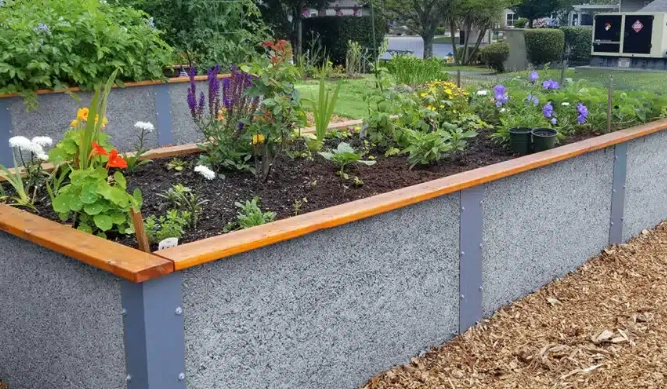
What's Underneath Your Bed?
This is the biggest secret. Is your bed going on lawn, hard-packed clay, or decent loam? If you have lousy native soil, your raised bed depth is a total reset. The roots will likely never leave your nice soil mix. So your bed depth is your total root zone.
But if you have halfway decent soil underneath, you can get away with a shallower bed. Roots will grow down into the native soil once they hit the bottom of your bed. In this case, a 12-inch bed might provide an effective 18+ inches of root space. To encourage this, loosen the top few inches of the native soil with a fork before placing your bed frame. Some gardeners even double-dig the area beneath. Resources from university extensions, like the University of Minnesota Extension's planting guides, often discuss soil preparation techniques that complement raised bed gardening.
Drainage: The Depth Connection
Deep beds drain better than shallow ones. It's physics. Water can percolate down through a taller column of soil. If you live in a rainy area, a deeper bed (18+ inches) helps prevent waterlogging. Conversely, in very dry, hot climates, a deeper bed holds more moisture reserves, meaning you water less often.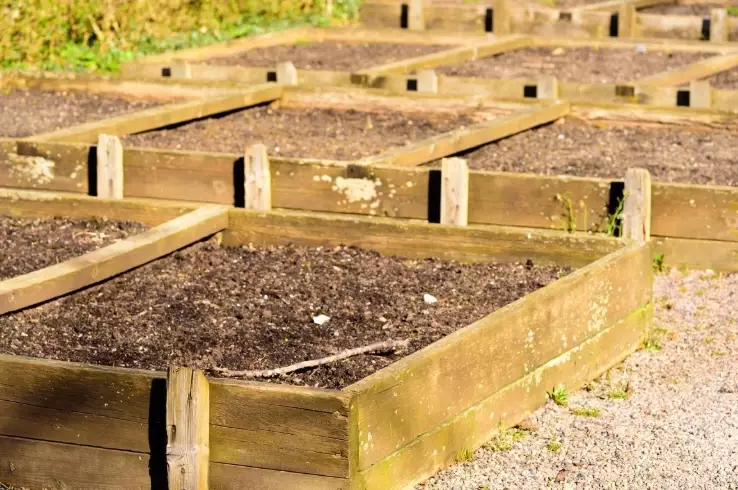
If your site has poor drainage naturally, placing a layer of coarse gravel or rubble at the very bottom of a deep bed can create a drainage layer. But be cautious—this can sometimes create a "perched water table" where water sits at the interface between the soil and gravel. I've had mixed results with this. Often, just having deep, porous soil is enough.
Your Own Body & Budget
Let's be real. A 36-inch deep bed is amazing for plants, but can you reach the middle without climbing in? For most people, the maximum comfortable reach is about 24 inches from the side. So if you build a bed 4 feet wide and 3 feet deep, you'll struggle to tend the center.
And the budget. Soil is the single biggest expense in raised bed gardening. Doubling the depth nearly doubles the cost. It's a major practical consideration. A 12-inch deep 4x8 foot bed needs about 32 cubic feet of soil. An 18-inch deep bed needs 48 cubic feet. That's a significant jump in price.
Answering Your Top Questions on Raised Bed Depth
I get a lot of questions from fellow gardeners. Here are the ones that come up again and again when we're figuring out how deep the raised garden should be.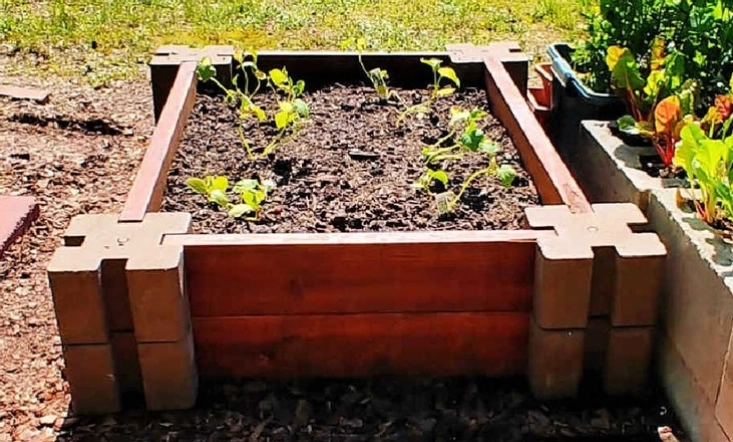
Can a raised bed be too deep?
For the plants? Almost never. The constraints are human and financial: cost of soil, weight on the structure, and your ability to reach across it. A 4-foot deep bed would be a soil-filled fortress. Impressive for plants, impractical for people.
Is 10 inches deep enough for tomatoes?
For determinate (bush) tomatoes in good conditions, maybe. But it's rolling the dice. They'll be more susceptible to drought stress and nutrient deficiencies. For indeterminate (vining) tomatoes, 10 inches is a major limitation. You'll likely get a smaller, less productive plant that needs constant babying. I wouldn't do it.
How deep for carrots to grow straight?
Carrots are the classic test. They need loose, deep, and stone-free soil. If you want long, straight Nantes or Imperator carrots, you need at least 12 inches of perfect soil, and 16-18 inches is better. For shorter varieties like Parisian market or Chantenay, 10 inches can work. The key is looseness. If your soil compacts at all, they'll fork.
What about depth for flowers in a raised bed?
Most annual flowers have moderate root systems. A depth of 10-12 inches is ample for marigolds, zinnias, and cosmos. Perennial flowers and ornamental grasses are a different story—many have deep, extensive roots. Research the specific plant. Something like a lavender or Russian sage would appreciate 18+ inches.
Do I need different depths in the same bed?
You can, but it's tricky. You could build a bed that's 18 inches deep on one half (for tomatoes) and 12 inches on the other (for greens), but it's complex construction. It's usually easier to build separate beds or just make the whole bed deep enough for your deepest-rooting crop. The shallow-rooted plants won't mind the extra depth.
Construction & Material Considerations for Depth
The deeper the bed, the stronger it needs to be. The pressure from wet soil is immense.
- Wood: 2-inch thick lumber (like 2x12s) is good for beds up to about 18 inches. For deeper beds, you need thicker stock, corner braces, or mid-span supports to prevent bowing. Railroad ties (if old, beware of creosote) or heavy timbers work for deep beds.
- Concrete Blocks or Bricks: These are great for deep beds as they are inherently strong and stable. You can easily build up multiple courses.
- Corrugated Metal: Popular and stylish, but ensure the metal is thick enough and has robust vertical supports (like wood posts) every few feet to resist bulging.
Always consider the long-term. Wood will rot eventually, especially in constant contact with moist soil. Using a liner (like heavy-duty plastic) on the inside walls can extend the life of wooden beds, but ensure the bottom is open for drainage.
The Final Verdict: Making Your Decision
So, after all this, what's the final answer to "how deep should a raised garden be"?
Here's my personal ranking, based on years of trial and error:
- Top Choice for Versatility & Value: 18 inches deep. It handles 90% of garden vegetables beautifully, provides excellent moisture and nutrient reserves, and is still manageable to build and fill. If you're unsure, go with 18.
- Best for Beginners or Limited Space: 12 inches deep. A fantastic starting point. You can grow a huge variety of food, and the cost is reasonable. Just stick to appropriate plants and be prepared to water a bit more.
- Best for Serious Food Production: 24 inches deep or more. The investment is high, but the payoff in plant health, yield, and reduced maintenance is real. This is for the dedicated gardener growing tomatoes, perennials, and deep-rooted crops.
The wrong depth is one you can't reach across, can't afford to fill, or won't support what you want to grow.
Start by listing the top 5 things you absolutely want to grow. Find the deepest requirement from that list. That's your target depth. If it's carrots at 14 inches, round up to 16. If it's tomatoes at 24, see if you can manage that. If your list is all greens and herbs, 12 inches is luxury.
Remember, you can always fill a deep bed partially with bulkier materials (like those logs I mentioned) to save on soil cost. It's much harder to make a shallow bed deeper later on.
One last thing to consider is soil safety, especially if you're repurposing materials or gardening in an urban area. If you have any concerns about potential contaminants (like lead in old paint or soil), building a deep bed with a barrier at the bottom and using fresh, clean soil is a great strategy. The University of Georgia Extension discusses urban soil safety and often recommends raised beds as a mitigation technique. For comprehensive soil best practices, the Oregon State University Extension's soil resources are an invaluable reference.
Now, grab that tape measure again. This time, you'll know exactly what to do with it. Build it deep enough, fill it with good stuff, and get ready for your best garden yet.
Reader Comments