Quick Navigation
So you're thinking about starting a garden. Maybe you've seen those gorgeous photos online, or your neighbor's tomatoes are putting yours to shame. The first big hurdle is often the garden bed itself. You stand in the gardening aisle at the hardware store, looking at the pre-made kits. They look so easy. Then you wander over to the lumber section. Untreated pine boards are staring back at you, looking significantly less expensive. The question hits you right there between the bags of soil and the stacks of pavers: is it cheaper to build your own raised garden bed?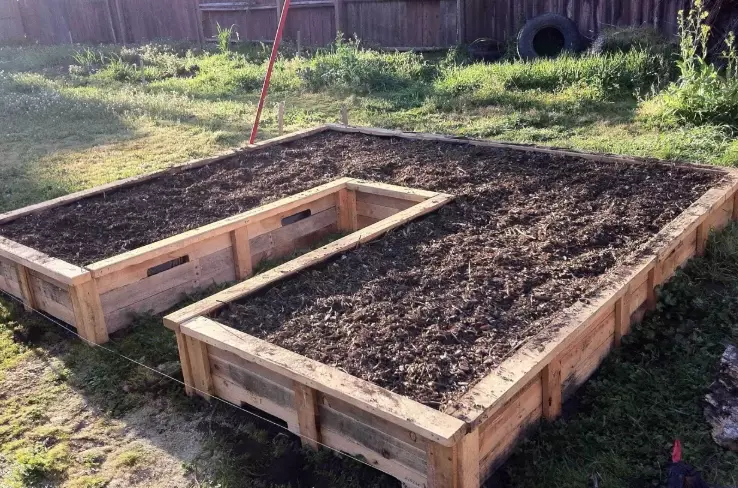
It seems like a simple yes or no, right? If you've asked this, you're not just asking about the price tag on a receipt. You're asking about value, about effort, about the long game for your backyard. You want to know if the sweat equity is worth it, or if you're better off just clicking 'add to cart' on a ready-to-assemble box.
I've been there. I've built them from scratch, and I've also caved and bought the kit when time was short. Let me tell you, the answer isn't a billboard. It's more like a detailed map that depends entirely on where you're starting from and where you want to go.
The Short Answer? In most cases, yes, building your own raised garden bed is cheaper in terms of upfront material cost. You can often build a sturdy, sizable bed for 30% to 60% of the price of a comparable pre-made kit. But—and it's a big but—that "yes" comes with a stack of caveats, hidden costs, and "it depends" scenarios that we absolutely need to unpack.
If we stop at the short answer, we're doing you a disservice. The real question behind "is it cheaper to build your own raised garden bed" is usually "what's the best value for my situation?" That's what we're going to figure out.
Breaking Down the Costs: DIY vs. Store-Bought
Let's get concrete. Talking in generalities is useless. We need numbers, even if they're estimates. Prices vary wildly by location, wood type, and store, but the *relationships* between costs are what matter.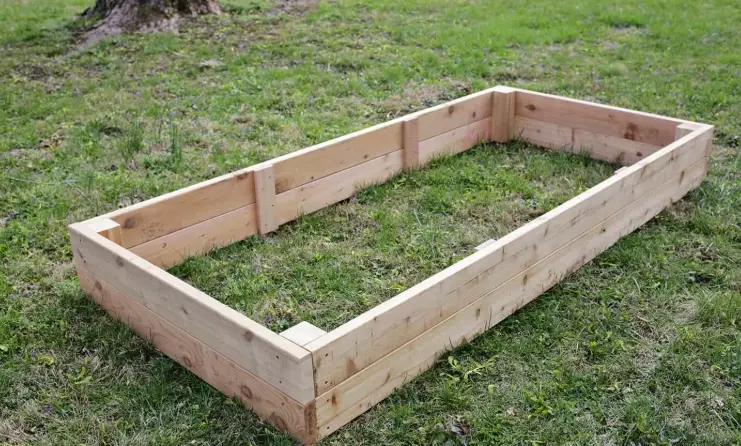
I'm going to use a super common size as our example: a 4-foot by 8-foot bed, about 12 inches tall. It's a great workhorse size—big enough to plant a decent variety, small enough to reach the center from either side.
The DIY Materials List (Basic, Sturdy Build)
Here's what you'd typically need for a no-frills, functional bed:
- Lumber: Three 2"x12"x8' boards (for the long sides and to cut one in half for the ends). Using a common, rot-resistant wood like cedar or redwood is ideal but pricier. Many DIYers start with untreated, kiln-dried pine or fir (often called "common board" or "construction grade") to save money, knowing it might only last 3-5 years. For our cost comparison, let's use a middle-ground option like cedar, which is the gold standard for longevity in kits.
- Hardware: A box of exterior-grade screws (deck screws are perfect), maybe some metal corner brackets for extra stability.
- Tools: This is the kicker. Do you own a saw (or have a friend with one)? A drill? A tape measure? If you have to buy tools, the cost equation flips dramatically.
- Optional but Recommended: Landscape fabric for the bottom to block weeds, a few stakes to anchor the bed if your ground is soft.
Now, let's put those DIY estimates next to a typical pre-made kit for the same size. I've scoured online retailers and big-box stores to get a realistic average. Remember, kits range from flimsy plastic or vinyl to premium cedar, just like DIY materials do.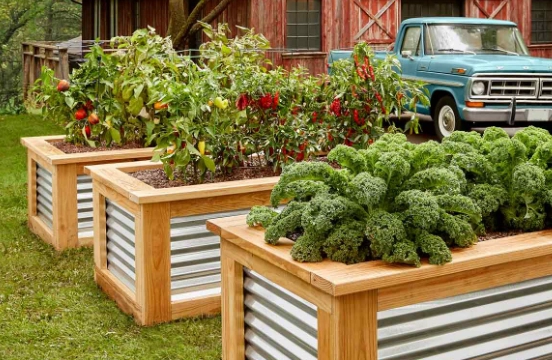
| Cost Component | DIY (Cedar, Sourced by You) | Pre-Made Cedar Kit (Online/Big Box Store) |
|---|---|---|
| Primary Materials (Wood/Panels) | $80 - $150 (Varies hugely by wood grade & region) | $180 - $350+ (Includes pre-cut, pre-drilled pieces) |
| Hardware (Screws, Corners) | $10 - $20 | Included |
| Tool Cost (If Buying New) | $50 - $200+ (Saw, drill, bits, etc.) A major wild card. | $0 (Usually requires a basic screwdriver at most) |
| Time & Labor | 2-4 hours (measuring, cutting, assembling) | 30-60 minutes (simple assembly) |
| Customization | Total freedom on size, depth, shape. | Limited to manufacturer's sizes. |
| Hidden "Gotchas" | Waste wood from cuts, gas for trips to store, potential for measurement errors. | Shipping costs if online, potentially lower-quality wood joins, thin panels. |
| Estimated Total Upfront Cash Outlay | $90 - $170 (if you have tools) $140 - $370+ (if buying tools) | $180 - $350 (plus possible shipping) |
See what I mean? Look at that tool cost line. It's the giant asterisk on the whole "is it cheaper to build your own raised garden bed" debate. If you're starting from zero tools, the DIY cost can instantly blow past a kit. But if you already have a drill and can borrow a saw, or even use the store's free cutting service (some offer this!), the DIY route is undeniably cheaper on paper.
My first DIY bed? I used cheap pine because I was on a tight budget. It lasted four seasons before it started to really soften and bow. Was it cheaper than a kit that year? Absolutely. But if I spread the cost of a $300 cedar kit over 10+ years, the annual cost might have been lower. I didn't think that far ahead then. I just saw the immediate savings.
The Hidden Costs Nobody Talks About (The Real Budget Killers)
Okay, so lumber and kits have a price tag. But anyone who's done a home project knows the sticker price is a lie. The real cost is in the shadows. Let's shine a light on those, because this is where you truly decide if building your own is the cheaper *and smarter* choice.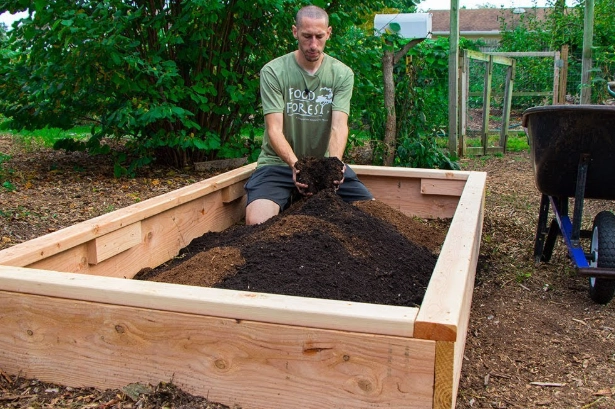
1. The Soil Surprise
This is the single biggest expense everyone forgets. It doesn't matter if your bed cost $50 or $500—it's useless without good soil. A 4'x8'x1' bed needs about 32 cubic feet of soil. That's a little over a cubic yard.
Bagged soil from a garden center is convenient but brutally expensive for this volume. You're looking at $80-$120+ just to fill one bed with mid-grade bagged mix. The true budget saver? Buying in bulk. A cubic yard of high-quality garden blend soil from a local landscape supply yard might cost $40-$60. You need a truck or to pay for delivery (another $50-ish), but the savings are massive if you're filling multiple beds.
The cost of soil often equals or exceeds the cost of the bed structure itself.
So, when asking is it cheaper to build your own raised garden bed, you must factor in the fill. A cheaper DIY bed frame leaves more room in your budget for premium soil, which is actually what grows your plants. A pricey kit might force you to skimp on soil quality, which is a losing trade-off.
2. The Time vs. Money Equation
What's your Saturday afternoon worth? For some, the 2-3 hours of measuring, cutting, and assembling is a fun, rewarding project. For others, it's a stressful chore they'd gladly pay $100 to avoid. There's no right answer, but you have to be honest with yourself.
If you're time-poor, the "cheaper" option might be the one that gets you planting faster, even if it costs more upfront. A kit can be assembled and filled in an afternoon. A DIY project might stretch over a weekend, especially if you're learning as you go.
3. The Longevity Factor
Cheaper now doesn't mean cheaper later. That inexpensive pine board bed might rot out in 4-5 years. A premium cedar or composite kit could last 15-20. If you plan to be in your home long-term, the cost-per-year of the more durable option is often lower.
Why DIY Can Be The Smarter "Cheap"
- Control Over Material Quality: You can choose thicker boards, better screws, and truly rot-resistant wood (like black locust or redwood heartwood) that's often better than kit wood.
- Custom Size & Height: Need a bed that fits a weird corner? Want a 24-inch depth for deep-rooted carrots? Only DIY lets you do this without paying a massive custom-kit premium.
- Skill Building: You learn basic carpentry. That skill is worth money for future projects.
- Potential for Upcycling: Using reclaimed barn wood, concrete blocks, or other free/cheap materials can drop the cost to nearly zero.
Why A Kit Might Be The Wiser "Cheap"
- Predictable Cost & Outcome: No surprise trips to the hardware store. You know the final look and cost upfront.
- Zero Tool Investment: A massive saving if you don't own tools.
- Speed & Convenience: Get growing immediately. This has real value.
- Engineered Design: Some kits have clever interlocking systems, integrated irrigation, or pest-proof features that are hard to DIY effectively.
The Ultimate Decision Guide: Should YOU Build or Buy?
Forget the general rule. Let's get personal. Answer these questions. They'll guide you better than any blanket statement.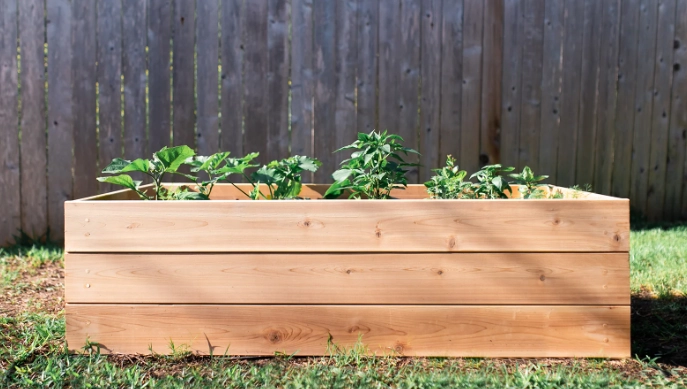
You Are a Prime Candidate to BUILD Your Own (and save money) if:
- You already own a drill and saw, or have a very handy friend/neighbor.
- You enjoy hands-on projects and aren't frustrated by small mistakes.
- You need a non-standard size, shape, or very deep bed.
- You have access to cheap, quality lumber (like a local sawmill) or free reclaimed materials.
- Your budget for the *structure* is tight, but you can allocate more for good soil.
- You plan to build multiple beds (economies of scale—the tool cost is spread out).
You Should Seriously Consider BUYING a Kit if:
- The thought of measuring and cutting wood fills you with dread.
- You have zero tools and no desire to acquire them.
- Your time is extremely limited, and you need a garden now.
- You want a specific, modern look (like metal corten steel) that's difficult to fabricate at home.
- You're only building one small bed, and the tool investment would outweigh savings.
- You value a guaranteed, uniform appearance.
A Critical Safety Note on Materials: Never use railroad ties or old, chemically treated wood (like CCA-treated "green" lumber) for edible gardens. They can leach harmful chemicals like arsenic and chromium into your soil. For the latest, science-backed guidelines on safe materials for garden beds, refer to resources from your state university's cooperative extension service, such as this comprehensive article from the University of Minnesota Extension, or the UMass Amherst Center for Agriculture. These are authoritative, unbiased sources focused on safe gardening practices.
Beyond the Bed: Cost-Saving Tips for the Whole Project
Let's say you decide to build. How do you make it as cheap as possible without building a pile of junk? Here's the real talk from experience.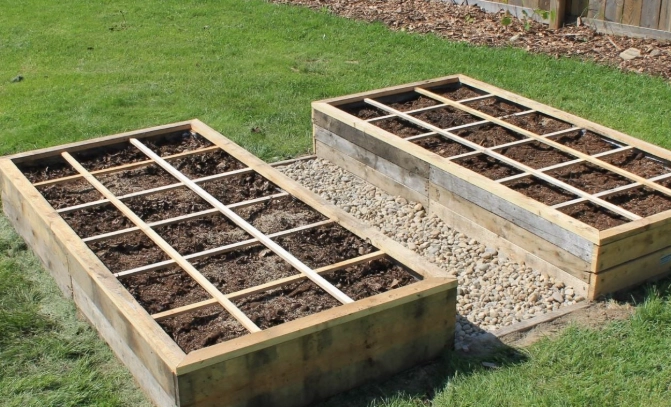
Lumber Hacks
Check for "cull" lumber at big-box stores. These are slightly warped or damaged boards sold at 70% off. For a garden bed, a small warp often doesn't matter. Ask about their cutting services—many will make a few cuts for free, solving your tool problem. Consider layering woods: use a more rot-resistant wood for the bottom course (in contact with soil) and a cheaper wood for the top.
The Soil Solution
This is your biggest leverage point for savings. Don't buy bags for large beds. Find a local soil yard. Learn about the "lasagna" or sheet mulching method—layering free materials like cardboard, leaves, grass clippings, and compost directly in the bed. It takes longer to break down but costs almost nothing. The USDA's Natural Resources Conservation Service has great information on soil health principles that can guide you in creating your own fertile mix over time.
Tool Workarounds
Community tool libraries are becoming more common. See if your town has one. Buy a basic hand saw and a manual drill (brace and bit) for less than $30 total—it's a workout, but it works. Partner with a friend: you buy the materials, they provide the tools and expertise, and you split the harvest.
Common Questions (The Stuff You're Actually Searching For)
So, is it cheaper to build your own raised garden bed? The final answer lives in your garage, your schedule, and your backyard dreams.
For the hands-on person with access to tools, building your own is almost always the cheaper path to a *better* bed—one tailored to your exact needs, built with sturdier materials than most kits offer. You trade time for cash, and you gain skills and satisfaction.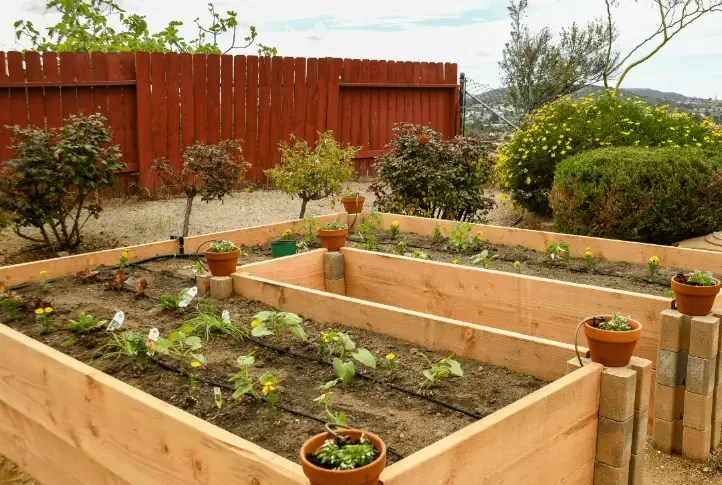
The core of gardening is putting roots into the ground and nurturing growth. Whether that ground is held by boards you cut yourself or panels from a box matters less than what you grow in it. Don't let analysis paralysis over the bed frame stop you from planting. Choose the path that fits your reality—whether it's the DIY route or the kit—and get those seeds in the ground. The real value isn't in the frame; it's in the harvest.
Reader Comments