In This Guide: Quick Navigation
- Why Are Common Plant Names So Messy?
- The Scientific Savior: Botanical Names (Latin Names)
- Top 5 Most Confusing Common Plant Names
- How to Use Common Plant Names Wisely (A Practical Guide)
- Common Plant Names for Popular Houseplants: A Quick Reference
- Answering Your Questions on Common Plant Names
- Embracing Both Worlds
Let's be honest. You're probably here because you've been burned before. You went to the garden center, asked for a "jade plant," brought home a gorgeous succulent, only to find out your friend's "jade plant" looks completely different. Or you diligently followed online care instructions for a "spider plant," but yours just looks sad and droopy. What gives?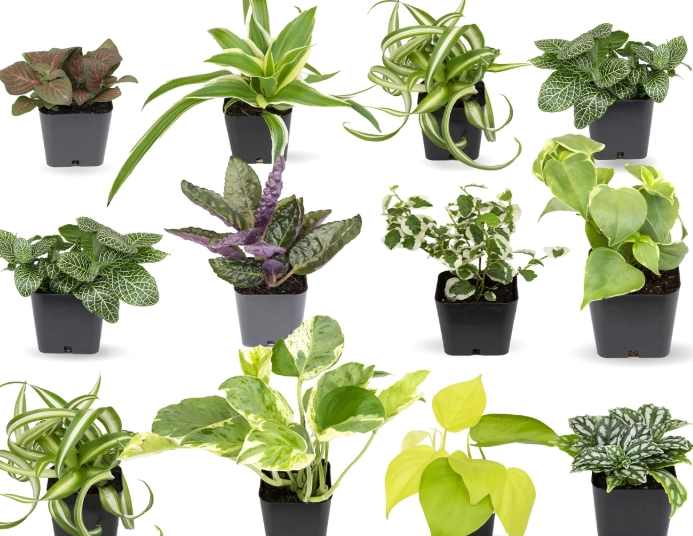
The culprit, more often than not, is the charming yet utterly chaotic system of common plant names. They're the friendly, accessible handles we give to our green companions—Monstera, Peace Lily, Snake Plant. They roll off the tongue easier than Monstera deliciosa, Spathiphyllum wallisii, or Dracaena trifasciata. But herein lies the trap. This very friendliness is what makes them unreliable.
I remember buying a "Swiss Cheese Plant" years ago, thrilled with its holey leaves. Later, I saw another "Swiss Cheese Plant" at a friend's house that was a vine, not an upright plant. Turns out, I had a Monstera deliciosa (the classic split-leaf), and she had a Monstera adansonii (the vine with smaller, perforated leaves). Same common name, different plants with slightly different needs. It's moments like these that make you want to pull your hair out.
Why Are Common Plant Names So Messy?
It's not because gardeners are trying to confuse you. The messiness of common plant names is a natural result of language, culture, and history. Think about it. A plant discovered in England centuries ago would get a name based on what it looked like to the people there. That same plant, traveling to America, Australia, or South Africa, might get a totally new name based on local folklore, appearance, or use.
A Quick Analogy: Imagine if every town in the country had its own nickname for a "dog." In one place it's a "barker," in another a "tail-wagger," and in a third, a "four-foot." Now imagine trying to buy specific dog food using only those nicknames. That's the daily reality of navigating the world of common plant names.
Here are the main reasons behind the confusion:
- Regional Variations: This is the big one. A "Bellflower" in the US might refer to Campanula species, while in the UK, it could specifically mean Campanula rotundifolia. The plant Epipremnum aureum is famously known as "Pothos" in North America, "Devil's Ivy" in many places, and "Money Plant" in parts of Asia. One plant, three completely different common plant names.
- Similar Appearance: Different plants that look vaguely alike often get lumped under the same common name. Various plants with red, brush-like flowers get called "Bottlebrush." Several succulents with plump, round leaves earn the name "Jade Plant" (though true Jade is Crassula ovata).
- Folkloric & Cultural Stories: Names like "Snake Plant" (for its patterned leaves) or "Prayer Plant" (for its leaves that fold up at night) come from stories and observations. These can be wonderfully descriptive but not scientifically precise.
- Marketing & Nursery Invention: Let's not ignore the commercial side. Sometimes nurseries invent catchy common plant names to make a plant sound more appealing or unique to sell better. This adds another layer of potential confusion.
The Biggest Risk: Using the wrong common name to look up care information. A plant labeled as a "Philodendron" at a big-box store might actually be a Monstera or a Pothos. Their light and water needs differ. Following care tips for a true Philodendron could lead you to overwater your Pothos. I've seen it happen.
The Scientific Savior: Botanical Names (Latin Names)
This is where the nerdy, often intimidating, Latin name comes to the rescue. The botanical name (like Hedera helix for English Ivy) is a universal identifier. It's governed by the International Code of Nomenclature for algae, fungi, and plants (ICN). Think of it as a plant's global passport name.
No matter where you are in the world—Japan, Brazil, Germany—Ficus lyrata refers to one specific plant: the Fiddle Leaf Fig. A botanist in Tokyo and a gardener in Toronto can have a precise conversation using this name. This is the key difference between common and botanical names.
Pro Tip: Don't be scared of the Latin! You don't need to pronounce it perfectly. Just knowing how to read it is a superpower. When you buy a plant, make a note of its botanical name on the tag. That's your true key to accurate care information.
Common Name vs. Botanical Name: A Side-by-Side Look
| Feature | Common Plant Names | Botanical (Scientific/Latin) Names |
|---|---|---|
| Purpose | Easy, everyday communication; cultural and descriptive. | Precise, universal identification for science and horticulture. |
| Uniqueness | One name can apply to many different plants. | One name applies to one specific plant species (ideally). |
| Stability | Changes regionally and over time. Fluid. | Governed by international rules. Stable and consistent. |
| Structure | Simple phrases (e.g., Snake Plant, Peace Lily). | Two-part binomial (Genus + species), often with cultivar (e.g., Sansevieria trifasciata 'Laurentii'). |
| Best Used For | Casual talk, initial searching, recognizing plants in conversation. | Buying the correct plant, researching exact care, solving problems, talking to experts. |
See the difference? Common plant names are for chatting over the fence. Botanical names are for when you need to get things right.
Top 5 Most Confusing Common Plant Names
Based on countless forum threads and my own experience, here are the champions of confusion. If you've tripped up on these, you're in good company.
- "Money Plant" / "Money Tree" This is arguably the worst offender.
- Pachira aquatica: Often sold as a braided trunk plant called "Money Tree."
- Crassula ovata: The classic succulent "Jade Plant," also widely called "Money Plant."
- Epipremnum aureum: The vining "Pothos" is called "Money Plant" in many Asian countries.
- Lunaria annua: Called "Honesty" or "Money Plant" for its silvery seed pods.
- "Jade Plant" While Crassula ovata is the true Jade, many other succulents with similar fleshy leaves get lumped under this name (like certain Portulacaria species). Their cold hardiness can differ significantly.
- "Geranium" vs. "Pelargonium" This is a classic botanical vs. common name clash. What most people grow as annual "geraniums" in pots are actually Pelargonium species. True hardy Geranium (Cranesbill) is a different perennial genus. The mix-up is centuries old and firmly entrenched.
- "Bamboo" Lucky Bamboo? That's Dracaena sanderiana, not a true bamboo at all. Heavenly Bamboo? That's Nandina domestica, a shrub. Using the common name "bamboo" for care will lead you astray, as true bamboos (family Poaceae) have very specific growth habits and needs.
- "Ivy" English Ivy (Hedera helix), Boston Ivy (Parthenocissus tricuspidata, not a true ivy), Devil's Ivy (Epipremnum aureum, the Pothos), and Swedish Ivy (Plectranthus verticillatus, not a true ivy) all have completely different care requirements. Calling them all "ivy" is a shortcut that can kill your plant.
I killed my first "Swedish Ivy" because I treated it like my English Ivy—cooler temps, less water. Turns out it wanted to be treated more like a tender tropical. The name fooled me. Lesson painfully learned.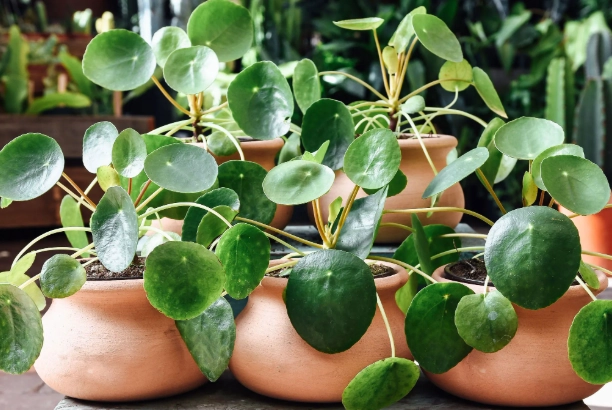
How to Use Common Plant Names Wisely (A Practical Guide)
So, should we abandon common plant names altogether? Absolutely not. They're part of the joy and tradition of gardening. The trick is to use them as a starting point, not the final answer.
Here’s a step-by-step strategy I've developed to avoid mix-ups:
Step 1: The Initial Search
Start with the common name you know. Search for "Snake Plant care." You'll get a flood of information. This is fine for getting a general sense.
Step 2: The Visual Verification
This is crucial. Look at the images in the search results. Does your plant look exactly like the top results? Pay attention to leaf shape, growth pattern (rosette vs. upright stalks), and color patterns. If there's a mismatch, your plant might have a different common name in your region.
Step 3: Find the Botanical Name
This is the non-negotiable step. On any reputable gardening site, the article should list the botanical name. For Snake Plant, you'll see Dracaena trifasciata (it was reclassified from Sansevieria). Write this down. It's often on the plant's plastic tag too, in small print.
Step 4: The Definitive Re-Search
Now, search using the botanical name: "Dracaena trifasciata care." The information you get now will be specific to your exact plant. Bookmark the best pages. The Missouri Botanical Garden's Plant Finder or the Royal Horticultural Society's website are gold standards for this.
My Go-To Resources: When I need verified, accurate info, I skip the generic blogs and go straight to institutional databases. The Missouri Botanical Garden's PlantFinder is incredible. For UK-based info, the RHS Plant Finder is unbeatable. These sites use the correct, current botanical names and provide expert care guides.
Step 5: When Buying Plants
Ask for the botanical name. If the staff doesn't know, check the tag yourself. If it just says "Assorted Foliage," be cautious. You're buying a mystery. A good nursery will have the proper name available.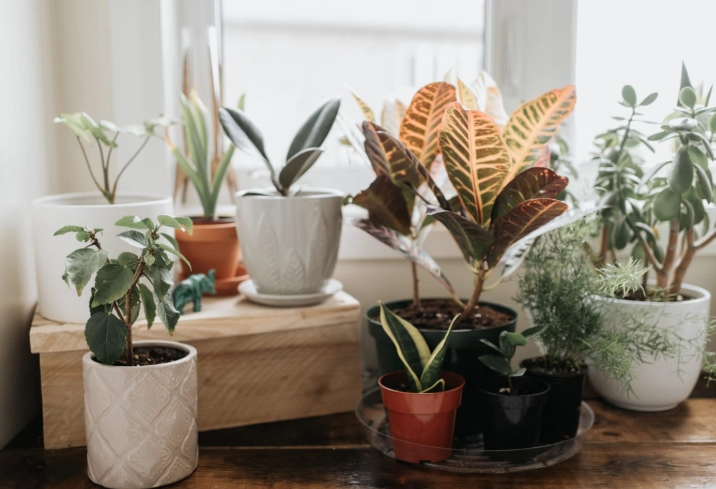
It sounds like a bit of work, but honestly, it saves so much time and heartache in the long run.
Common Plant Names for Popular Houseplants: A Quick Reference
To give you a head start, here’s a list of some popular houseplants with their most common aliases and their one true botanical name. This is the kind of list I wish I'd had when I started.
- ZZ Plant: Also called Zanzibar Gem, Eternity Plant. Botanical Name: Zamioculcas zamiifolia.
- Peace Lily: Spathe Flower. Botanical Name: Spathiphyllum (many species, like wallisii).
- Rubber Plant: Indian Rubber Bush. Botanical Name: Ficus elastica.
- String of Pearls: String of Beads. Botanical Name: Curio rowleyanus (formerly Senecio rowleyanus).
- Chinese Evergreen: Just that. Botanical Name: Aglaonema (many cultivars).
- Swiss Cheese Plant: Split-leaf Philodendron (though it's not a Philodendron!), Windowleaf. Botanical Name: Monstera deliciosa.
Notice how for some, like Chinese Evergreen, the common name is fairly stable. For others, like Swiss Cheese Plant, the common names actively mislead you about its family. That's why checking the Latin is key.
Answering Your Questions on Common Plant Names
Why do botanists keep changing the Latin names? It's so annoying!
I feel you, it is frustrating. But it's not done to annoy gardeners. As DNA analysis gets better, scientists understand the true evolutionary relationships between plants better. Sometimes, a plant moved from one genus to another because it's more closely related to plants there. For example, the Snake Plant's move from Sansevieria to Dracaena was based on strong genetic evidence. The good news? The old name often still works in searches for a long time, as the gardening world catches up.
Is one common name more "correct" than another?
Not really, from a scientific standpoint. However, some names are more widely accepted or cause less confusion. Using "Pothos" for Epipremnum aureum in North America is standard. Calling it "Devil's Ivy" is also fine, but less specific. The "correct" common name is often the one most widely understood in your local gardening community.
How can I reliably identify a plant I have if I only know a common name?
Use multiple sources. Take a clear photo of the whole plant, a leaf, and any flowers. Use the common name to search on:
- Plant identification apps (like PictureThis or PlantNet) – but treat them as a suggestion, not gospel.
- Gardening forums (like Reddit's r/whatsthisplant). Real people are amazing at this.
- Image searches with detailed descriptions ("vine heart-shaped leaves yellow variegation").
Cross-reference the suggestions you get. Once you have a suspected botanical name, verify it against authoritative sources like the Plants of the World Online portal from Kew Gardens, which is a definitive global source.
Are common plant names completely useless for plant care?
No, they're not useless, but they're a blunt tool. They can get you into the right ballpark. Most plants called "Philodendron" will have similar tropical, moderate-light needs. But knowing if you have a Philodendron hederaceum (Heartleaf) vs. a Philodendron selloum (Tree Philodendron, now Thaumatophyllum bipinnatifidum – see, another name change!) is the difference between a trailing plant and a giant, space-hogging floor plant. The common name gets you to the neighborhood; the botanical name gives you the exact address.
Embracing Both Worlds
At the end of the day, the world of common plant names is a beautiful, folkloric, and deeply human way to connect with nature. It's full of stories about "Mother-in-Law's Tongue" and "Wandering Jew" (though many are moving to the more respectful "Wandering Dude").
The goal isn't to replace this rich tradition with cold, hard Latin. The goal is to become bilingual. To appreciate the "Spider Plant" for its playful name and cascading babies, while also knowing it's Chlorophytum comosum so you can give it the bright, indirect light it truly craves.
So next time you're at the nursery, admire the common name on the label. Then, take two seconds to find and note the botanical name underneath. That simple act is the secret to moving from a confused plant owner to a confident one. You'll stop killing plants based on bad information and start helping them thrive with knowledge that's the same everywhere in the world. And that's a feeling that's better than any catchy common name.
Reader Comments