In This Guide
- Why Bother? The Science of Plant Shock
- When to Start Hardening Off Your Plants
- The Step-by-Step Hardening Off Schedule That Actually Works
- Special Cases and Problem-Solving
- Top Mistakes People Make (And How to Avoid Them)
- Answers to Your “Hardening Off” Questions
- Wrapping It Up: The Mindset for Success
You've spent weeks, maybe months, babying those seedlings. You checked the soil moisture like a hawk, adjusted the grow lights just so, and felt that little burst of pride every time a new leaf unfurled. They look perfect on your windowsill. So, naturally, you think they're ready for the great outdoors. You pick a sunny morning, carry your trays outside, and give them a permanent spot in the garden bed. It feels like a graduation ceremony.
Then, by afternoon, you notice the leaves are looking a bit sad. Wilted. Maybe a little pale. By the next day, they're scorched, bleached, or just lying flat on the soil like they've given up. What happened? You didn't overwater. There are no bugs. It's a mystery.
Except it's not. It's shock. Pure and simple. And it's the number one reason home gardeners lose their carefully nurtured starters. The problem wasn't neglect—it was too much love, too fast. You skipped the most critical, non-negotiable step: hardening off plants.
I learned this the hard way. My first year starting tomatoes from seed, I lost about 70% of them in 48 hours. I was devastated and confused. The internet back then had vague advice like "acclimate them slowly." Not terribly helpful. After a lot of trial and error (mostly error), I figured out a system. Now, the process of hardening off seedlings is second nature, and my success rate is close to 100%. Let's make sure yours is too.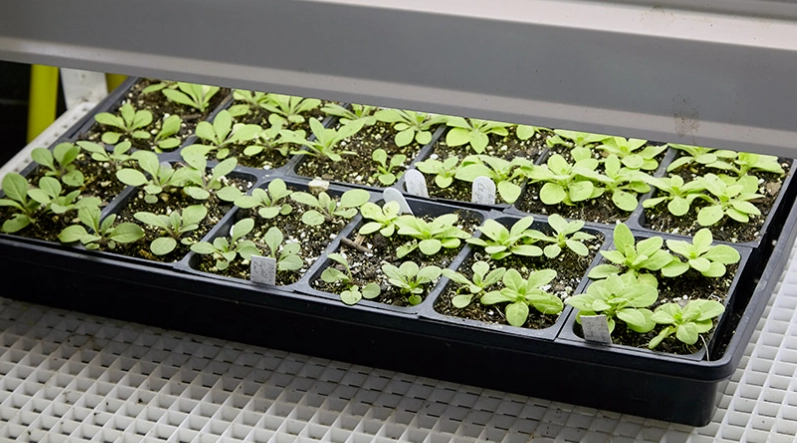
Why Bother? The Science of Plant Shock
Indoor life is cushy. Think about it from the plant's perspective. The light is consistent but weak (compared to the sun). The air is still. The temperature fluctuates maybe five degrees. There's no wind to toughen stems. Water arrives on a predictable schedule. It's a spa.
The outdoors is a boot camp. Sunlight is intense enough to literally burn tender tissue. Winds can be relentless, tearing leaves or snapping stems. Temperatures can swing 20 or 30 degrees in a day. Rain comes in buckets or not at all.
Hardening off is the process of slowly introducing seedlings to these conditions. It triggers physiological changes:
- Stem thickening: Wind exposure stimulates the production of lignin, making stems sturdier.
- Leaf adaptation: Leaves produce more anthocyanins (protective pigments) and develop a waxier cuticle to reduce water loss and block UV rays.
- Root adjustment: The plant learns to deal with less frequent, but deeper, watering cycles.
Skip it, and you're asking a couch potato to run a marathon. The outcome is predictable.
When to Start Hardening Off Your Plants
Timing is everything. Start too early, and you're battling frost. Start too late, and your plants get leggy indoors. The golden rule is to begin the hardening off process 7 to 14 days before your intended transplant date.
How do you know that date? It's not the last average frost date—that's just when frost becomes unlikely. Your transplant date is usually 1-2 weeks after that last frost date, when the soil has warmed up. Tomatoes, peppers, and eggplants are real wimps about cold soil. The University of Minnesota Extension has a great resource on seed starting and timing that can help you nail this down for your area.
I keep a simple garden journal now. I jot down my seed-starting date, the expected last frost, and then I circle the week I plan to start hardening off. Takes the guesswork out.
The Step-by-Step Hardening Off Schedule That Actually Works
Forget complicated charts. The core principle is gradual exposure. Here’s the basic 7-10 day framework I follow. Think of it as a training montage for your plants.
Days 1-2: The Soft Opening. Place your seedlings in a fully shaded, sheltered spot outdoors for 2-3 hours. A porch, under a dense tree, or on the north side of your house is perfect. No direct sun at all. The goal is just to get them used to the breeze and outdoor temperatures. Bring them in well before evening.
Days 3-4: A Taste of Morning Sun. Move them to a spot that gets gentle morning sun (about 1-2 hours) and then shade for the rest of their 3-4 hour outdoor visit. Morning sun is less intense than afternoon sun. This is their first real test.
Days 5-7: Ramping Up. Now, give them about 4-6 hours of outdoor time, mixing both morning and a little bit of early afternoon sun. You can start to reduce watering slightly to encourage the roots to seek moisture. Let the top of the soil dry a bit more than you would indoors.
Days 8-10 (or 14): Almost There. Leave them out for 8-10 hours, including the heat of the afternoon. If nighttime temperatures are consistently above 50°F (10°C), you can even leave hardy plants like kale, lettuce, and broccoli out overnight. For tender things like tomatoes and basil, I still bring them in at night until the final transplant.
Transplant Day: Choose a cloudy, calm day if possible. If you only have sunny days, transplant in the late afternoon. Water the seedlings well in their pots, plant them, and water them in again deeply. A little afternoon shade for the first day or two post-transplant (use a cloth or a shingle) isn't cheating—it's smart.
Your Hardening Off Calendar at a Glance
| Day Range | Sun Exposure | Time Outdoors | Key Focus |
|---|---|---|---|
| 1-2 | Full Shade Only | 2-3 hours | Acclimate to breeze & temp. Avoid sun entirely. |
| 3-4 | Gentle Morning Sun (1-2 hrs), then shade | 3-4 hours | First direct, mild sun exposure. |
| 5-7 | Morning & Early Afternoon Sun | 4-6 hours | Increase light intensity and duration. |
| 8-10/14 | Full Sun (including afternoon) | 8-10 hours, maybe overnight* | Near-full outdoor conditioning. *For cold-hardy plants only. |
| Transplant Day | Cloudy ideal, or late afternoon sun | Permanent | Minimize transplant shock with good timing and water. |
This table is a guide, not a prison. You have to watch the weather and your plants. If you see any wilting or bleaching, dial it back. Move them to shade immediately and shorten the next day's session. The process of hardening off plants isn't a race.
Special Cases and Problem-Solving
Not all plants are created equal. A one-size-fits-all approach can leave some casualties.
The Tender Babies (Tomatoes, Peppers, Eggplants, Cucumbers)
These are the most sensitive to cold and sun. Don't even think about putting them outside if temps are below 50°F. They need the full 10-14 day hardening off period. Peppers are especially slow to adjust; they often pout and look miserable for the first few days. Don't panic, just go slower.
The Tough Cookies (Kale, Lettuce, Broccoli, Cabbage)
These cool-season crops can handle more cold and a slightly faster schedule. They can often tolerate a light frost after hardening. You might shorten their process to 7 days. Lettuce, however, can bolt if exposed to too much heat stress too quickly, so keep an eye on it.
What If You're Short on Time?
Life happens. If you only have 3-4 days, you have to be aggressive but careful. Use a shade cloth (an old bedsheet works) to create a filtered light environment from day one. Leave them out all day in this dappled light, but bring them in at night. It's riskier, but better than nothing.
Top Mistakes People Make (And How to Avoid Them)
I've made most of these. Consider it a list of my past regrets so you don't have to live them.
- Starting with Direct Afternoon Sun: This is the #1 killer. The midday and afternoon sun is brutal. Always start with shade or gentle morning light.
- Forgetting the Wind: A calm morning can turn into a windy afternoon. A gust can topple trays and break stems. Use a wall, a cold frame, or even a cardboard box as a windbreak.
- Overwatering During the Process: You're trying to toughen the roots, too. Let the soil dry out a bit more between waterings than you did indoors. This encourages deeper root growth in preparation for the garden.
- Ignoring the Weather Forecast: A surprise late frost or a sudden hailstorm can undo weeks of work. Be ready to bring everyone inside in a hurry. Have a backup space cleared.
- Getting Complacent at the End: Even after a week of successful hardening off, a sudden, brutally hot day can still scorch leaves. If a heatwave hits, provide some afternoon shade on the first day or two after transplanting.

Answers to Your “Hardening Off” Questions
Wrapping It Up: The Mindset for Success
Hardening off plants isn't a glamorous task. It's a daily chore of hauling trays in and out. It requires paying attention. But man, is it worth it.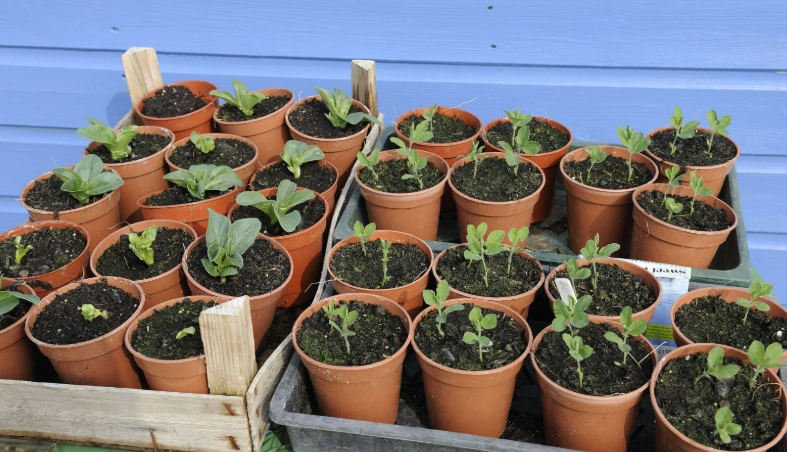
The difference between a hardened-off transplant and one that's just plopped in the ground is night and day. The hardened plant might not look like it's growing much for the first week in the ground—it's busy building roots and adjusting. Then, it takes off, quickly outpacing and out-producing the shocked plant, which might never fully recover.
Think of it as the final, essential chapter of seed starting. You didn't come this far to only come this far. A little patience over these last 10 days is the ultimate gift to your plants. It's the difference between a garden that struggles and a garden that thrives from day one.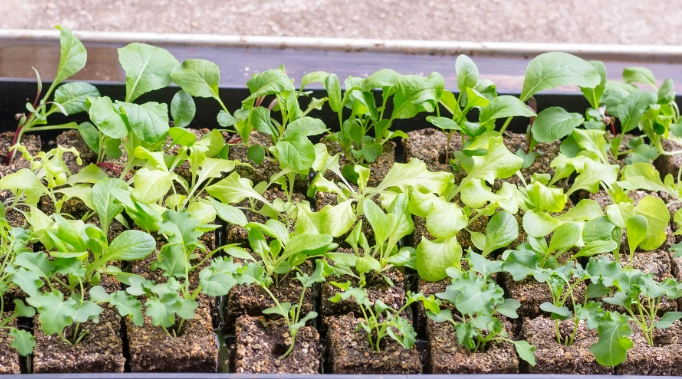
So go slow. Watch the leaves, not the calendar. And get ready to see all that careful indoor work pay off in a big, healthy, productive way.
Reader Comments