Quick Guide to Intensive Gardening
Let's be real. You're probably here because you've got a postage stamp for a backyard, or maybe just a sunny balcony, and you're dreaming of a veggie patch that doesn't just produce a few sad tomatoes. You want abundance. You want to step outside and harvest enough for a salad, maybe even enough to share. That's the dream, right? But space is the enemy.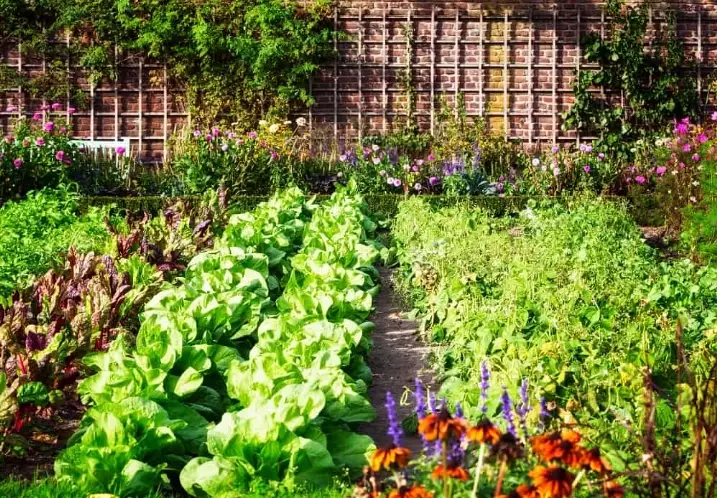
Well, what if I told you that limited space isn't a death sentence for your gardening ambitions? It might just be the push you need to garden smarter. That's where intensive gardening comes in. It's not a new, trendy hack—it's a set of old-school, time-tested methods focused on one thing: getting the absolute maximum harvest from every single square inch of soil you have.
I messed this up for years. I'd plant my rows far apart, watch weeds colonize the empty space, and end up with a lot of work for a mediocre yield. Switching to an intensive gardening approach changed everything. My 4x8 foot raised bed now produces more food than my old 10x20 foot plot. It's a game-changer.
Why Bother? The Real Benefits of Going Intensive
Okay, so it sounds like more work, right? Planting things closer together must be a headache. Sometimes, yes. But the trade-offs are overwhelmingly positive for most home gardeners, especially if you're short on space.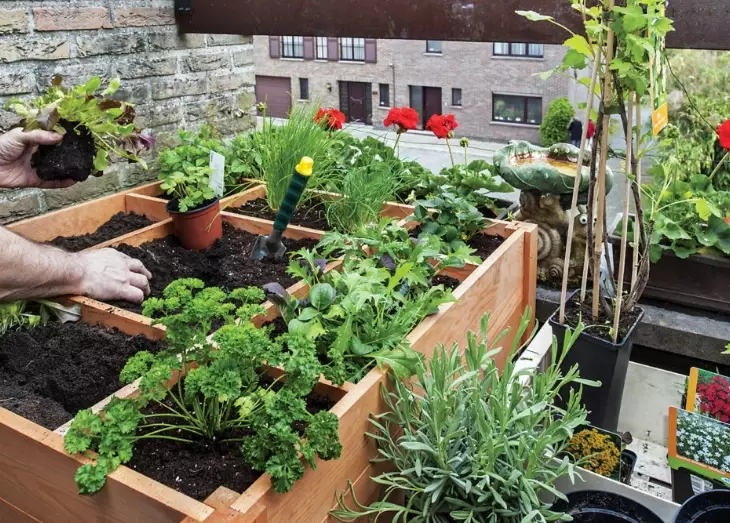
First, the yield. This is the big one. You can grow 4 to 10 times more food in the same area compared to traditional, single-row gardening. That’s not a made-up number. Studies and decades of practice from places like the University of Vermont Extension back up the productivity of methods like square foot gardening, a popular form of intensive gardening.
Then there's the weed suppression. When plants' leaves form a living canopy over the soil, sunlight can't reach weed seeds to germinate them. You spend less time hunched over, yanking out invaders. Water conservation is another win. That same leafy canopy shades the soil, reducing evaporation. You water the plants, not the bare dirt.
But my favorite, less-talked-about benefit? It forces you to pay attention to your soil. You can't cram plants together in dirt that's just...dirt. It has to be alive, fluffy, and rich. So intensive gardening makes you a better gardener from the ground up.
Your Toolbox: Key Methods for Intensive Planting
Intensive gardening isn't one single method. It's a philosophy that uses different techniques. You can mix and match these based on what you're growing and what feels right for you.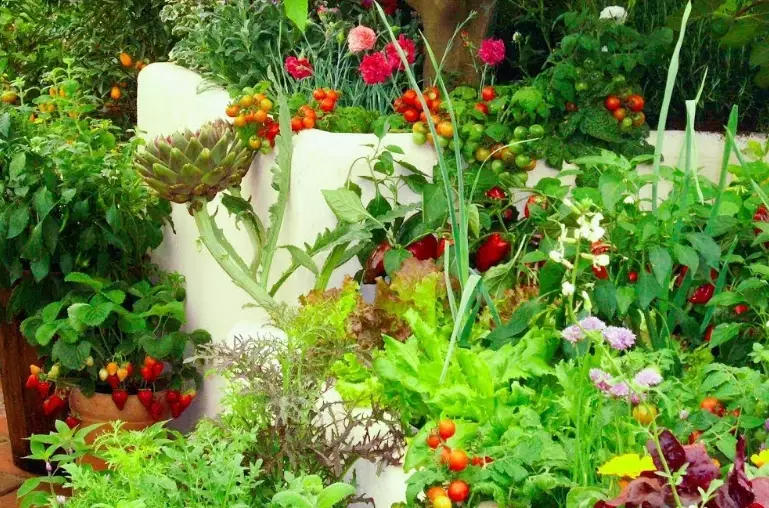
1. The Famous Square Foot Gardening
Made wildly popular by Mel Bartholomew, this is the gateway drug for many intensive gardeners. You divide a raised bed into a grid of 1-foot squares. Each square gets a specific number of plants. One tomato plant per square. Sixteen radishes per square. Four lettuce heads per square. It's brilliantly simple and eliminates guesswork.
The magic is in the soil mix: 1/3 peat moss (or coconut coir), 1/3 vermiculite, and 1/3 blended compost. This creates a perfect, weed-free, moisture-retentive foundation. Is it the only way? No. But for beginners overwhelmed by soil science, it's a foolproof recipe for success. You can find the official plans and resources through the Square Foot Gardening Foundation.
2. Interplanting & Companion Planting
This is where it gets fun. You grow different crops together that benefit each other. The classic example is the "Three Sisters": corn (provides a stalk for beans to climb), beans (add nitrogen to the soil), and squash (shades the soil with its big leaves). You're building a mini-ecosystem.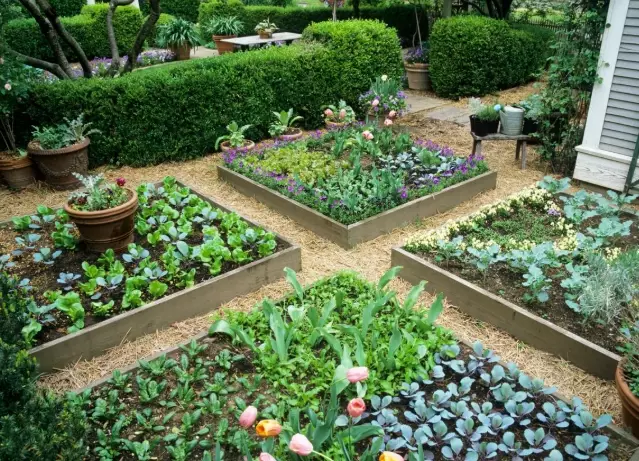
But it can be simpler. Plant quick-growing radishes between slow-growing broccoli. By the time the broccoli needs the space, the radishes are harvested. Grow tall tomatoes with low-growing basil or lettuce at their feet. This is the heart of true intensive gardening—thinking vertically and temporally.
3. Succession Planting
Don't let a square foot sit empty for a single day of the growing season. As soon as you pull a spring crop of spinach, pop in some bush beans. After the beans are done, maybe some fast-maturing kale for fall. You're running a relay race with your crops. The Old Farmer's Almanac planting calendar is a fantastic tool for figuring out your local succession windows.
4. Vertical Gardening
Go up! Use trellises, cages, stakes, and arches for vining crops like cucumbers, pole beans, peas, and even small melons or squash. This frees up enormous amounts of ground space for other plants. A 6-foot-tall trellis covered in beans is a garden powerhouse.
The Non-Negotiable Foundation: Your Soil
Here's the part where most enthusiastic beginners crash and burn. You cannot practice intensive gardening in poor, compacted, lifeless soil. The plants are too close together to go searching far and wide for nutrients. Everything they need must be right there, in a small volume of incredible earth.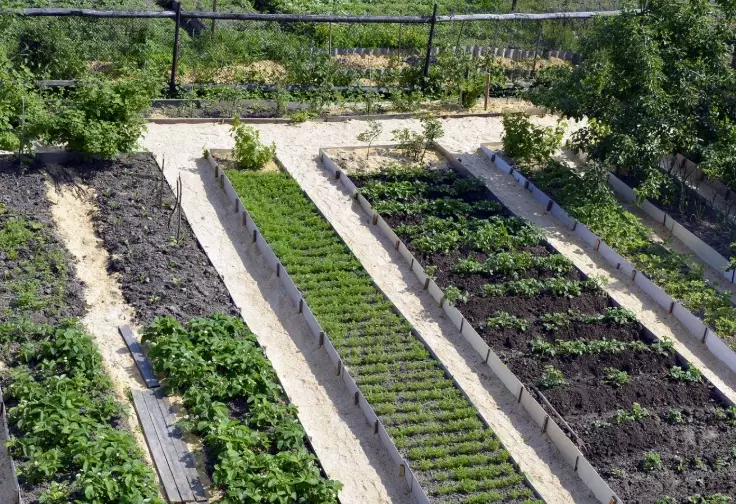
Your goal is to create a deep, loose, fertile bed that drains well but holds moisture. Forget tilling every year—that destroys soil structure. We're building a no-till, lasagna-style system.
How to Build Your Intensive Garden Bed (The Right Way):
- Location: Full sun. At least 6-8 hours. Non-negotiable for most veggies.
- Raised Beds are Your Friend: They provide defined space, improve drainage, and make soil management easier. Even 6-8 inches of height makes a difference.
- The Soil Recipe: Don't just shovel in bagged topsoil. Mix it up:
- Compost, Compost, Compost: This is your main ingredient. It feeds plants and improves soil texture. Use multiple sources if you can—leaf mold, well-rotted manure, homemade kitchen scrap compost.
- Something for Aeration: Coarse sand or fine bark chips help prevent compaction.
- A Bit of Mineral Grit: A handful of rock dust or greensand can add trace minerals.
- Feed It Regularly: Because you're harvesting so much, you're mining nutrients from the soil. Replenish with a top-dressing of compost between plantings, or use organic fertilizers like fish emulsion or seaweed extract. The USDA's Natural Resources Conservation Service has great resources on soil health principles that apply perfectly here.
What to Grow (and What to Avoid)
Not every plant is suited for the tight quarters of an intensive garden. You need to be picky.
All-Stars for Intensive Gardening:
- Leafy Greens: Lettuce, spinach, kale, Swiss chard, arugula. You can cut-and-come-again for months.
- Root Crops: Radishes, carrots, beets, turnips. Just ensure the soil is loose and deep enough.
- Bush Varieties: Bush beans, bush cucumbers, determinate (bush) tomatoes. They stay compact.
- Herbs: Basil, cilantro, parsley, dill, thyme. Perfect for filling gaps.
- Alliums: Green onions, leeks, garlic (planted in fall).
Proceed with Caution (or Give Them Space):
- Sprawling Plants: Traditional pumpkins, winter squash, or watermelons will take over. Look for "bush" or "compact" varieties, or train them vertically on a strong trellis.
- Heavy Feeders: Corn, broccoli, cauliflower. You can grow them, but be extra vigilant about soil fertility and give them the space they need in your planting plan.
A Sample Planting Plan for a 4x4 Foot Bed
Let's make this concrete. Here’s what a single, intensively planted bed might look like over a spring-to-fall season in a temperate climate. This is just one example—your plan will vary.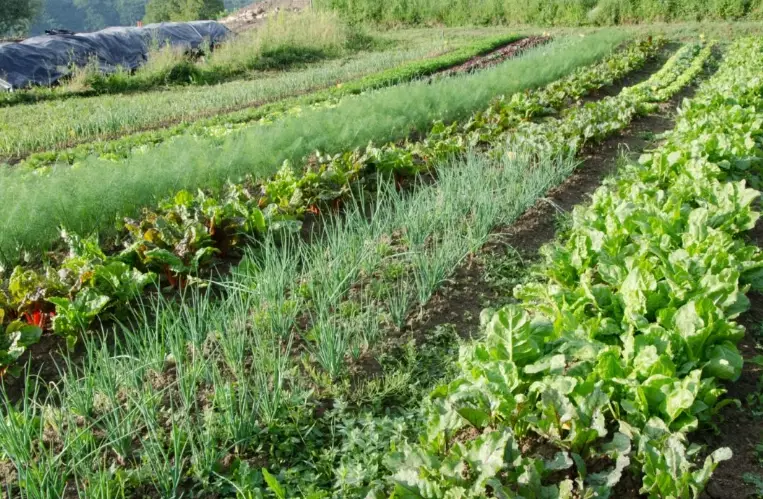
| Square Foot / Season | Early Spring (Plant) | Late Spring/Early Summer (Plant after harvest) | Late Summer/Fall (Plant after harvest) |
|---|---|---|---|
| Squares 1-4 (Front, right side) | Spinach (16 plants) | Bush Beans (16 plants) | Swiss Chard (4 plants) |
| Squares 5-8 (Front, left side) | Radishes (64 plants!) | Lettuce (16 heads) | Kale (4 plants) |
| Squares 9-12 (Back, right side) | Carrots (64 plants) | Determinate Tomato (1 plant, staked) | Beets (16 plants) - planted late summer |
| Squares 13-16 (Back, left side) | Peas (32 plants, on a trellis) | Cucumber (1 plant, on the same trellis) | Garlic (16 cloves, planted in Oct) |
See the logic? Fast crops make way for warm-season crops, which make way for cool-season crops. The vertical trellis in the back maximizes space. It's a living, producing machine.
Common Pitfalls and How to Dodge Them
I've fallen into most of these traps, so learn from my pain.
- Overcrowding: The biggest temptation. More seeds must equal more food! It leads to competition, poor air circulation (hello, fungal diseases), and spindly plants. Stick to the recommended spacing. Trust the process.
- Ignoring Soil Health: You get one amazing season, then three bad ones. Feed the soil after every harvest. It's not an expense; it's an investment.
- Forgetting to Rotate Crops: Even in a small space, try not to plant the same family of plants (e.g., tomatoes, peppers, eggplant are all nightshades) in the same spot year after year. It helps prevent pest and disease buildup.
- Watering Incorrectly: Dense foliage can mean water doesn't easily reach the soil. Use a watering wand to apply water gently at the base of plants. Soaker hoses or drip irrigation under mulch are the gold standard for intensive gardening.
Your Intensive Gardening Questions, Answered
Getting Started: Your First Season Action Plan
Feeling overwhelmed? Don't be. Start with one bed. Just one.
- Build or Buy a Raised Bed: 4x4 feet or 4x8 feet is perfect. Place it in the sunniest spot.
- Invest in Soil: Spend your money here. Fill it with the best mix you can make or buy. Don't skimp.
- Pick 3-5 Easy Crops: Lettuce, radishes, bush beans, carrots, and a single tomato plant. Get seeds.
- Make a Simple Grid: Use string or thin wooden lathes to mark off 1-foot squares on your bed.
- Plant According to the Rules: Look up the spacing for each crop. Plant exactly that many seeds or transplants per square.
- Mulch: After plants are a few inches tall, add a layer of straw or shredded leaves to keep soil moist and weeds down.
- Observe and Learn: Watch what happens. Take pictures. Note what works and what doesn't. Gardening is a practice, not a perfect science.
The goal of your first intensive gardening season isn't to feed your family for a year. It's to learn the rhythm. To see how quickly you can harvest a radish, then replant that spot. To feel the satisfaction of picking a full bowl of salad from a tiny area.
It might feel fussy at first, all this measuring and planning. But once you see the harvest rolling in, week after week, from your little patch of earth, you'll be hooked. You're not just growing plants; you're managing a hyper-efficient, beautiful, edible ecosystem. And honestly, there's nothing quite like it.
So grab a notebook, sketch out a small bed, and get your hands dirty. That's the only way any of this really makes sense. The theory is great, but the real teacher is the garden itself.
Reader Comments