Quick Guide
- Why Bother with Square Foot Gardening? The Top Benefits
- Getting Started: Your First Square Foot Garden in 5 Steps
- The Square Foot Gardening Grid System: Your Planting Cheat Sheet
- Ongoing Care: Watering, Feeding, and Outsmarting Pests
- Seasonal Succession: Getting the Most From Your Squares
- Common Questions About Square Foot Gardening (Answered)
- A Few Honest Drawbacks (Because Nothing's Perfect)
- Final Thoughts: Is Square Foot Gardening Right for You?
Let's be honest. Traditional gardening can feel like a part-time job. All that digging, weeding, watering endless rows... it's enough to make anyone with a busy life or a small backyard throw in the trowel. I know I almost did. Then I stumbled upon square foot gardening, and honestly, it felt like cheating. Suddenly, my tiny patio space was producing more lettuce and tomatoes than I knew what to do with, and I was spending maybe an hour a week on upkeep.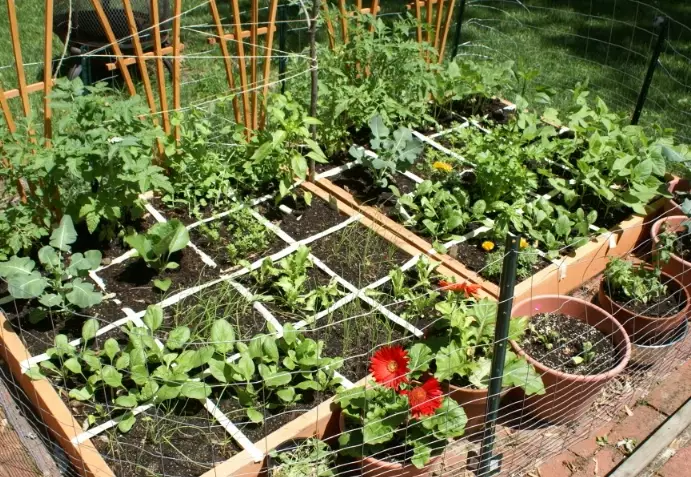
If you've ever felt overwhelmed by the idea of starting a garden, or if you've tried and ended up with more weeds than veggies, this method is for you. Square foot gardening isn't just a trend; it's a smart, systematic way to grow food. It cuts the work down by about 80% and boosts your harvest. Sounds too good to be true? Stick with me.
The Core Idea: Forget planting in long, single-file rows. Instead, you divide a small, raised bed into a grid of one-foot squares. Each square becomes its own mini-garden where you plant a specific number of seeds or seedlings. One square might hold 16 radishes, the next one a single tomato plant. It's intensely organized and incredibly efficient.
Why Bother with Square Foot Gardening? The Top Benefits
I wasn't sold on it at first. Building a box and a grid seemed like extra work upfront. But the benefits pile up so fast you'll wonder why everyone isn't doing it.
- Saves a Ton of Space: This is the big one. Because you're planting intensively and vertically, you can grow the same amount (or more!) in about 20% of the space of a traditional row garden. Perfect for urban balconies, small yards, or even a sunny corner.
- Drastically Less Work: No more back-breaking tilling every spring. The small, defined size means way less weeding. The soil mix is so loose you can plant with your fingers. Watering is targeted and quick.
- No More Wasted Seeds: How many times have you bought a packet of 100 carrot seeds and used ten? With the square foot method, you sow exactly what you need in each square. Your seed packets last for years.
- Better Soil, Better Control: You fill your raised bed with a perfect, weed-free soil mix. This means incredible drainage, perfect aeration for roots, and you never step on the soil (which compacts it). You control the quality from day one.
- Accessibility: Raise the bed to a comfortable height, and you eliminate bending and kneeling. It's a game-changer for anyone with mobility issues or who just hates getting their knees dirty.
Really, the method is a lifesaver for impatient people like me.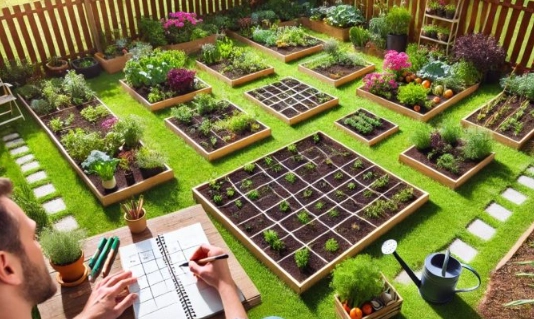
Getting Started: Your First Square Foot Garden in 5 Steps
Okay, let's get our hands dirty. Setting up is straightforward. You can buy a kit, but building your own is cheaper and lets you customize the size. Here’s the down-and-dirty process.
Step 1: Location, Location, Location
Most veggies are sun worshippers. You need at least 6 to 8 hours of direct sunlight per day. Watch your potential spot over a day. No sun, no harvest—it's that simple. Also, pick a spot close to a water source. Dragging a hose across the yard gets old fast.
Step 2: Building the Box (It's Easier Than Ikea Furniture)
The classic size is 4 feet by 4 feet. This gives you 16 squares to play with and allows you to reach the center from any side without stepping in. You can go 4x8, 3x3, or any rectangle. Just keep the width under 4 feet for reachability.
- Materials: Untreated wood is key. You don't want chemicals leaching into your soil. Cedar and redwood are rot-resistant but pricey. Pine is cheaper and will last several years. Avoid railroad ties or old pressure-treated wood.
- Dimensions: A depth of 6 to 12 inches is standard. Deeper is better for root crops like carrots. I made my first one 6 inches deep and regretted it when my carrots hit the bottom. Go for 12 inches if you can.
- Bottom: If you're placing it on grass or soil, lay down a layer of cardboard or landscape fabric at the bottom to smother weeds. Don't use plastic—it prevents drainage.
Step 3: The "Magic" Soil Mix (This is the Secret Sauce)
Mel Bartholomew, the founder of the method, swears by this specific blend. I was skeptical, but it works. The goal is a light, fluffy, nutrient-rich mix that holds moisture but drains perfectly.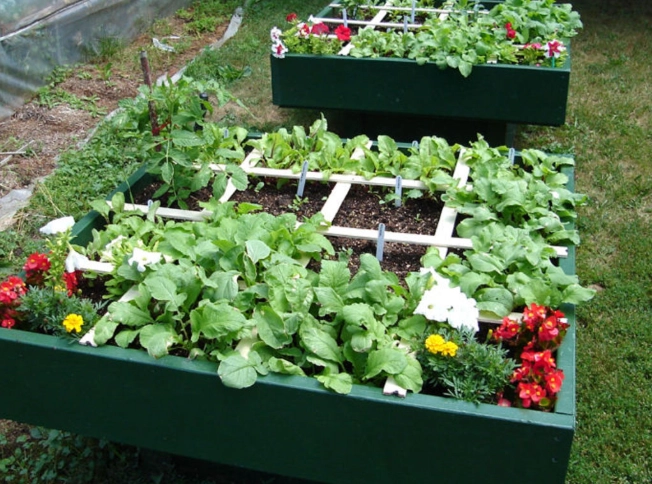
The Classic Mel's Mix Recipe: Combine equal parts (by volume) of:
- Peat Moss or Coco Coir: For moisture retention. Coco coir is a more sustainable alternative to peat.
- Vermiculite: This is the magic mineral. It looks like little white flakes. It aerates the soil and holds an incredible amount of water and nutrients, releasing them to plant roots slowly.
- Compost: This is the fertilizer. Use several different kinds if you can—mushroom compost, worm castings, homemade compost. Diversity here feeds your plants a balanced diet.
Mix it thoroughly right in the bed. Yes, buying vermiculite in bulk seems odd, but trust the process. You can also find pre-mixed versions at garden centers now, though they're pricier.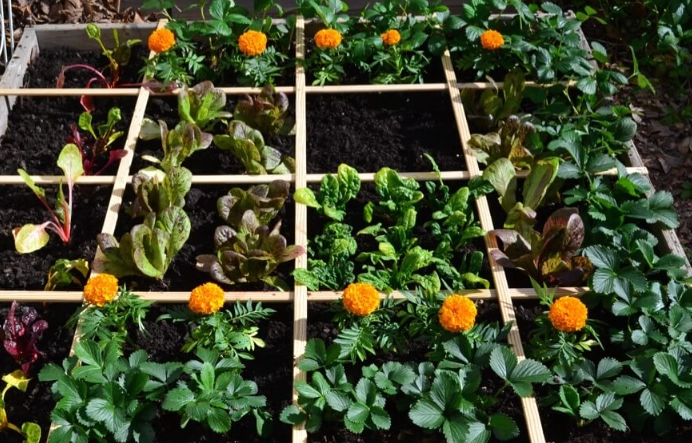
Step 4: Creating the Grid
This is what makes it a square foot garden. Using thin wooden lathes, string, or even strips of plastic, create a grid that divides the surface into one-foot squares. Nail or screw it to the top of the box frame. This grid is your planting map and keeps everything organized. Don't skip it.
Step 5: Planting Your Squares
This is the fun part. Each type of plant has a specific number that fits in one square. You don't just scatter seeds; you plant in a precise pattern within the square.
| Plant | Plants Per Square | Notes & Planting Pattern |
|---|---|---|
| Radishes, Carrots | 16 | Plant 4 rows of 4 seeds. Thin to one per hole. |
| Leaf Lettuce, Spinach | 4 or 9 | For full heads, plant 4 (one in each corner). For baby greens, plant 9 in a 3x3 grid. |
| Bush Beans | 9 | Plant in a 3x3 grid. They'll fill the space. |
| Peppers, Kale | 1 | One plant per square. Give them room. |
| Tomato (Staked/Caged) | 1 | Use 2 squares (2'x1' space). They need support and air circulation. |
| Cucumber (Vertical) | 2 | Train them up a trellis attached to the north side of the bed. |
See? It's like a puzzle. You get to decide what goes where each season. I love drawing little maps in my garden journal.
The Square Foot Gardening Grid System: Your Planting Cheat Sheet
Let's dive deeper into planning. A 4x4 bed gives you 16 squares. How you fill them is up to you, but here's a sample plan for a beginner's summer garden that shows the diversity you can pack in.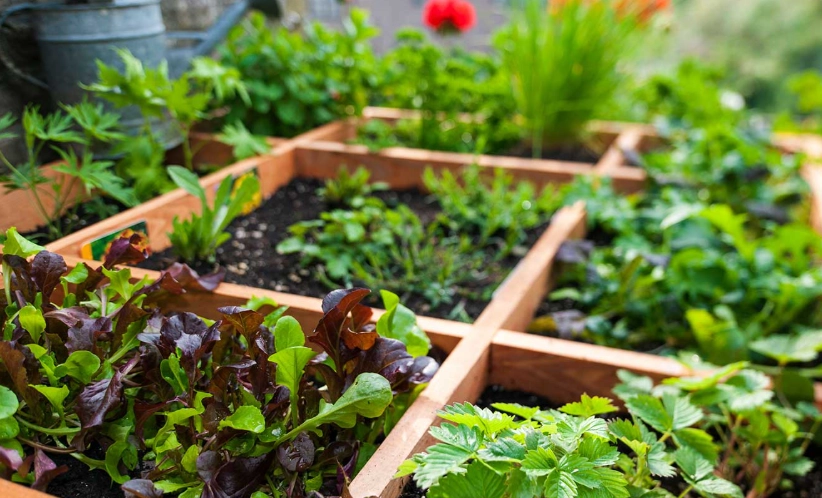
Sample 4x4 Summer Garden Plan:
- Top Row (North Side): 2 squares for tomatoes (on a tall cage), 1 square for bell pepper, 1 square for basil (great companion for tomatoes!).
- Second Row: 4 squares of bush beans (9 plants each).
- Third Row: 2 squares of carrots (16 each), 2 squares of onions (16 each).
- Bottom Row (South Side): 4 squares of lettuce or spinach (4 plants each for continual harvest).
Notice the tall plants (tomatoes) are on the north side so they don't shade the shorter ones. That's strategic square foot gardening.
Companion Planting in a Grid
This method makes companion planting intuitive. Since you're mixing plants in adjacent squares, you can pair friends together to deter pests or boost growth. Plant marigolds in a corner square to help repel nematodes. Put basil next to your tomatoes—they're great neighbors, and you'll have fresh pesto ingredients side-by-side.
Ongoing Care: Watering, Feeding, and Outsmarting Pests
Maintenance is where the square foot gardening method really shines. It's minimal but crucial.
Watering Wisely
The peat/vermiculite mix holds water well, but it needs consistent moisture. Stick your finger in a square. If the top inch is dry, it's time to water.
- Best Method: A gentle watering wand or a drip irrigation system with emitters in each square. You want to water the soil, not the leaves, to prevent disease.
- When: Early morning is ideal. Avoid evening watering, as damp leaves overnight invite mildew.
I set up a simple timer on a soaker hose. It costs maybe $40 and saves me from forgetting.
Feeding Your Plants
Your initial compost is the primary food source. But as the season goes on, plants are hungry. You need to replenish.
Every two to three weeks, I give my beds a light top-dressing with more compost or a watering with a balanced, organic liquid fertilizer like fish emulsion or seaweed tea. It's like giving them a vitamin boost. The Organic Trade Association is a great resource for understanding organic growing principles if you want to go fully natural.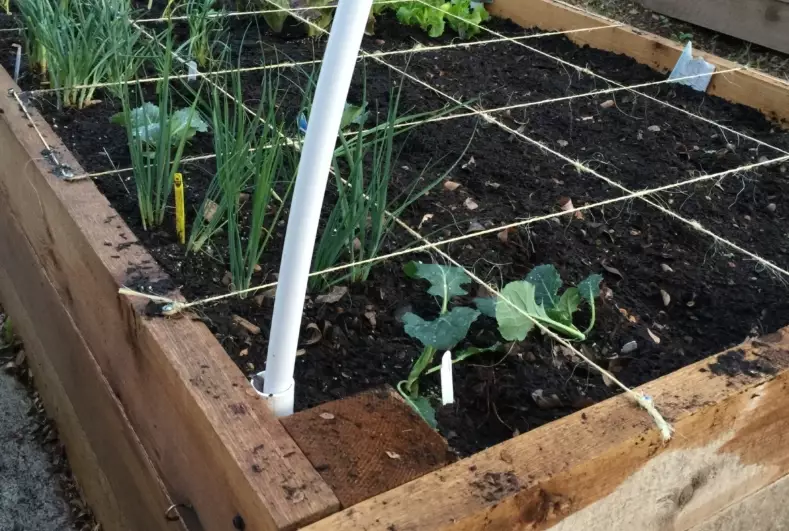
Dealing with Weeds and Pests
Weeds are rarely a big issue because you start with sterile mix and seeds don't blow into the dense canopy. Any that pop up are easy to pluck from the loose soil.
Pests are another story. The dense planting can sometimes create a humid microclimate. My biggest battle is with slugs.
My Slug Solution: Beer traps. Seriously. Bury a small container (like a yogurt cup) level with the soil and fill it halfway with cheap beer. Slugs crawl in and drown. It's gross but effective. For aphids, a strong blast of water from the hose knocks them off. Encouraging beneficial insects by planting flowers like alyssum in a corner square helps too.
For comprehensive, science-backed advice on managing garden pests in an eco-friendly way, your local university cooperative extension service is an unbeatable (and free!) resource. Look up "[Your State] extension gardening."
Seasonal Succession: Getting the Most From Your Squares
One of the smartest parts of square foot gardening is how it encourages you to think in seasons. When one crop is done, you replant that square immediately.
- Spring: Cool-season crops like lettuce, peas, radishes, spinach.
- Summer: Heat-lovers like tomatoes, peppers, cucumbers, beans.
- Fall: After the tomatoes are spent, replant with more lettuce, kale, Swiss chard, or fast-growing turnips.
You can easily get three harvests from a single square in a long growing season. Just remember to add a handful of fresh compost to the square before replanting to recharge it.
Common Questions About Square Foot Gardening (Answered)
A Few Honest Drawbacks (Because Nothing's Perfect)
Look, I love this method, but it's not magic fairy dust. Be aware of a couple of things.
Initial Cost and Setup: Building the box, buying the materials for the soil mix (especially vermiculite), and setting up irrigation costs more upfront than just digging a hole in the ground. It pays off in the long run with less work and more food, but the first-season investment is real.
Watering Needs: The soil mix drains so well that in the peak of summer, your garden might need watering every day, especially if it's in a raised, exposed location. You can't just ignore it for a week like you might with in-ground clay soil.
Not for Giant Plants: You're not going to grow a giant pumpkin or a field of corn in a 4x4 bed. The method is optimized for standard-sized vegetables and intensive harvests. It's about efficiency, not growing prize-winning giants.
Knowing these helps you decide if it's right for you. For most people with limited space and time, the pros massively outweigh the cons.
Final Thoughts: Is Square Foot Gardening Right for You?
If you're a beginner, have a small space, hate weeding, want a highly organized garden, or have physical limitations that make bending difficult, then the answer is a resounding yes. Square foot gardening provides a clear, manageable framework that takes the guesswork out of gardening.
It turns gardening from a sprawling, overwhelming chore into a neat, productive hobby. You get to see results quickly, harvest continually, and learn a ton about how plants grow in a very hands-on way.
My advice? Start small. Build one 4x4 bed. Follow the soil recipe. Plant a few squares with things you love to eat. You don't have to fill all 16 squares the first season. Just start. The worst that can happen is you get a few salads. The best? You discover a lifelong, rewarding way to grow your own food.
Honestly, give square foot gardening a shot. It might just change how you think about your backyard—or your balcony—forever.
Reader Comments