What's Inside This Guide
- Getting It Right From the Start: Planting Your Tree
- The Art and Science of Pruning: It's Not That Scary
- Feeding and Watering: Not Too Much, Not Too Little
- The Bug and Fungus Fight: Integrated Pest Management
- A Seasonal Roadmap for Fruit Tree Care
- Answers to Those Thorny Questions You're Searching For
- Wrapping It Up: Patience and Observation
Let's be honest. When you first plant a fruit tree, you picture this idyllic scene a few years down the line: you, strolling into your backyard, plucking a perfect, sun-warmed peach or a crisp apple right off the branch. The reality, at least in my first few attempts, was more... sparse. Leaves with holes, fruit that never sized up, or worse, a tree that just seemed to sulk. I made a lot of mistakes. Overwatering the citrus, pruning the apple tree at the wrong time (a real massacre), and completely ignoring the soil. It was a frustrating, learn-the-hard-way process.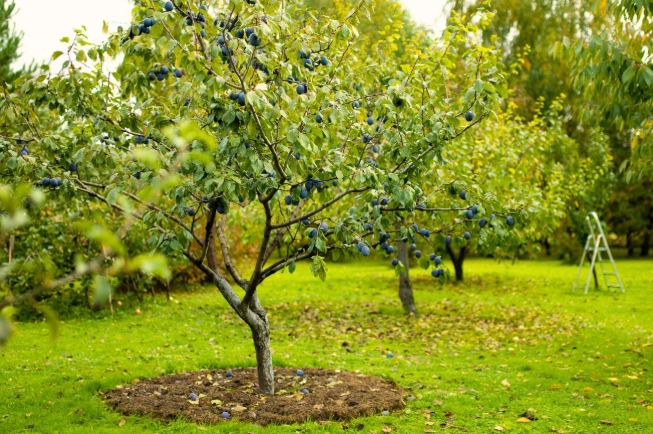
But you know what? Fruit trees are incredibly resilient, and getting them to thrive isn't about having a green thumb—it's about understanding a handful of key, non-negotiable practices. Good fruit tree care is less about constant fussing and more about timely, informed actions. This guide is everything I've learned, sometimes painfully, over the years, mashed up with proven advice from trusted sources. We're going to move past the generic advice and get into the nitty-gritty that actually makes a difference between a tree that survives and one that truly produces.
Getting It Right From the Start: Planting Your Tree
This is the most important step. A bad start can haunt you for years, no matter how good your subsequent care for fruit trees is. It's not just digging a hole and dropping it in.
Location, Location, Location
Sunlight is non-negotiable. Almost all fruit trees need a minimum of 6-8 hours of direct sun. More is better. I planted my first pear tree in a spot that got about 5 hours; it grew, but it was leggy and produced two pathetic pears in three years. Don't be like past me.
Also, think about air flow and space. Cramming a tree against a fence or another structure invites fungal diseases. Check the mature spread of your tree variety—that information on the tag is there for a reason. And consider the "microclimate." Is it a frost pocket where cold air settles? That might kill early blossoms on peaches or apricots.
The Hole Truth About Planting
Here's where a lot of advice gets it wrong. The old saying "dig a $100 hole for a $10 tree" has merit, but it's not about depth. In fact, the biggest mistake is planting too deep.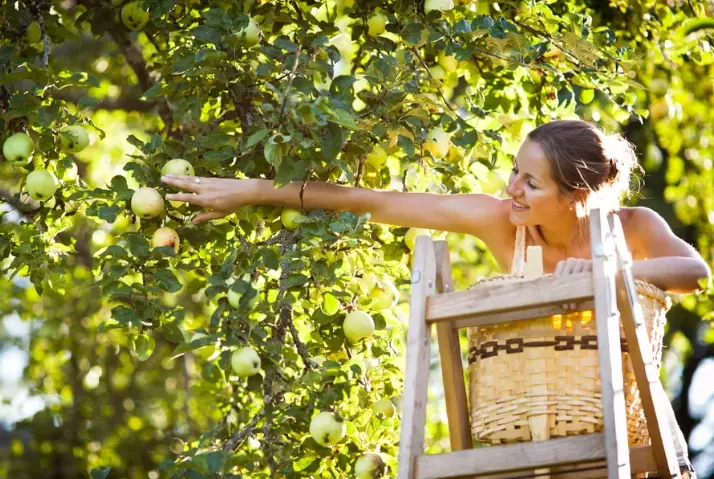
The root flare—that spot where the trunk starts to widen and roots begin—must be visible and slightly above the final soil grade. I plant mine so the flare is about an inch or two above ground, then mound mulch around it, not on it. Planting deep leads to stem rot and a slow, confusing decline.
Width is key. Dig a hole two to three times wider than the root ball. This loosens the soil for the young roots to expand easily. Don't amend the backfill soil with a ton of compost or fertilizer—it can create a "bathtub effect" where roots don't want to leave the cozy, rich hole you made. Just use the native soil you dug out, maybe breaking up any big clods.
Water it in deeply right after planting. This settles the soil and eliminates air pockets.
The Art and Science of Pruning: It's Not That Scary
Pruning paralyzes more new fruit tree owners than anything else. I get it. You're cutting off parts of a living thing you just invested in. But think of it as directing energy rather than taking something away. Proper pruning is fundamental to good fruit tree care.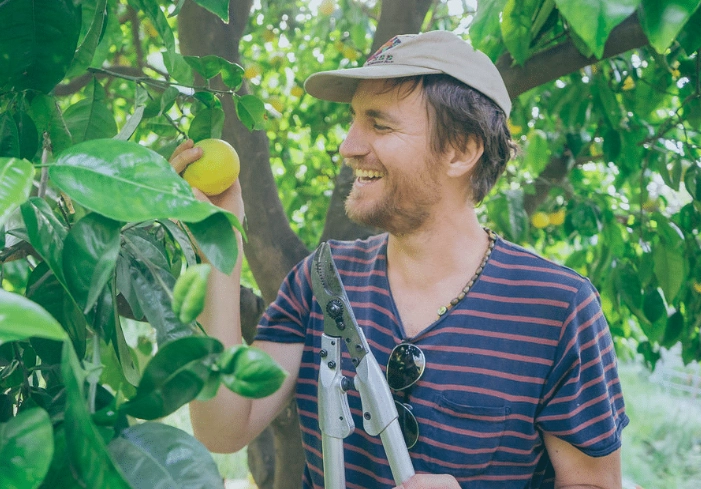
Why We Prune (Beyond Just Shaping)
- Light and Air: An open canopy lets sunlight reach all the fruiting wood and allows air to circulate, dramatically reducing disease.
- Strength: It removes weak, narrow-angled branches that are prone to breaking under a fruit load.
- Productivity: It encourages the tree to put energy into producing fruit on strong, well-placed branches, not just leafy growth.
My Simple Pruning Priorities
When you're standing there with shears in hand, follow this order of operations. It simplifies everything.
- The Dead, Diseased, and Damaged: Always remove these first. No question.
- The Rubbing and Crossing: Branches that rub create wounds. Remove the weaker of the two.
- The Inward Growers: Any branch shooting straight into the center of the tree? Gone. We want an open, vase-like shape for most trees (except central-leader types like many apples).
- The Suckers and Water Sprouts: Those fast-growing, vertical shoots from the base or trunk? They're energy hogs. Remove them.
- Shape and Thin: Finally, step back and thin out areas that are too crowded. You want dappled sunlight to hit the ground through the canopy.
For detailed, species-specific pruning guides, the resources from university agricultural extensions are unbeatable. I regularly consult the University of Minnesota Extension's pruning guide for its clear, research-backed advice.
Feeding and Watering: Not Too Much, Not Too Little
This is where balance matters. More fertilizer is not better. In fact, over-fertilizing, especially with high-nitrogen mixes, can give you a gorgeous, lush tree... that produces zero fruit. It's all putting energy into leaves.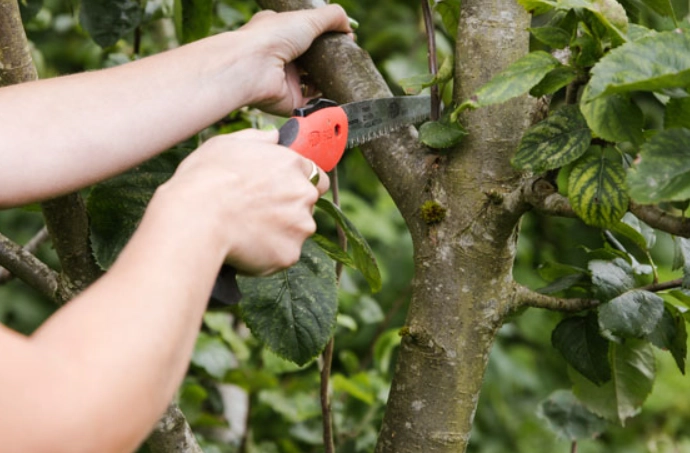
Understanding Fertilizer Needs
Young trees need different food than established ones. A newly planted tree shouldn't need any fertilizer in its first year—it's getting settled. After that, a balanced, slow-release fertilizer applied in early spring is usually perfect.
The best way to know what you need? A soil test. It sounds overly technical, but it's simple and tells you exactly what's lacking. Your local cooperative extension office usually offers them for a small fee. It takes the guesswork out of fruit tree care.
Here’s a rough guide for annual feeding, assuming average soil:
| Tree Age | Timing | General Recommendation | Notes |
|---|---|---|---|
| Newly Planted (Year 1) | Spring | None | Focus on watering and root establishment. |
| Young (2-4 years) | Early Spring | Balanced fertilizer (e.g., 10-10-10) per package rates | Spread in a ring around the drip line, not against the trunk. |
| Mature (5+ years) | Early Spring | Compost & targeted amendments | Rely more on compost and mulch. Fertilize only if growth is poor or soil test indicates a need. |
Watering Deeply and Infrequently
Frequent, shallow watering encourages weak surface roots. The goal is to train the roots to go deep, where the soil stays moist longer. A good rule of thumb is to provide about an inch of water per week, either from rain or irrigation, during the growing season. But that depends on your soil.
Clay soil holds water longer; sandy soil drains fast. The best method? Stick your finger into the soil a few inches down near the drip line. If it's dry, it's time to water. Soaker hoses or drip irrigation are fantastic because they deliver water slowly and directly to the root zone, minimizing waste and leaf wetness (which can cause disease).
Deep watering might mean running a soaker hose for an hour or two, but only once every 7-10 days in dry weather, rather than a 10-minute sprinkle every other day.
The Bug and Fungus Fight: Integrated Pest Management
This is the part of fruit tree maintenance that can feel overwhelming. You see a bug or a spotted leaf and panic. I've been there, ready to spray anything. But the healthiest approach is proactive and layered, not reactive.
The goal isn't a sterile, bug-free tree. It's a balanced ecosystem where pests are kept below damaging levels by their natural enemies and good cultural practices.
Prevention is 90% of the Battle
- Cleanliness: Rake up and dispose of fallen leaves and mummified fruit in autumn. This destroys overwintering sites for pests and diseases like apple scab and coddling moth.
- Dormant Oil Spray: This is one of my most effective tools. A horticultural oil spray applied in late winter, before buds open, smothers overwintering insect eggs and scales. It's a physical, not chemical, control.
- Choose Resistant Varieties: This is huge. If apple scab is rampant in your area, plant a scab-resistant variety like 'Liberty' or 'Freedom'. The USDA and various land-grant universities have breeding programs specifically for disease-resistant fruit trees.
Identifying Common Issues
You can't fix what you don't know. Here are two big ones:
Aphids: Tiny, pear-shaped bugs clustered on new growth. They suck sap and secrete honeydew, which leads to sooty mold. Often, a strong blast of water from the hose is enough to knock them off. Ladybugs and lacewings are their natural predators.
Powdery Mildew: Looks like white powder on leaves and shoots. It thrives in humid conditions with poor air circulation. That's why our pruning for an open canopy is so critical. For mild cases, a spray of diluted neem oil can help.
For accurate diagnosis, don't just guess. Use resources like your local Cooperative Extension office website or their plant disease clinics. Spraying the wrong thing is a waste of time and money and can harm beneficial insects.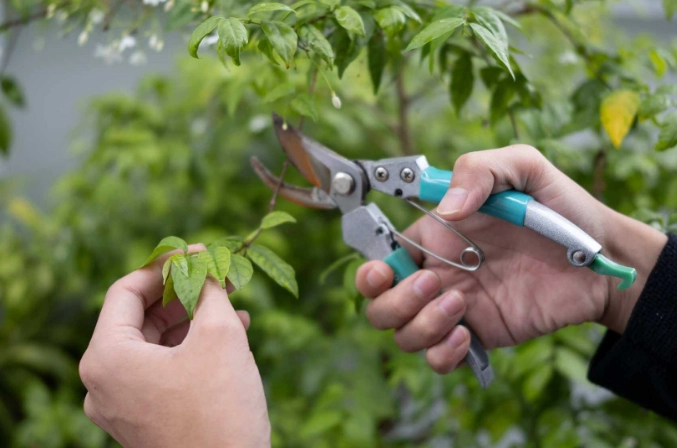
A Seasonal Roadmap for Fruit Tree Care
It helps to have a checklist. This breaks down the year into manageable chunks so you don't forget something important.
Late Winter / Early Spring (Dormant Season)
- Prune! (Before buds swell)
- Apply dormant oil spray on a calm, above-freezing day.
- Apply a balanced fertilizer or compost if needed (before growth starts).
- Check and repair tree guards or stakes.
Spring (Bloom & Fruit Set)
- Watch for frost warnings; protect blossoms if possible with fabric covers.
- Monitor for early pests like aphids.
- Ensure consistent moisture as fruit begins to set.
- Consider thinning heavy fruit clusters (like on peaches) for larger, healthier fruit.
Summer (Fruit Development)
- Water deeply during dry spells. This is critical for fruit swelling.
- Do light summer pruning to remove water sprouts or improve light penetration.
- Continue monitoring for pests and diseases.
- Weed around the base to reduce competition.
Autumn (Harvest & Preparation)
- Harvest fruit as it ripens.
- Never leave rotten fruit on the ground or tree.
- Rake and dispose of all fallen leaves thoroughly.
- Water deeply one last time before the ground freezes (especially important for evergreens and new plantings).
- Apply a fresh layer of mulch after the ground is cold.
Answers to Those Thorny Questions You're Searching For
1. Pollination Issue: Is there a compatible pollinator tree nearby? Some apples, blueberries, and sweet cherries need a different variety to cross-pollinate. No pollinators (bees, etc.)? Bad weather during bloom can keep them away.
2. Frost: A late frost can kill the delicate flower ovaries even if the petals look okay.
3. Age: The tree might just be too young. Some trees take 3-5 years to bear fruit.
4. Over-fertilizing: Too much nitrogen = all leaves, no fruit.
See? Most problems have a logical chain of clues.
Wrapping It Up: Patience and Observation
The single most important tool in your fruit tree care toolkit isn't a fancy pruner or expensive fertilizer. It's your eyes. Spend time just looking at your trees. Notice the subtle changes in leaf color, the way new growth looks, any odd insects. Catching a problem early makes it infinitely easier to manage.
And have patience. Trees operate on a different timescale than we do. A pruning mistake one year can often be corrected the next. A stressed tree might take a full season to recover. It's a long-term partnership.
Start with the fundamentals in this guide—smart planting, confident pruning, balanced feeding, and proactive pest management. Do those things consistently, and you'll be miles ahead. You'll avoid the major pitfalls and set your trees up for a long, productive life. Before you know it, that daydream of picking perfect fruit in your own yard won't be a daydream anymore. It'll be your late-summer reality.
Now, go check on your trees. I bet you'll see them with a slightly different perspective.
Reader Comments