Quick Navigation
- What Plants Are Actually Doing with Light (It's Not Just Food)
- Decoding the Lingo: What Those Light Labels Really Mean
- Your Plant's SOS Signals: Is It Getting Too Much or Too Little Light?
- Demystifying Grow Lights: A Buyer's Guide That Cuts Through the Hype
- Common Indoor Plants and Their Specific Light Needs
- Answering Your Burning Questions (FAQ)
- Putting It All Together: A Simple 3-Step System
Let's be honest. Most of us have killed a plant or two (or ten) by putting it in the wrong spot. You bring home a beautiful leafy thing, plop it on a dark shelf because it looks nice there, and watch it slowly give up on life over the next few months. The leaves turn yellow, it gets all spindly and sad, and you're left wondering what you did wrong. Nine times out of ten, the culprit is light. Or rather, the lack of it.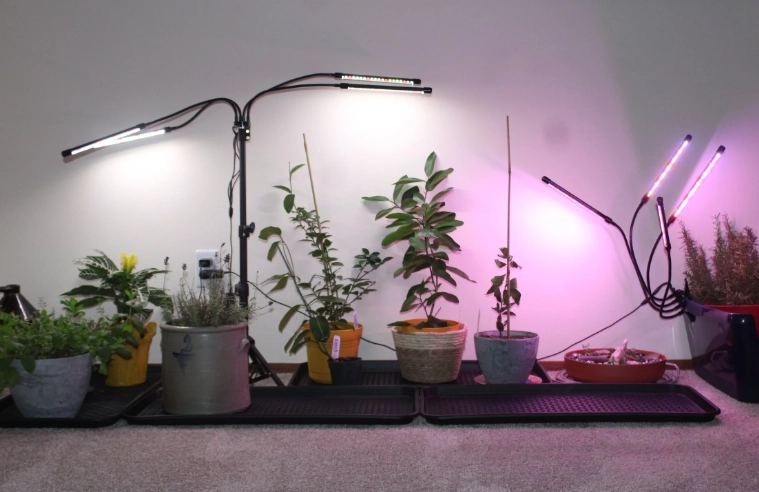
Getting a handle on plant light requirements is the single most important thing you can do as a plant parent. It's more critical than your watering schedule, more vital than humidity levels, and honestly, it's the difference between a thriving jungle and a collection of slowly dying sticks in pots. I've learned this the hard way, after turning what was supposed to be a sun-loving succulent into a pale, stretched-out mess because I liked how it looked on my coffee table. Bad call.
So, what's this guide about? It's about moving beyond vague labels and understanding what light actually is to a plant. We're going to ditch the guesswork. You'll learn how to measure the light in your home with your phone or even just your hand, decode those confusing plant tags, and figure out exactly where each plant belongs. We'll also dive deep into grow lights—cutting through the marketing jargon to find what actually works for your specific plant's light needs.
What Plants Are Actually Doing with Light (It's Not Just Food)
We all know the basics from school: photosynthesis. Plants use light, water, and carbon dioxide to make sugar (food) and oxygen. But it's way more nuanced than that. Light isn't just an ingredient; it's the entire energy source that powers every single process in the plant.
Light also acts as a signal. It tells seeds when to germinate, tells stems which direction to grow (phototropism—they bend toward the light), and tells plants when to flower. The duration of light (day length, or photoperiod) triggers flowering in many species. This is why your Christmas cactus might bloom when the days get shorter.
The quality of light—the colors or wavelengths—matters immensely. Chlorophyll, the green pigment that drives photosynthesis, absorbs light most efficiently in the blue and red parts of the spectrum. Blue light is crucial for strong, compact vegetative growth (think lush leaves and sturdy stems). Red light is key for flowering and fruiting. Green light? Plants reflect most of it, which is why they look green to us. But recent research, like studies referenced by the University of Florida's IFAS Extension, shows green light does penetrate deeper into the plant canopy and plays a subtle role in growth regulation.
So when you're assessing your space, you're not just looking for "brightness." You're evaluating the fuel quality and quantity for a complex living engine.
Decoding the Lingo: What Those Light Labels Really Mean
Here's where things get fuzzy. Nurseries and care guides throw around terms like "bright indirect light" or "partial shade." What do these actually translate to in your living room? Let's break it down with some real numbers. I find that using foot-candles (FC) or lumens takes the mystery out. You can measure these with a cheap light meter or even a smartphone app (they're surprisingly accurate for our purposes).
| Common Label | What It Really Means | Approximate Foot-Candles (FC) | Real-World Example in a Home |
|---|---|---|---|
| Direct Sun | Unfiltered sunlight hitting the plant. Can cast a sharp, defined shadow. | 2000 - 10,000+ FC | Right on a south-facing windowsill (in the northern hemisphere). A sunbeam on the floor. Succulents, cacti, herbs, and many flowering plants crave this. |
| Bright, Indirect Light | The gold standard for most tropical houseplants. Plenty of light, but no hot sun rays directly on the leaves. | 1000 - 2000 FC | Within 1-3 feet of a south, east, or west window, but not in the direct sun path. A spot that's brightly lit all day without sunbeams. Think Monstera, Pothos, Philodendron, Fiddle Leaf Fig. |
| Medium Light | Consistent, moderate light throughout the day. Shadow is soft but visible. | 250 - 1000 FC | A few feet back from an east/west window, or right in front of a bright north window. The center of a well-lit room. Good for Snake Plants, ZZ Plants, Peace Lilies. |
| Low Light | This is the most misunderstood term. It means minimal, consistent light. Not darkness. | 50 - 250 FC | A north-facing windowsill (in the N. hemisphere), the far corner of a room with a decent window, a hallway with some ambient light. Only a few plants truly tolerate this long-term: think Aspidistra (Cast Iron Plant), some Sansevieria, Aglaonema. |
A quick personal rule of thumb?
Hold your hand about 12 inches above a surface where the sun hits. Look at the shadow.
- Sharp, defined edges? That's direct sun.
- Fuzzy but clearly visible shadow? Bright indirect.
- A very faint, blurry shadow? Medium light.
- Barely any shadow at all? That's low light territory.
Your Plant's SOS Signals: Is It Getting Too Much or Too Little Light?
Plants are terrible at verbal communication, but they're masters of visual cues. Learning their language is key. The symptoms of light stress can sometimes mimic overwatering or nutrient issues, so context (where you've placed the plant) is your best clue.
Signs of Not Enough Light (The Far More Common Problem)
- Leggy Growth (Etiolation): This is the big one. The stems grow abnormally long and thin, with large gaps between leaves, as the plant desperately stretches towards any light source. The new growth is often pale. My first succulent was a textbook case.
- Leaning Heavily: The whole plant leans or bends toward the window or light source.
- Slowed or Stopped Growth: During the growing season (spring/summer), if your plant isn't putting out new leaves, light is suspect #1.
- Leaf Loss: Older, lower leaves turn yellow and drop off. The plant is sacrificing them to preserve energy.
- No Flowers: On flowering plants, a lack of blooms is often a light issue.
- Variegation Loss: On plants with beautiful white or yellow patterns (like variegated Pothos or Monsteras), new leaves may come out solid green. The plant is ditching the inefficient variegated parts to produce more chlorophyll to capture scarce light.
Signs of Too Much Light (Usually Direct Sun)
- Sunburn: Crispy, brown, or bleached patches on the leaves. These are permanent scars. Unlike underwatering, which causes brown crispy edges, sunburn often appears as spots or patches in the center of the leaf where the sun hit hardest.
- Bleached Leaves: Leaves look washed out, pale, or even white-ish.
- Wilting During Hot Days: The soil is moist, but the plant droops in strong afternoon sun. It's losing water through its leaves faster than the roots can absorb it.
- Leaves Feeling Hot to the Touch: A sure sign it's getting direct, intense rays.
Quick Action Plan for a Light-Stressed Plant
Is it leggy and pale (needs more light) or crispy and bleached (needs less)? Check its current location against the table above. Be honest about how much light it really gets.
This is critical. Don't shock it! A low-light plant suddenly shoved into a south window will fry. Move it closer to the ideal light source in stages over a week or two. Similarly, a sunburned plant shouldn't be thrown into a dark corner.
If your home simply doesn't have a bright enough spot (apartment dwellers, I see you), a grow light is your best friend. We'll get into choosing one next.
Demystifying Grow Lights: A Buyer's Guide That Cuts Through the Hype
The world of grow lights is a maze of PAR, PPFD, Kelvin, and wattage claims. It's easy to get overwhelmed. Let's simplify. The goal is to provide the right intensity (brightness), spectrum (color), and duration (time).
• PAR (Photosynthetically Active Radiation): The range of light (400-700 nm) plants use for photosynthesis. A light's PAR output tells you it's designed for plants.
• PPFD (Photosynthetic Photon Flux Density): This is the intensity—how many PAR photons hit a specific area per second. Measured in micromoles per square meter per second (µmol/m²/s). You want a light that provides a PPFD suitable for your plants' needs (e.g., 50-100 for low light plants, 300-600 for high light plants) at the distance you'll hang it.
• Kelvin (K): The color temperature. For leafy growth, lights in the 5000K-6500K range (cool white, blue-ish) are great. For flowering/fruiting, you might want a warmer light (2700K-3000K) or a "full-spectrum" light that includes both.
• Forget about "watts equivalent." Look at actual watts drawn and the PPFD map provided by reputable manufacturers.
So, what type should you get? It depends on your setup.
- For a Single Plant or a Small Shelf: A single LED bulb in a gooseneck or clamp lamp is perfect, cheap, and effective. Get one with a 5000K-6500K color temperature.
- For a Plant Stand or a Row of Plants: LED Barrina lights (or similar tube lights) are wildly popular for good reason. They're affordable, efficient, and easy to install under shelves.
- For a Large Collection or a Dedicated Plant Cabinet: A quantum board LED panel provides intense, even light coverage. They're more expensive but are the professional's choice.
A crucial, often-overlooked point: placement and duration. Hang lights 6-18 inches above your plants (check the manufacturer's specs). Use a timer! Plants need a dark period to respirate. 12-16 hours of light per day is a good rule of thumb. A timer ensures consistency, which plants love, and makes your life easier.
Common Indoor Plants and Their Specific Light Needs
Let's apply everything we've learned to some popular houseplants. This isn't an exhaustive list, but it covers the classics and shows how to think about their requirements.
Monstera Deliciosa (Swiss Cheese Plant): The poster child for "bright, indirect light." It will tolerate medium light, but to get those iconic split leaves (fenestrations) and rapid growth, it needs that sweet spot near a bright window. Direct sun will scorch it. In too-low light, it becomes a leggy, non-fenestrated disappointment.
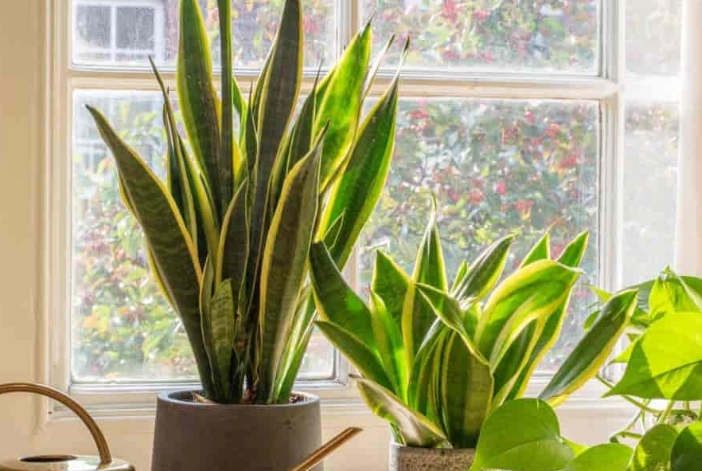
Sansevieria (Snake Plant): Famously tolerant. It will survive in very low light, but to actually grow and potentially flower (yes, they flower!), give it medium to bright indirect light. It can handle some direct sun as well. Low light is its endurance mode, not its growth mode.
Fiddle Leaf Fig (Ficus lyrata): This diva needs consistent, bright indirect light to thrive and not drop leaves in protest. A spot right in front of an east or west window, or a few feet back from a south window, is ideal. It will struggle in medium light and fail in low light.
Pothos (Epipremnum aureum): Incredibly adaptable. It does well in medium light, tolerates low light (growth will be very slow), and loves bright indirect light. The variegated varieties (like Marble Queen, Golden) need brighter light to maintain their patterns. Solid green ones are the most low-light tolerant.
Orchids (Phalaenopsis): Another victim of the "low light" myth. Your common moth orchid needs bright, indirect light to rebloom. An east-facing windowsill is perfect. Too little light = lush leaves but no flowers. Too much direct sun = sunburned leaves.
Answering Your Burning Questions (FAQ)
Here are some specific questions I've gotten from friends or seen pop up endlessly in plant groups. They get to the real, practical dilemmas we face.
Putting It All Together: A Simple 3-Step System
All this info can feel like a lot. Let's distill it into a simple action plan you can use for any plant, right now.
Step 1: Audit Your Space. Pick a sunny day. Use the hand-shadow test or download a free light meter app like "Photone" in the middle of the day. Map out the light levels in different spots around your windows. Write them down or make a mental note. You'll discover bright spots you never used.
Step 2: Match the Plant to the Spot (Truthfully). When you buy a new plant, research its specific light requirements. Don't just rely on the tag. Look it up. Then, place it in the spot in your home that matches that need. If you don't have a suitable spot, commit to buying a grow light at the same time you buy the plant. They're part of the package.
Step 3: Observe and Adjust. Plants aren't set-and-forget. Watch for the SOS signals we talked about. Is it happy? Growing? If not, don't be afraid to move it. Think of light as the primary dial you're tuning. Watering, fertilizing—those are secondary adjustments. Get the light right first, and so many other problems just… disappear.
It really does change everything. When you crack the code on light, the whole plant parenting thing gets easier, more rewarding, and a lot less tragic.
Reader Comments