Quick Navigation
- First, Dream a Little: What Kind of Water Garden Do You Want?
- The Non-Negotiable Gear: What You Really Need to Get Started
- The Stars of the Show: Picking Your Plants
- Adding Life: Should You Get Fish?
- The Not-So-Glamorous Part: Ongoing Care & Troubleshooting
- Let's Answer Your Burning Questions (The FAQ)
- Wrapping It Up: Your Next Step
Let's be honest. The first time I heard "water gardening," I pictured my grandma's tiny, algae-covered birdbath. It was... fine. But it wasn't the transformative backyard oasis I later discovered water gardening could be. I'm talking about the gentle trickle that drowns out traffic noise, the flash of orange koi against green plants, the dragonflies that suddenly decide your yard is their favorite hangout. That's the magic. And the best part? It's not as hard as you think.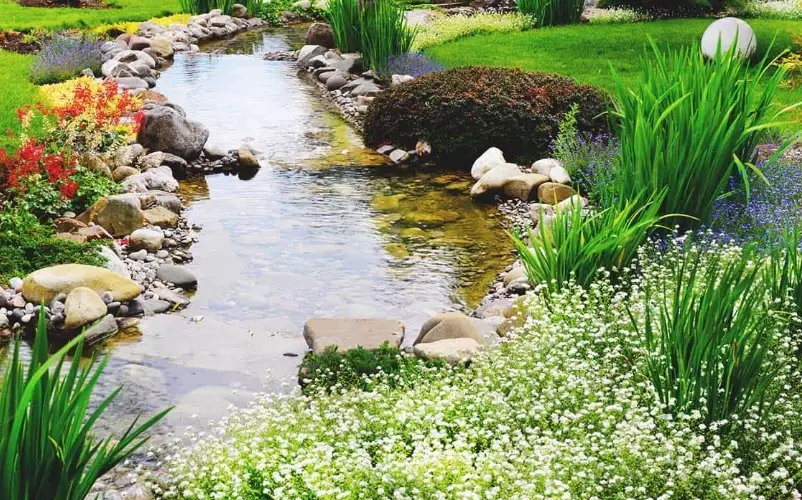
This isn't about installing a swimming pool. Water gardening is the art of blending aquatic plants, water, and sometimes fish into your landscape. It can be a simple pot on your patio or an elaborate multi-level pond. The goal is to create a balanced, living ecosystem. Sounds fancy, but at its heart, it's just helping nature do its thing in your space.
So, what exactly is water gardening? In simple terms, it's any gardening that uses water as a central element to grow plants. But it's evolved. Today, it's about creating a miniature, self-sustaining world. You become the steward of a little slice of wetland, right outside your door.
Why bother? Well, after my first small pond was finished (a weekend project that turned into three, but who's counting?), the change was immediate. The air felt cooler near it. Birds I'd never seen before stopped by for a drink. The stress of the day just melted away sitting beside it. It's a sensory experience that a flower bed alone can't provide.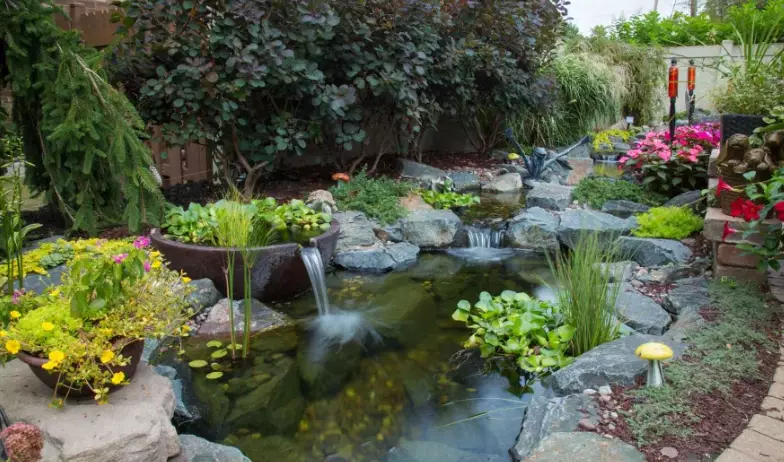
First, Dream a Little: What Kind of Water Garden Do You Want?
Jumping in without a vision is how you end up with a leaking liner and a bunch of dead water lilies. Trust me, I've been there. The key is to match your ambition with your reality—your space, time, and budget.
The Container Water Garden (The Perfect Beginner's Project)
This is where almost everyone should start. No digging, no heavy liners. Find a watertight container—a glazed ceramic pot, a half whiskey barrel (lined properly), even a large, interesting bowl. The Clemson University Home & Garden Information Center has a fantastic, no-nonsense guide on exactly how to do this. It's my go-to resource for beginners.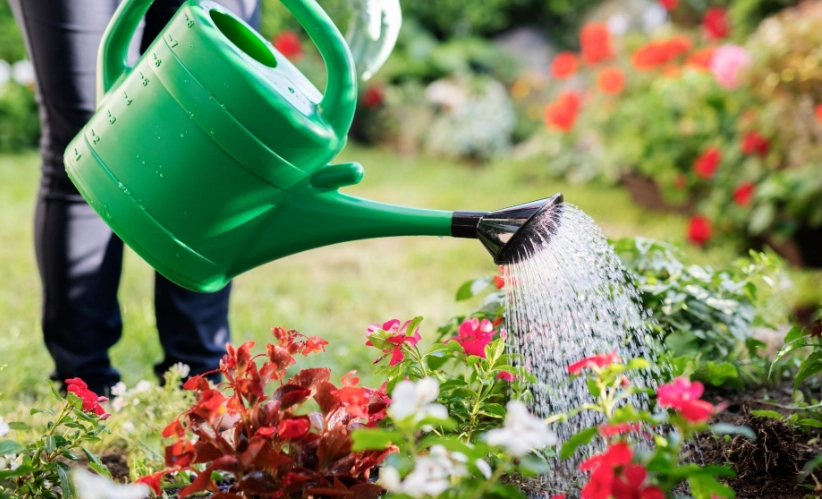
You add aquatic potting mix, a few plants like dwarf papyrus or water lettuce, and top it off with water. Maybe a small fountain pump for sound. That's it. You've got a water garden. It's low-commitment, movable, and teaches you the basics of aquatic plant care without the pressure of a giant pond.
The Wildlife or Ecosystem Pond
This is my personal favorite style. The goal here isn't prize koi, but biodiversity. You create shallow, sloping edges so creatures like frogs and birds can easily get in and out. You pack it with native plants that provide oxygen, shelter, and food. The U.S. Environmental Protection Agency's Watersense program highlights how such features can be part of water-smart landscaping, which is a nice bonus.
The ecosystem does the heavy lifting. Plants compete with algae for nutrients, keeping the water clear naturally. It's a living science project in your yard.
The Formal Koi Pond
The heavyweight champion of water gardening. This is a serious commitment. Koi are messy and grow large, so this requires significant depth (often 4+ feet), massive filtration, and expert plumbing. It's less about plants (koi will eat or uproot many) and more about engineering pristine water for the fish. Beautiful? Absolutely. A simple weekend project? Not even close. The Associated Koi Clubs of America (AKCA) website is the bible for this path—their care standards are gold.
See what fits your life. Don't let the Instagram-perfect koi ponds intimidate you. A container garden brings 80% of the joy for 5% of the work.
The Non-Negotiable Gear: What You Really Need to Get Started
You can't just dig a hole and fill it with hose water. Well, you can, but you'll have a mosquito-breeding, green soup in a week. A successful water garden needs a few key players to keep the water healthy and moving.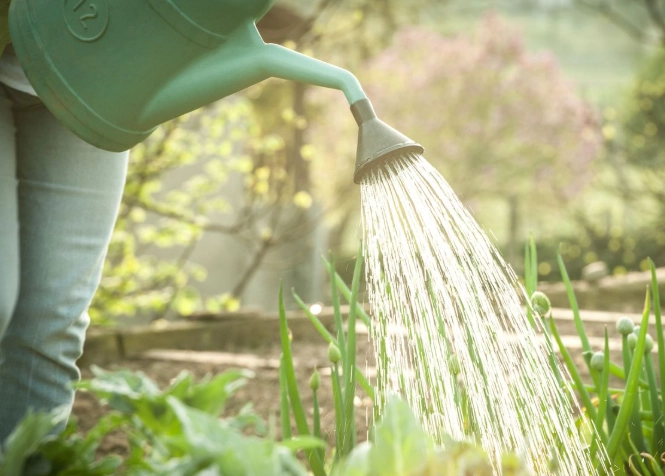
Pro Tip: Don't skimp on the pump and filter. They are the heart and kidneys of your water garden. Buying cheap here is the most expensive mistake you can make—you'll just replace it in a year.
The Liner: This holds the water. Pre-formed rigid liners are easy for small ponds but limit shape. Flexible PVC or EPDM (rubber) liners are the pro choice. They allow any shape and are surprisingly tough. I've had an EPDM liner going strong for 8 years now.
The Pump: It moves water. Moving water is oxygenated water, and oxygen is life for fish and beneficial bacteria. Size is measured in gallons per hour (GPH). A good rule of thumb is to circulate your total pond volume at least once every two hours.
The Filtration System: This is where beginners get overwhelmed. The filter's job is to remove debris (mechanical) and host beneficial bacteria that break down harmful fish waste (biological). You have options:
| Filter Type | Best For | How It Works | The Real-World Downside |
|---|---|---|---|
| Submersible Filter | Small to medium ponds, container gardens | Sits in the water, often combined with a pump. Water is sucked in, filtered, and pushed out. | You have to get wet to clean it. Can be a hassle. |
| External Pressurized Filter | Medium ponds, especially with fish | Sits outside the pond. Water is pumped into it under pressure, cleaned, and returned. | More expensive. More plumbing. But cleaning is a dry, 5-minute job via a rinse valve. |
| Bog Filter (The Natural Choice) | Ecosystem ponds, wildlife ponds | A separate, gravel-filled area where pond water is pumped up through. Plants roots do the filtering. | Requires more space and careful planning. But it's beautiful and almost maintenance-free once established. |
I started with a submersible, hated cleaning it, and upgraded to an external filter. The difference in ease of maintenance was night and day.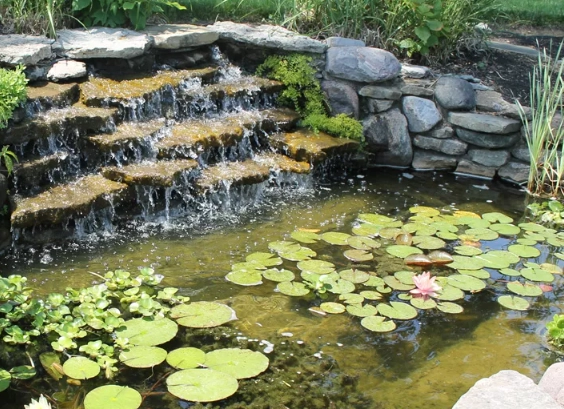
The Stars of the Show: Picking Your Plants
Plants are not just decoration; they are functional machinery. They absorb excess nutrients (starving algae), provide shade (cooling water), offer hiding spots for fish, and oxygenate the water. Think of them in three categories, each with a specific job.
Oxygenators (The Underwater Workhorses): Plants like Anacharis, Hornwort, and Cabomba live mostly submerged. They suck nutrients directly from the water column, competing directly with string algae. You just toss bunches in, and they do their thing. Essential for clear water.
Marginals (The Edge Beauties): These grow in shallow water at the pond's edge. Irises, Cattails, Pickerel Rush, and Dwarf Papyrus. They have stunning vertical forms and flowers. Their roots also provide massive surface area for beneficial bacteria.
Water Lilies & Lotus (The Floating Classics): The lily pads provide crucial shade, which keeps water temperature down and makes it harder for algae to photosynthesize. Lotus have incredible flowers but need more heat and sun. A common mistake is planting them too deep—check the tag!
Warning: Some aquatic plants, like certain types of Myriophyllum (Parrot's Feather) or Hydrilla, can be highly invasive. Always check with your state's Department of Natural Resources or the U.S. Fish & Wildlife Service invasive species list before buying. Never release plants into natural waterways.
Adding Life: Should You Get Fish?
Fish are optional but wonderful. They add movement, color, and help control insects. But they also add waste, which means your filtration needs to be up to the task.
Goldfish: The perfect starter fish. Hardy, colorful, and relatively small. Shubunkins and comets are great choices. They'll even overwinter in a pond that doesn't freeze solid.
Koi: These are not just big goldfish. They are a long-term commitment (they can live for decades), grow over two feet long, and require expert-level water quality. Start with goldfish.
Mosquito Fish (Gambusia): If bugs are a concern, these tiny, native fish are voracious mosquito larvae eaters. Many local mosquito control districts give them away for free.
Wait! Don't run to the pet store yet.
Your pond needs to cycle before adding fish. This means letting the beneficial bacteria colony establish in your filter, which can take 4-6 weeks. Adding fish too soon leads to "New Pond Syndrome"—toxic ammonia spikes that can kill them. Patience is key.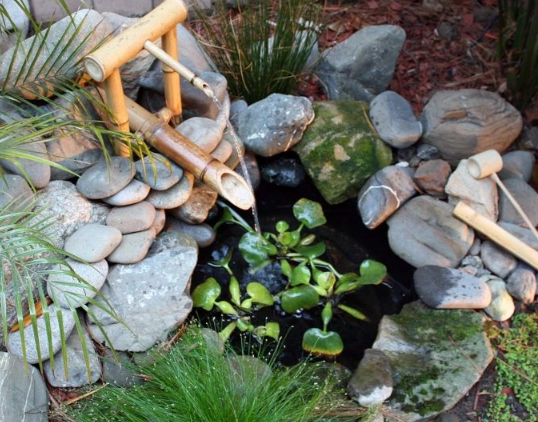
The Not-So-Glamorous Part: Ongoing Care & Troubleshooting
Okay, your water garden is built, planted, and cycling. Now what? It's mostly about observation and little tweaks.
The Weekly Check: Look at the water. Clear? Green? Murky? Check the pump intake for debris. Skim off leaves. This takes 10 minutes.
Seasonal Tasks: In spring, clean out winter debris and restart pumps. In fall, net over the pond to catch leaves. In winter, if you have fish, keep a hole in the ice with a de-icer so gases can escape.
Common Problems (& How to Fix Them Without Panicking)
Green Water (Pea Soup): This is free-floating algae. It means there's an imbalance—too many nutrients (often from fish food or decomposing matter) and not enough plants/bacteria to consume them.
- Solution: Don't just dump algaecide! It kills the symptom, not the cause. Add more fast-growing oxygenator plants. Reduce feeding. Make sure your filter is sized correctly and clean. A UV clarifier hooked to your pump is a very effective mechanical solution—it zaps algae as water passes by.
String Algae (Hair Algae): The green, hair-like stuff that clings to rocks and plants. Annoying, but a sign of good water quality (weirdly).
- Solution: Physically remove it by twirling it on a stick. Barley straw extract (not bales, the liquid extract) can help inhibit its growth. Ensure good water circulation.
Murky Brown Water: Usually from dirt or fine organic debris.
- Solution: This is often a filtration issue. Check if your filter is clogged or too small. Adding a fine mechanical filter pad can help. It often clears on its own as the system matures.
Let's Answer Your Burning Questions (The FAQ)
I get emails with these all the time. Here are the straight answers.
Wrapping It Up: Your Next Step
The world of water gardening is deep (pun intended) and endlessly fascinating. It's a hobby that engages you with nature in a direct, tangible way. You'll learn about water chemistry, plant biology, and animal behavior without even trying.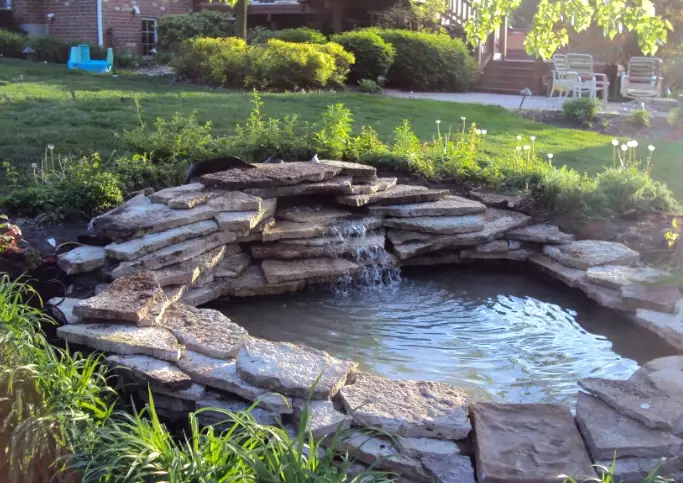
My biggest piece of advice? Start small. Get a container, a dwarf lily, and a little pump. See how you like caring for it. That success will give you the confidence to go bigger if you want.
Forget the perfect, magazine-cover image. Aim for a balanced, lively little ecosystem. Some algae on the rocks? That's food for snails. Water not crystal clear? It's a pond, not a swimming pool. Embrace the wildness of it.
The sound of water, the dance of fish, the bloom of a water lily—this is what you're working for. It's not just gardening; it's creating a living, breathing piece of art that changes with the seasons. And honestly, there's nothing quite like it.
So, what are you waiting for? Grab a container, or start sketching out that corner of the yard. Your backyard oasis is closer than you think.
Reader Comments