I remember the first time I tried building a cold frame. It was late fall, a panic set in looking at my still-green tomatoes, and I cobbled something together from old storm windows and some rotten scrap wood I found behind the shed. It lasted about two weeks before a stiff wind sent the glass pane flying into my rosemary bush. Not my finest gardening moment. But you know what? That failure taught me more than any perfect guide ever could. Building a cold frame isn't about achieving Pinterest perfection. It's about creating a simple, functional microclimate that gives your plants a fighting chance against the chill.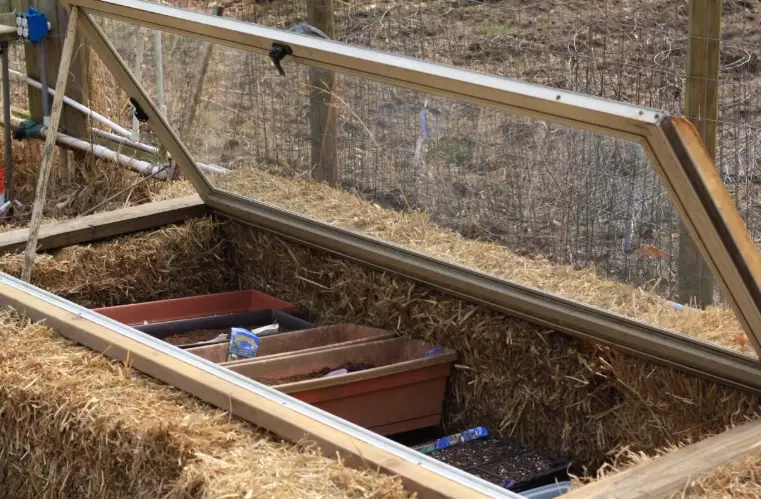
If you're here, you're probably tired of watching your seedlings shiver or your fall harvest get cut short by an early frost. Maybe you've seen those fancy ones at the garden center with the aluminum frames and automatic vents and thought, "I could never afford that." Good news: you don't need to. A functional cold frame is one of the most satisfying and effective DIY projects a gardener can tackle. It's essentially a mini-greenhouse that sits right on the ground, trapping solar heat and protecting plants. We're going to walk through the whole process, from that first "where do I even put this?" thought to harvesting spinach in January. We'll talk materials, angles, ventilation (so important!), and I'll even share a few things I wish someone had told me before I started.
Why Bother Building a Cold Frame? (It's More Than Just Winter)
Most people think of cold frames as a winter thing. And sure, that's a huge benefit. But honestly, I use mine year-round. In early spring, it's a nursery for hardening off seedlings. You know that awkward dance of bringing trays in and out for a week? A cold frame does that automatically, gradually acclimating them. In summer, I use one with shade cloth to protect delicate greens from scorching sun. In fall, it extends the life of my lettuce, kale, and carrots by months. It's like having a season-shifting tool for your garden.
The real payoff is psychological. Seeing green growth when everything else is brown or buried in snow is a genuine mood booster. Plus, there's the unbeatable taste of a homegrown salad in February. Once you've experienced that, you'll wonder why you didn't start building a cold frame years ago.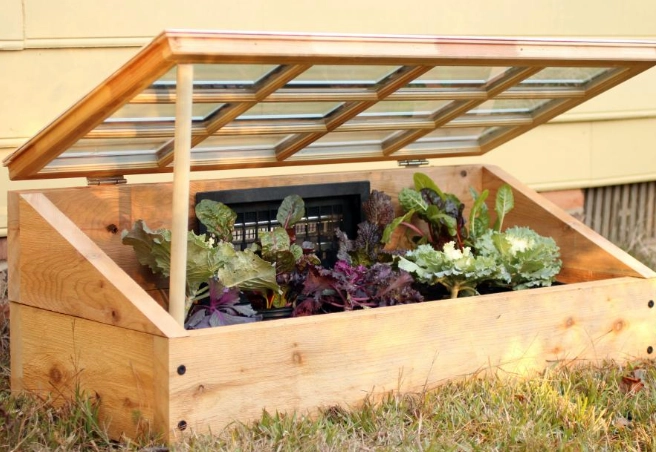
Step 1: The Planning Phase (Don't Skip This!)
Jumping straight into construction is tempting. Resist it. A little planning saves a ton of frustration later. The two big questions are: Where? and What for?
Finding the Perfect Spot
Location is everything. The ideal spot gets maximum sunlight, especially from mid-morning to mid-afternoon. A south-facing exposure is non-negotiable in the Northern Hemisphere. Think about your yard's microclimates. Is there a spot against a south-facing wall of your house or garage? That wall will absorb heat during the day and radiate it back at night, giving you an extra thermal boost. Just make sure it's not under a dripping eave or in a spot where rainwater pools.
Access is another thing I messed up the first time. Make sure you can easily get to it to water, ventilate, and harvest, even when the ground is muddy or icy. You don't want to trample other beds to reach it.
Sizing It Up For Your Needs
How big should your cold frame be? It depends on your goals. Are you trying to shelter a few pots of herbs? Or do you want to cover a 3-foot by 6-foot section of a raised bed? A common beginner-friendly size is about 3 feet wide by 4 to 6 feet long. This is wide enough to be useful but narrow enough that you can comfortably reach the center from either side. The back wall should be about 12-18 inches high, and the front wall about 8-12 inches. This creates the essential slope for the lid—about a 25-35 degree angle is perfect. This slope does two things: it helps shed rain and snow, and, more importantly, it allows the low winter sun to strike the glass at a near-perpendicular angle, maximizing heat capture. The University of Minnesota Extension has excellent diagrams illustrating this solar angle principle.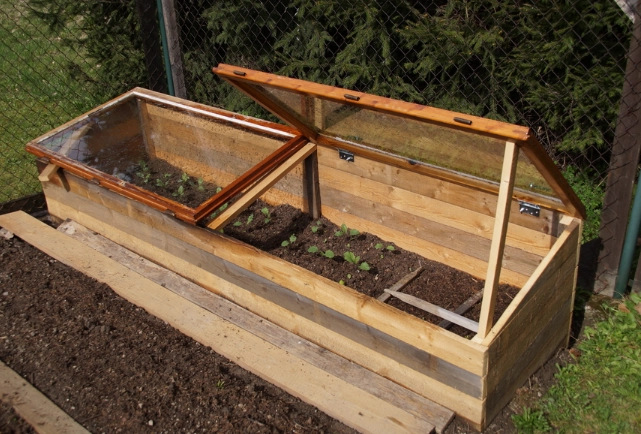
Step 2: Choosing Your Materials (The Good, The Bad, and The Rotten)
This is where your project gets its personality—and its longevity. You can spend a lot or almost nothing. Let's break down the options.
Frame Materials: A Reality Check
The frame holds everything up and provides insulation. Durability and rot-resistance are key.
| Material | Pros | Cons | Best For |
|---|---|---|---|
| Cedar or Redwood | Naturally rot-resistant, looks beautiful, easy to work with. | Can be expensive. Lighter woods can be less insulating. | The gardener who wants a lasting, attractive feature. |
| Pressure-Treated Lumber | Very durable, affordable, widely available. | Older treatments contained chemicals (CCA) gardeners avoided. Modern treatments (ACQ) are considered safe for garden use, but some purists still hesitate. Always check the label. | A budget-conscious builder who wants a long-lasting frame. |
| Recycled Materials (pallets, old decking) | Very low cost, eco-friendly. | Durability is a gamble. Must ensure wood wasn't treated with harmful chemicals. Requires more prep work. | The ultimate budget DIYer who enjoys the hunt. |
| Bricks or Cinder Blocks | Super durable, excellent thermal mass (stores heat). | Heavy, permanent, harder to adjust. | A semi-permanent installation on a solid base. |
| Composite Lumber | Won't rot, splinter, or warp. Low maintenance. | Can be more expensive than wood, and some types can sag over long spans. | Someone who never wants to rebuild it. |
I've used cedar for my permanent frames. It's pricey, but after 8 years, it still looks and performs great. For a quick, experimental build, I used cinder blocks and an old window—zero construction, just arrangement. It worked shockingly well.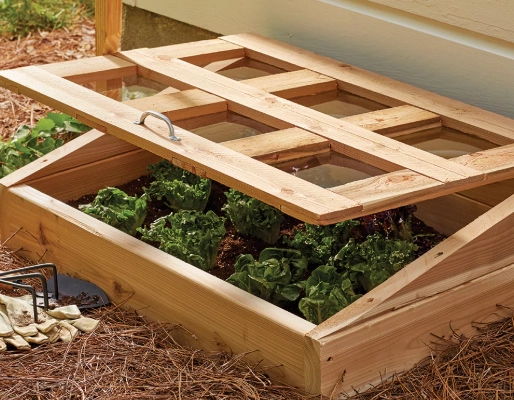
The Lid: The Heart of the Operation
The lid is the most critical part. It needs to be transparent, durable, and lightweight enough to open easily.
- Old Storm Windows or Patio Doors: The classic choice. Often free or cheap. Check garage sales. Warning: Glass is heavy and can break. Ensure the frame is still solid. The weight can be good for wind resistance but hard to lift if you use a large pane.
- Polycarbonate ( twin-wall or corrugated): My personal favorite. It's lightweight, shatterproof, and provides good insulation (especially twin-wall). You can cut it with a saw. It's UV-resistant but can become cloudy over many years. You can find it at home centers.
- Clear PVC ( polyethylene sheeting): The ultra-budget option. Stretch it over a wooden frame. It's cheap and lets in great light but degrades quickly in sunlight (1-2 seasons), is easily damaged, and provides almost no insulation. It's a temporary fix.
- Acrylic (Plexiglas): More expensive than polycarbonate, lighter than glass, but can scratch easily and may become brittle with age.
For building a cold frame you plan to use for years, investing in polycarbonate is worth it. The clarity and durability are a joy. The Cornell University Home Gardening program provides great specs on light transmission for different glazing materials.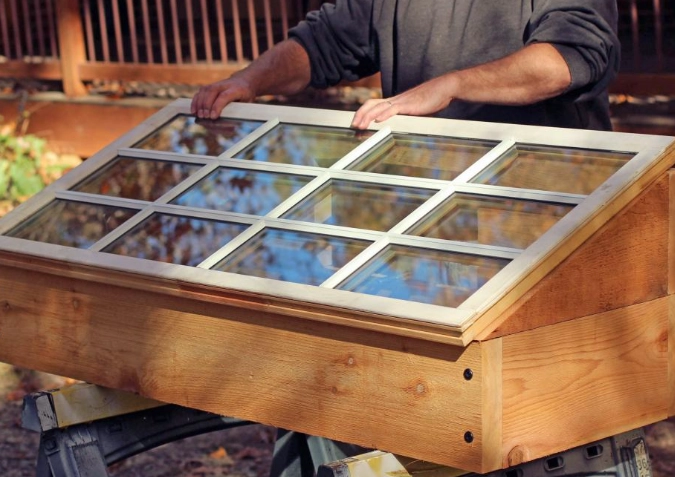
Hardware & Other Bits
Don't forget the small stuff. You'll need hinges—heavy-duty exterior ones. I prefer strap hinges for their strength. You'll need screws (deck screws or exterior-grade), and a method to prop the lid open. A simple notched stick works, or you can get fancy with automatic vent openers. These are little piston-filled cylinders that expand with heat and push the lid open. They're brilliant for day-long temperature regulation if you're not home. A hook-and-eye latch to secure the lid in high winds is also a smart addition.
Step 3: The Build - A Step-by-Step Walkthrough
Okay, plans are set, materials are piled up. Let's build. I'll describe a simple, sturdy 3'x6' wood frame with a polycarbonate lid.
Building the Box
Cut your lumber for the front, back, and sides. Remember the slope: if your back is 18" and your front is 12", your side pieces will be angled cuts. A carpenter's speed square is your best friend here. Assemble the four sides into a simple box using screws. Pre-drill your holes to prevent splitting, especially near the ends of the boards. For extra strength, add a vertical support in the middle of the long sides. This box has no bottom—it sits directly on the soil.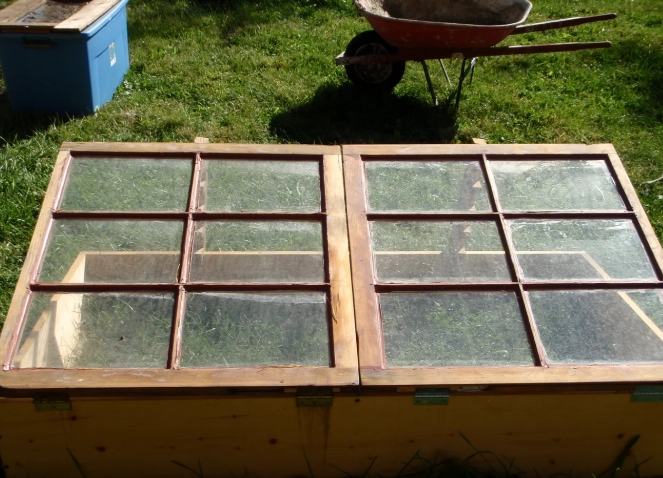
Some people like to add a layer of rigid foam insulation to the inside walls. It helps, especially in very cold climates. You can also mound soil or straw bales against the outside for the same effect.
Attaching the Lid
Build a simple frame for your polycarbonate lid that matches the dimensions of your box. Use lighter wood (like 1x2s). Cut your polycarbonate to size (leave a tiny bit of room for expansion). When working with polycarbonate, leave the protective film on! Attach it to the wooden frame using screws with rubber washers or specialized polycarbonate fasteners. Don't overtighten. Now, attach your hinges to the back of the lid frame and the back of the cold frame box. This is the moment it starts to look real. Test the open and close. Smooth?
Finishing Touches (That Make a Big Difference)
Weather-stripping. It sounds minor, but sealing the gap between the lid and the box with a foam tape or rubber gasket prevents precious warm air from leaking out at night. It's a cheap upgrade with a big impact. If you're using wood, applying a non-toxic, exterior-grade sealant will extend its life. I used a clear penetrating oil on my cedar.
Your cold frame is built! The process of building a cold frame is complete. Now for the fun part: using it.
Step 4: Using Your Cold Frame Like a Pro
A cold frame is not a "set it and forget it" tool. It's an active partnership with the weather.
The Ventilation Dance
This is the #1 skill to learn. On a sunny day, even if it's freezing outside, the temperature inside a sealed cold frame can soar past 100°F (38°C) and cook your plants in hours. You must vent. The rule of thumb: if the outside temperature is above 40°F (4°C), crack the lid open a few inches. Above 50°F (10°C), open it halfway. Use your prop stick to adjust. An automatic vent opener takes the guesswork out of this. At night, close it to trap the day's heat.
Watering and Monitoring
Soil in a cold frame dries out slower than open ground, but it still needs checking. Water sparingly on mild mornings, so foliage has time to dry before nightfall to prevent mold. Get a simple max-min thermometer and place it inside. It'll tell you exactly what temperature extremes your plants are experiencing. The goal is to keep it above freezing at night and below 80°F (27°C) during the day.
What to Grow?
Not all plants are cold frame candidates. Focus on cold-hardy varieties.
- Fall/Winter: Spinach, kale, Swiss chard, lettuce (like 'Winter Density'), carrots, radishes, scallions, parsley, cilantro.
- Early Spring: All the above, plus started seedlings of broccoli, cabbage, lettuce. It's perfect for hardening off tomato and pepper seedlings a few weeks before your last frost.
Building a cold frame opens up a whole new calendar for your garden. The Old Farmer's Almanac has excellent month-by-month planting guides for cold frames by region.
Common Problems & Simple Solutions
Things will go wrong. They always do. Here's how to fix them.
Problem: Plants are leggy and pale.
Likely Cause: Not enough light or too warm. Ensure the lid is clean and you're not over-ventilating on cold, cloudy days.
Problem: Condensation dripping on plants, causing rot.
Likely Cause: Poor air circulation. Vent more, even just a crack, to allow humid air to escape. Water the soil, not the leaves.
Problem: Sudden plant death on a cold night.
Likely Cause: Radiational cooling. On super clear, still nights, heat escapes rapidly. Throw an old blanket, burlap sack, or a piece of foam board over the cold frame at dusk for extra insulation. It makes a huge difference.
Problem: Pests (slugs, aphids) inside.
Likely Cause: It's a cozy haven for them too. Inspect regularly. Use organic controls like diatomaceous earth for slugs or a strong spray of water for aphids.
Answers to Questions You Might Be Too Embarrassed to Ask
Do I need a foundation or floor? Nope. The whole point is that it sits on the ground, so plants' roots are in the native soil. Just make sure the ground is level.
Can I use a plastic storage bin? You can experiment! A clear bin with the bottom cut out is a mini-cold frame/cloche. It's flimsy and won't ventilate well, but for protecting a single plant for a week or two, it's a fun hack.
How do I anchor it so it doesn't blow away? If it's light, drive a couple of stakes on the inside corners and screw the frame to them. For heavier frames, its own weight is often enough, but in very windy spots, you can use landscape anchor pins on the outside.
Is building a cold frame worth it if I only have a balcony? Absolutely. You can build a small, shallow one to sit over deep pots of greens or herbs. The principles are exactly the same, just scaled down.
The journey of building a cold frame is incredibly rewarding. It connects you to the rhythms of the seasons in a deeper way. You stop seeing winter as a dead period and start seeing it as a quiet, productive season all its own. You'll make mistakes—I certainly have—but each one teaches you more about the microclimate you're managing. Grab some materials, pick a sunny weekend, and give it a go. Your future winter self, enjoying a homegrown harvest, will thank you.
Really, just start. Even an imperfect cold frame is better than no cold frame at all.
