Your Fall Garden Quick Guide
- Why Bother with a Fall Garden Anyway?
- The Single Most Important Factor: Your Frost Dates
- Top 10 Vegetables for Your Fall Harvest (Ranked by Ease & Reward)
- A Step-by-Step Guide to Planting Your Fall Garden
- Caring for Your Fall Vegetable Garden
- Harvesting and Storing Your Bounty
- Answering Your Burning Questions About Growing Fall Vegetables
- Wrapping It Up: Your Action Plan
Let's be honest, most people think gardening wraps up when summer does. You harvest your tomatoes, pull up the zucchini that got way too big, and call it a year. But what if I told you some of the most rewarding gardening happens when the air gets crisp and the leaves start to turn? Growing fall vegetables is like discovering a secret season in your own backyard.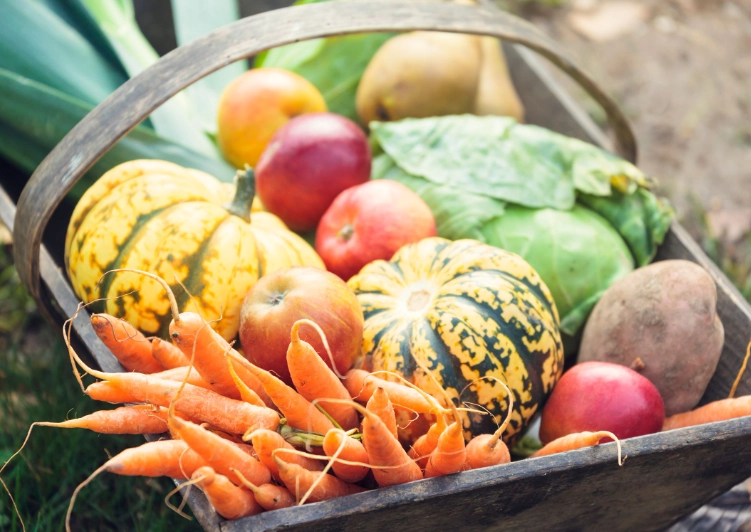
I used to pack up my tools after Labor Day too. One year, on a whim, I threw some spinach and kale seeds in a bare patch of soil in early September. I didn't expect much. A few weeks later, after a couple of light frosts, I had the sweetest, most tender greens I'd ever eaten. That's the magic of fall gardening. The cool temperatures do something wonderful to vegetables—they sweeten up, get crisp, and often have far fewer pest problems than their summer counterparts.
Why Bother with a Fall Garden Anyway?
Beyond the sheer pleasure of fresh food in October and November, there are some solid practical reasons. First, the workload is generally lower. Weeds germinate slower in the fall. Many common insect pests, like squash bugs and tomato hornworms, are winding down or have completed their life cycles. The diseases that run rampant in humid summer air often subside.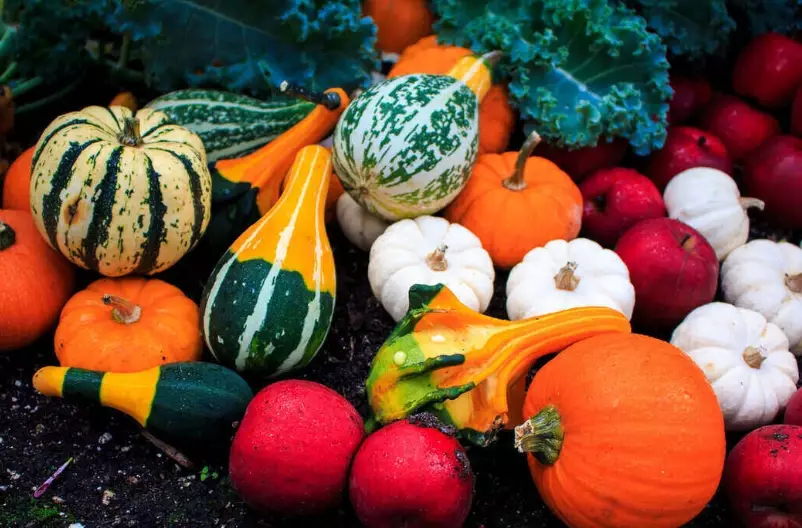
Then there's the flavor. A frost is like nature's sugar switch. It triggers many cold-hardy plants to convert starches into sugars as a kind of antifreeze. That's why a kale leaf picked after a frost tastes almost sweet compared to a summer one. Carrots and parsnips pulled from the cold earth are incredibly sweet and crunchy.
And let's talk about space utilization. That bed where your garlic was or where the peas fizzled out in June doesn't have to sit empty. Planting fall vegetables is the best way to maximize every square foot of your garden. You get two, sometimes three, harvests from the same space.
The Single Most Important Factor: Your Frost Dates
This is the make-or-break piece of information for growing fall vegetables successfully. Everything hinges on the clock counting down to your first hard frost in autumn. You need two dates:
- Your Average First Fall Frost Date: This is the typical date in autumn when you can expect the first frost of 32°F (0°C) or lower.
- Your Average Last Spring Frost Date: You might know this one already. The days between these two dates is your growing season length.
Don't guess. Look it up. The most authoritative source is your local university cooperative extension service. A fantastic national resource is the USDA Plant Hardiness Zone Map, which provides a framework, but local climate nuances matter. I always cross-reference with my state's extension website for the most accurate local data. You can find the USDA map at the official USDA website.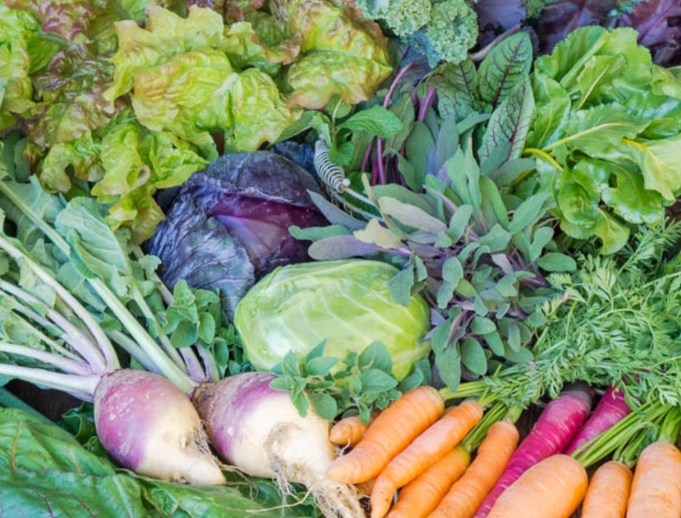
Once you have that first fall frost date, you work backward. Every seed packet or plant tag lists "Days to Maturity." For fall planting, you need to do some new math. Here’s the formula I use:
Fall Planting Date = First Frost Date - (Days to Maturity + "Fall Factor")
What's the "Fall Factor"? Good question. In fall, days are getting shorter and cooler, so plants grow more slowly than in the warm, long days of spring. I add 14 days to the maturity time as a rule of thumb. So, for a lettuce that matures in 45 days:
First Frost: October 20
Days to Maturity: 45
Fall Factor: +14 days
Total: 59 days
Count Back: October 20 - 59 days = Plant around August 22
See? It's not just about tossing seeds out in September. Planning is key.
Top 10 Vegetables for Your Fall Harvest (Ranked by Ease & Reward)
Not everything grows well in the fall. You need vegetables that tolerate cool weather and, ideally, a light frost. Here’s my personal ranking, balancing how easy they are to grow with how spectacular they taste in autumn.
| Rank | Vegetable | Why It's a Fall Star | Key Tip for Success |
|---|---|---|---|
| 1 | Kale | Practically indestructible. Flavor improves dramatically after frost. Harvest leaves for months. | Direct sow or transplant. Give it space; it gets big. Try varieties like ‘Lacinato’ (Dinosaur) or ‘Winterbor’. |
| 2 | Spinach | Loves cool weather. Grows quickly. Far superior to store-bought. | Sow seeds directly in moist soil. Use succession planting every 2 weeks for a continuous cut-and-come-again harvest. |
| 3 | Lettuce (Leaf Types) | Fast-growing, no bolting. Perfect for salads until hard freeze. | Look for "cut-and-come-again" mixes. Provide light shade if planting in late summer heat to aid germination. |
| 4 | Radishes | Incredibly fast (25-30 days). No pest issues. Adds a crisp punch. | Perfect for filling small gaps. Sow a new row every 10 days. ‘French Breakfast’ is a classic for a reason. |
| 5 | Swiss Chard | Beautiful and productive. Stems and leaves are edible. Moderately frost-hardy. | The ‘Bright Lights’ variety is a garden showstopper with rainbow stems. Harvest outer leaves. |
| 6 | Carrots | Unbeatable sweetness when harvested after cold weather. Stores well in the ground. | Needs loose, deep soil. Can be slow to germinate; keep seedbed moist. Consider shorter varieties like ‘Napoli’ if your soil is heavy. |
| 7 | Beets | You get two crops: the sweet roots and the delicious greens (like spinach). | Thin seedlings aggressively to give roots room to size up. The thinnings are great in salads. |
| 8 | Turnips & Rutabagas | Underrated workhorses. Roots store for months. Greens are edible too. | Rutabagas take longer; plant them earlier. A light frost improves their flavor immensely. |
| 9 | Asian Greens | Fast, flavorful, versatile. Includes bok choy, tatsoi, mizuna. | Prone to flea beetles in summer; fall planting avoids this major pest. Great for stir-fries. |
| 10 | Garlic | Planted in fall for a summer harvest next year. The ultimate long-game crop. | Plant individual cloves in October/November. Mulch heavily with straw. It needs the cold period to form bulbs. |
A Step-by-Step Guide to Planting Your Fall Garden
Okay, you've got your list and your frost date. Time to get dirty. The process is a bit different from spring planting.
1. Prep the Soil (It's Tired!)
That soil has just supported a summer crop. It's likely depleted. Don't just plant into exhaustion. First, clear away any old plant debris to reduce disease carryover. Then, add some nutrients back in. I'm a big fan of working in a 1-2 inch layer of compost. It feeds the soil microbes and improves moisture retention. If you don't have compost, a balanced, slow-release organic fertilizer works. The goal is to give these fall vegetables a nutritious bed to grow in quickly.
2. The Seeding vs. Transplanting Dilemma
Some things are best sown directly as seeds. Others give you a head start if you use transplants.
- Direct Sow (Seed right in the garden): Root crops (carrots, radishes, beets, turnips), peas, spinach, lettuce, arugula. These don't like having their roots disturbed.
- Start as Transplants (Buy or grow yourself): Broccoli, cauliflower, kale, Swiss chard, cabbage, Brussels sprouts. This gives them a 4-6 week head start, crucial for slower-maturing crops.
Finding transplants for fall at big-box stores can be tricky. They're focused on spring. Check local nurseries, or better yet, start your own seeds indoors in mid-summer. It feels weird starting seeds in July when you're harvesting tomatoes, but it's the secret weapon for a great fall garden.
3. Beat the Heat at Germination Time
Here's a major hurdle: You're planting seeds in late summer when the soil can be hot and dry. Many cool-season seeds (lettuce, spinach) will simply refuse to germinate if soil temps are above 80°F. They go dormant.
You have to trick them. Sow seeds a little deeper than the packet says for extra moisture. Water the planting area deeply before you sow. After planting, use a light mulch (like straw or even a thin layer of grass clippings) to shade the soil and retain moisture. Some gardeners use a board or burlap to cover the seeded row for 2-3 days, checking daily, to keep it cool and moist. Remove it as soon as you see sprouts.
Watering is non-negotiable. You might need to water lightly twice a day until seedlings are established. A soaker hose or drip irrigation on a timer is a lifesaver here.
Caring for Your Fall Vegetable Garden
The care shifts as the season progresses. Early on, it's about nurturing growth. Later, it's about protection.
Watering Wisely
While establishing, keep the soil consistently moist. Once plants are growing well, you can taper off. Cooler fall air means less evaporation. Overwatering in cool weather can lead to rot and disease. I let the top inch of soil dry out between waterings later in the season. The goal is deep, strong roots.
Feeding for Fast Growth
These plants are on a deadline. A mid-season boost can help. I side-dress leafy greens and brassicas with a nitrogen-rich fertilizer like blood meal or fish emulsion about 3-4 weeks after planting. It gives them a final push of leafy growth before the cold sets in. For root crops, go easy on nitrogen; you want root development, not just leaves.
The Art of Frost Protection
This is where you extend your season by weeks, even months. Not all frosts are created equal. A light frost (28-32°F) will damage tender plants but often leaves cold-hardy ones just fine, even sweeter. A hard freeze (below 28°F) is more damaging.
When a frost is forecast, you have options:
- Floating Row Covers (Agribon, Reemay): My absolute favorite tool. This lightweight fabric lets in light and water but traps warmth from the soil. Drape it directly over plants or support it on hoops. It can provide 2-8 degrees of protection. It's also great for keeping pests off early in the season.
- Cold Frames: Basically a mini-greenhouse. Perfect for low-growing greens. You can build one easily with old windows.
- Cloches: Individual plant protectors. Milk jugs with the bottom cut out work in a pinch.
I keep my row covers handy from October onward. On cold but sunny days, I pull them back so plants get full sun, then drape them back over in the late afternoon to trap the day's warmth.
Harvesting and Storing Your Bounty
Harvesting in the fall is different. You're often dealing with wet, cold conditions.
For leafy greens like kale, chard, and spinach, use the "cut-and-come-again" method. Harvest the outer, older leaves, leaving the central growing point intact. The plant will keep producing new leaves from the center. I've harvested spinach from the same patch from October through December with this method and a row cover.
Root crops like carrots, beets, and parsnips can often be stored right in the ground. Once they've matured, a hard frost won't kill them underground. Mulch heavily over the row with a foot of straw or leaves. This prevents the ground from freezing solid. Then, you can literally go out on a thawed day in January, pull back the mulch, and dig up fresh, sweet carrots. It's the best winter treasure hunt.
For crops you pull up, like turnips or storage radishes, remove the tops (but leave an inch of stem to prevent rotting) and store them in a cool, humid place like a root cellar or a refrigerator crisper drawer packed in slightly damp sand or sawdust.
Answering Your Burning Questions About Growing Fall Vegetables
I get a lot of questions from friends starting their fall gardens. Here are the most common ones.
Can I just plant the same seeds I used in spring?
Absolutely. The seed doesn't know what season it is. In fact, using up leftover spring seeds is a great way to save money. Just make sure they were stored in a cool, dry place. Their germination rate might be slightly lower, so sow a few extra.
What if I'm getting a late start? Is it too late?
It's rarely "too late" until the ground is frozen. If you're past the ideal planting date for broccoli, switch to a faster-maturing crop like radishes, spinach, or lettuce. Look for varieties specifically bred for short seasons. The phrase "days to maturity" is your guide—pick the lowest number you can find.
Can I grow tomatoes or peppers in the fall?
This is a tough one. They are warm-season crops. In most climates, starting them from seed in late summer won't give them enough time to fruit before frost. However, if you have healthy summer plants already in the ground, you can try to extend their life. When frost threatens, cover them well with blankets or row covers. You might gain a few extra weeks of harvest from existing fruits. But for new planting, stick to the cool-season list.
How do I deal with pests in the fall?
It's usually less of an issue, but not zero. Cabbage worms (the green caterpillars) can still be active on broccoli and kale into the fall. I check the undersides of leaves and pick them off. Slugs and snails love the cool, damp weather. Beer traps or iron phosphate-based baits work well. The good news? Aphids, which can be a problem, are often controlled by natural predators like ladybugs that are still active in early fall.
Should I mulch my fall garden?
Yes, but with timing. A light mulch after planting helps with moisture and cooling. Once the weather is consistently cool and plants are established, a thicker layer of mulch (straw, shredded leaves) helps regulate soil temperature, suppress winter weeds, and protect the roots of perennial herbs or overwintering crops like garlic.
Wrapping It Up: Your Action Plan
Let's make this simple. If you want to try growing fall vegetables this year, here's your cheat sheet:
- Today: Look up your average first fall frost date. (Search "[Your County] cooperative extension frost dates").
- This Weekend: Clean up one 4x4 foot area of your garden. Mix in a bag of compost.
- Next Trip to Store: Buy seeds for spinach, kale, and radishes. Maybe a six-pack of lettuce or Swiss chard transplants if you see them.
- Planting Day: Work backwards from your frost date using the formula. Plant your seeds, water them in well, and mulch lightly.
- Ongoing: Keep them watered. Watch them grow. When frost threatens, have an old sheet or row cover ready to toss over them.
The biggest barrier is just getting started. It feels counterintuitive to plant as summer ends. But once you taste that first fall harvest, you'll be hooked. Your garden year just got twice as long and, in my opinion, twice as enjoyable. The quiet, cool days spent tending the fall garden are some of my favorite moments of the year. There's no rush, no heat stress—just you, the crisp air, and the promise of a fresh, homegrown meal long after everyone else has put their gardens to bed.
Give it a shot. Plant a row of spinach. You might just discover your new favorite season for gardening.
Reader Comments