In This Guide
- Why Bother? The Real Benefits of Adding Coffee Grounds to Compost
- The Big Question: Are Coffee Grounds Acidic?
- How to Compost Coffee Grounds: A Step-by-Step Playbook
- What About the Filters?
- The Don'ts: Common Mistakes When Composting Coffee Grounds
- Your Coffee Grounds Compost Questions, Answered
- Beyond the Bin: Other Clever Uses for Used Coffee Grounds
You finish your morning cup, stare at the soggy pile of grounds in the filter, and hesitate. Toss them? That feels wasteful. But can you just dump them in the compost bin? I used to wonder the same thing. Honestly, I made a few messy mistakes early on (more on that later). But after years of turning kitchen scraps into black gold for my garden, I'm here to tell you: composting coffee grounds is one of the best, easiest habits you can pick up. It's not just okay; it's fantastic. This isn't some niche gardening hack—it's a simple way to reduce waste and supercharge your compost pile. Let's break down everything, from the basic "why" to the nitty-gritty "how," so you can start doing it right today.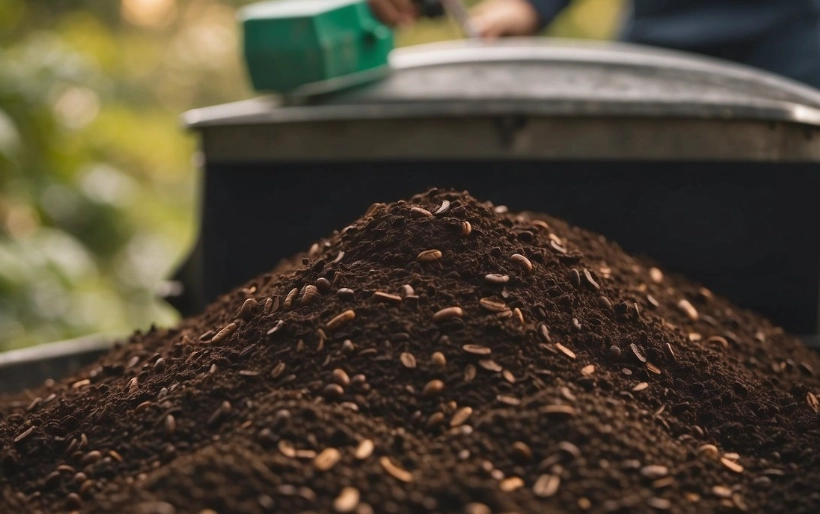
Quick Reality Check: Coffee grounds are a "green" or nitrogen-rich compost material. They are not acidic by the time you brew them, and they won't magically solve all your garden problems. But used right, they're a powerhouse.
Why Bother? The Real Benefits of Adding Coffee Grounds to Compost
It's not just about feeling good for keeping them out of the landfill—though that's a solid reason. When you compost coffee grounds, you're adding a unique ingredient that does some pretty cool things in your pile.
First off, they're a fantastic source of nitrogen. Your compost pile needs a balance of "greens" (nitrogen) and "browns" (carbon) to cook properly. Coffee grounds are a reliable green. They help heat up the pile, which speeds up decomposition and helps kill weed seeds and pathogens. I've noticed my piles get warmer faster when I add a good layer of grounds along with my veggie scraps.
They also improve the texture of your finished compost. Ever had a pile that gets slimy or compacted? Coffee grounds have a granular structure that helps create air pockets. This improves aeration, which is critical for the aerobic bacteria that do the hard work of breaking everything down. It's like fluffing up the pile from the inside.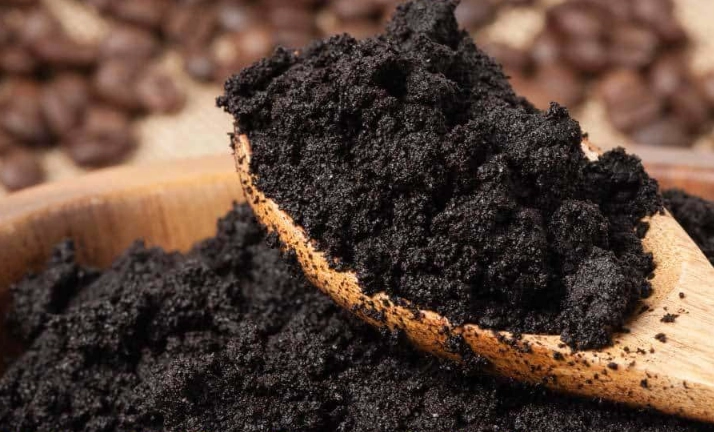
Then there's what they bring to the soil itself. Finished compost containing coffee grounds is rich in organic matter. It helps sandy soil retain water and helps clay soil drain better. It also attracts earthworms—nature's tillers and soil conditioners. I swear I see more worms in my garden beds where I've used my coffee-enriched compost.
And let's not forget the practical side: it's free fertilizer. You're already buying the coffee. Turning the waste into a resource just makes sense.
The Big Question: Are Coffee Grounds Acidic?
This is the myth that just won't die. I believed it myself for years. The short answer is: not really, not by the time you compost them.
Yes, the coffee you drink is acidic. But most of that acidity is water-soluble and gets flushed out during brewing. What's left in the used grounds is actually close to neutral on the pH scale, maybe even slightly alkaline. Multiple studies, including one from Purdue University Extension, back this up. They note that spent coffee grounds have a pH around 6.5 to 6.8.
The Takeaway: Don't add coffee grounds to your compost to "acidify" it for blueberries or azaleas. It won't work. For acid-loving plants, you need other amendments like sulfur. Composting coffee grounds is about adding nitrogen and organic matter, not adjusting pH.
How to Compost Coffee Grounds: A Step-by-Step Playbook
Okay, theory is great, but how do you actually do it? It's simple, but there are a few tricks to get the best results. The method changes a bit depending on whether you're running a hot, fast compost pile or a slow, cold one.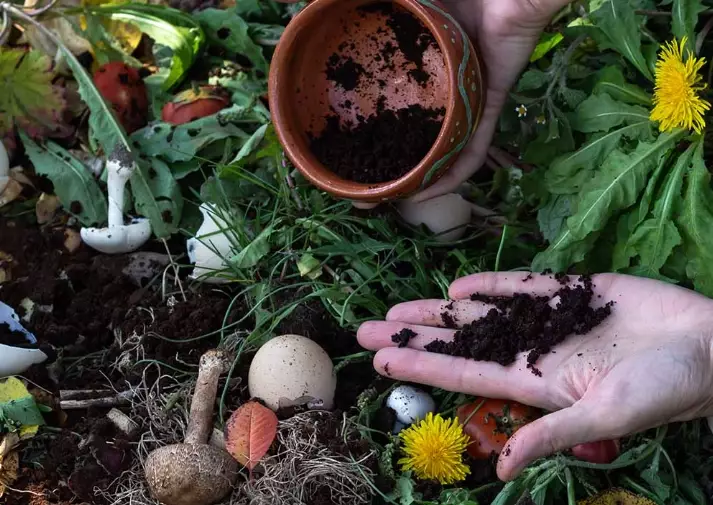
For Hot Composting (The Active Pile)
If you're actively turning your pile and aiming for fast decomposition, coffee grounds are your friend. Here's how to integrate them:
- Collect and Dry (Optional but Smart): I keep an old baking tray by my coffee maker. I dump the wet grounds and filter (if it's unbleached paper) on it and let them dry out for a day or two. This prevents them from turning into a slimy, moldy clump in my collection container. A little mold is fine for compost, but this keeps things tidier.
- Mix, Don't Dump: This is the golden rule. Never just pour a thick layer of coffee grounds into the pile. They can compact and become anaerobic (smelly and slimy). Instead, treat them like any other green. Add your collected grounds, then immediately cover them with a generous layer of browns. Think dried leaves, shredded cardboard, straw, or sawdust. The EPA's home composting guide emphasizes this layering technique for a healthy balance.
- Turn It In: When you turn your pile, make sure those grounds get thoroughly mixed into the center, where the heat is. They'll break down incredibly fast.
I learned the "mix, don't dump" lesson the hard way. I once emptied a week's worth of grounds into a corner of my bin. A week later, it was a green, fuzzy, impenetrable brick I had to break apart with a shovel. Not fun.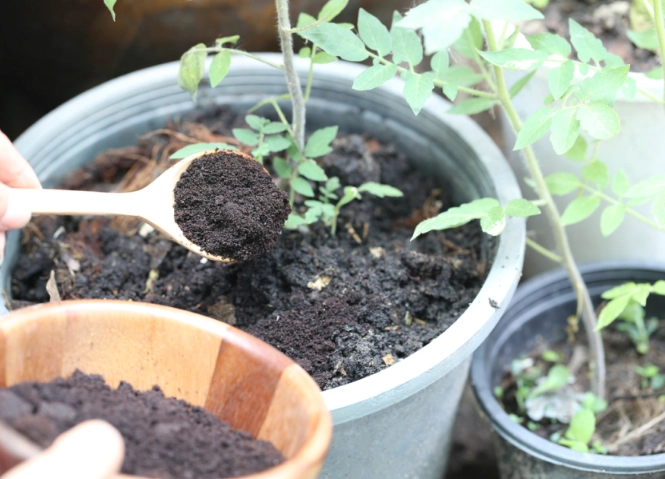
For Cold Composting (The Lazy Pile or Bin)
If you just have a stationary bin where you add scraps and let nature take its slow course, you can still compost coffee grounds successfully. The key is even more diligent about balancing with browns. Since you're not turning it, you need to create the balance as you add.
A simple routine: add your kitchen scraps (including grounds), then throw in a couple handfuls of shredded newspaper or dry leaves on top. The grounds will break down slowly but surely. Worms in a vermicomposting bin also absolutely love coffee grounds in moderation!
What About the Filters?
Paper filters? Go ahead and toss them in with the grounds. They're a carbon source (a brown!). Just make sure they're the plain, unbleached brown paper type. White filters are often bleached with chlorine, and it's better to avoid adding those. Cloth filters? Just rinse and reuse them indefinitely; don't compost them.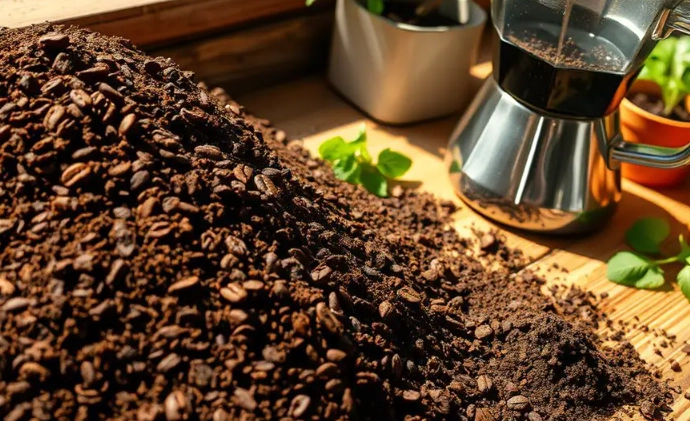
The Don'ts: Common Mistakes When Composting Coffee Grounds
To get the good stuff, avoid these pitfalls. I've tested a few of these for you, unfortunately.
- Don't Use Them as Mulch Alone: Sprinkling a thick layer of dry grounds directly on soil as mulch is a bad idea. They can form a water-resistant crust that actually repels moisture. They also can compact. Always mix them into soil or compost first.
- Don't Overload the Pile: Coffee grounds are rich. If your compost pile becomes more than 20-25% coffee grounds by volume, you might throw off the green-brown balance, leading to a smelly, nitrogen-heavy, slimy mess. Variety is key. Mix your grounds with fruit peels, veggie trimmings, and other greens.
- Don't Add Non-Compostables: This should be obvious, but if you use cream, milk, or sugar in your coffee, the grounds are still fine. But if you dump a full leftover latte with dairy into the pile, you're asking for pests and rot. Stick to the grounds.
| Aspect | What To Do | What To Avoid |
|---|---|---|
| Preparation | Dry them out to prevent mold in your kitchen container. | Adding them soaking wet in a sealed container (it gets funky). |
| Adding to Pile | Mix thoroughly with "browns" like leaves or cardboard. | Dumping in a thick, unmixed layer. |
| Quantity | Great regular addition; part of your "green" mix. | Letting them dominate the pile (over 25% volume). |
| Compost Type | Works in hot, cold, and worm bins (for worms, add sparingly). | None! They're universally good for compost systems. |
Your Coffee Grounds Compost Questions, Answered
Let's tackle some of the specific things people search for. You might be thinking these right now.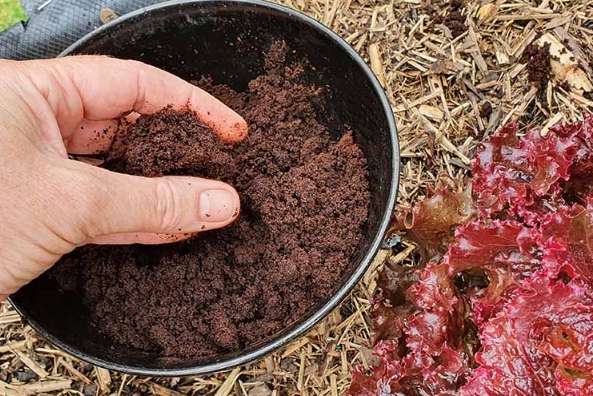
Beyond the Bin: Other Clever Uses for Used Coffee Grounds
Composting is the best all-around use, but if your compost bin is full or you want to experiment, here are a couple of other garden uses—with caveats.
- Direct Soil Amendment: You can lightly till a small amount of used grounds directly into garden soil several weeks before planting. This gives them time to integrate. Don't overdo it, and never use fresh (unbrewed) grounds.
- Worm Food: If you vermicompost, worms love coffee grounds. But add them in small, thin layers mixed with bedding. Too much can heat up the bin or make it acidic, which worms dislike.
- Maybe for Pest Deterrent: Some people make a barrier of dry grounds around plants to deter slugs. It works for some, not for others. The caffeine can be toxic to slugs in theory, but wet grounds lose their deterrent effect. I find it a bit unreliable, but it doesn't hurt to try.
Honestly, for most people, sending your coffee grounds to compost is the simplest, most effective path. It turns a daily waste product into the foundation of healthy soil. It closes the loop right in your backyard.
Starting tomorrow, don't just toss those grounds. Give them a second life. Your compost pile—and eventually, your garden—will thank you for it.
Reader Comments